RoomLift Logo

AI Japandi Design in Seconds

Upload a photo. Apply the Japandi aesthetic. Get photorealistic results.

Japandi blends Japanese minimalism with Scandinavian warmth into one of the most sought-after interior styles of the decade. With RoomLift AI, you can visualize any room in authentic Japandi style — natural materials, muted palettes, and functional beauty — in under 60 seconds.

Authentic Japandi paletteNatural materials & texturesUnder 60 secondsUp to 4K resolution
Try Japandi design free

10 Free Renders. Takes 2 min.

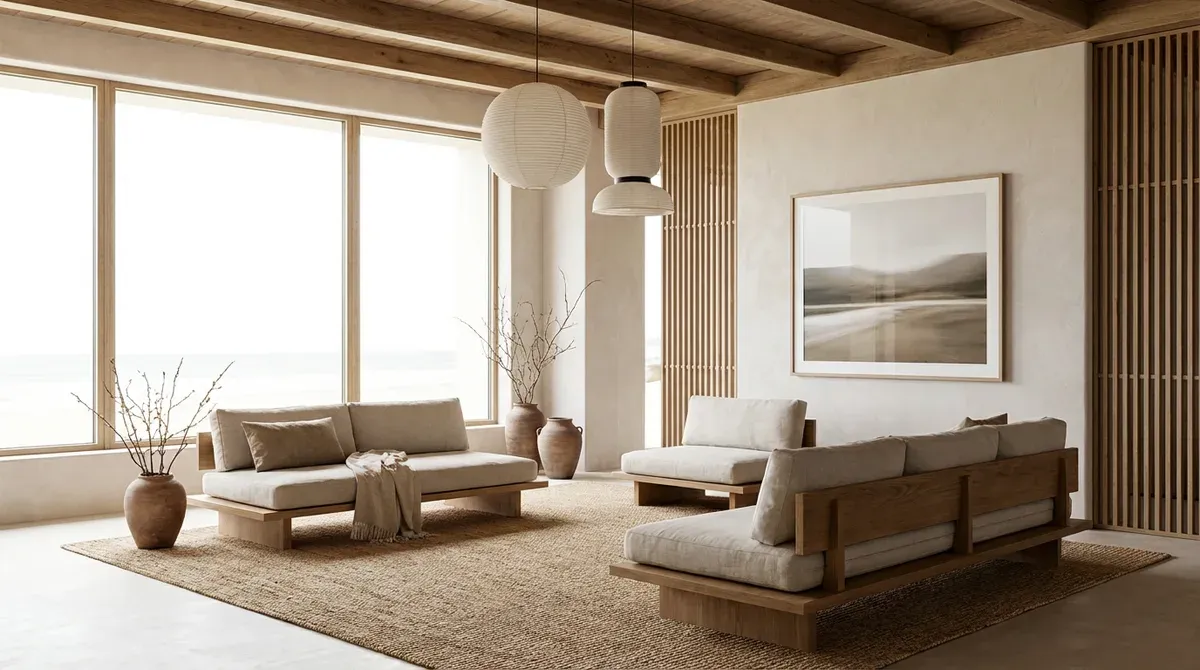
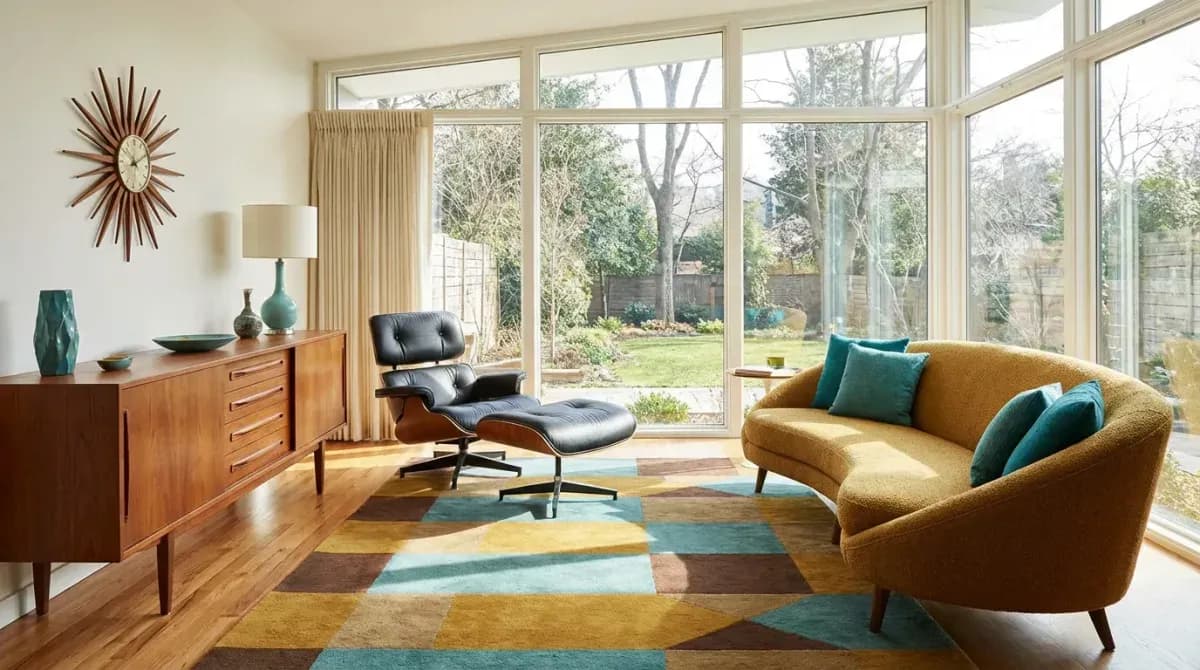
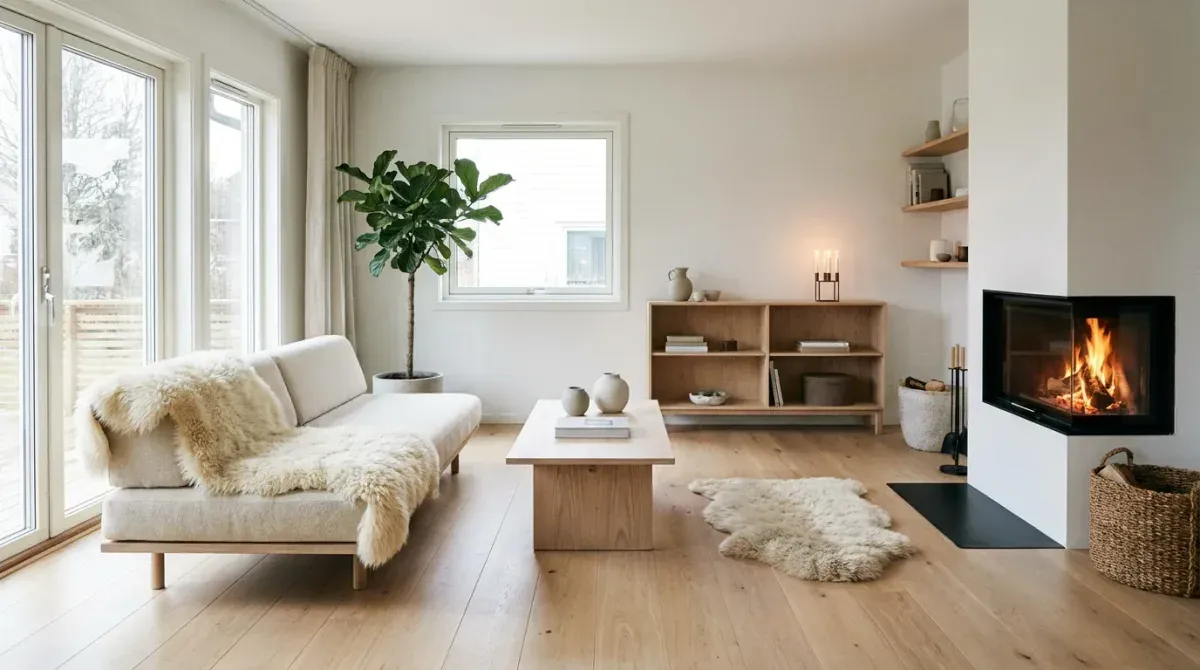
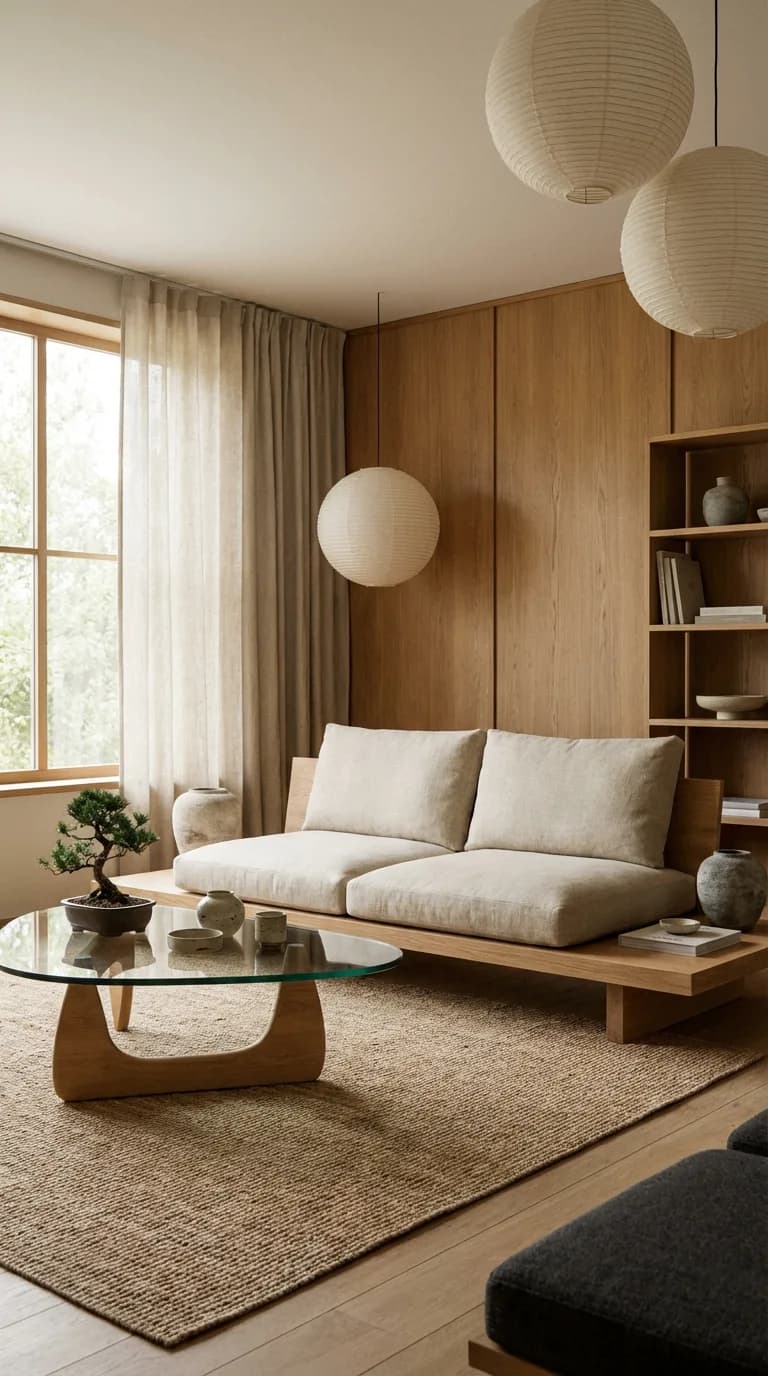
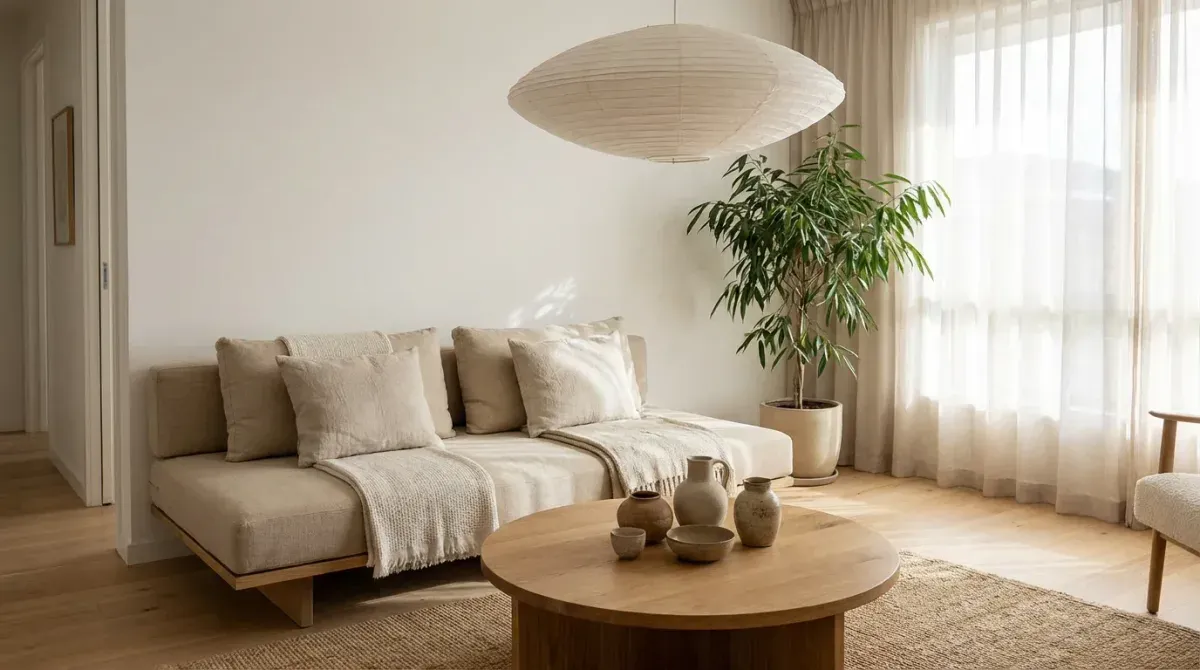
Japandi living room interior
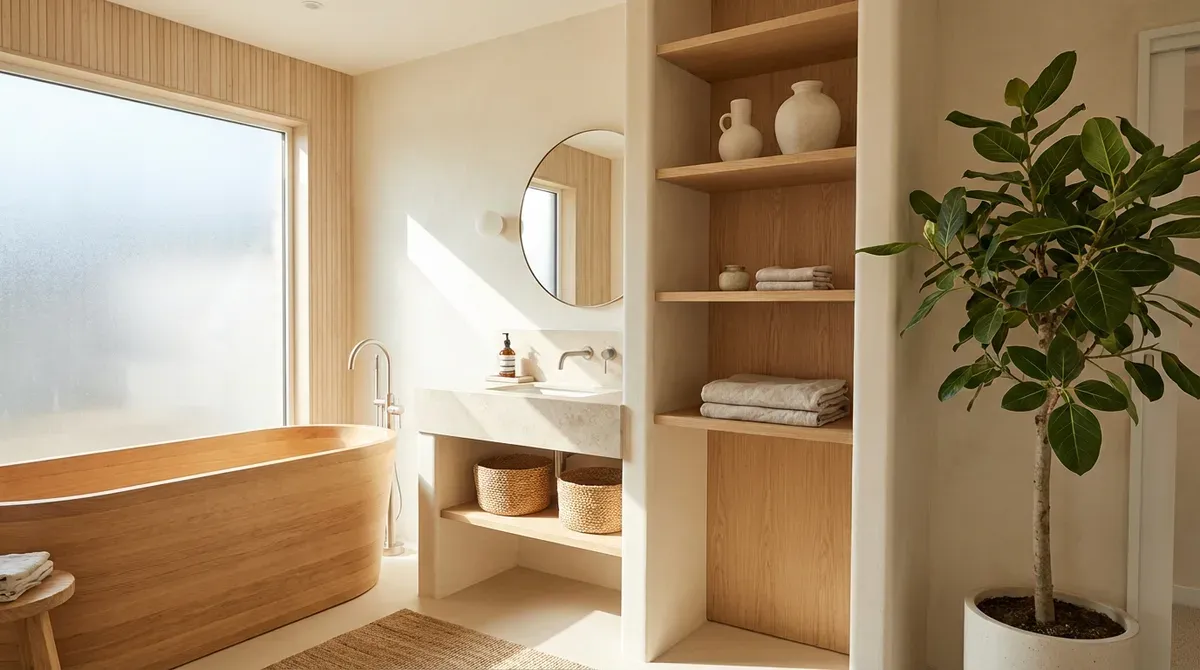
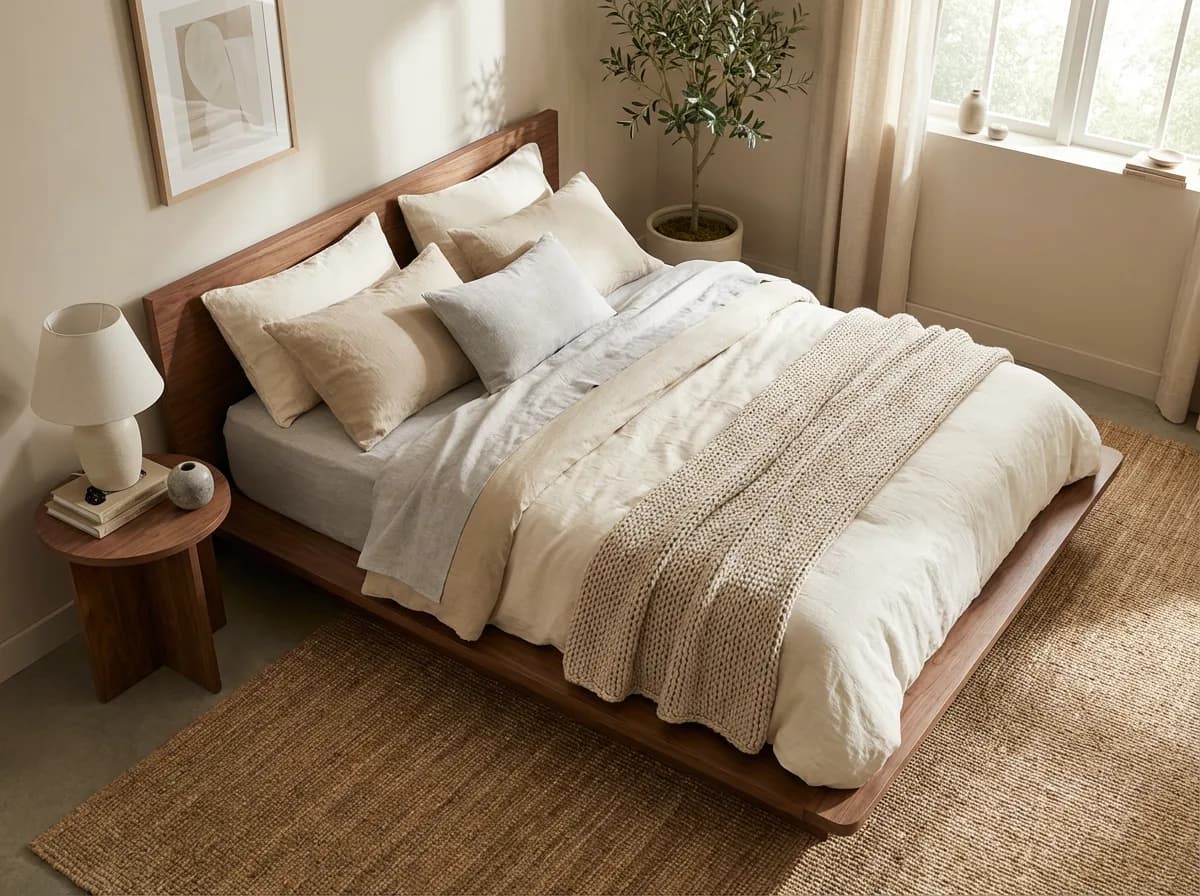
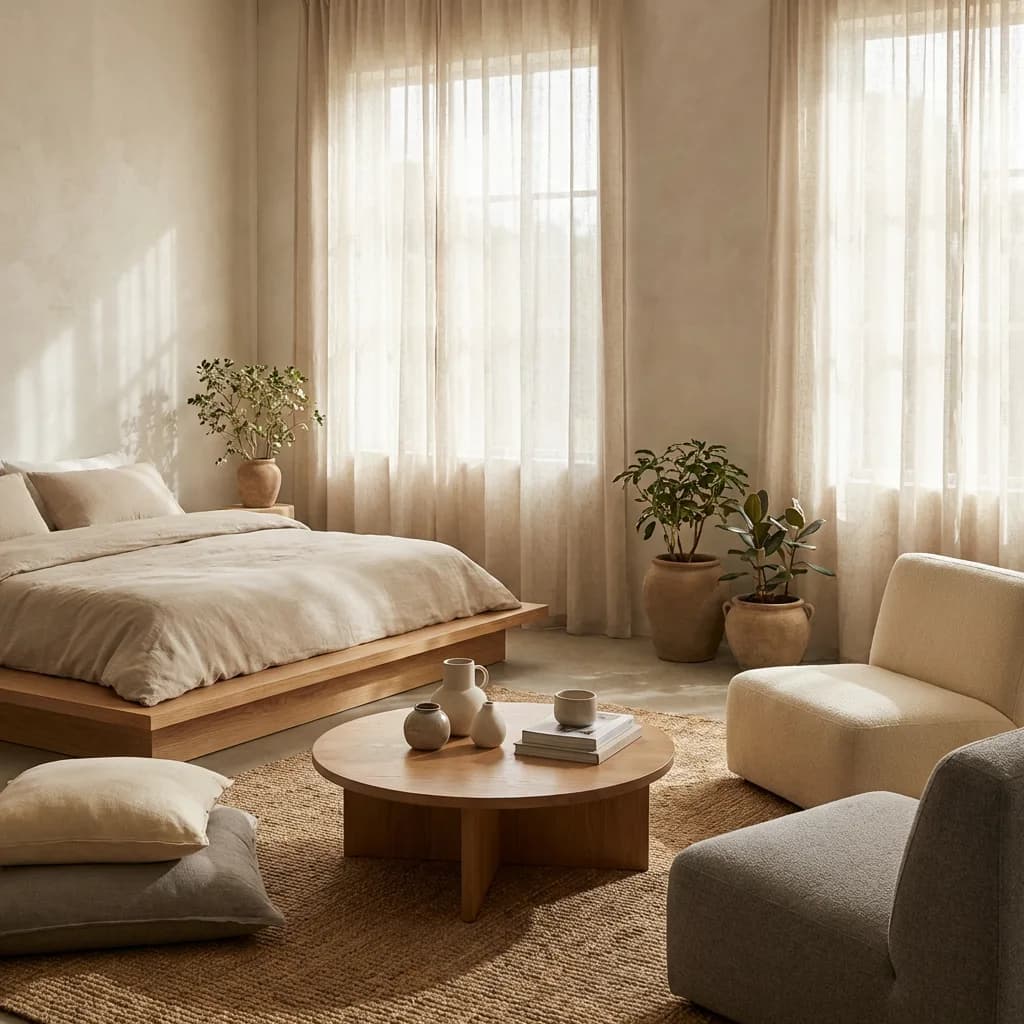
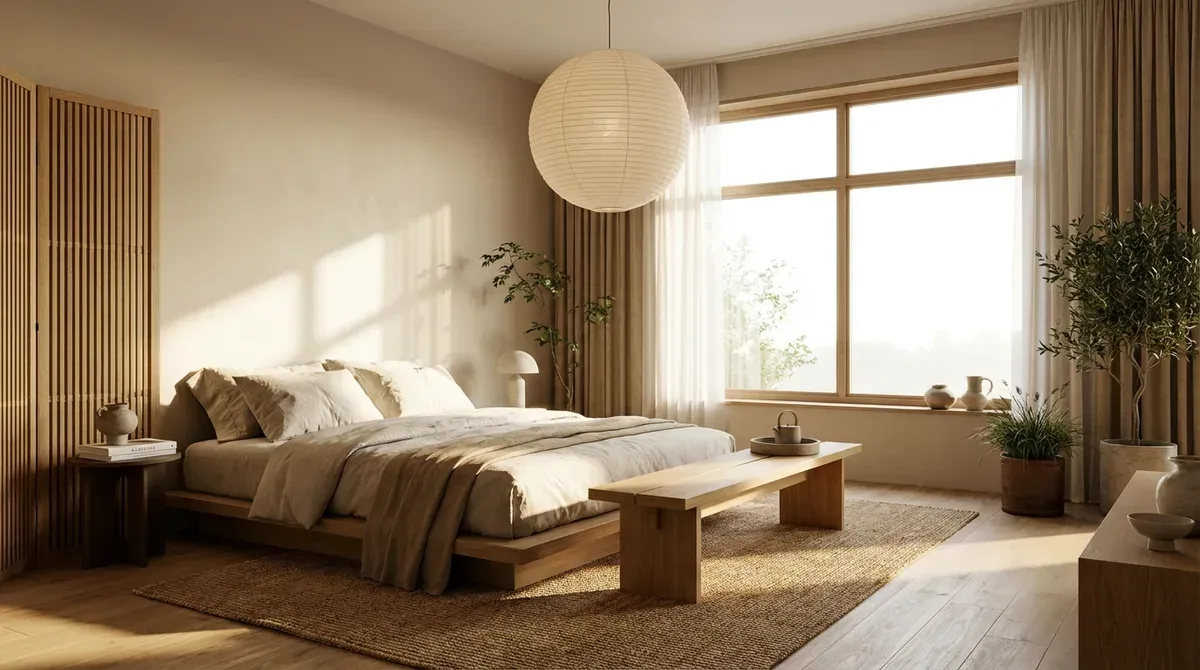
Japandi bedroom interior
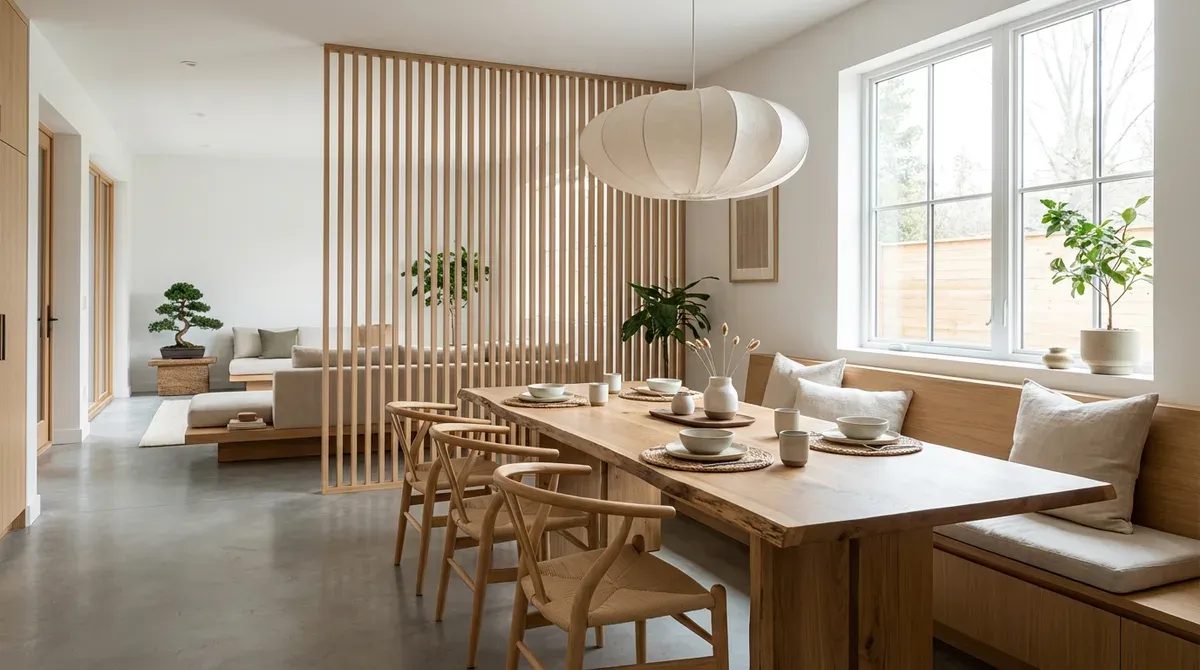
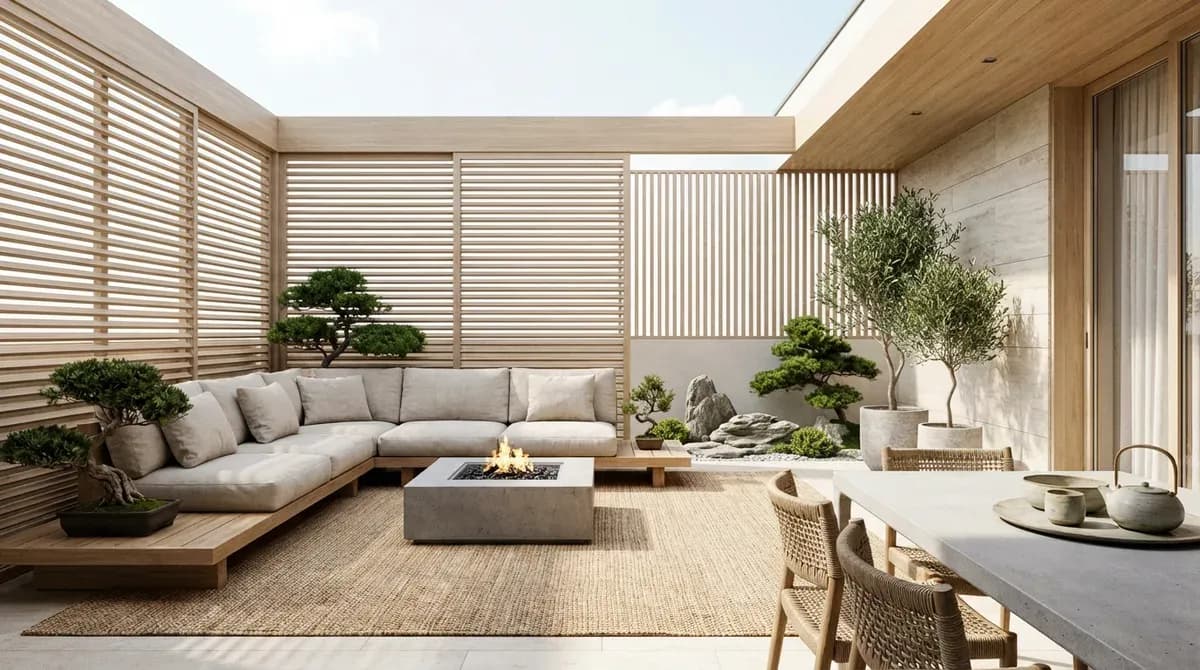
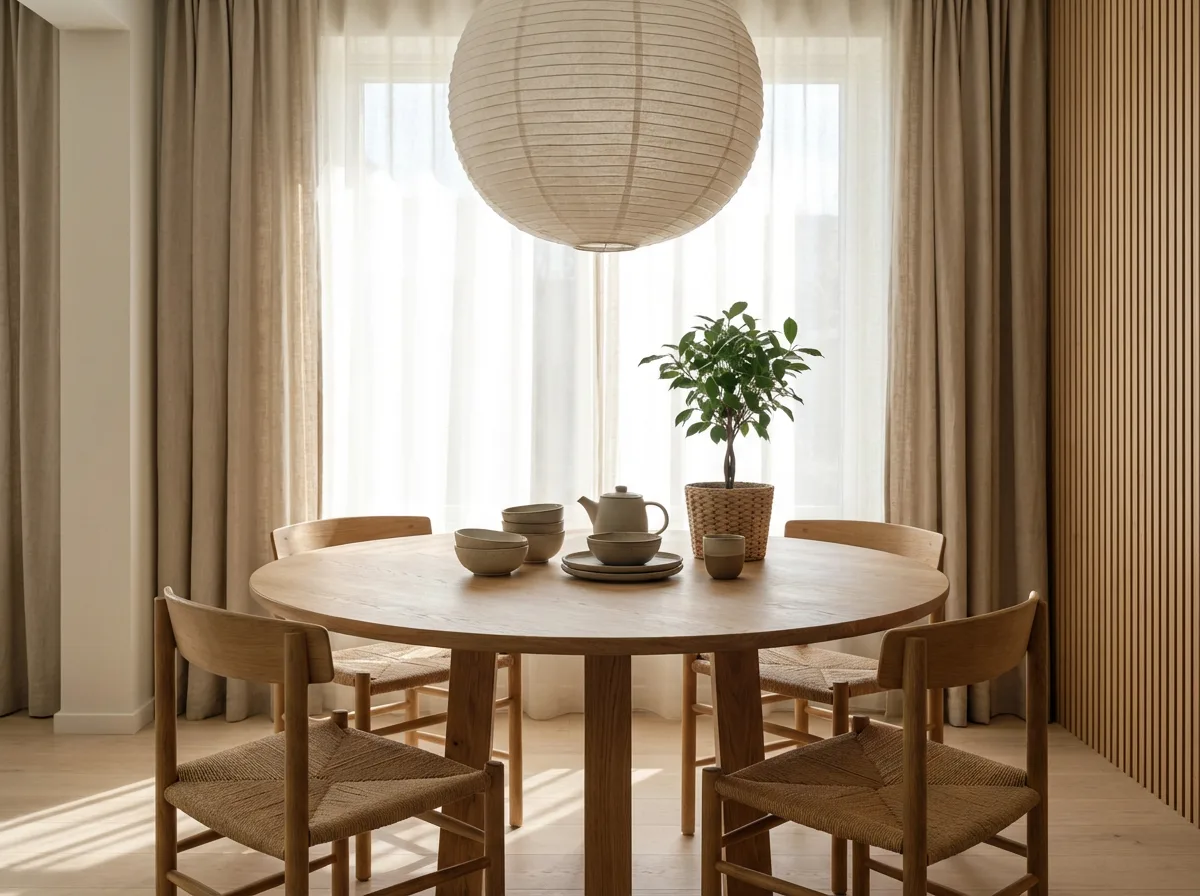
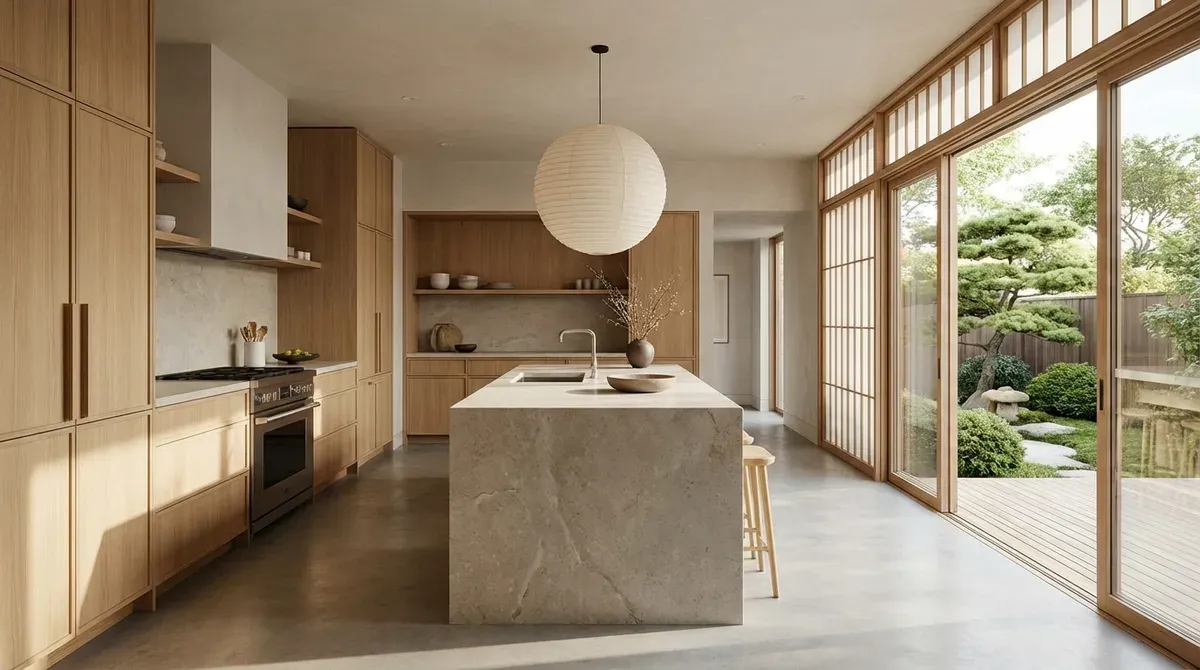
Japandi dining room interior

What Defines This Style

The key elements that make this interior design style unique.

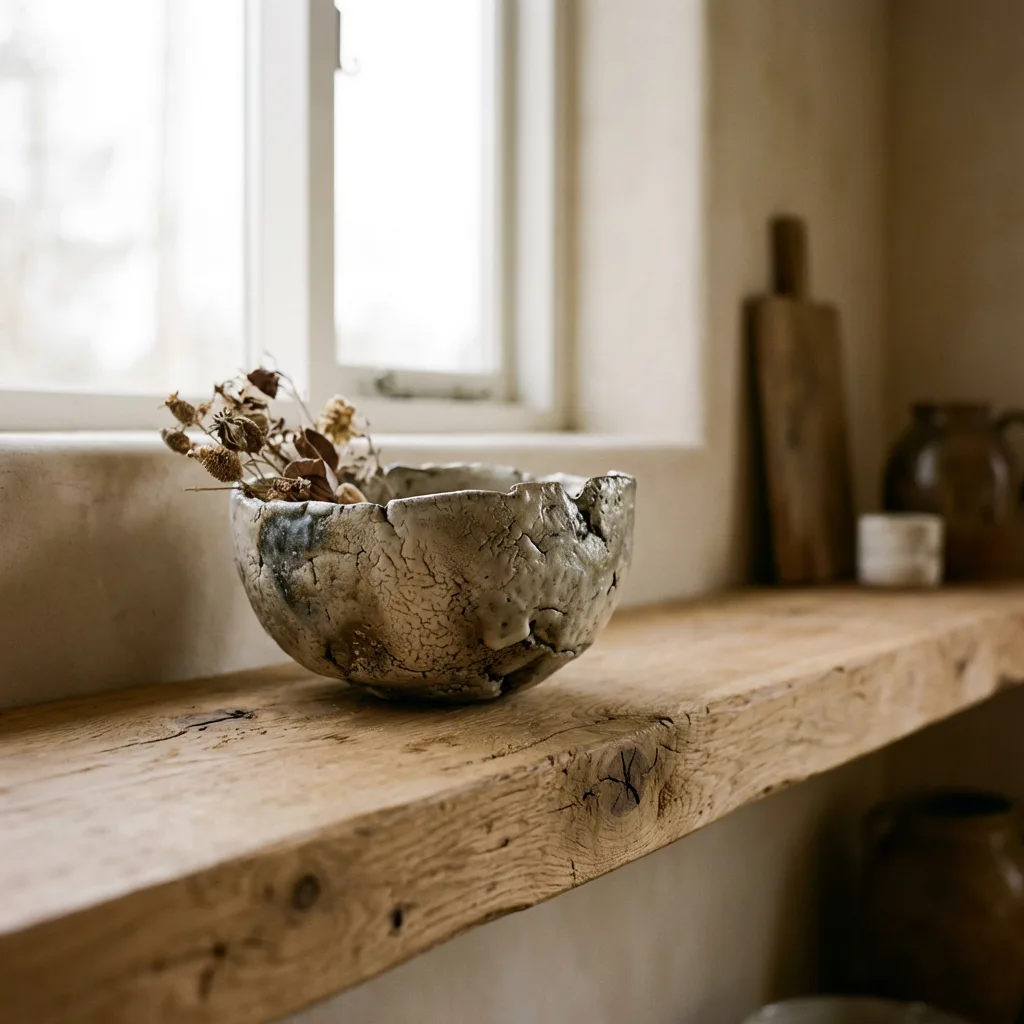
Wabi-Sabi Imperfection

Wabi-Sabi Imperfection

Embracing the beauty of natural imperfection — handmade ceramics, raw wood grain, and organic textures that add warmth without clutter.

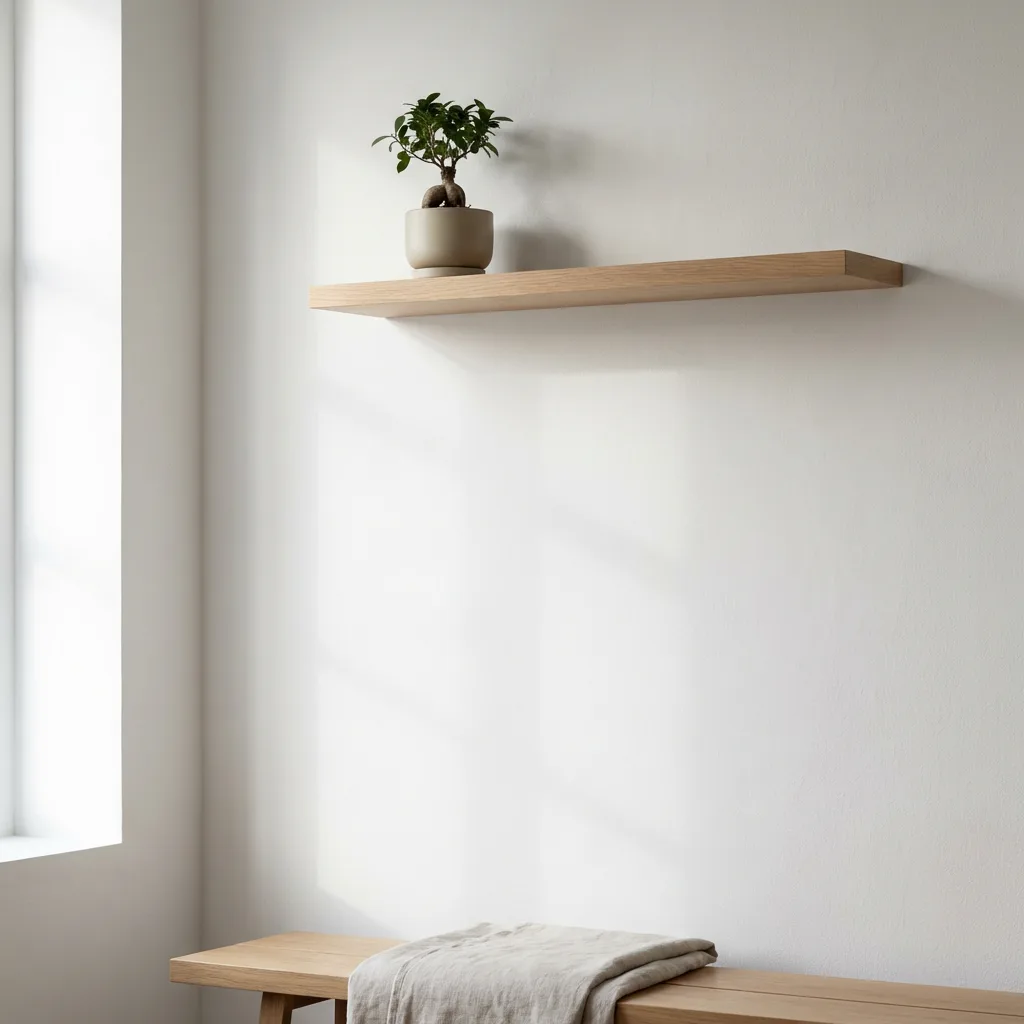
Functional Minimalism

Functional Minimalism

Every object serves a purpose. Negative space is deliberate, creating rooms that feel calm and intentionally curated.

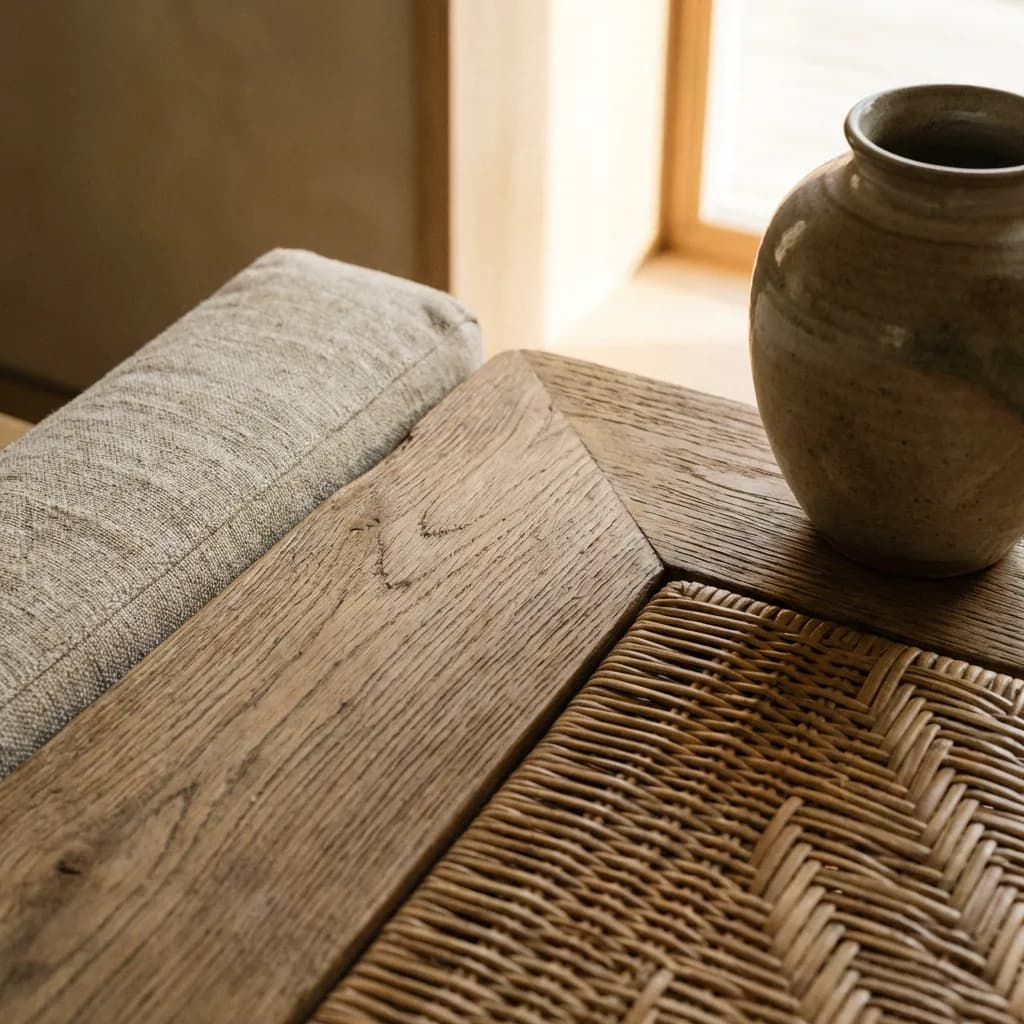
Natural Materials

Natural Materials

Oak, walnut, rattan, linen, and ceramic form the material palette — warm, tactile, and grounding.

Low-Profile Furniture

Low-Profile Furniture

Seating and tables sit close to the ground, inspired by Japanese floor-level living and Scandinavian clean lines.

The Color Palette

The signature colors that bring this style to life.

Warm White
Sand
Taupe
Warm Oak
Walnut
Charcoal

See the Transformation

Real results generated by RoomLift AI

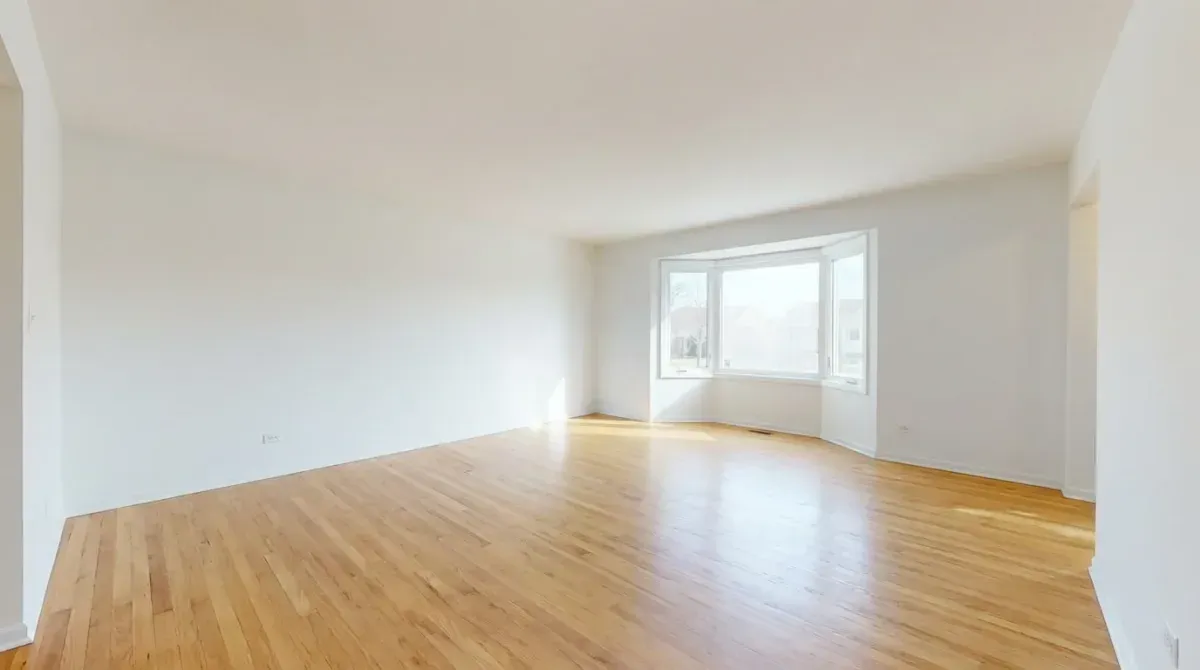
Before and after AI Japandi design transformation
BeforeAfter

Why Professionals Choose RoomLift

Authentic Japandi Aesthetic

Warm neutrals, wabi-sabi textures, low-profile furniture, and natural wood tones — all generated with precision. Every render reflects the true Japandi balance of Japanese zen and Scandinavian hygge.

Visualize Before You Renovate

Test how Japandi style would look in your actual space before spending on furniture or renovation. See the difference between light oak vs walnut tones, linen vs cotton textiles, and minimalist vs slightly layered arrangements.

Interior Designer Presentations

Present Japandi concepts to clients in minutes instead of days. Generate five room variations from a single photo and walk through each option in a single meeting.

Real Estate Staging

Japandi staging appeals to a wide buyer demographic — it photographs cleanly, feels aspirational, and avoids being too trendy. Stage empty rooms in Japandi style for listings that stand out.

Room-by-Room Consistency

Apply Japandi style consistently across living room, bedroom, kitchen, and dining room. Maintain cohesive palette and material choices throughout the entire home.

No Design Skills Required

Upload a photo of any room and select the Japandi style. The AI analyzes spatial dimensions, natural light, and existing architecture to place furniture, textures, and decor correctly.

Why Japandi Has Become the Defining Interior Style of the Decade

Japandi emerged from a shared philosophy between Japan and Scandinavia: that good design is inseparable from function, and that beauty lives in restraint. In an era of visual overstimulation, Japandi rooms feel like a deep breath — calm, ordered, and intentionally considered.

According to Pinterest trend reports, Japandi has been among the top searched interior styles for three consecutive years. Interior designers report it as their most-requested aesthetic from clients across all demographics. It works in apartments, family homes, and commercial spaces alike.

The Core Elements of Japandi Style

Authentic Japandi interiors share a consistent vocabulary: warm neutral palettes (warm white, cream, sand, taupe, charcoal), natural materials (oak, walnut, rattan, ceramic, linen), low-profile furniture with clean lines, and deliberate negative space. Clutter is eliminated not by hiding things away, but by owning fewer things that are better made.

The Japanese concept of wabi-sabi — appreciating the beauty of imperfection — adds organic texture: a slightly uneven ceramic vase, a linen throw with natural creases, a timber floor that shows its grain. This keeps Japandi from feeling sterile, which pure minimalism sometimes does.

For Interior Designers

Japandi is one of the most difficult styles to communicate in mood boards because its appeal is tactile and atmospheric. AI room renders solve this problem — clients can see exactly how a muted oak sideboard contrasts with a warm white wall, or how a woven rattan pendant light changes the character of a room.

Traditional 3D Japandi renders cost $200–500 per room and take 2–5 days. RoomLift generates photorealistic alternatives in under 60 seconds at $1–5 per image, letting designers present multiple Japandi variations — different wood tones, textile choices, furniture arrangements — in a single client session.

For Real Estate Agents and Developers

Japandi staging is a strategic choice for listings targeting urban professionals and design-conscious buyers. The style photographs exceptionally well: clean lines, soft textures, and natural light all translate cleanly to listing photos. Unlike trend-heavy styles, Japandi avoids alienating buyers who prefer classic or modern aesthetics.

Properties with high-quality staged photos sell 73% faster according to the National Association of Realtors. AI Japandi staging delivers this advantage at roughly 1/100th the cost of physical staging.

For Homeowners Planning a Renovation

Before committing to a Japandi renovation — new flooring, furniture purchases, paint colors — see exactly how the style will look in your actual space. Test warm oak vs cool walnut tones. Compare linen-white walls vs warm greige. See whether your room's proportions suit low furniture or benefit from taller storage.
Frequently Asked Questions

Everything you need to know about RoomLift — for designers, agents, and anyone transforming spaces with AI.

What is Japandi interior design?
Japandi is a hybrid interior design style that merges Japanese minimalism with Scandinavian simplicity. It combines the Japanese concept of wabi-sabi (finding beauty in imperfection) with the Scandinavian principle of hygge (cozy functionality). The result is a calm, uncluttered aesthetic using natural materials like wood, linen, rattan, and ceramics in a muted palette of warm whites, beiges, warm grays, and black.
How accurate is AI Japandi design?
RoomLift AI produces photorealistic Japandi room renders that accurately reflect the style's key elements: low-profile furniture, natural textures, restrained color palette, and minimalist decor. Results are suitable for client presentations and design concept boards.
What rooms work best for Japandi style?
Japandi works particularly well in living rooms, bedrooms, and home offices — spaces where calm and functionality matter most. Kitchens can be rendered in Japandi style with handleless cabinetry, stone or wood countertops, and open shelving.
Can I use Japandi AI renders for real estate listings?
Yes. Japandi-staged rooms photograph cleanly and appeal to a broad buyer demographic. Most MLSs require disclosure that photos have been digitally enhanced. AI-staged listing photos typically increase buyer engagement and reduce days on market.
What is the difference between Japandi and Scandinavian design?
Scandinavian design emphasizes functionality and light with slightly more color and pattern. Japandi layers in the Japanese influence — wabi-sabi imperfection, darker wood tones, and a slightly more austere, contemplative feel. Japandi palettes tend to be warmer and more grounded than pure Scandinavian interiors.
How do I try AI Japandi design for free?
RoomLift includes 10 free renders when you sign up. Upload a photo of any room, select the Japandi style, and get a photorealistic result in under 60 seconds. No credit card required.

Explore More Interior Styles

Discover other design aesthetics you can visualize with AI.

Start designing for free

No credit card required. 10 free renders included.