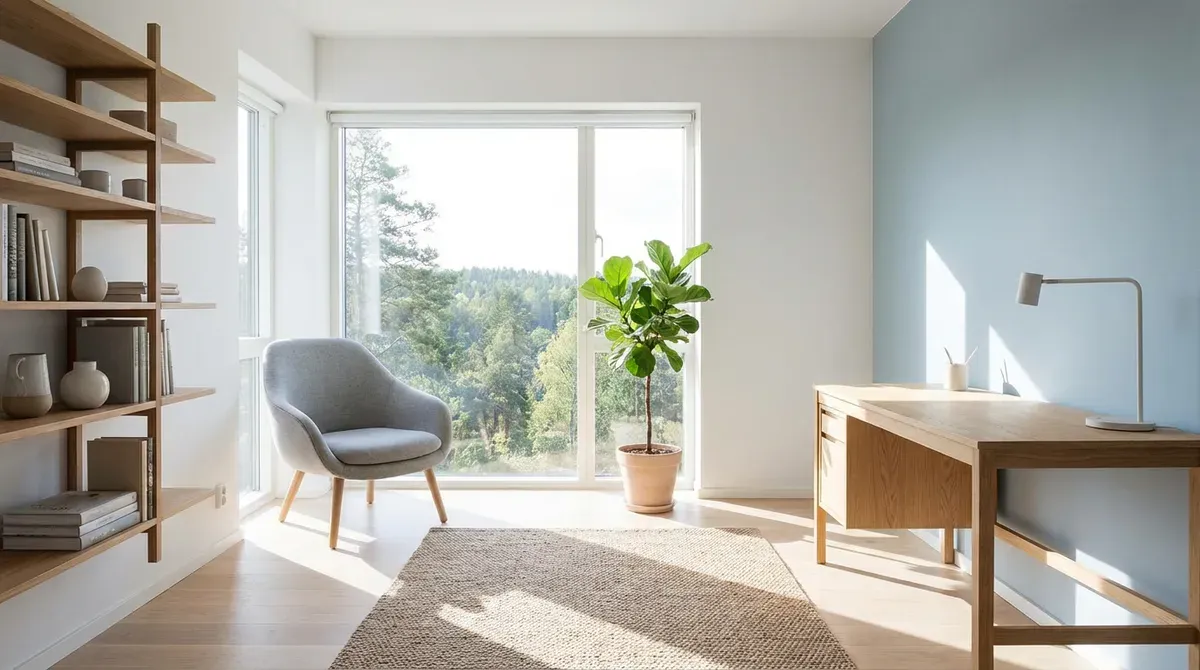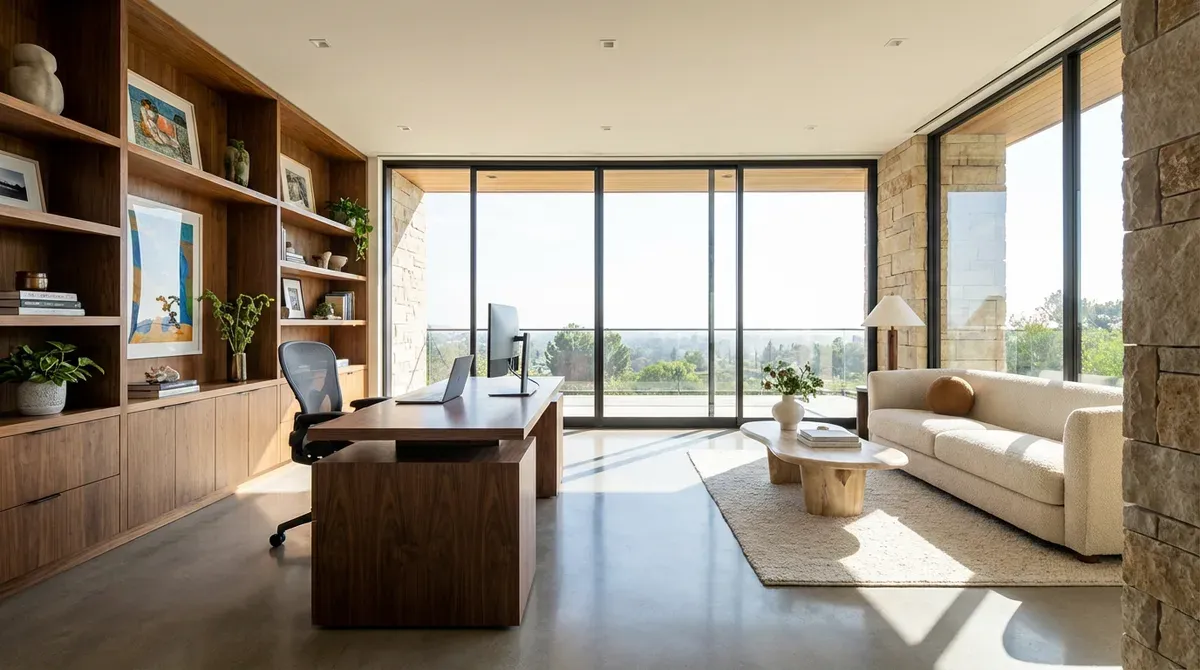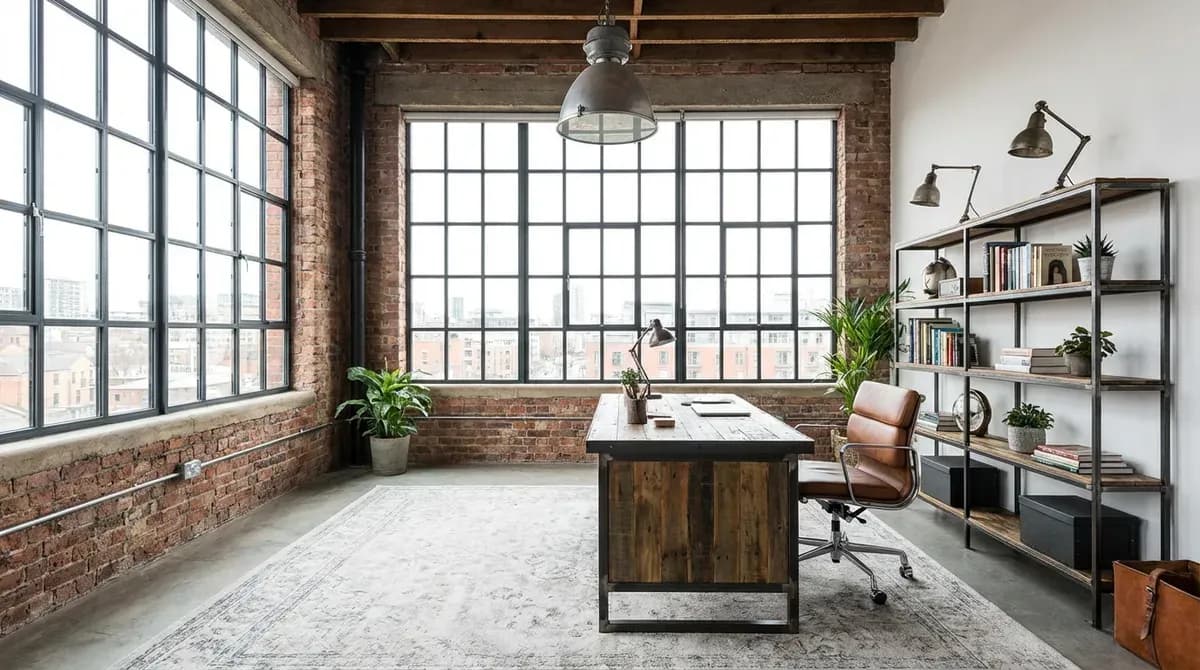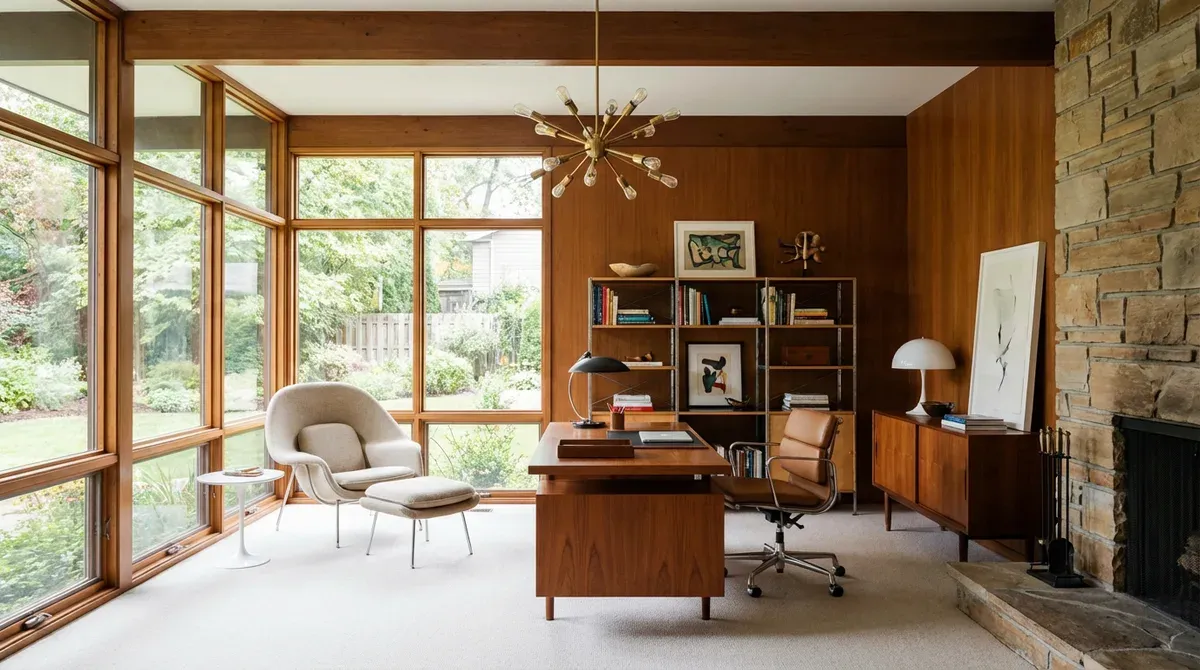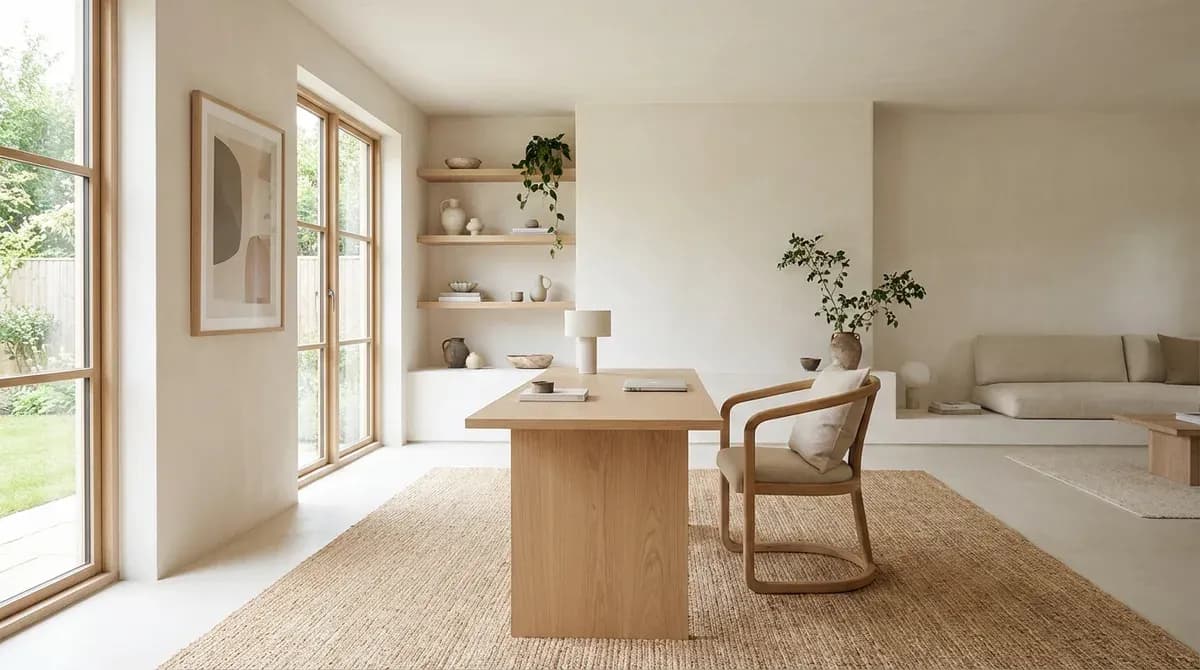

A Japandi home office is a quiet rebellion against the chaos of modern work. Where conventional offices pile up monitors, sticky notes, and wire nests, this workspace strips back to a single beautiful desk, a comfortable chair, and the tools of your current task. The philosophy is borrowed from the Japanese concept of ichigo ichie — one moment, one encounter — applied to focused work.
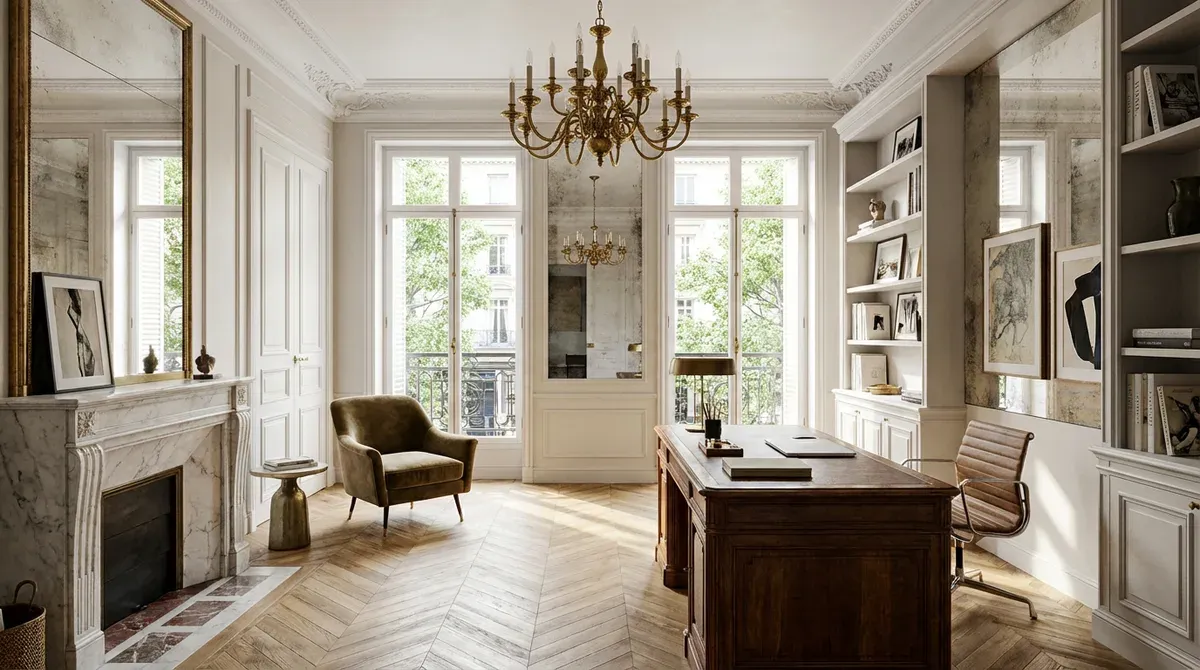
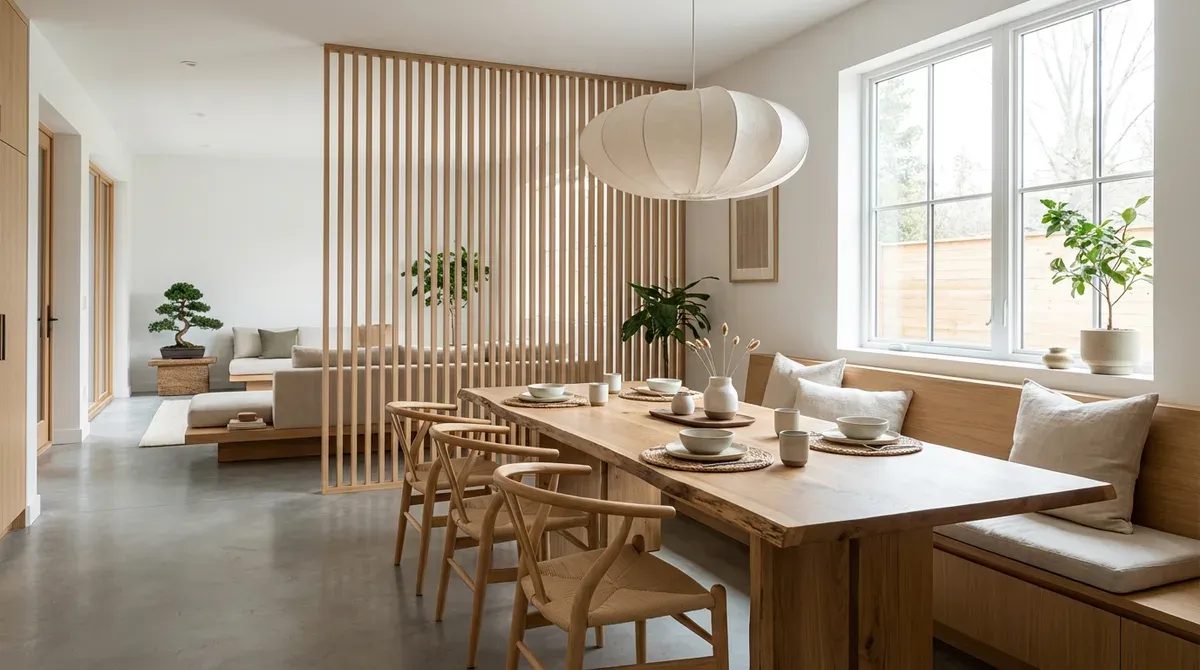
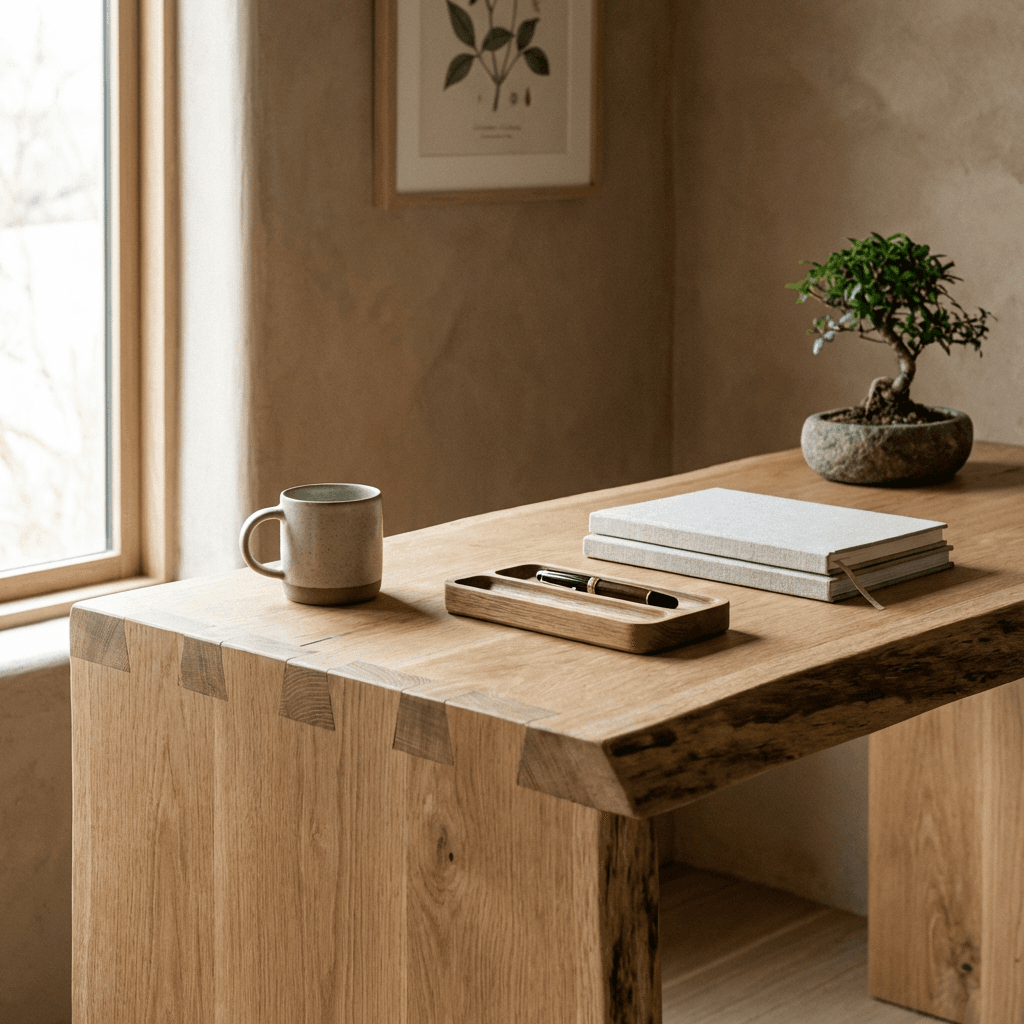
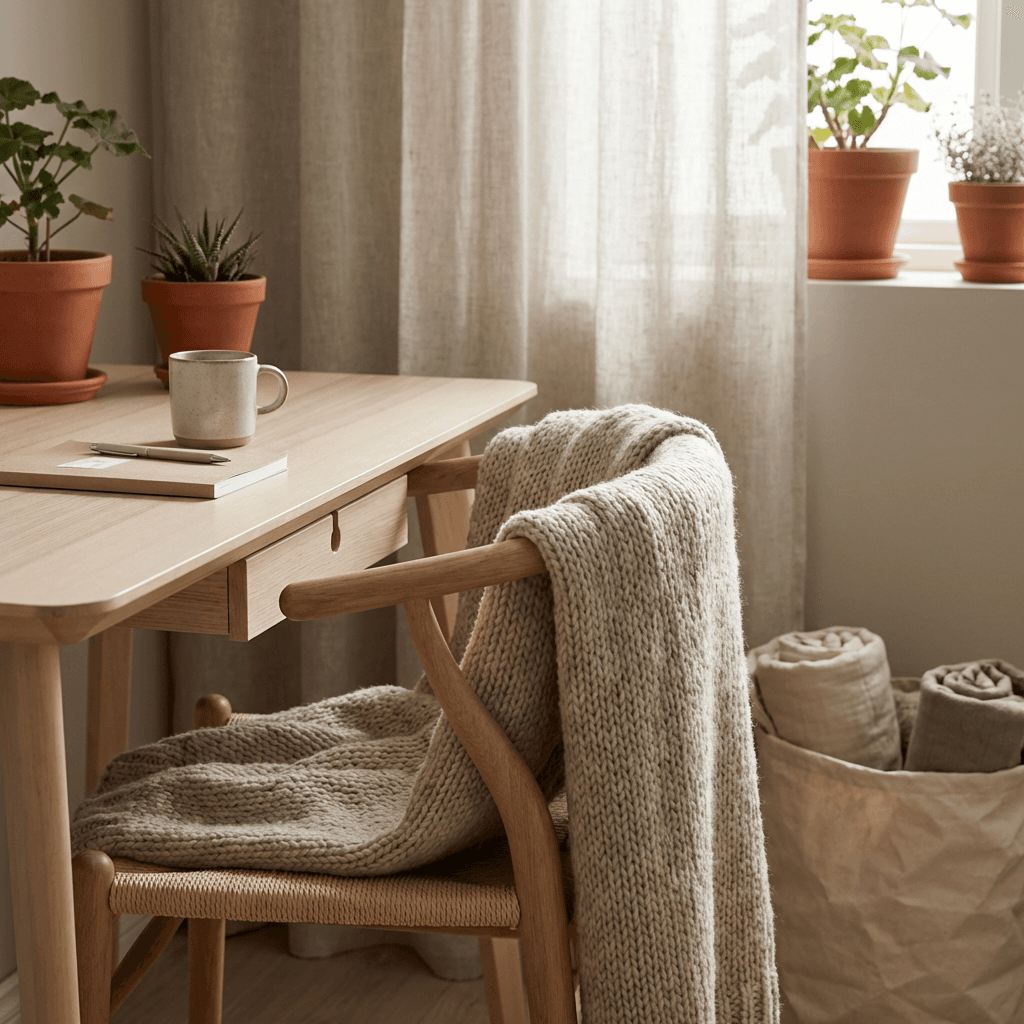
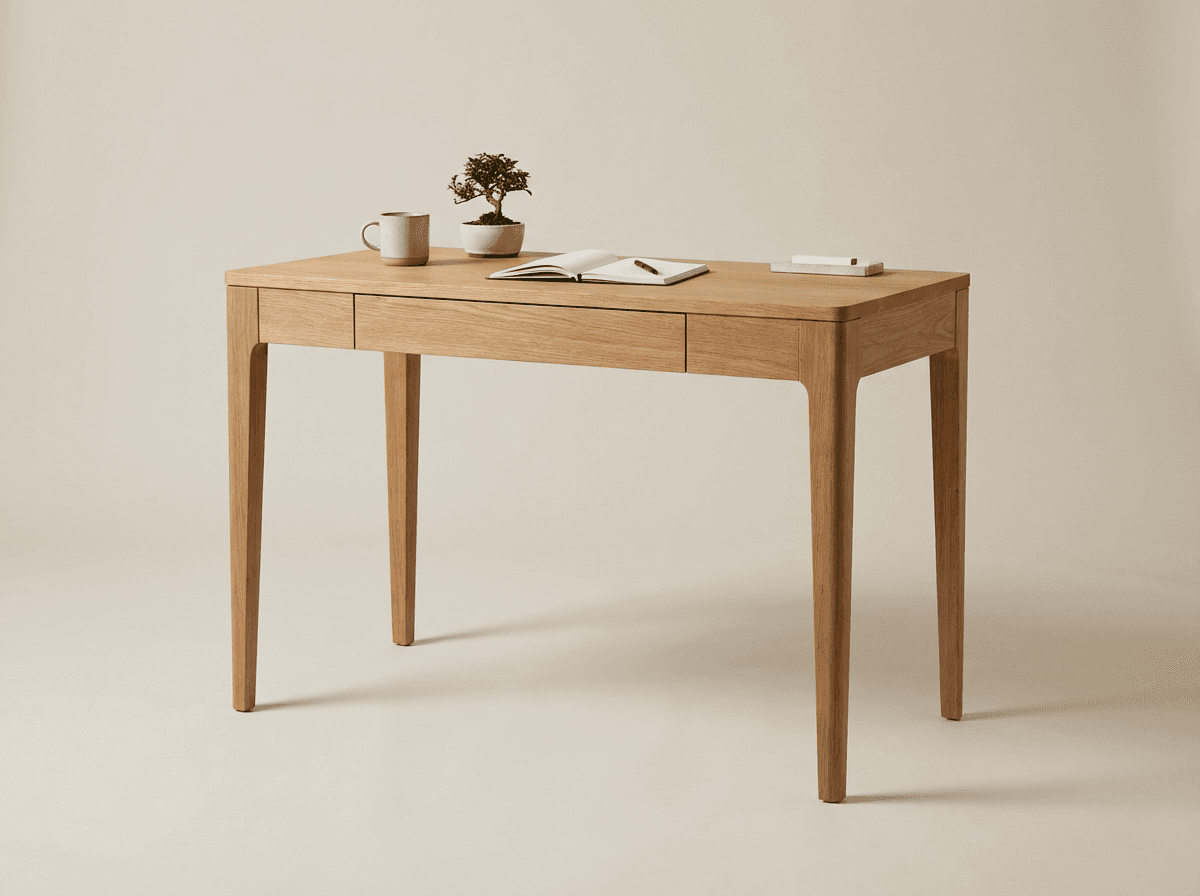
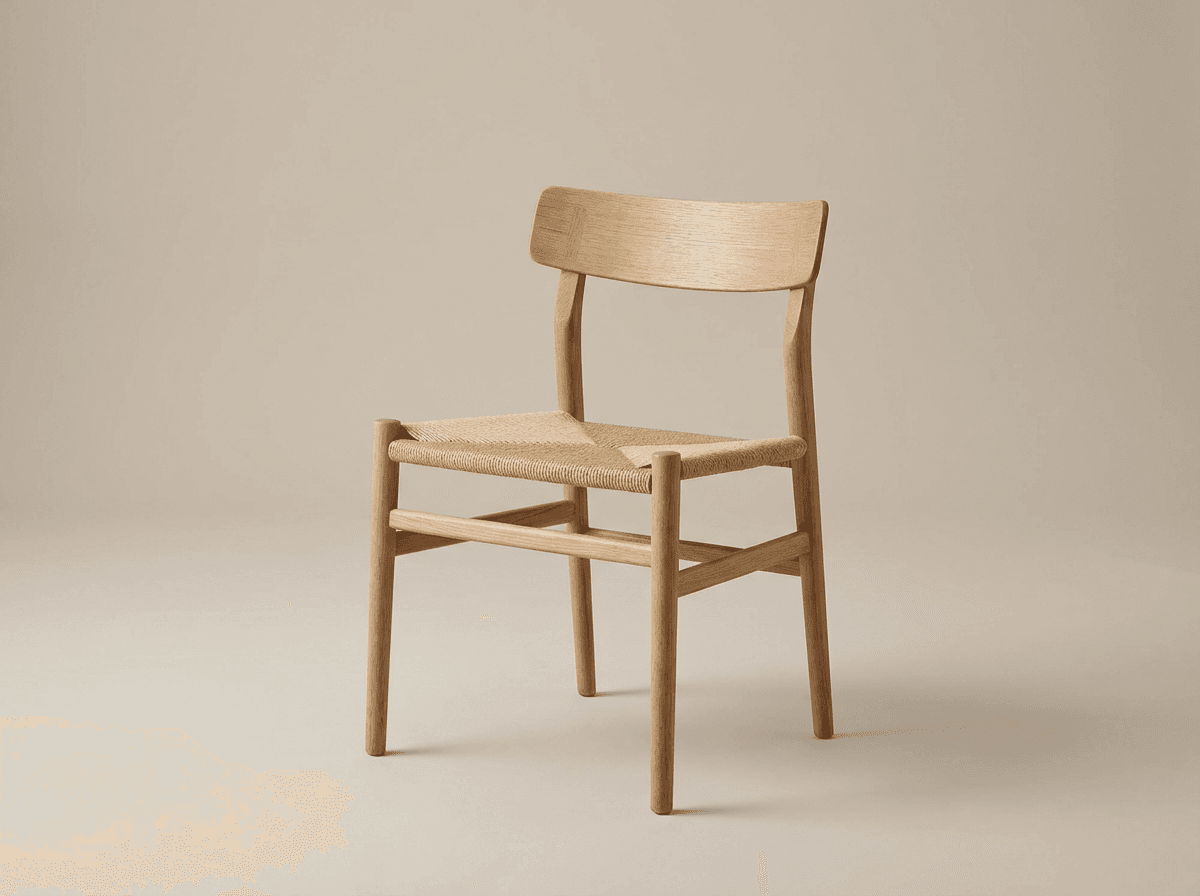
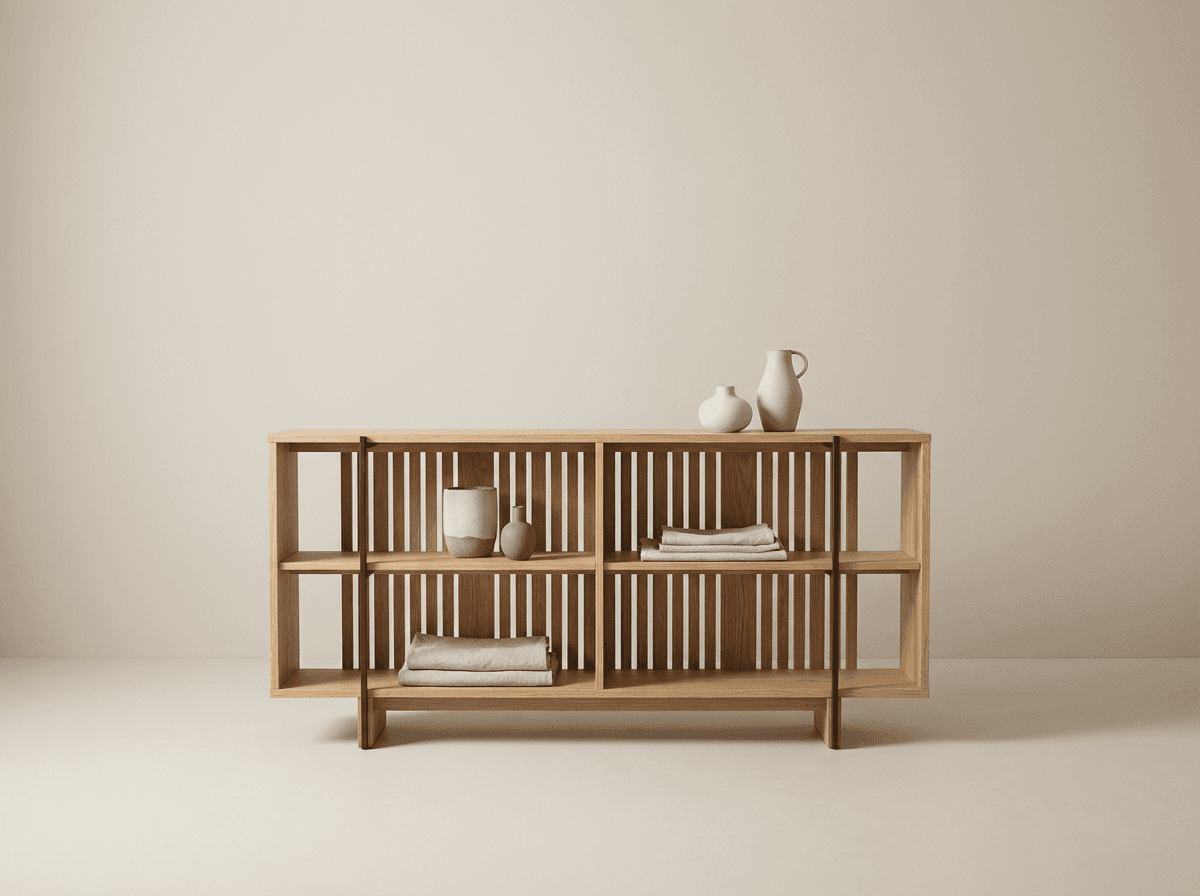
The desk itself is a piece of furniture you could pass down. Solid wood, visible joinery, a surface that develops a gentle patina from years of notebooks and coffee cups. The chair is wooden with a woven seat — no ergonomic mesh or pneumatic cylinders — though a linen cushion ensures comfort during long sessions. Behind you, a low bookshelf holds only the volumes you reference regularly, with space between them for air and light.
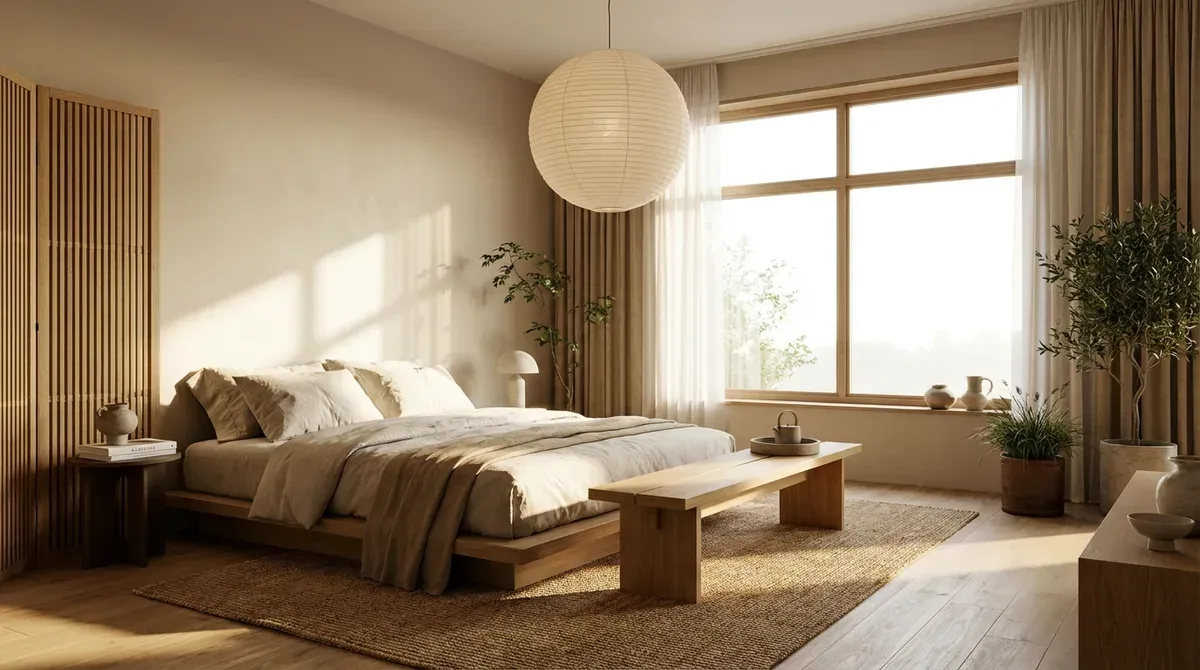
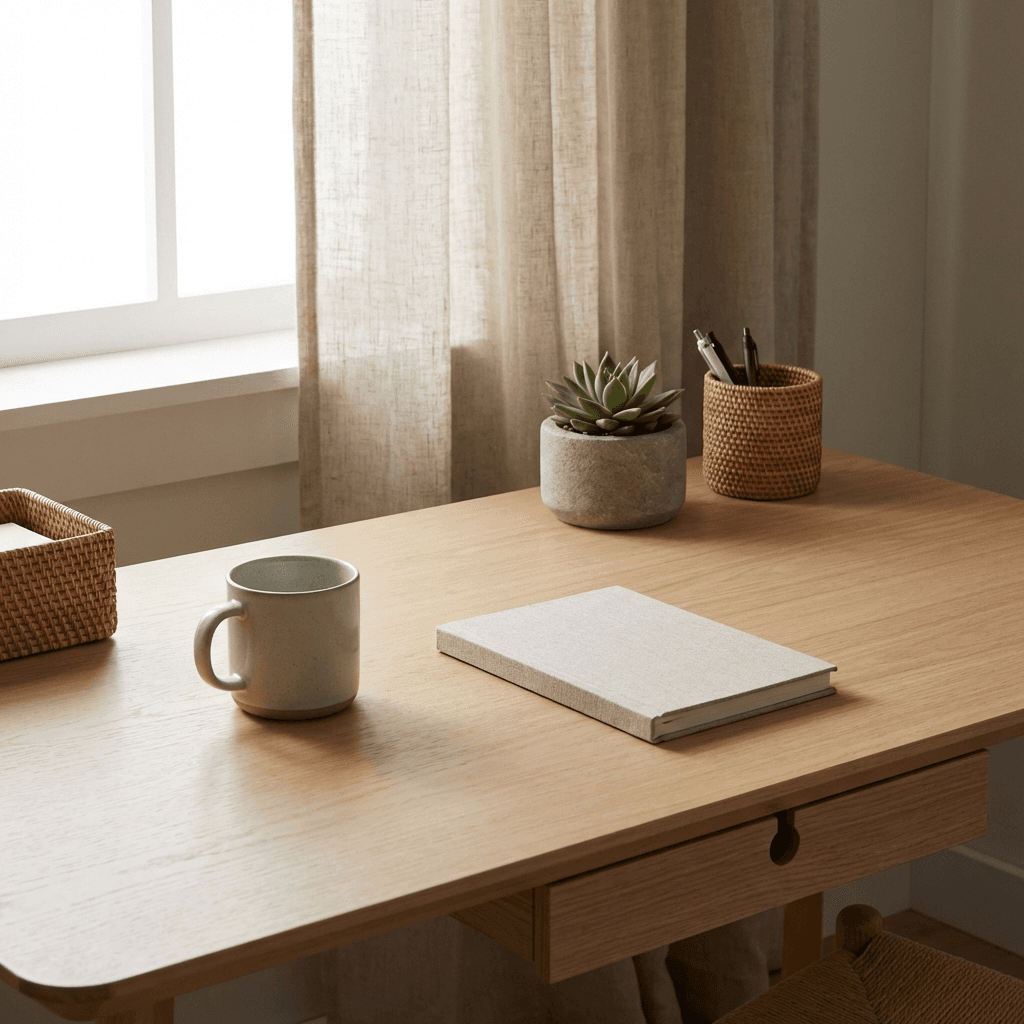
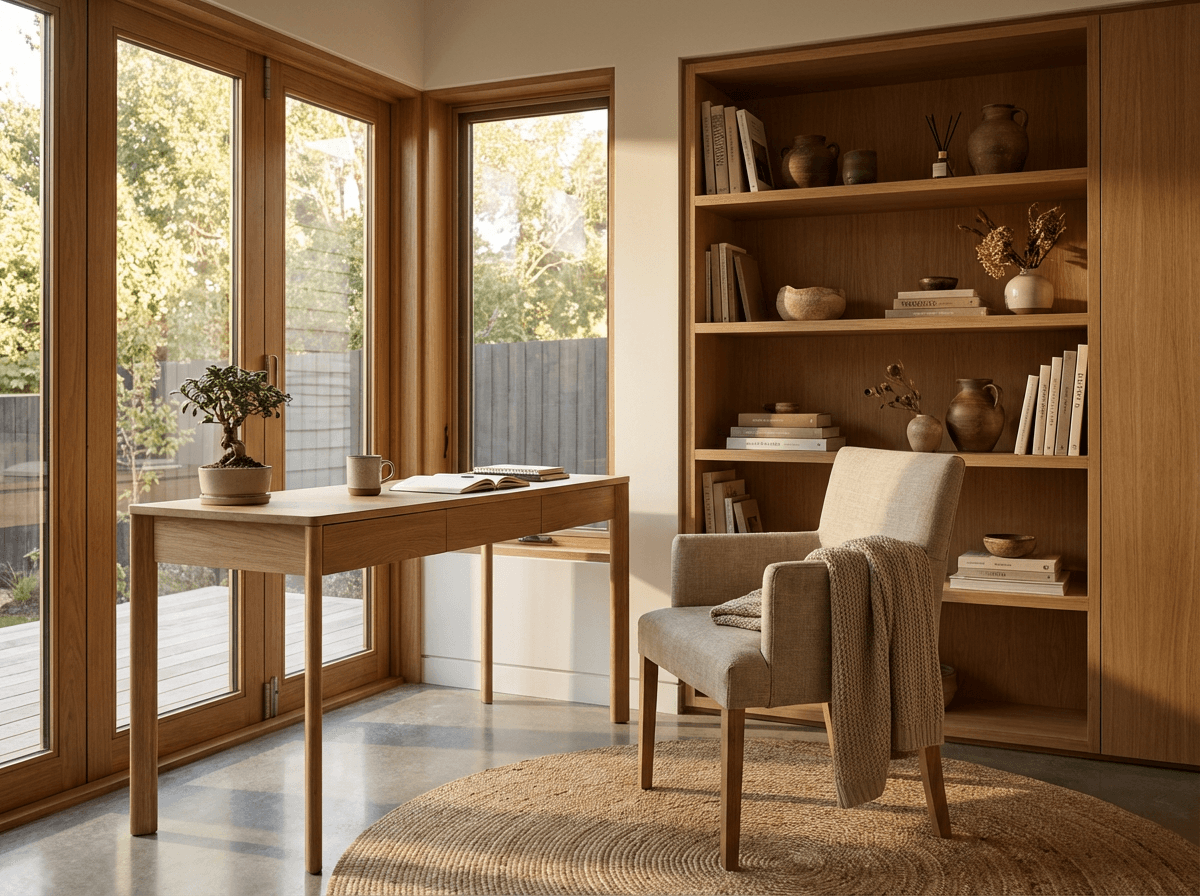
The room's atmosphere supports deep work: warm, diffused light that reduces screen glare, a wool rug that absorbs keyboard clicks, and a linen curtain that softens the window. When the workday ends and you clear the desk to bare wood, the room transforms back into a contemplative space — a small Japandi room that happens to be where you earn your living.