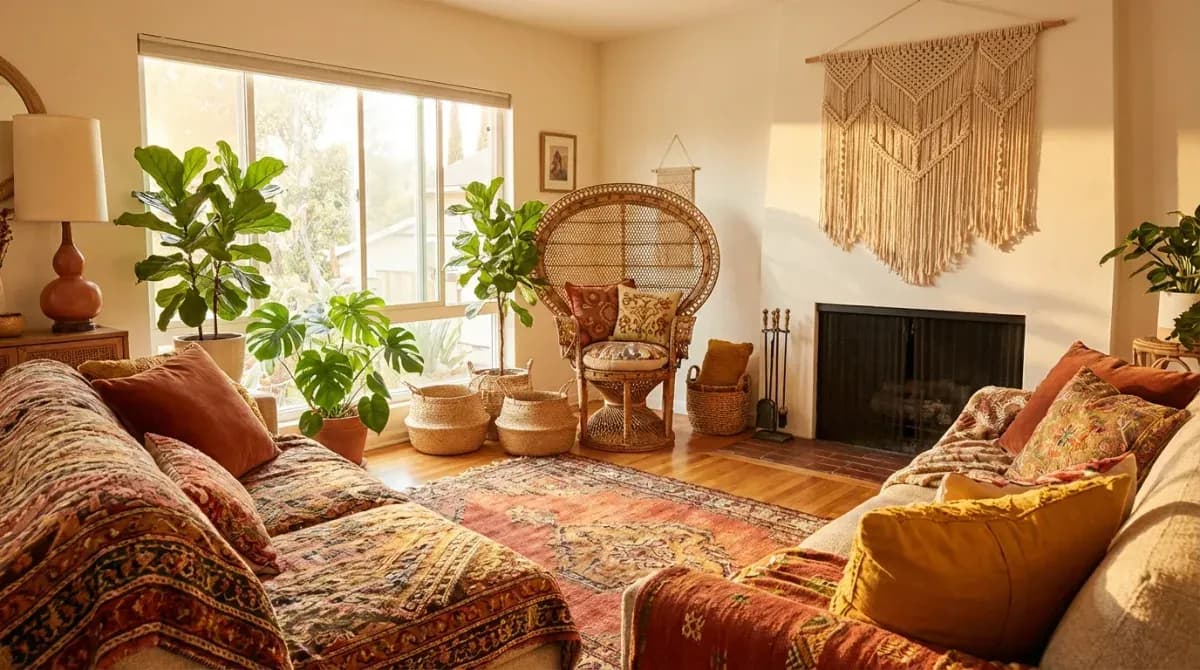
Why Bohemian Interior Design Endures as a Beloved Style
Bohemian design is the antithesis of trend-following. It emerged from the countercultural movements of the 1960s and 1970s as a rejection of the homogenized, corporate aesthetic — instead celebrating personal history, global craft traditions, and the accumulated beauty of objects that mean something to the people who live with them.
According to Pinterest, "boho living room" and related search terms have consistently ranked among the top interior design searches for over five years. The style has particular resonance with younger homeowners who want spaces that reflect their identity rather than a catalog aesthetic. Boho's popularity has only grown as mass-produced "fast furniture" becomes more pervasive — the authentic, handmade quality of boho elements feels increasingly valuable.
The Elements That Define Boho Interior Design
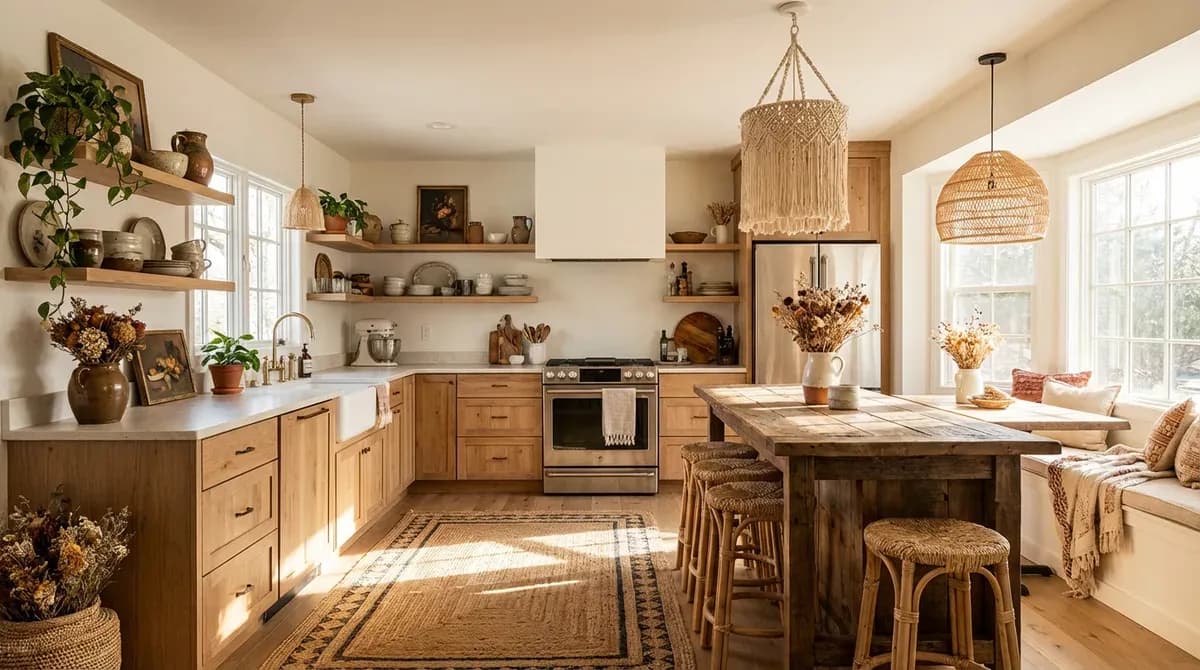
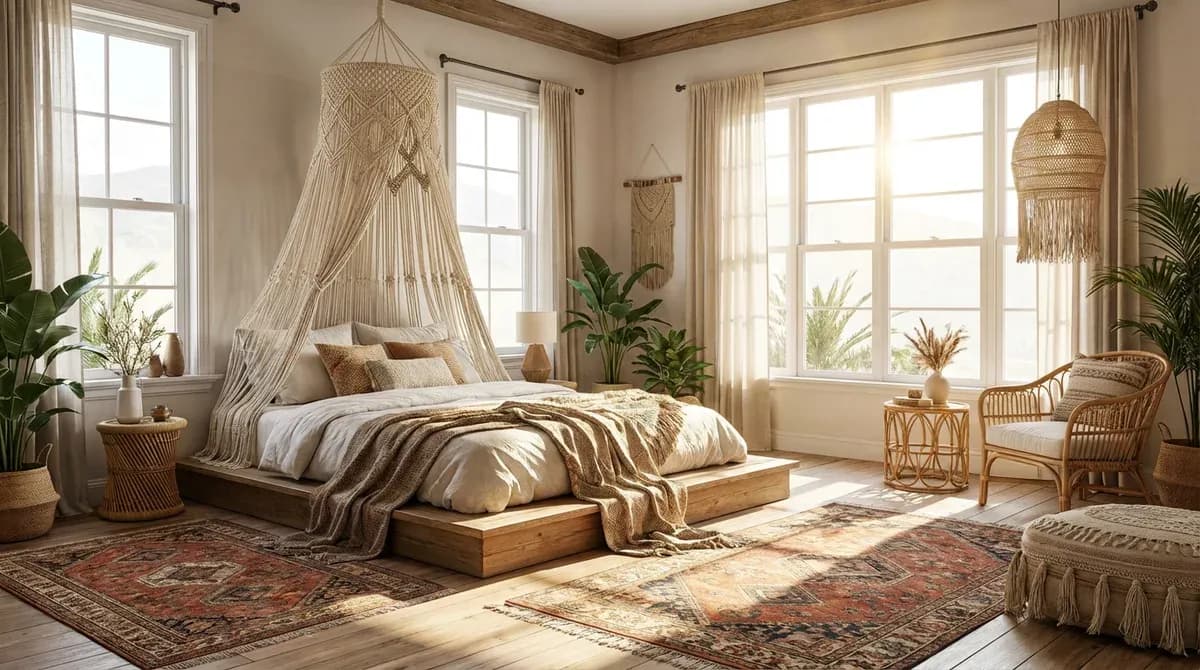
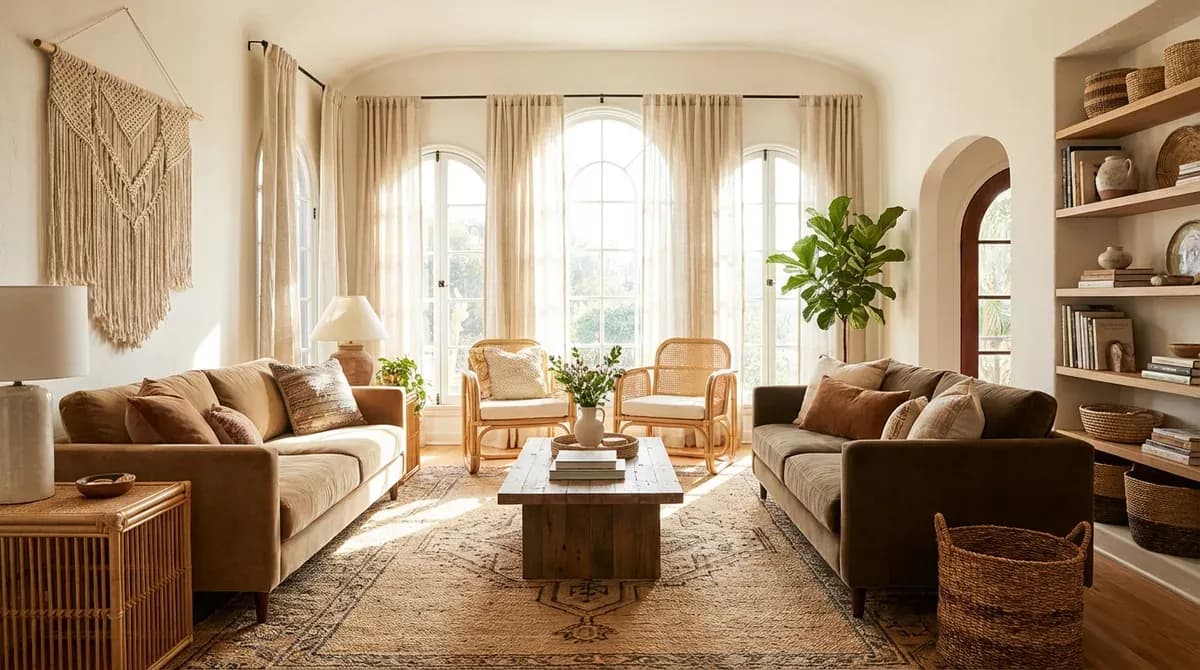
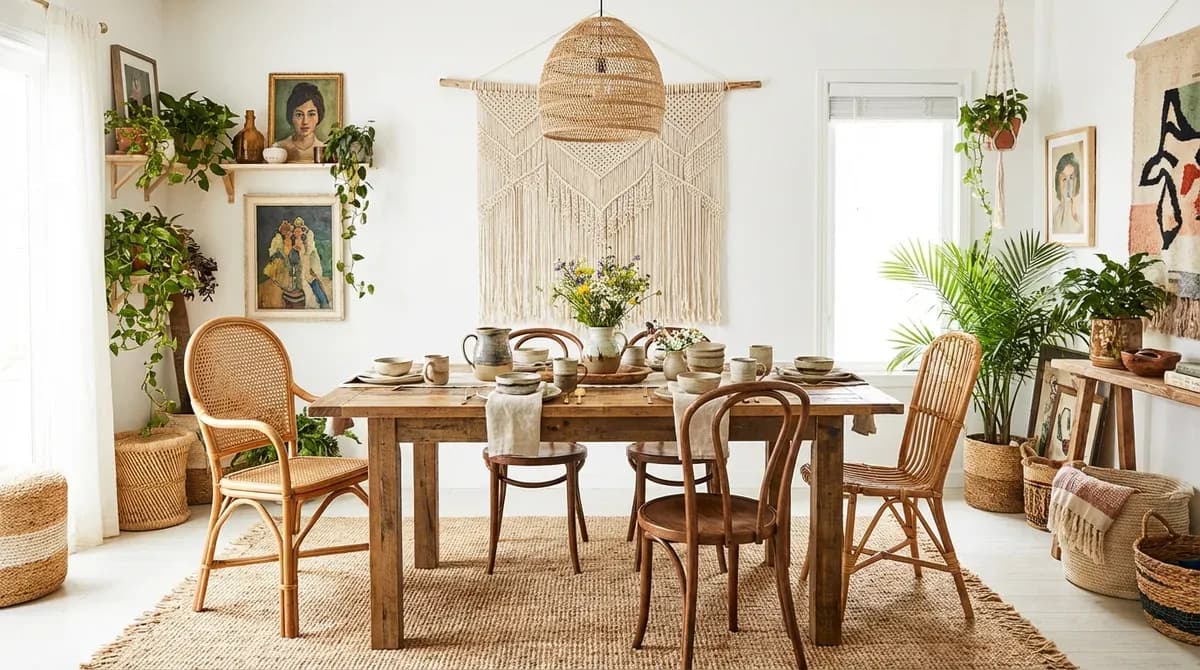
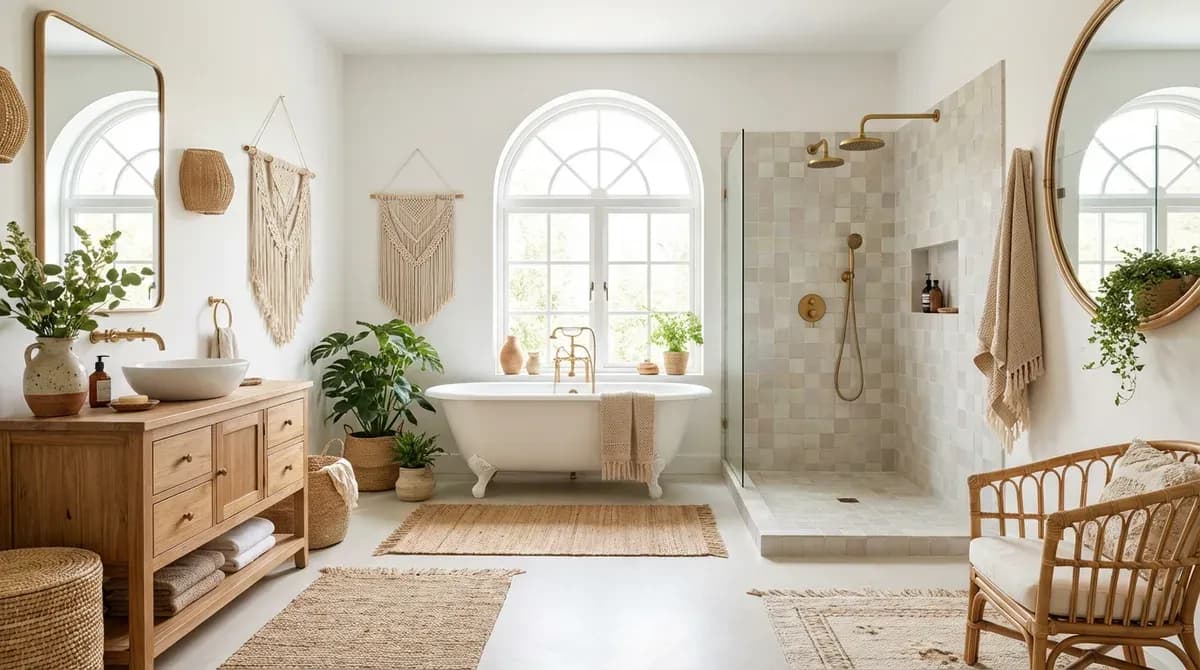
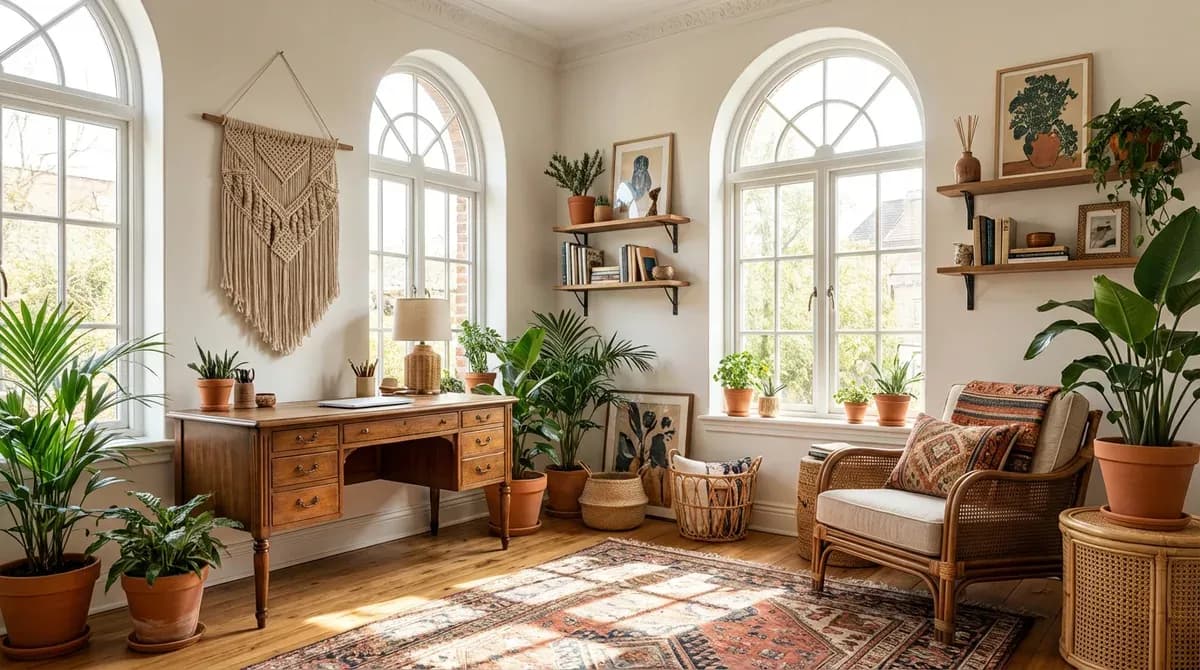
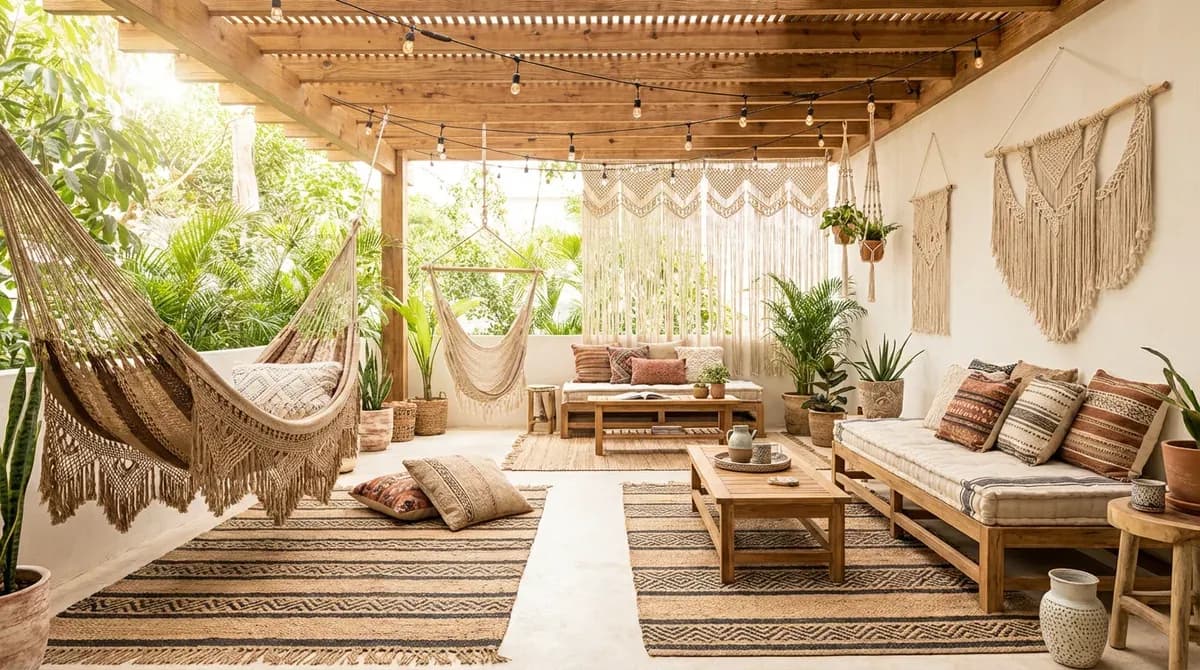
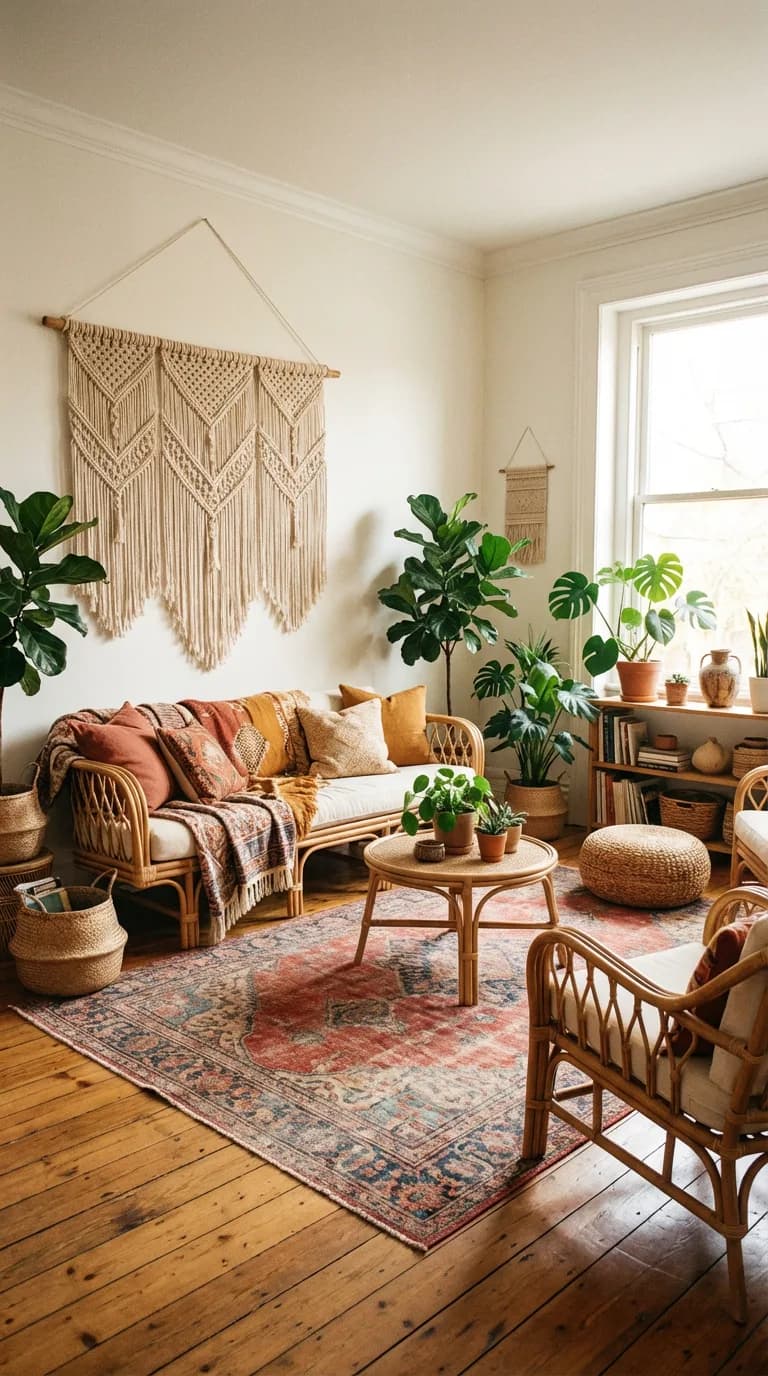
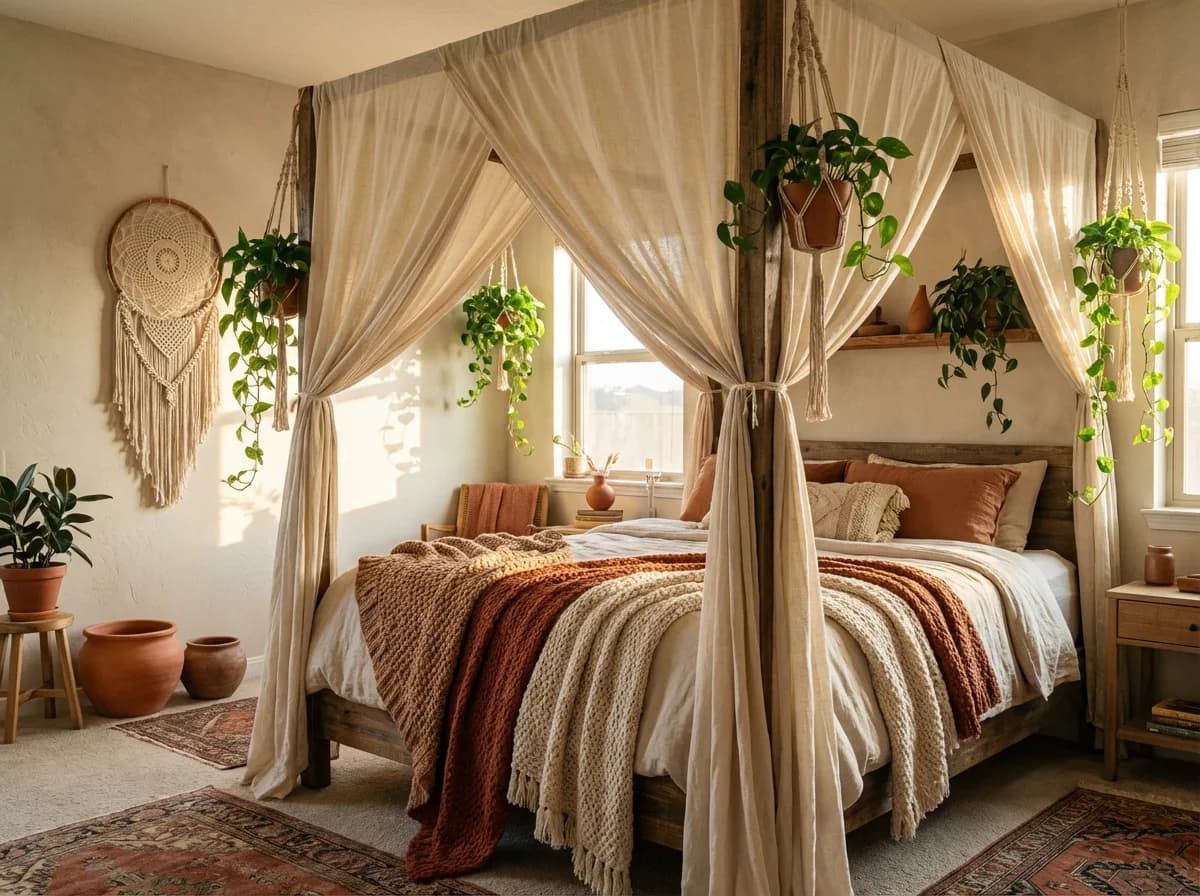
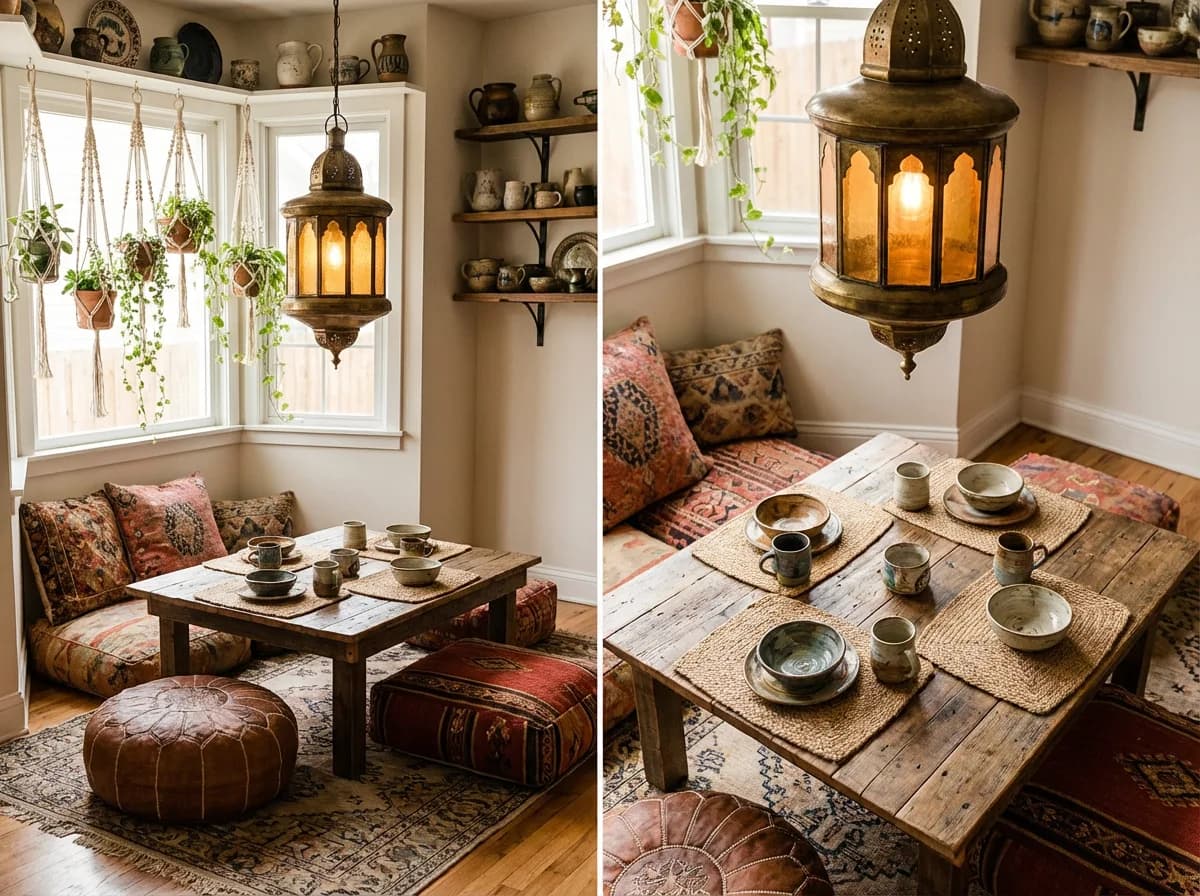
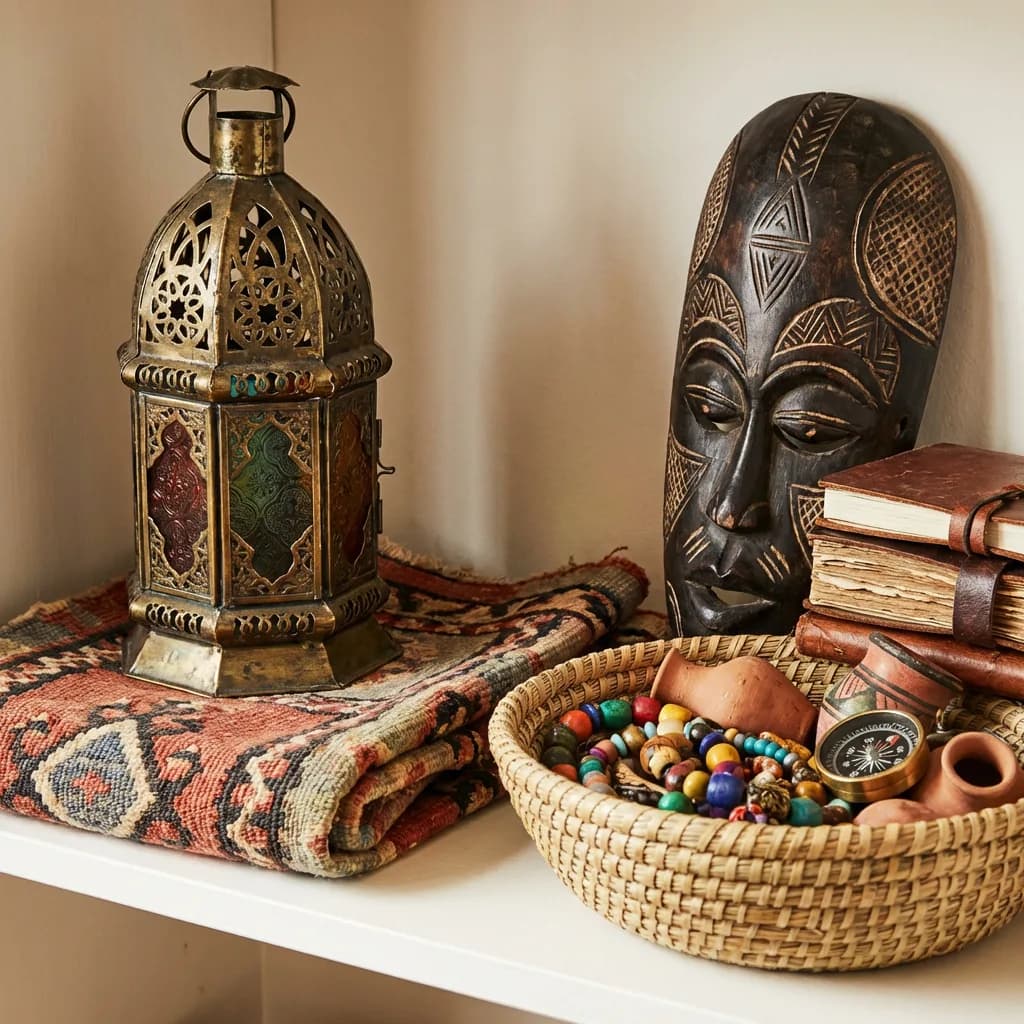
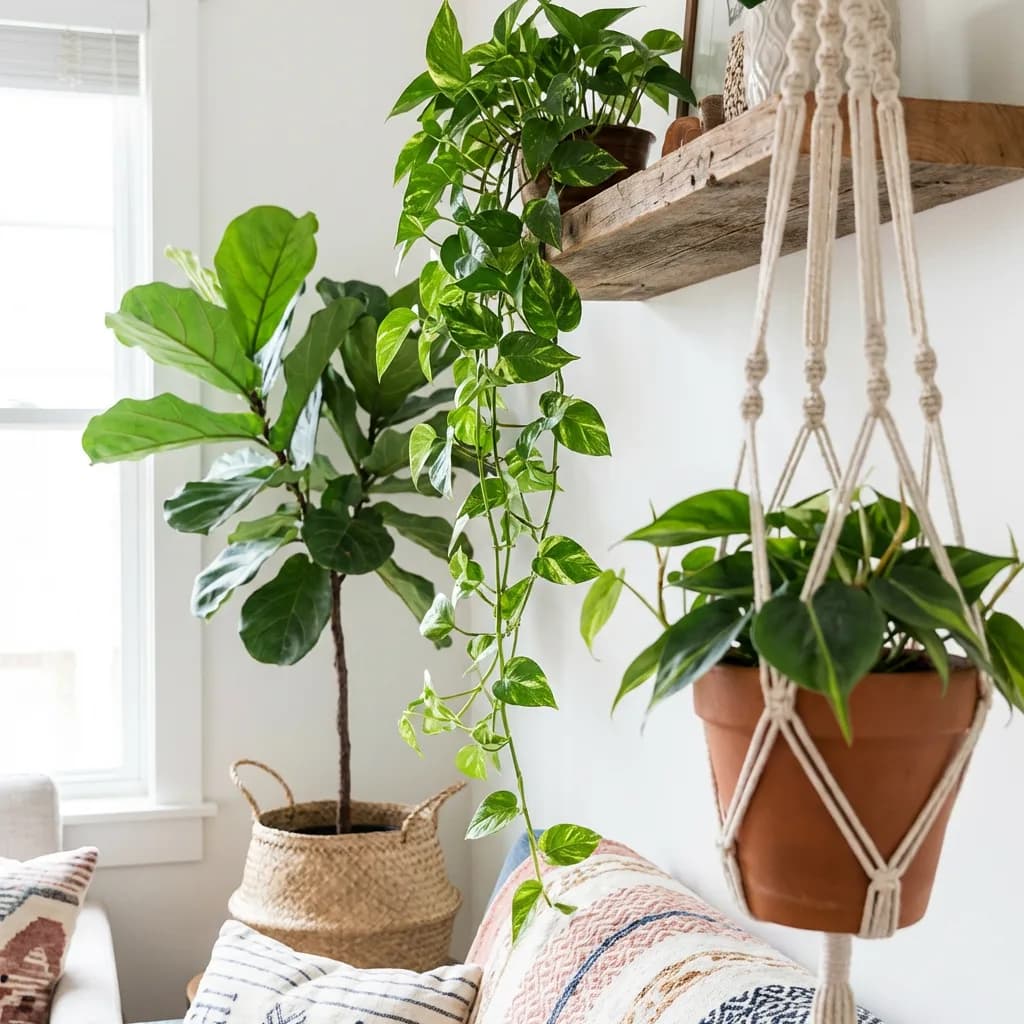
Authentic bohemian interiors are built on layering: multiple rugs stacked over each other, clusters of plants at different heights, walls covered in an eclectic mix of art and textiles, and surfaces arranged with objects from different cultures and time periods. The overall effect should feel rich and personal, not chaotic.
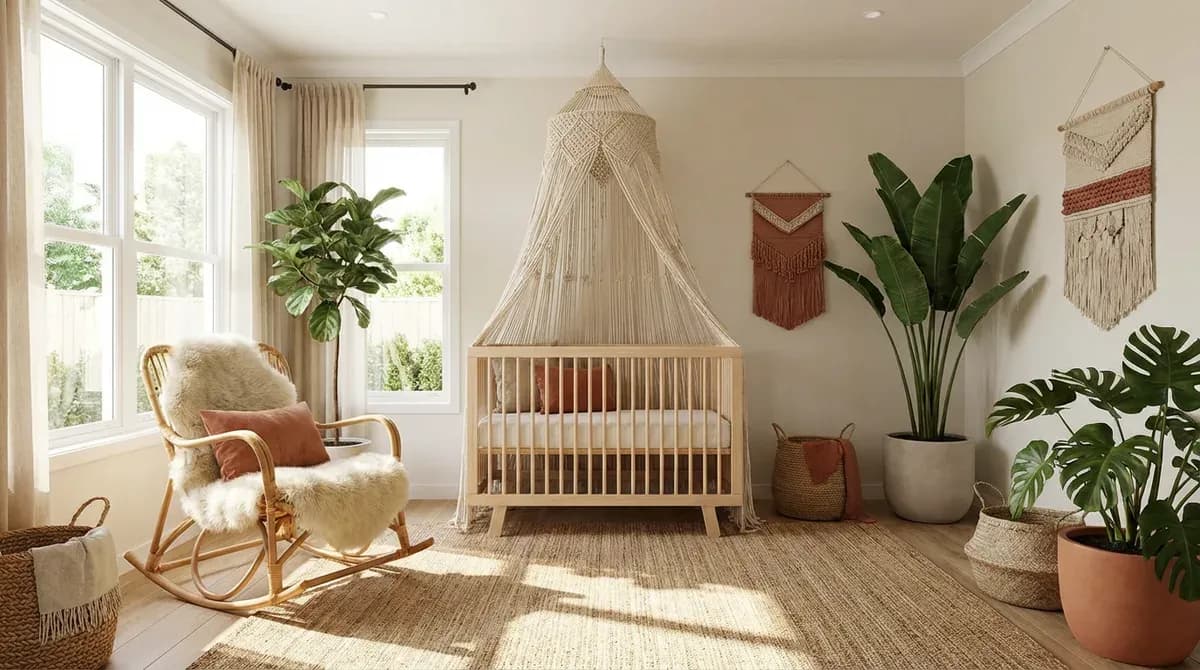
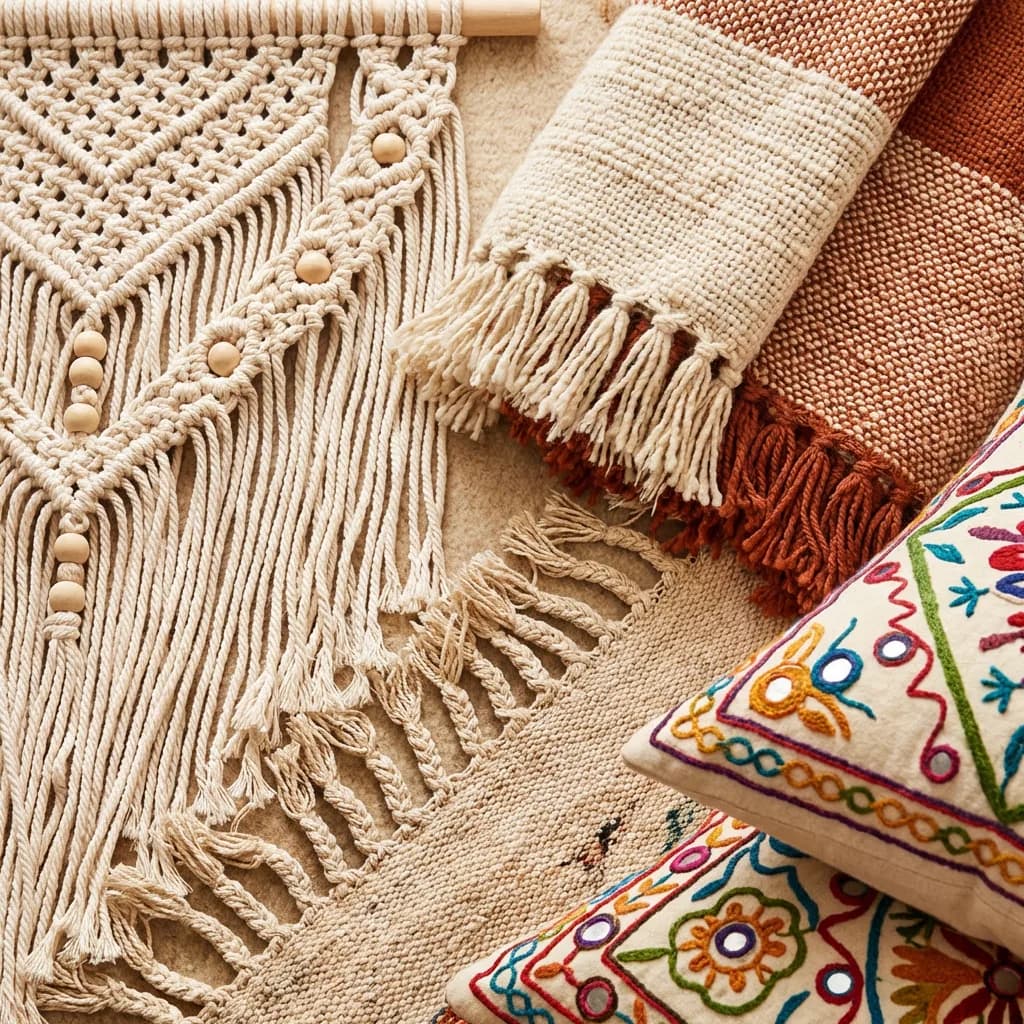
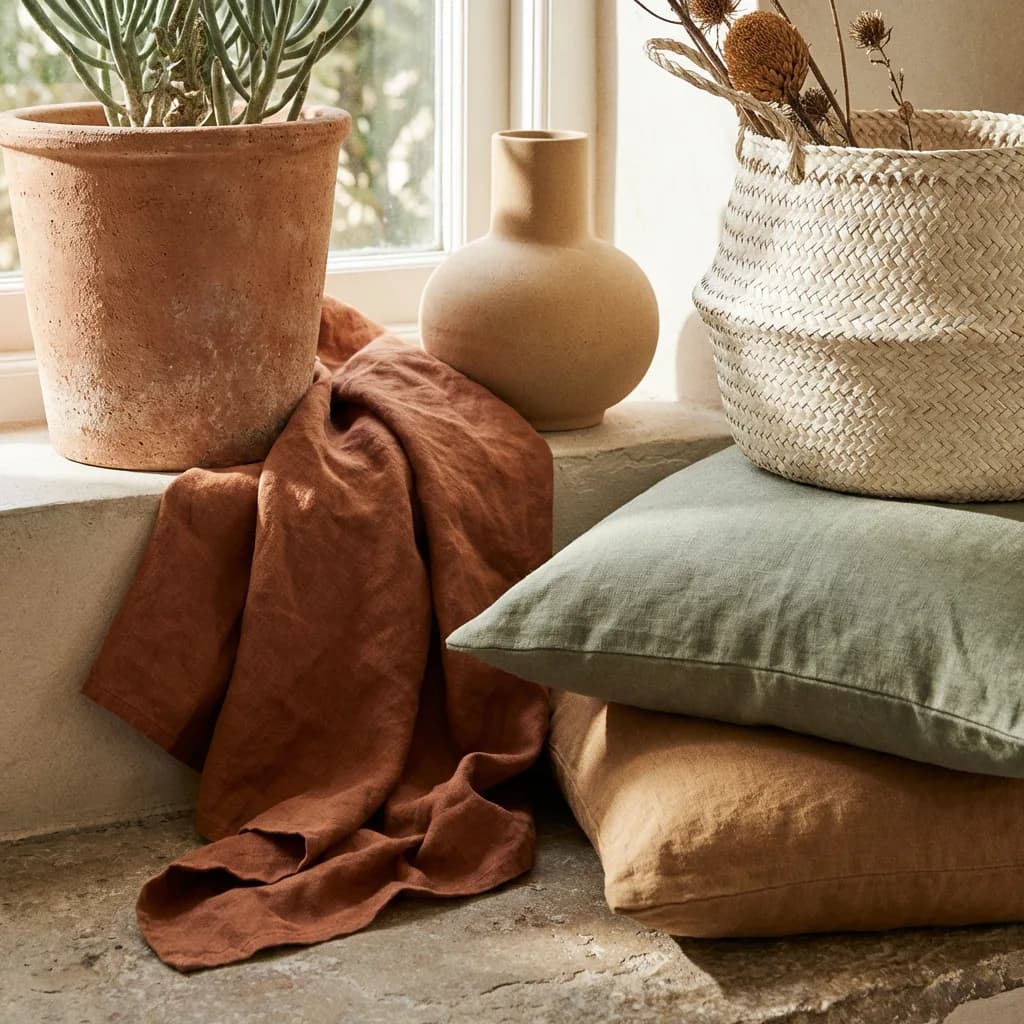
Natural materials are fundamental: jute, rattan, wicker, terracotta, raw wood, linen, and cotton. Macrame wall hangings and woven baskets add handmade texture. Vintage and thrifted pieces sit alongside newer objects, and global patterns — Moroccan tile, Indian block print, Peruvian textiles — create visual interest without requiring a single dominant aesthetic.
For Interior Designers
Boho projects are particularly challenging to communicate in mood boards because the style's appeal is atmospheric and compositional. Clients need to see how layering works in their specific room — whether their space suits the darker, richer version of boho or the lighter, Californian boho-chic interpretation.
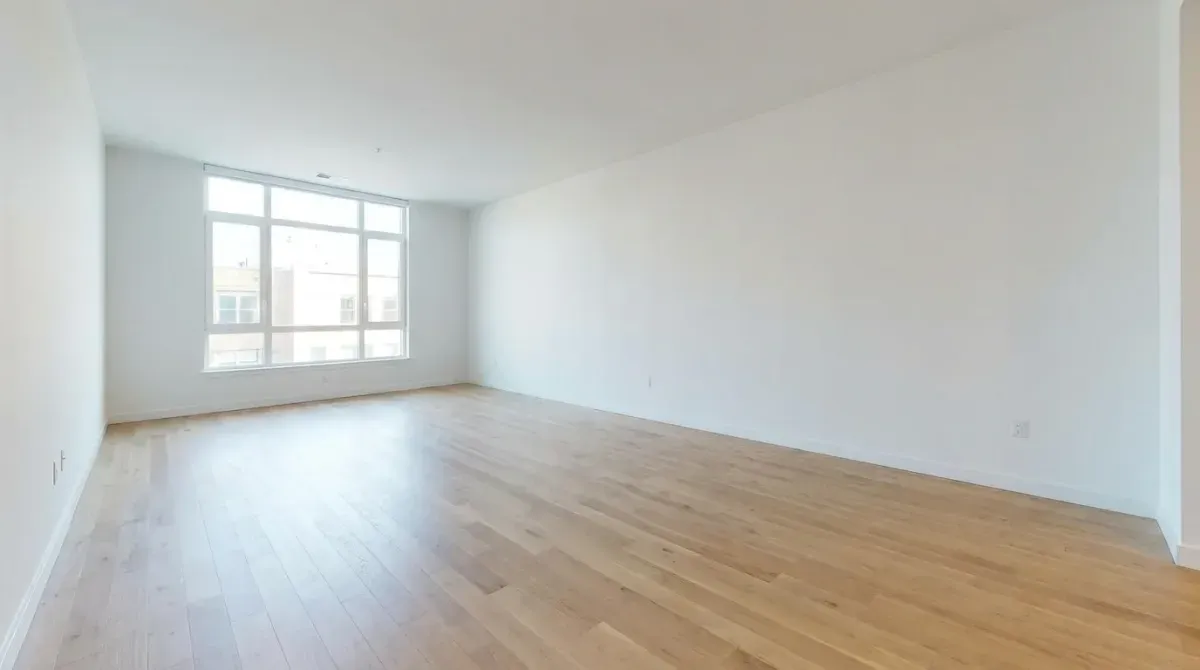
AI renders show clients the finished vision before any sourcing or purchasing begins. Generate two or three boho variations — different plant arrangements, rug combinations, textile layers — and use the client's reaction to the renders to guide the purchasing direction.
For Homeowners
The risk with boho is going too far in one direction — either too sparse and missing the layered warmth, or too heavy and creating visual clutter rather than cozy abundance. AI visualization helps calibrate: see exactly how many plants your living room can hold before it tips, or which rug pattern anchors the room vs. which one fights with the sofa.