
Why Home Office Design Matters More Than Ever
Remote and hybrid work has made the home office one of the most important rooms in a house. According to Stanford research, well-designed workspaces improve productivity by up to 20% and reduce fatigue during long work sessions. Yet most people working from home are doing so in environments that were never designed for work.
The challenge is that home offices require a specific balance between productivity-focused design (task lighting, ergonomic furniture, acoustic control) and residential aesthetics (warmth, personal expression, visual comfort). Getting this balance right used to require an interior designer. AI design tools now make it accessible in minutes.
The Elements of a High-Performance Home Office
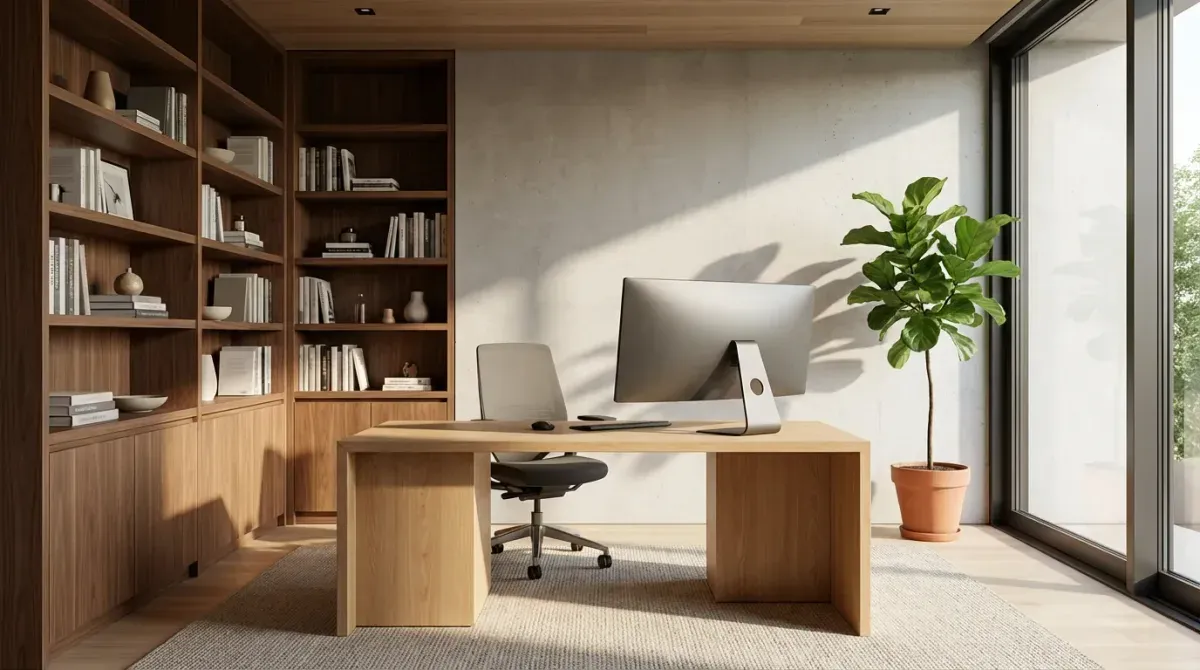
The most effective home offices share common principles: a desk positioned to use natural light without screen glare, layered lighting for different times of day, acoustic softening through rugs and textiles, organized storage that keeps surfaces clear, and visual anchors (art, plants, bookshelves) that make the space personally motivating.
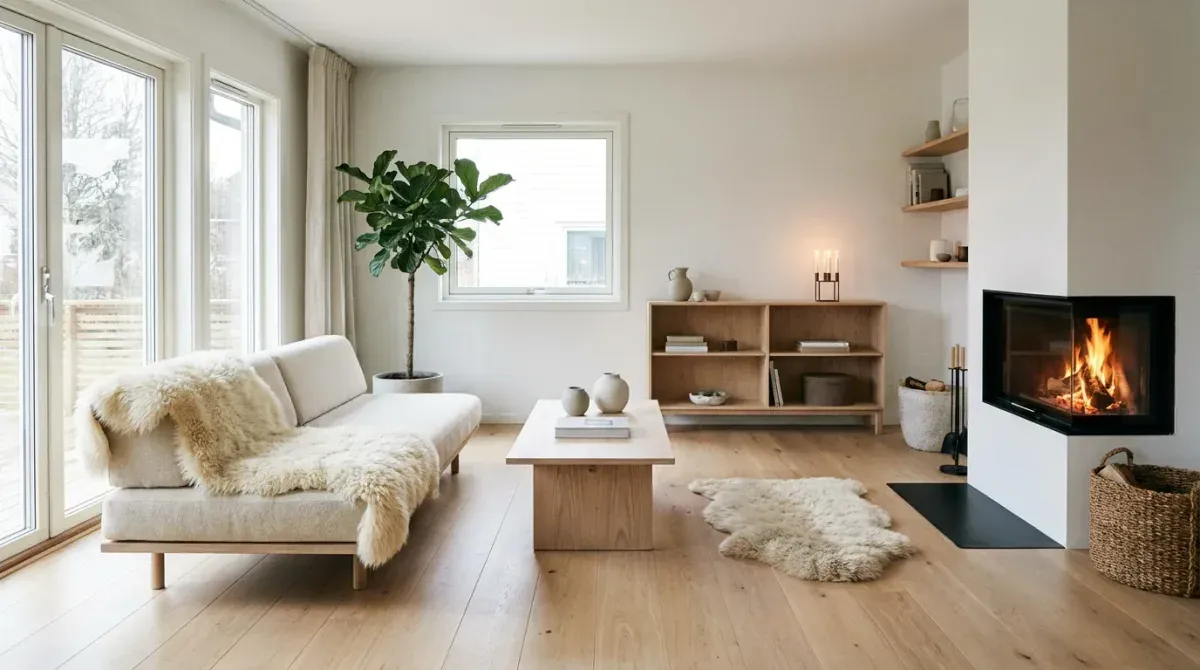
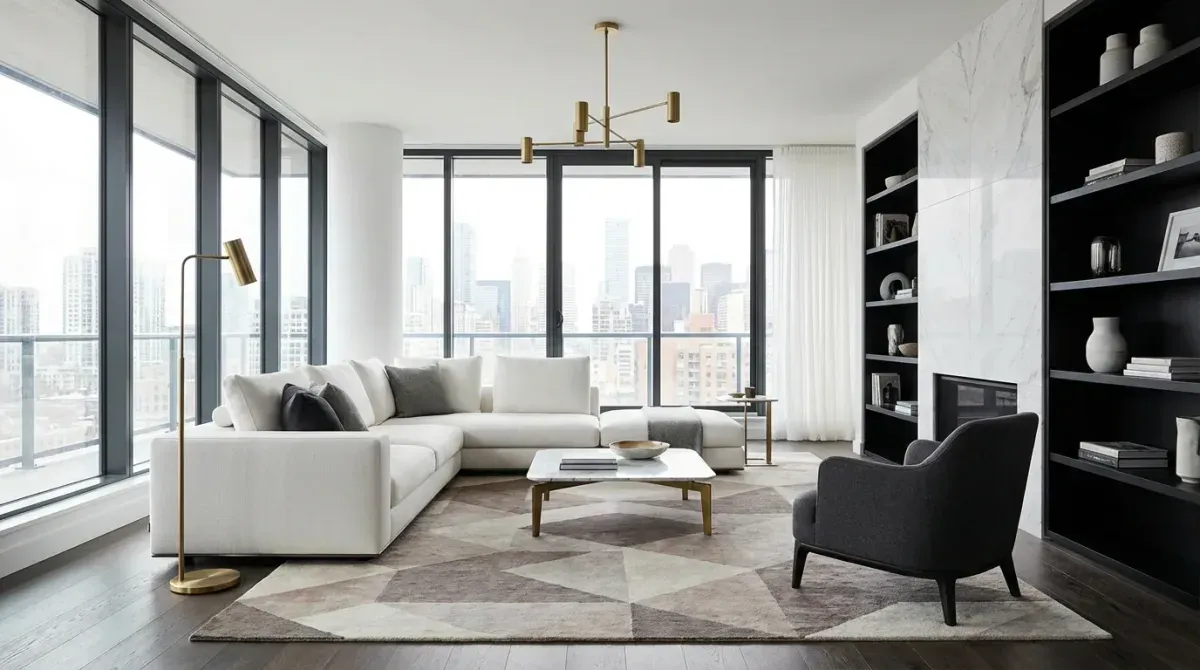
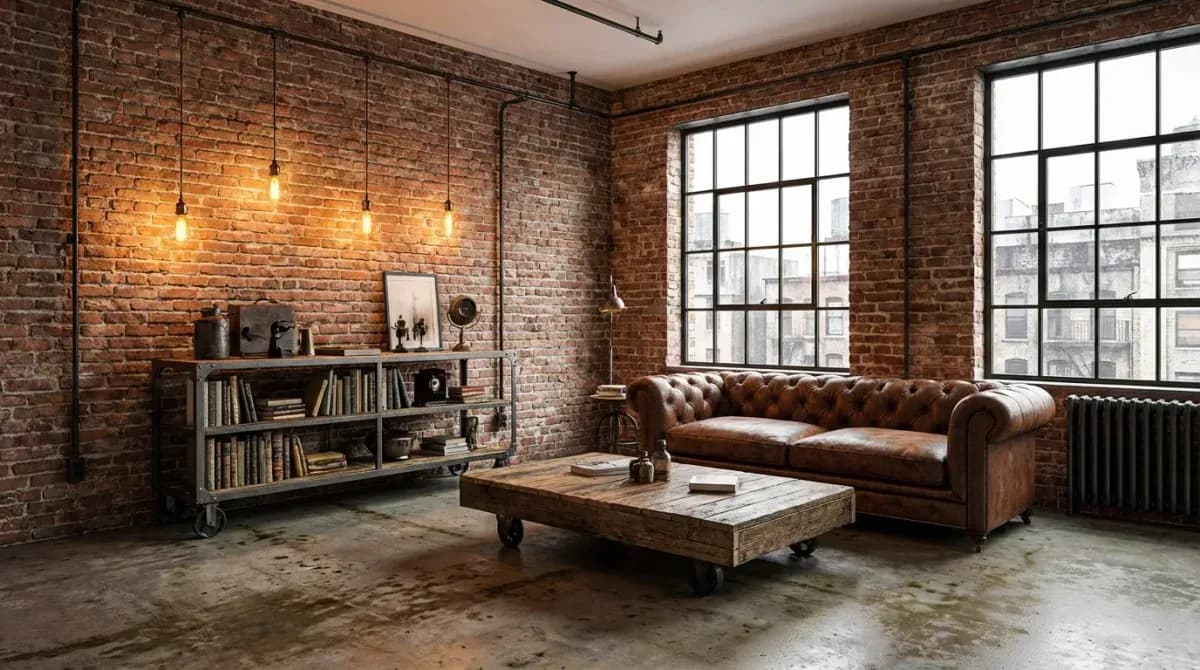
Style is secondary to function — but the best home offices achieve both. A Japandi office is calming and distraction-free. A Scandinavian office is light, functional, and quietly inspiring. An Industrial office suits creative work and signals confidence. AI visualization lets you test each approach on your actual space before making any purchases.
For Interior Designers
Home office commissions have increased significantly since 2020. Clients arrive with strong opinions and reference images from Pinterest — but translating those aspirations into a design that works in a specific room requires rapid iteration. Generate multiple home office concepts per session to identify the right direction before producing detailed plans.
For Real Estate Agents
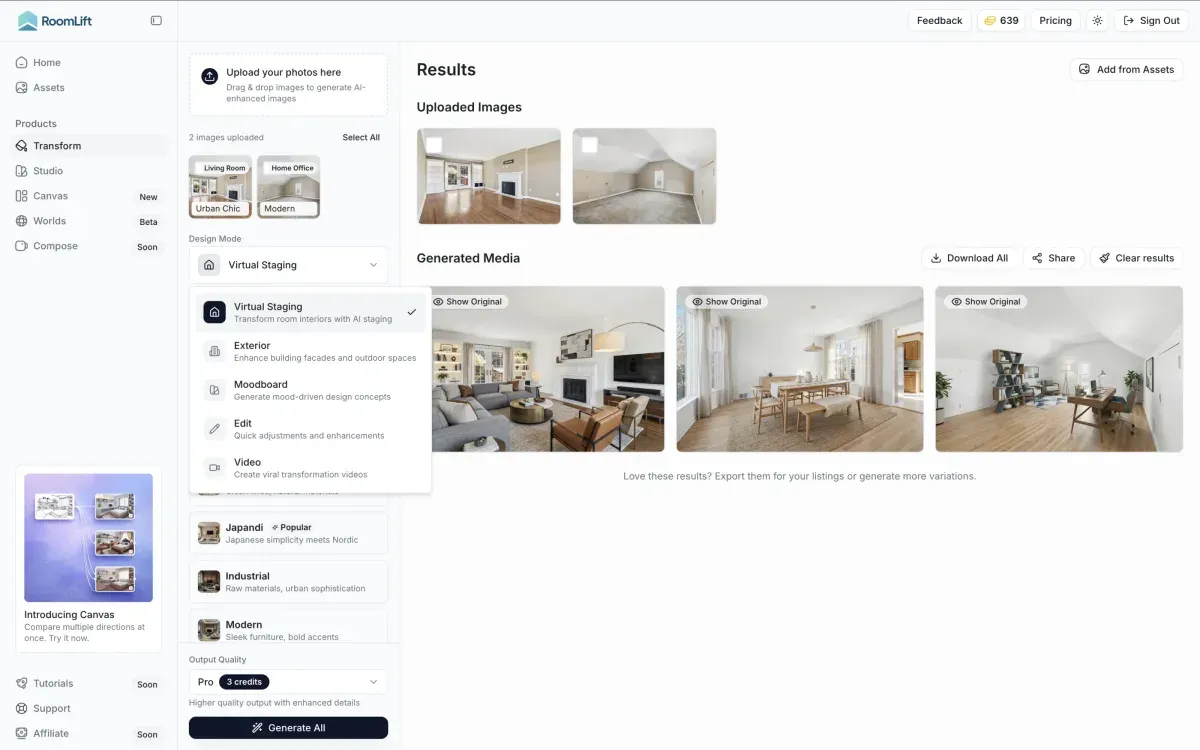
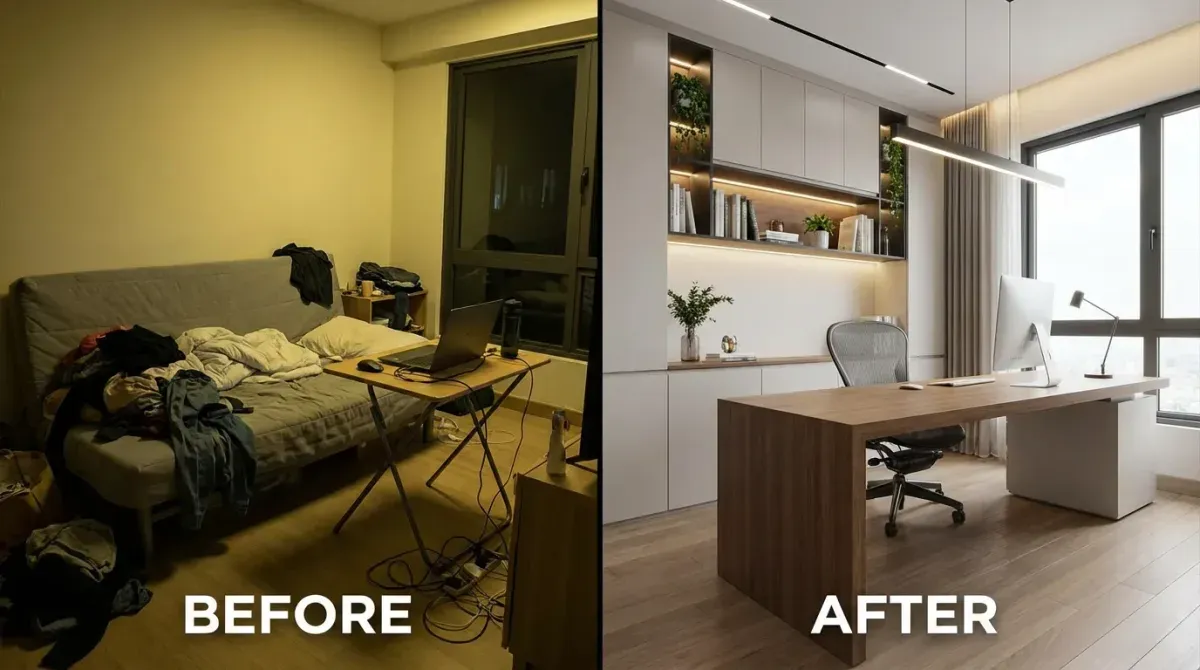
A dedicated home office is now cited as a top feature by homebuyers in post-pandemic surveys. Properties that clearly show a functional home office generate more interest and stronger offers. AI staging converts empty spare bedrooms into aspirational workspaces in minutes, at a cost of $1–5 per image versus $200+ for traditional virtual staging services.
For Homeowners
Whether you're planning a full office renovation or making incremental improvements, AI home office renders help you make better decisions before spending money. Test built-in shelving configurations before hiring a carpenter. Compare desk orientations before moving furniture. See whether your room needs a rug, an accent wall, or just better lighting to become a space you love working in.