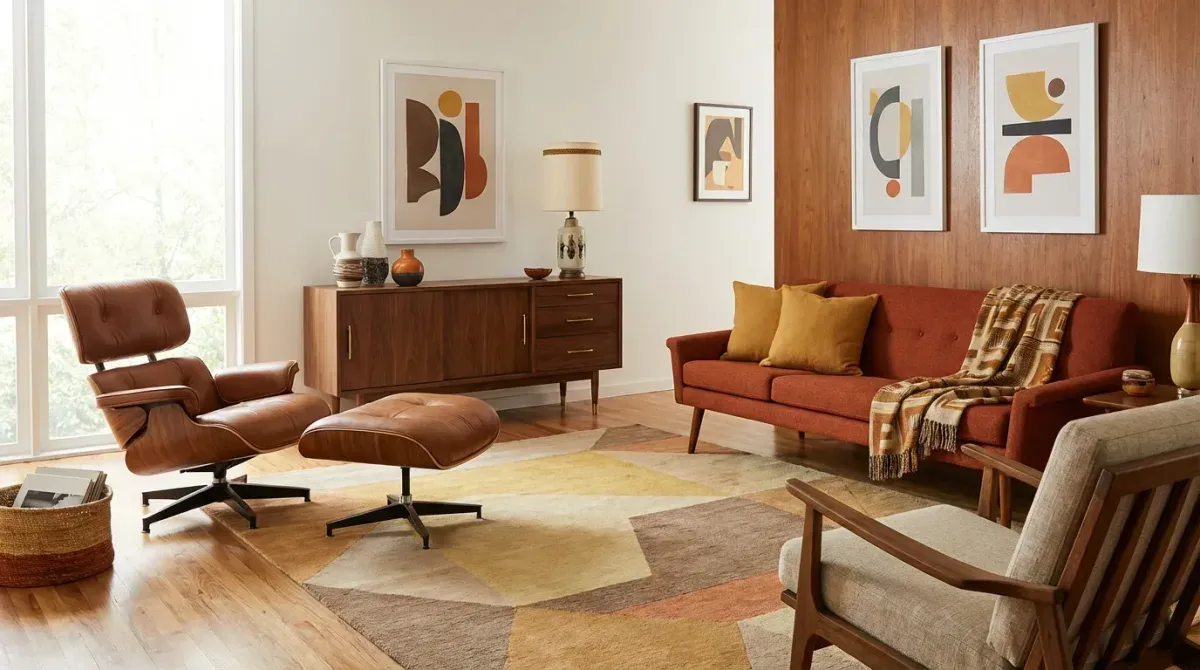
Why Mid Century Modern Design Has Never Gone Out of Style
Mid century modern design emerged from a specific cultural moment — post-war optimism, new materials, and a belief that good design could improve everyday life. Designers like Charles and Ray Eames, Eero Saarinen, and George Nelson created furniture and spaces that were simultaneously functional, beautiful, and democratic. That combination has proven timeless.
According to Houzz research, mid century modern ranks among the top three interior styles searched by homeowners every year, despite being nearly 70 years old. The style's geometry is clean enough to feel contemporary, its warmth human enough to feel livable, and its history rich enough to feel meaningful.
The Defining Characteristics of MCM Interior Design
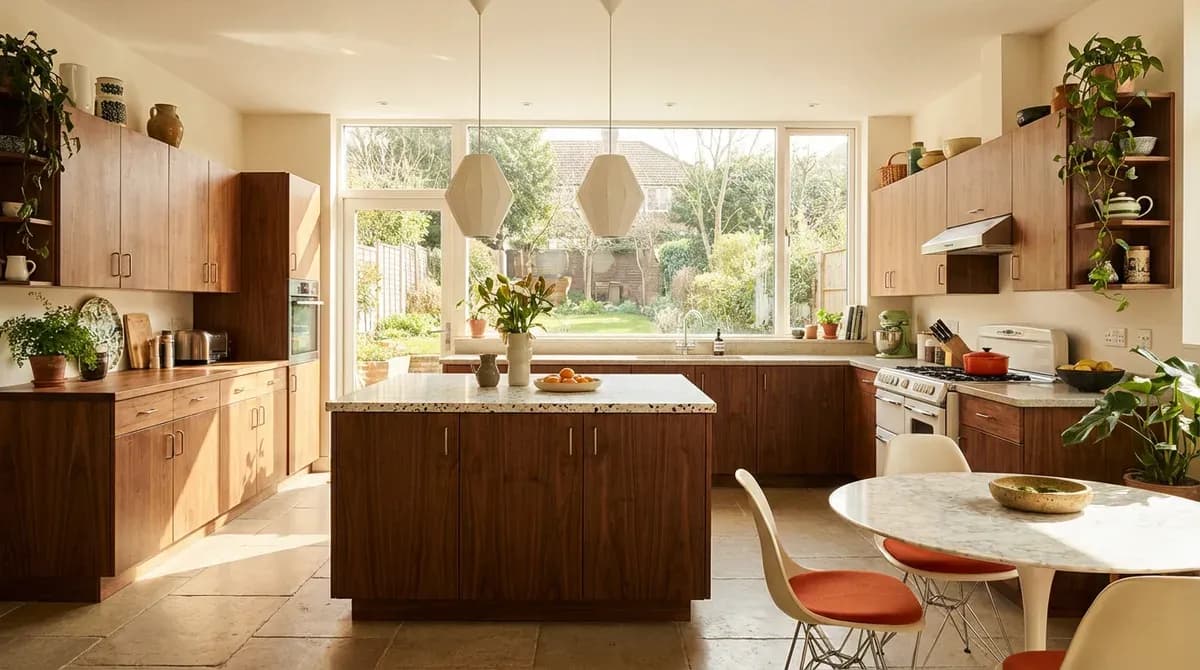
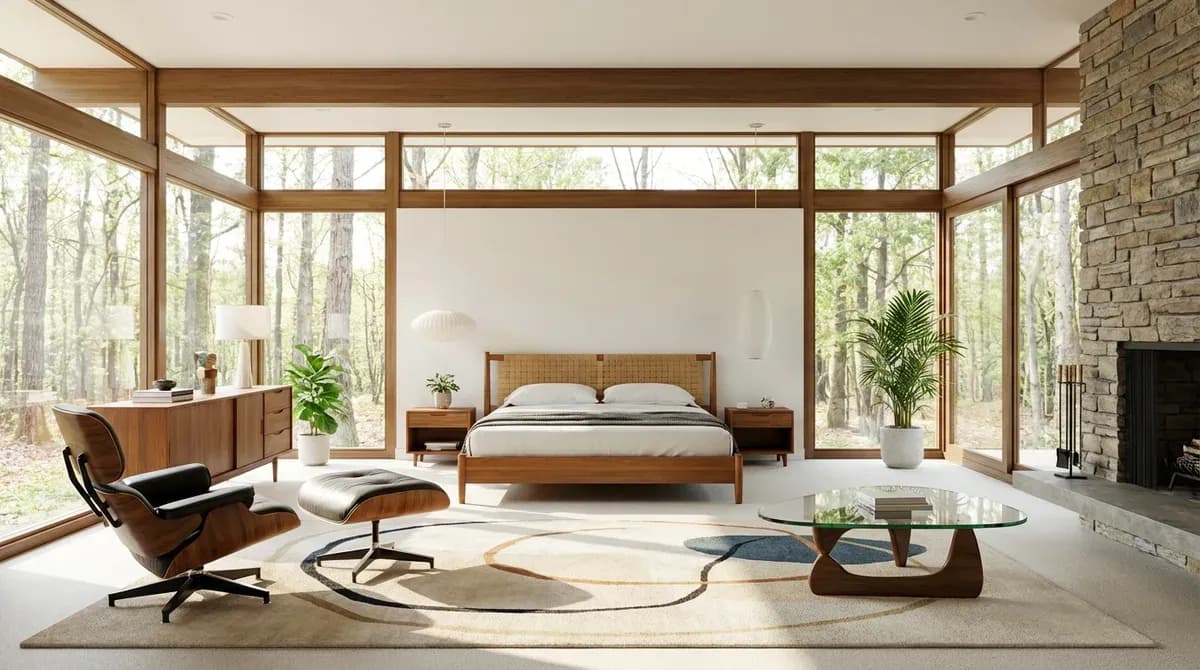
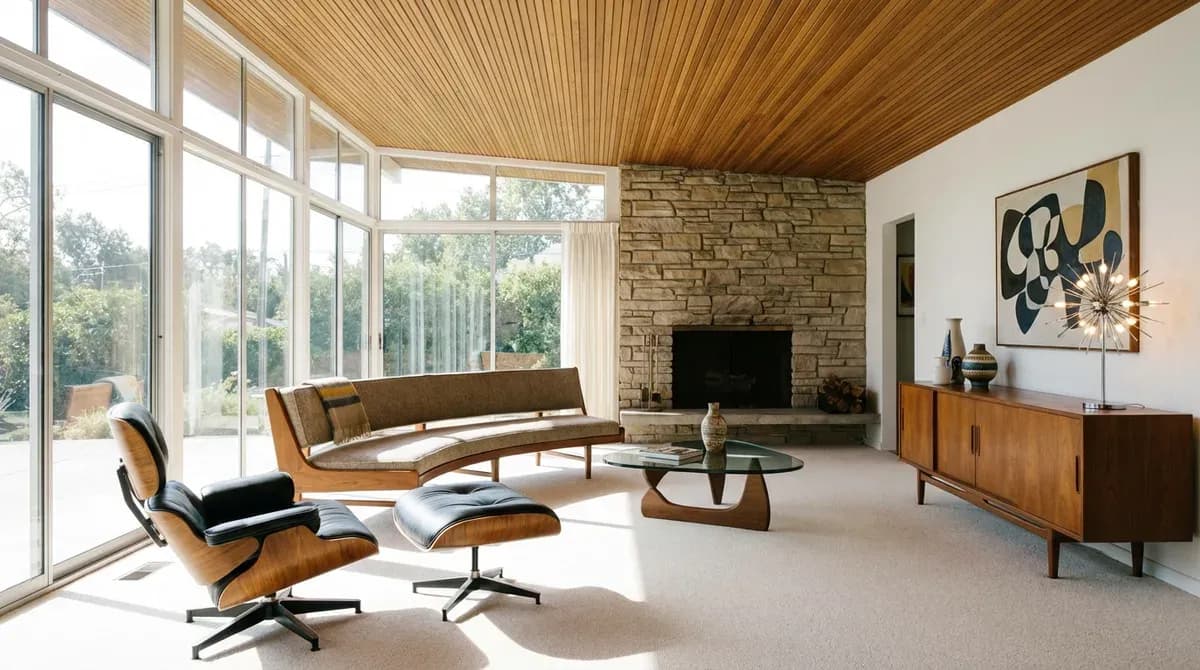
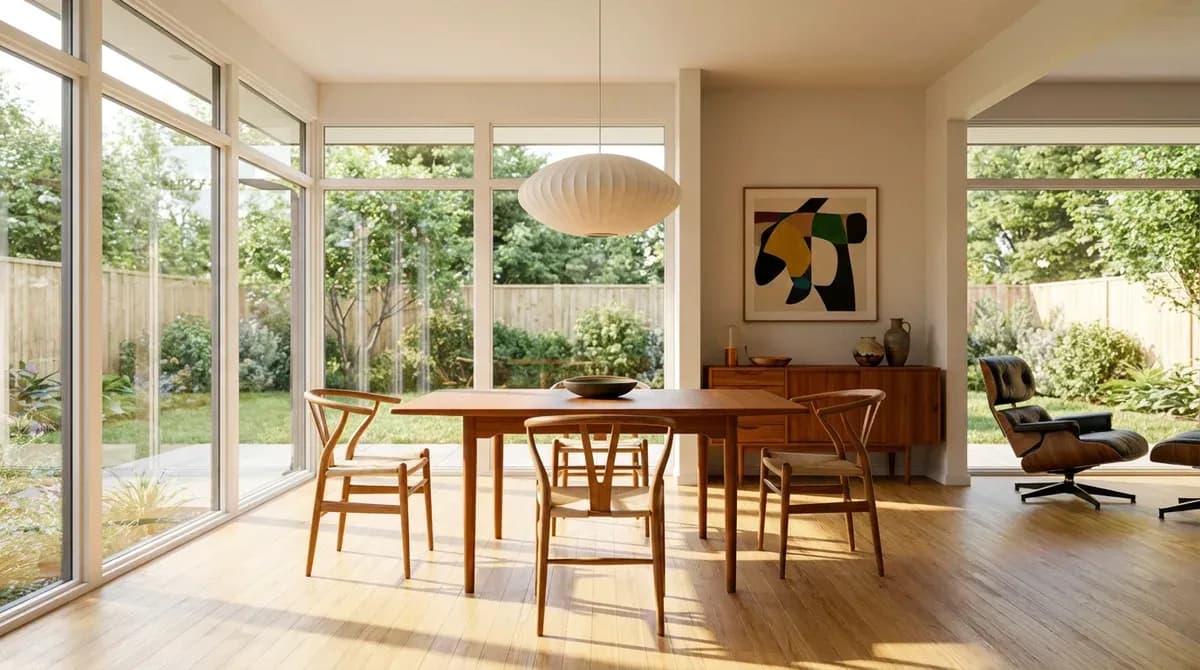
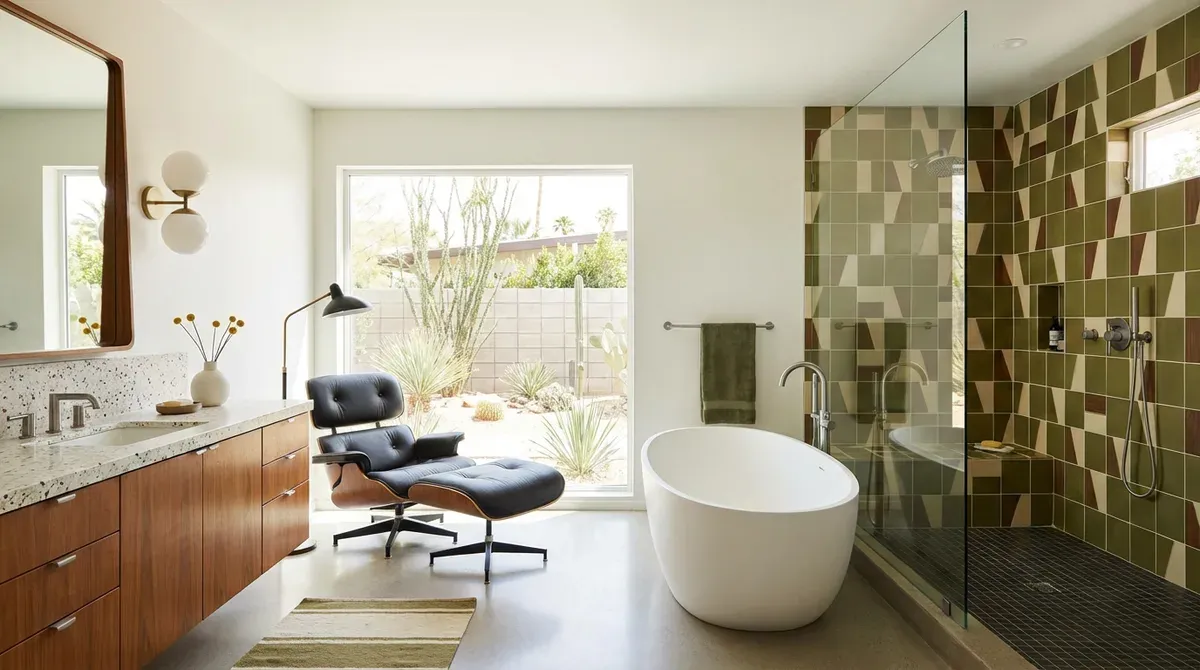
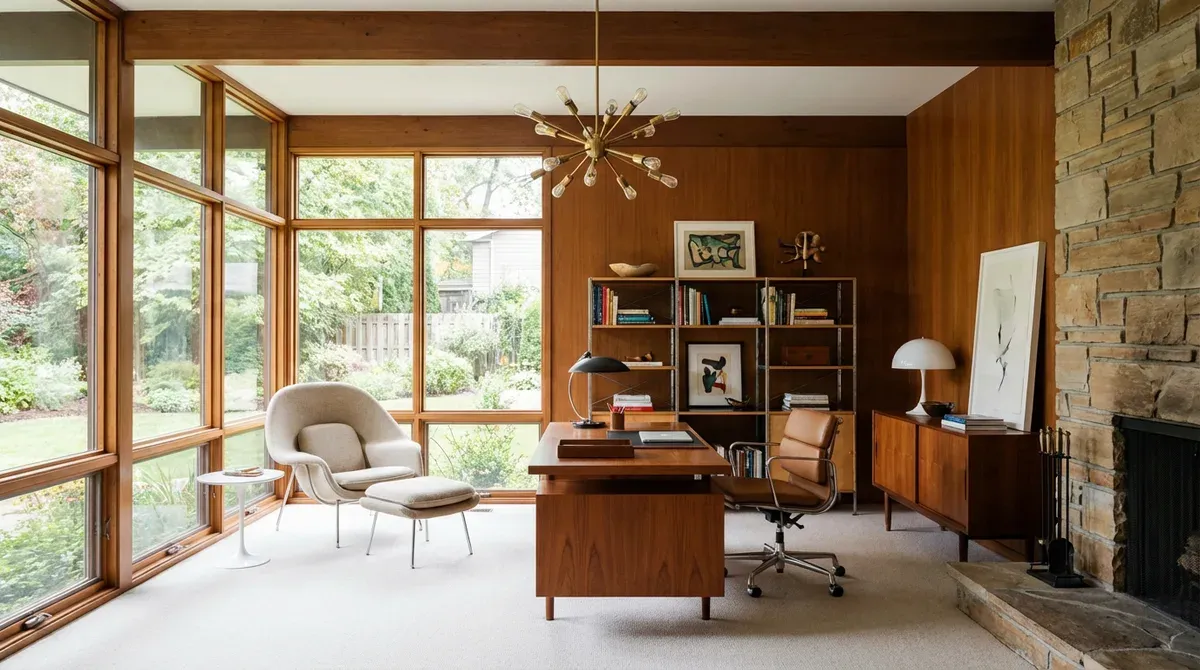
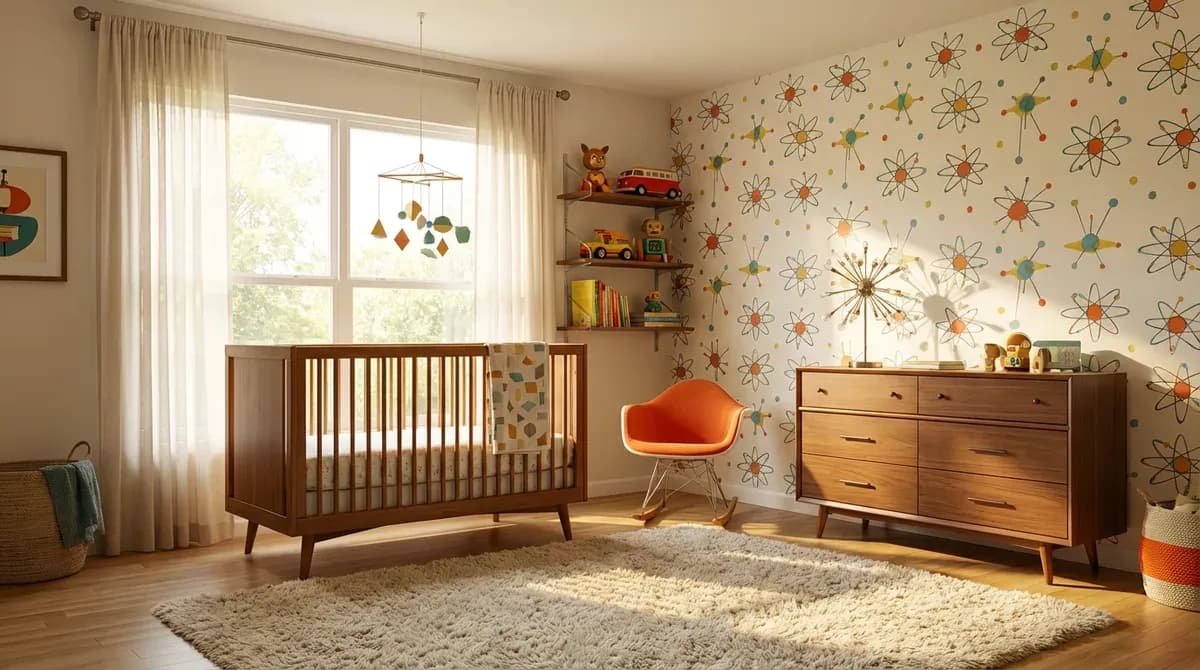
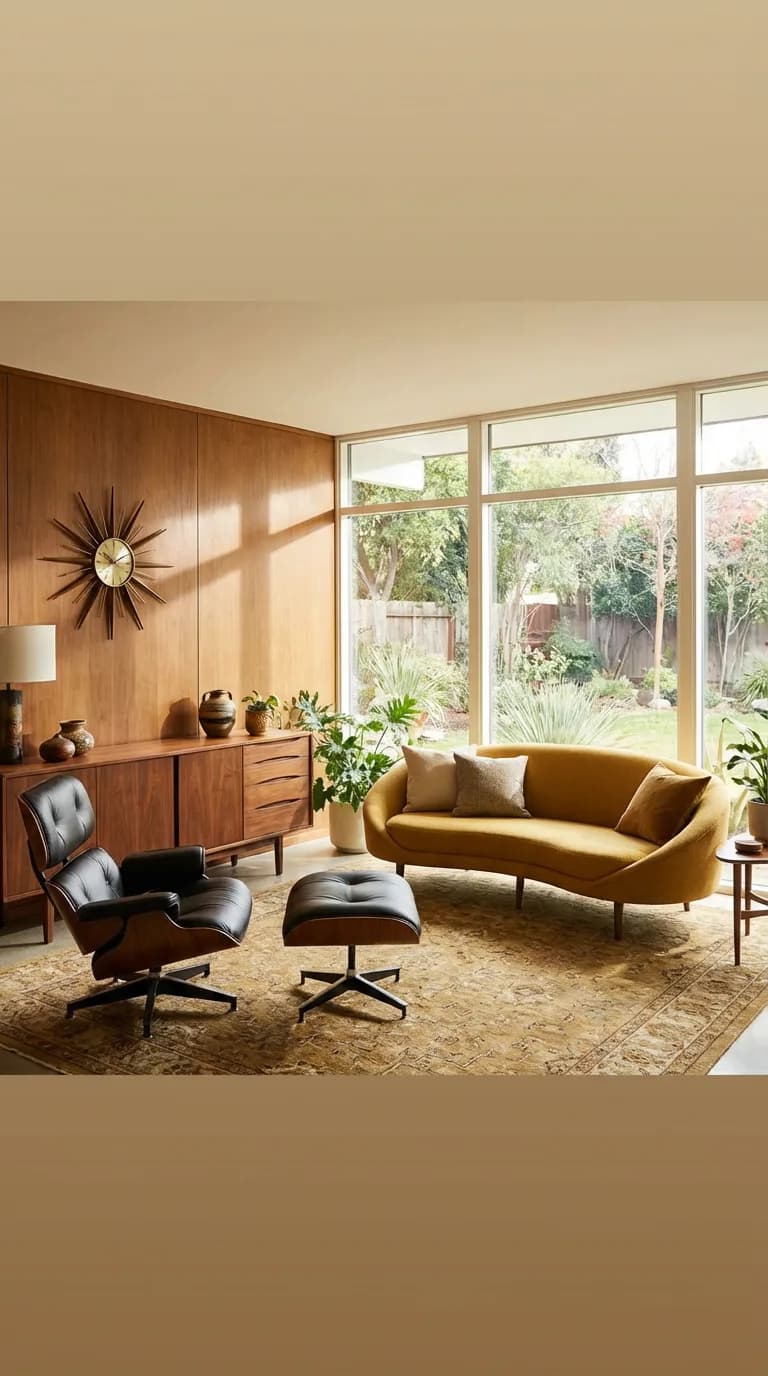
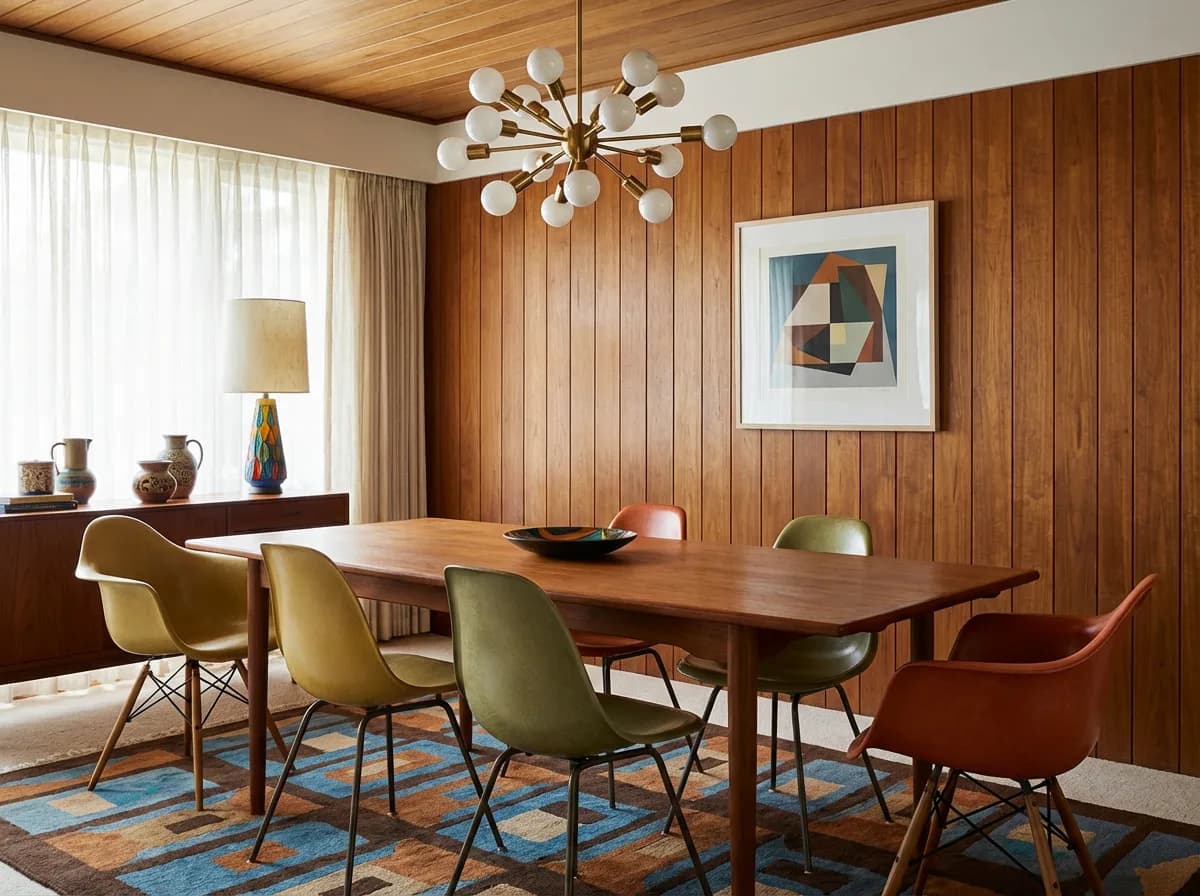
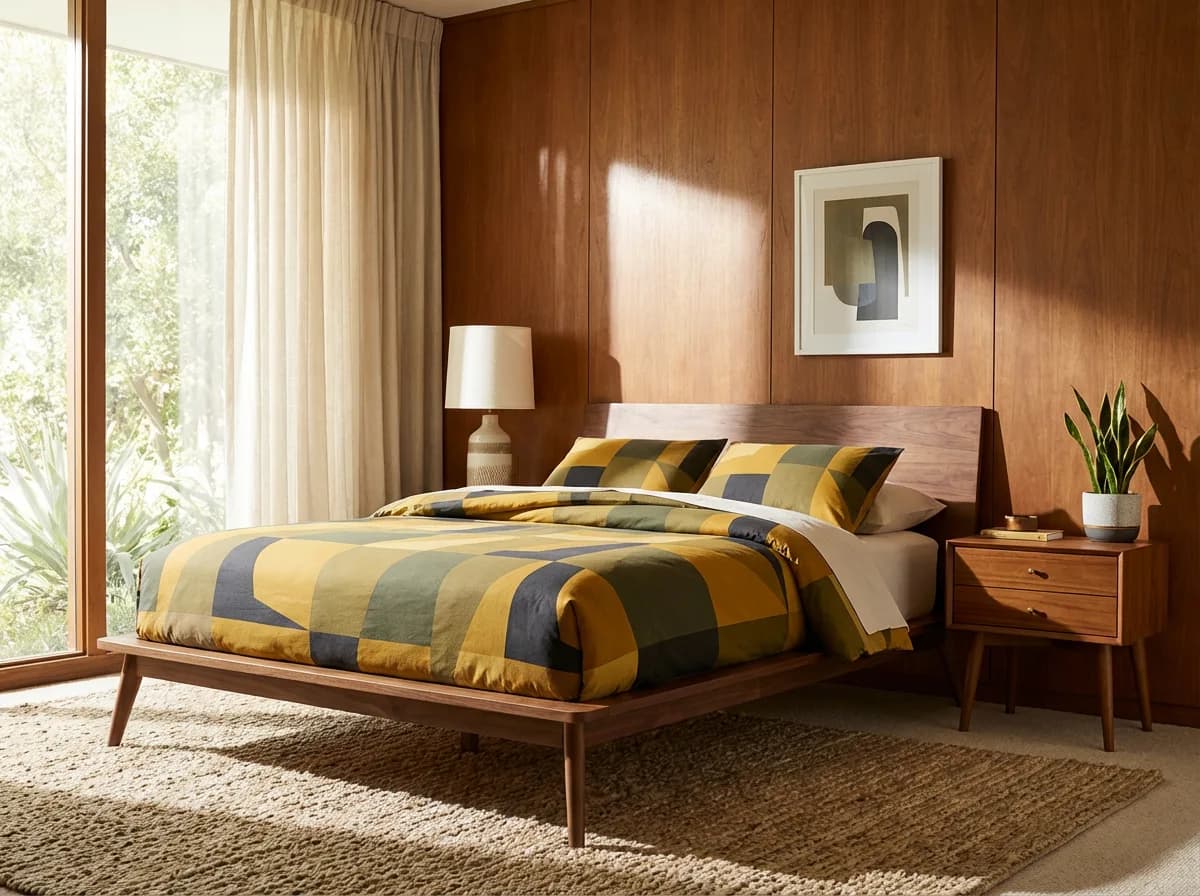
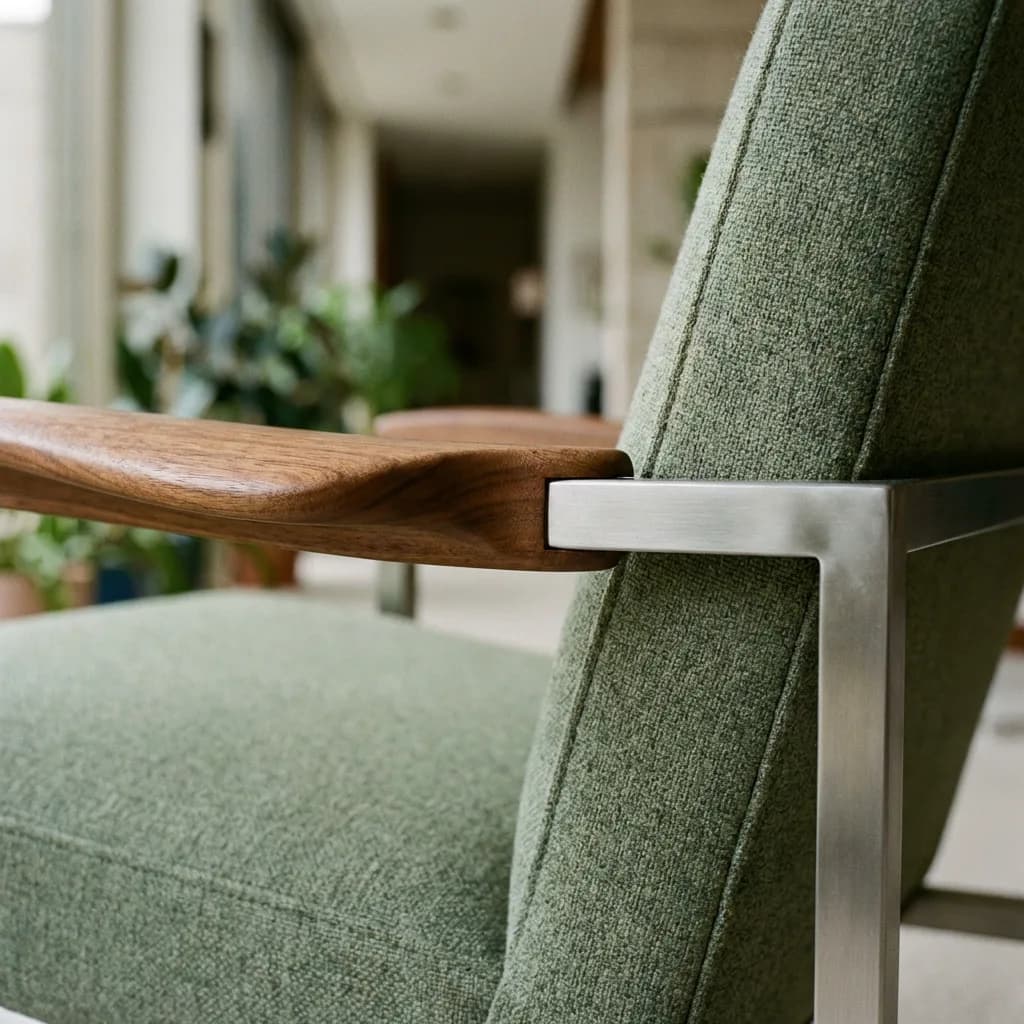
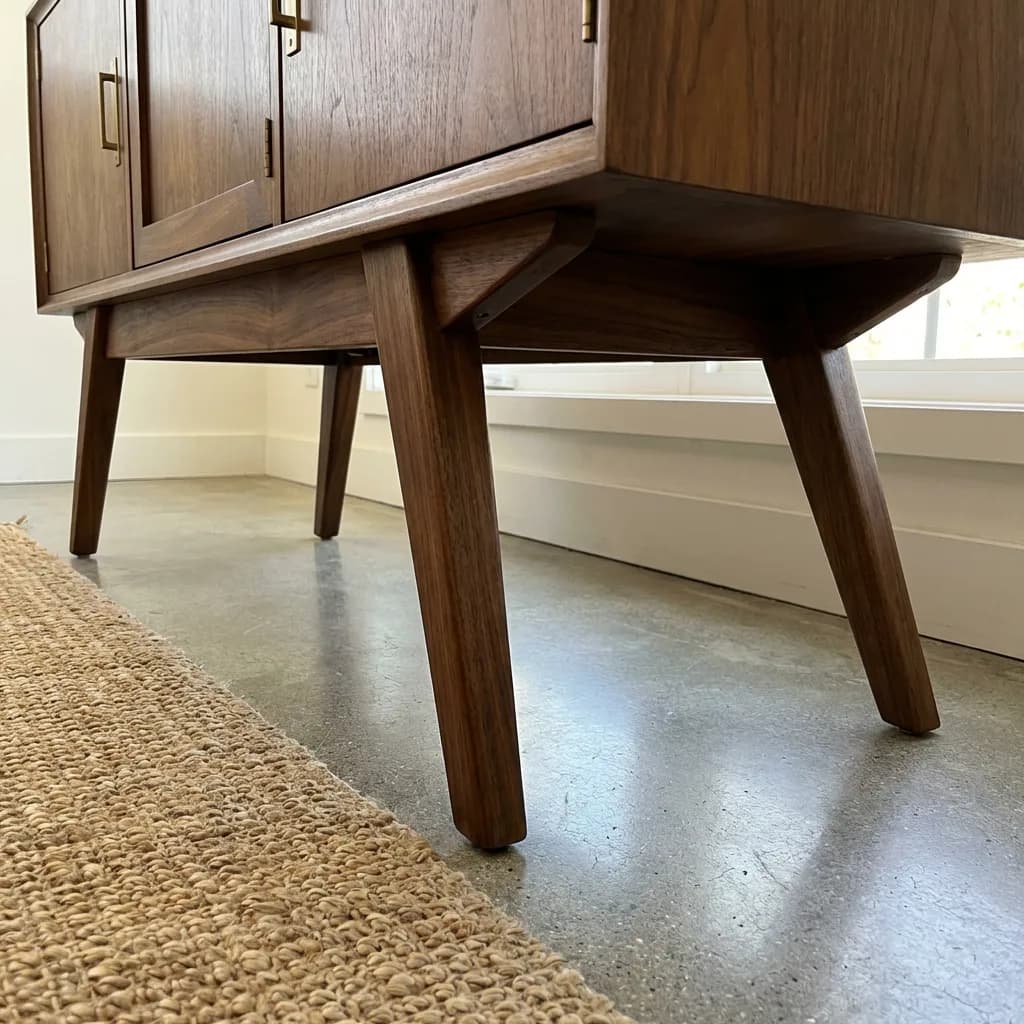
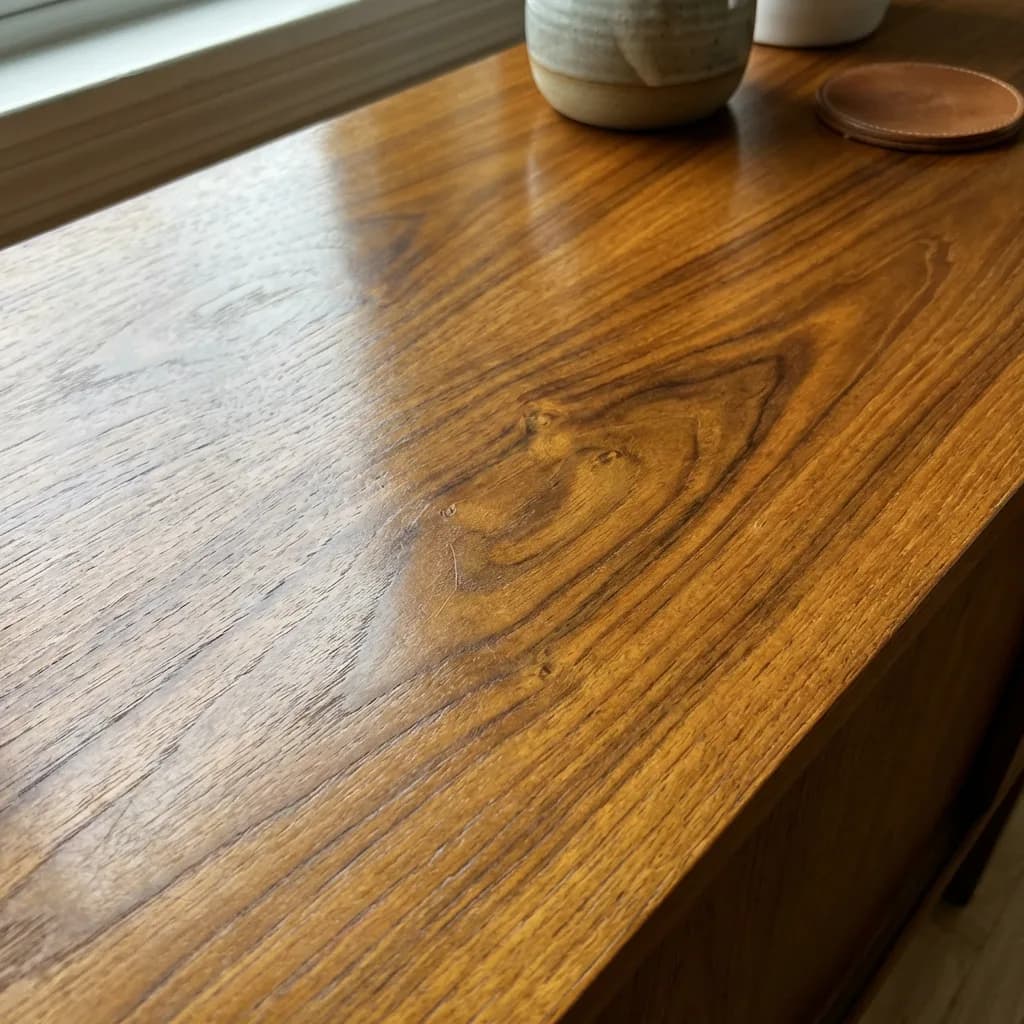
Authentic mid century modern interiors share a clear visual vocabulary: furniture with tapered legs and gentle organic curves, warm wood tones in walnut, teak, or rosewood, minimal ornamentation, large geometric rugs, statement lighting (Sputnik chandeliers, arc floor lamps), and an integration of indoor plants that reflects the style's connection to the natural world.
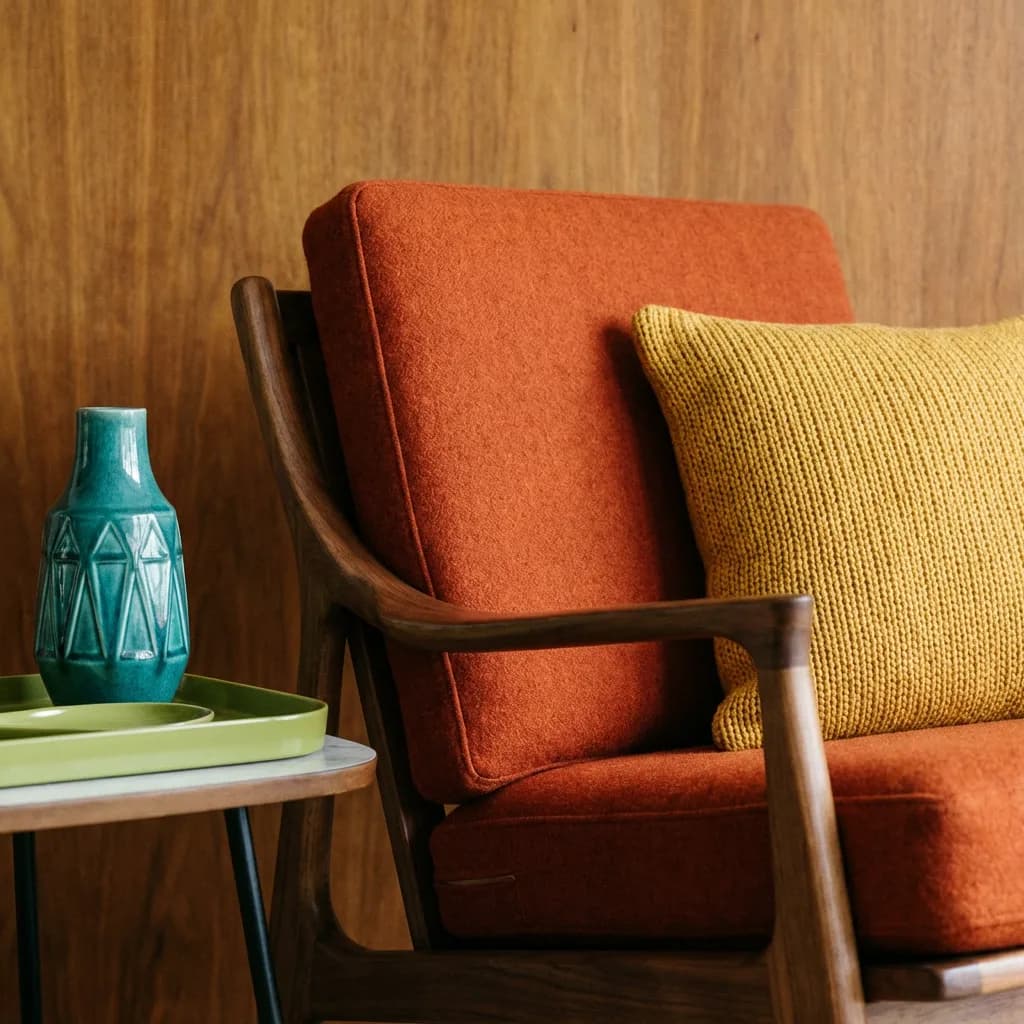
Color in MCM plays a specific role. The background palette is warm and restrained — tan, cream, warm white — while accent colors from the era carry the energy: mustard yellow, olive green, terracotta, teal. These are used strategically in cushions, rugs, artwork, and occasional furniture rather than across entire walls.
For Interior Designers
MCM projects typically involve sourcing vintage or reproduction furniture, which makes early-stage visualization critical. Clients need to see how a walnut credenza reads against their specific wall color, or whether their room proportions suit a low-slung sofa or need more vertical elements to balance the composition.
AI renders let designers explore these questions before making any purchases. Generate a room with an authentic Eames lounge, then swap in a contemporary MCM-inspired alternative. Compare walnut vs teak tones. Test mustard accent cushions vs terracotta. All in minutes, at $1–5 per render versus $200–500 for a traditional 3D visualization.
For Real Estate Agents
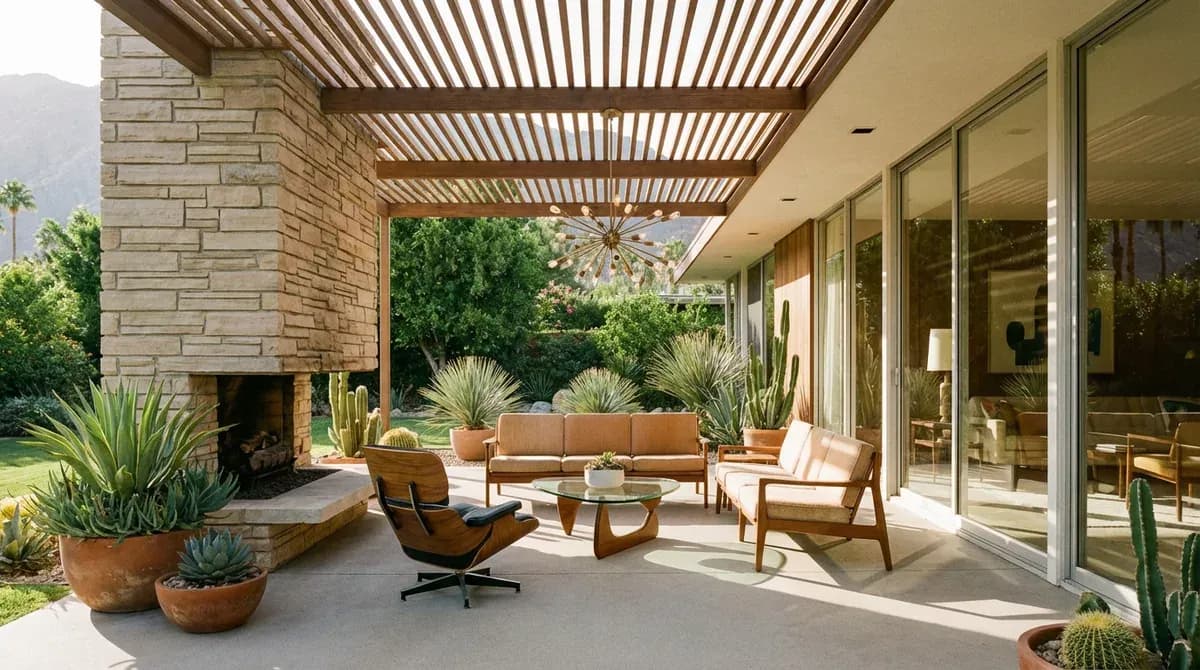
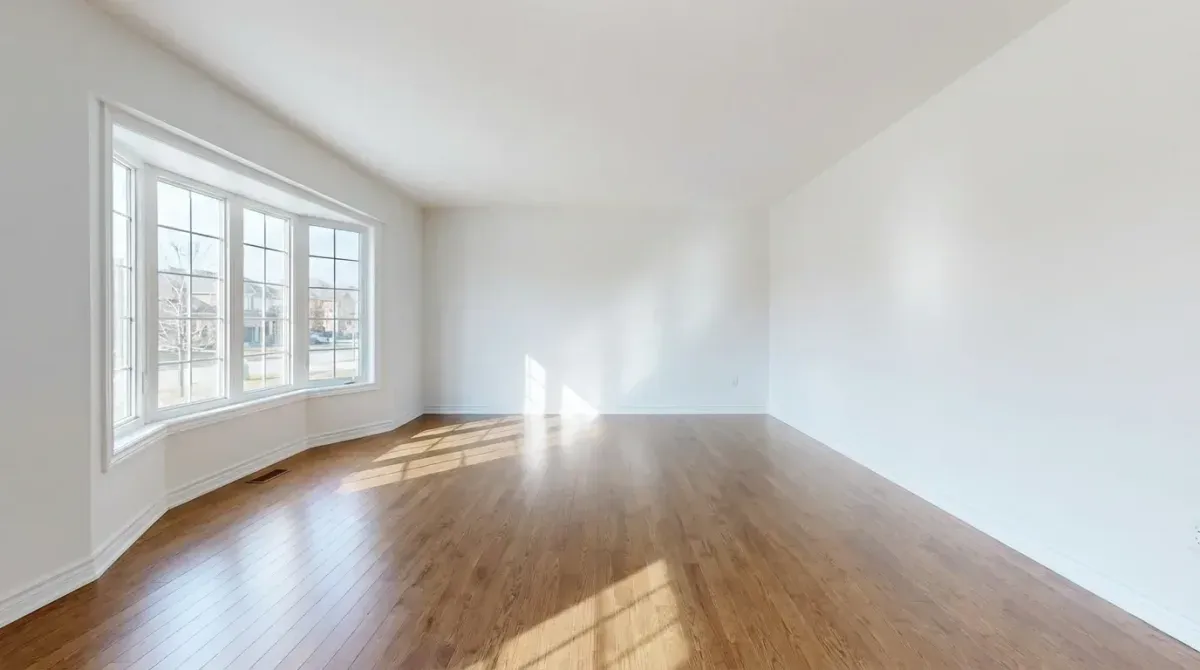
Properties built in the MCM era — ranch homes, split-levels, and early modern apartments from the 1950s–1970s — are frequently undersold when presented with contemporary or eclectic staging that ignores their architectural character. MCM-appropriate staging creates a coherent narrative between the home's design DNA and its presentation.
Contemporary properties also benefit from MCM staging, where the contrast between a clean modern architecture and warm period-appropriate furniture creates visual interest and personality.