
Why Industrial Design Continues to Dominate Urban Interiors
Industrial interior design emerged from the loft-living movement of the 1960s–70s, when artists and creatives began converting abandoned factories and warehouses into living spaces. What started as necessity became an aesthetic — the raw, exposed character of these buildings proved more compelling than conventional finishes.
Today, industrial design is one of the most searched interior styles globally. It appeals to people who value authenticity, character, and spaces that tell a story. Even in new-build apartments, the industrial aesthetic adds the depth and texture that contemporary minimalism sometimes lacks.
The Core Elements of Industrial Style
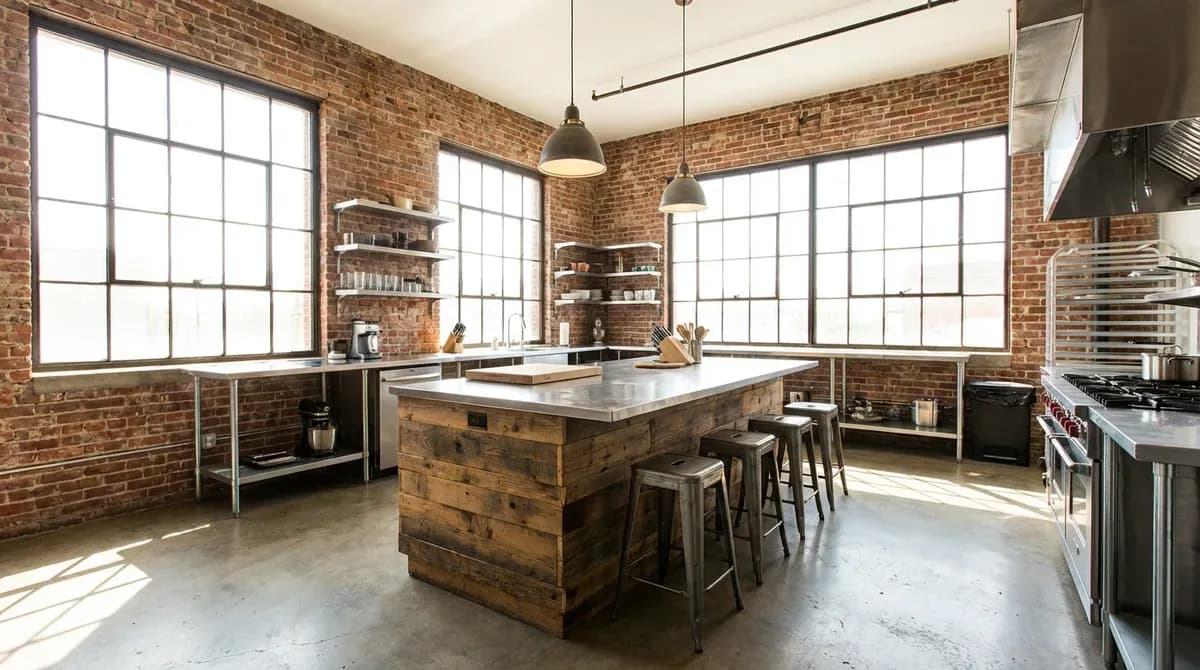
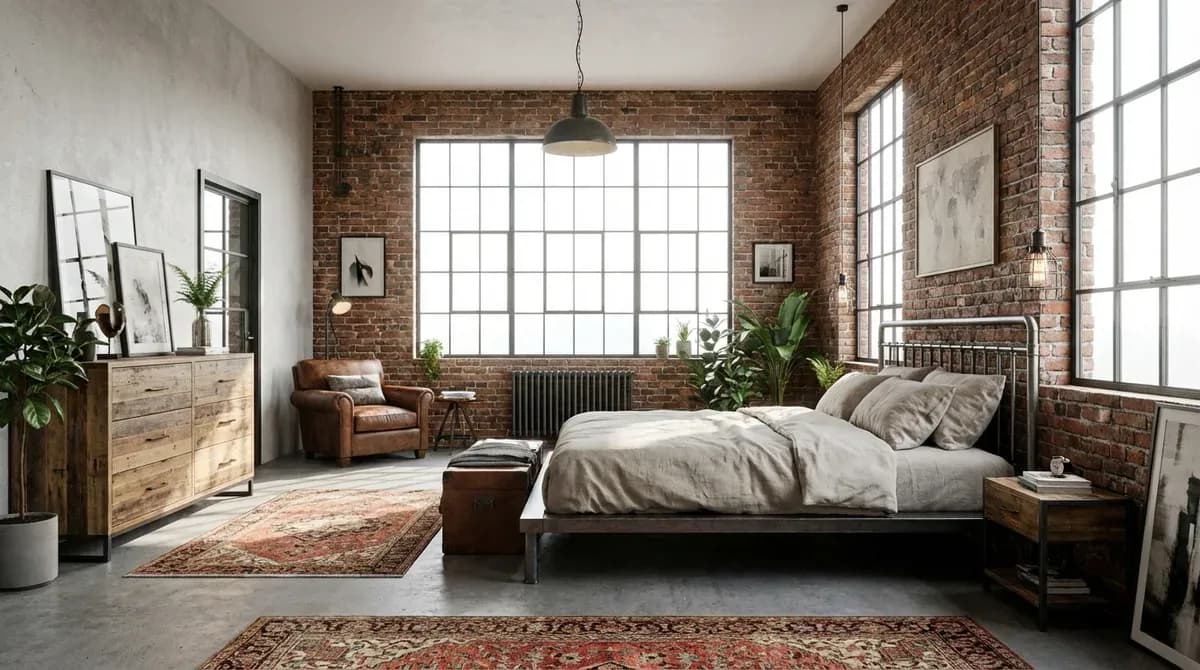
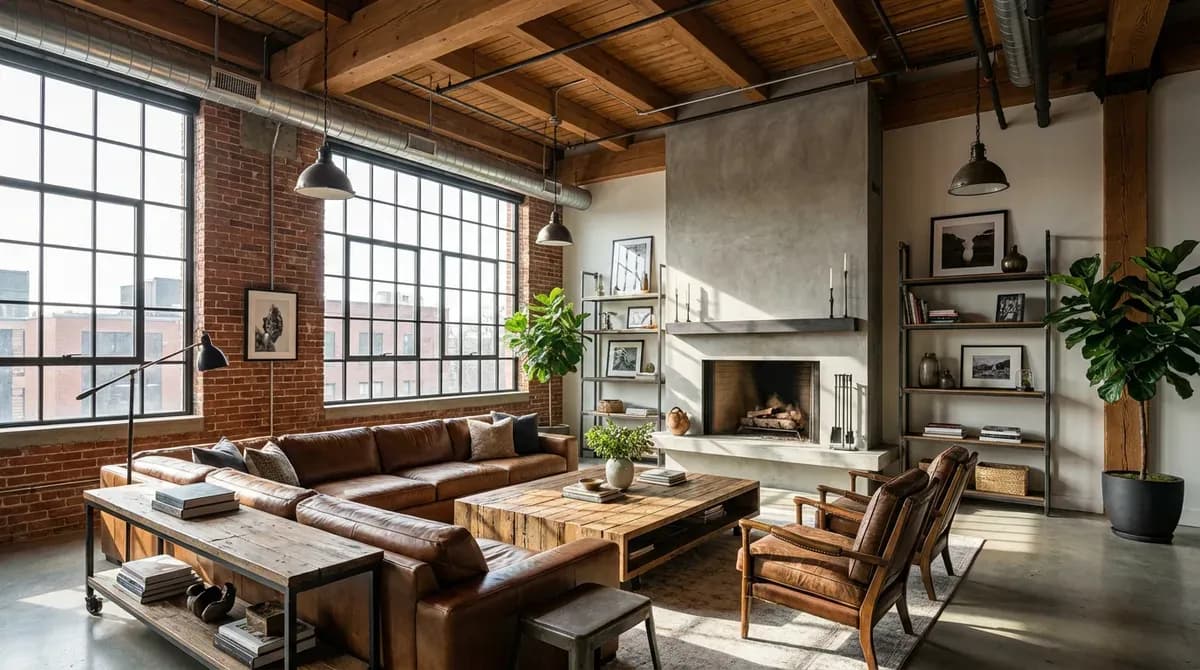
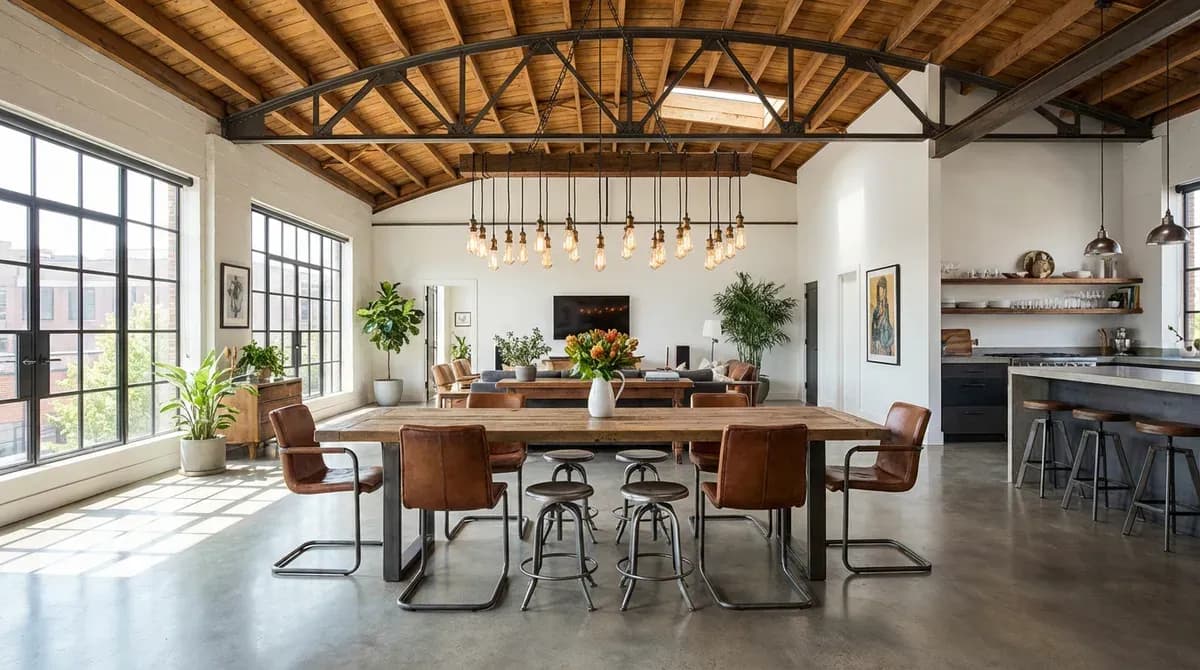
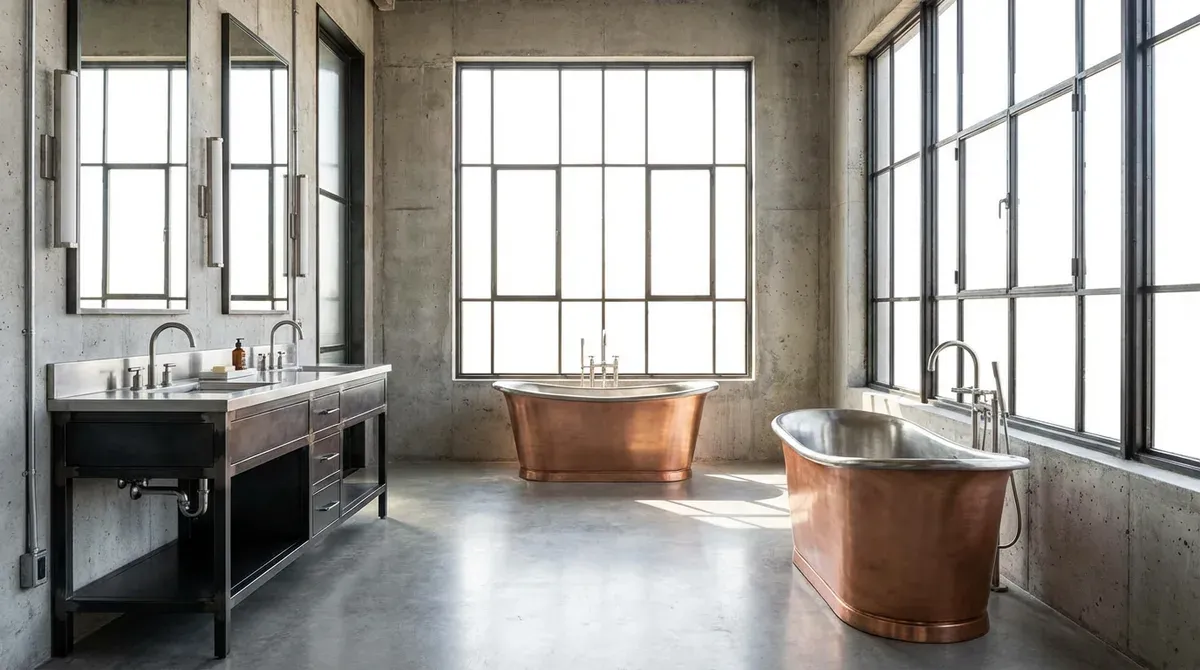
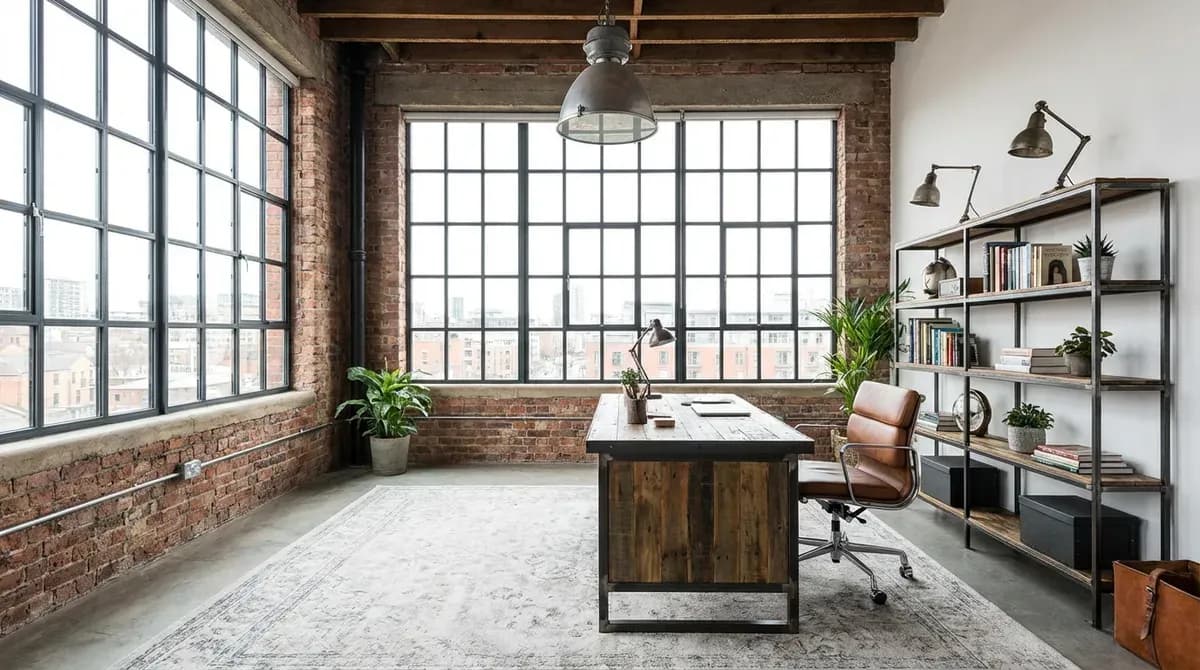
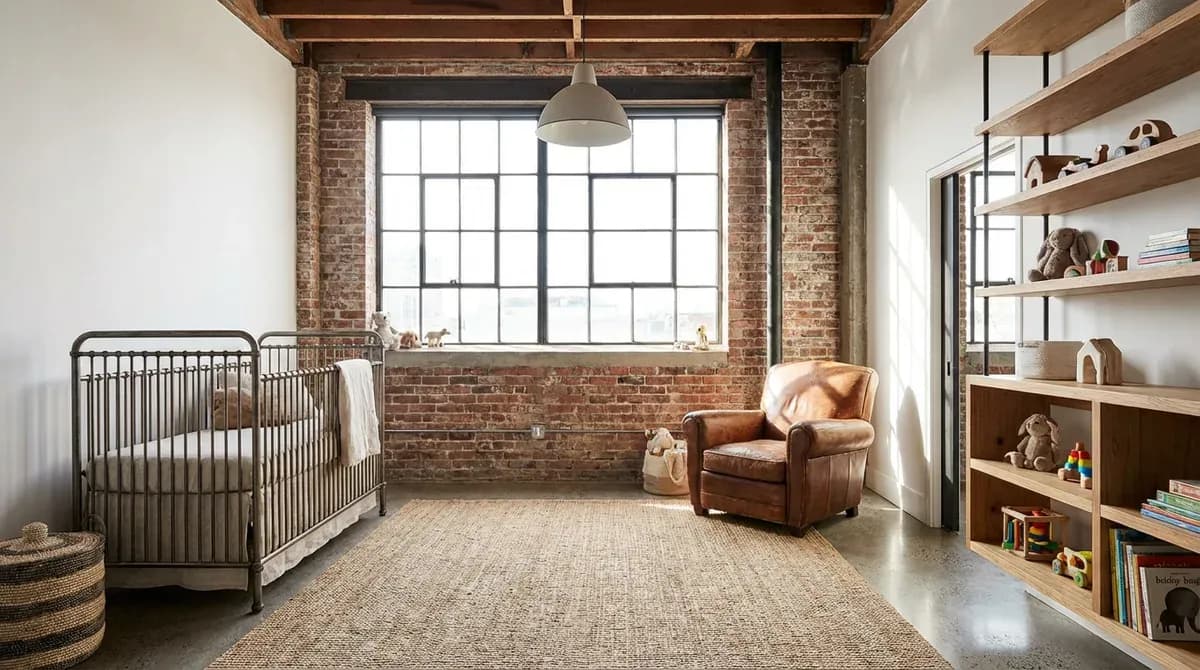
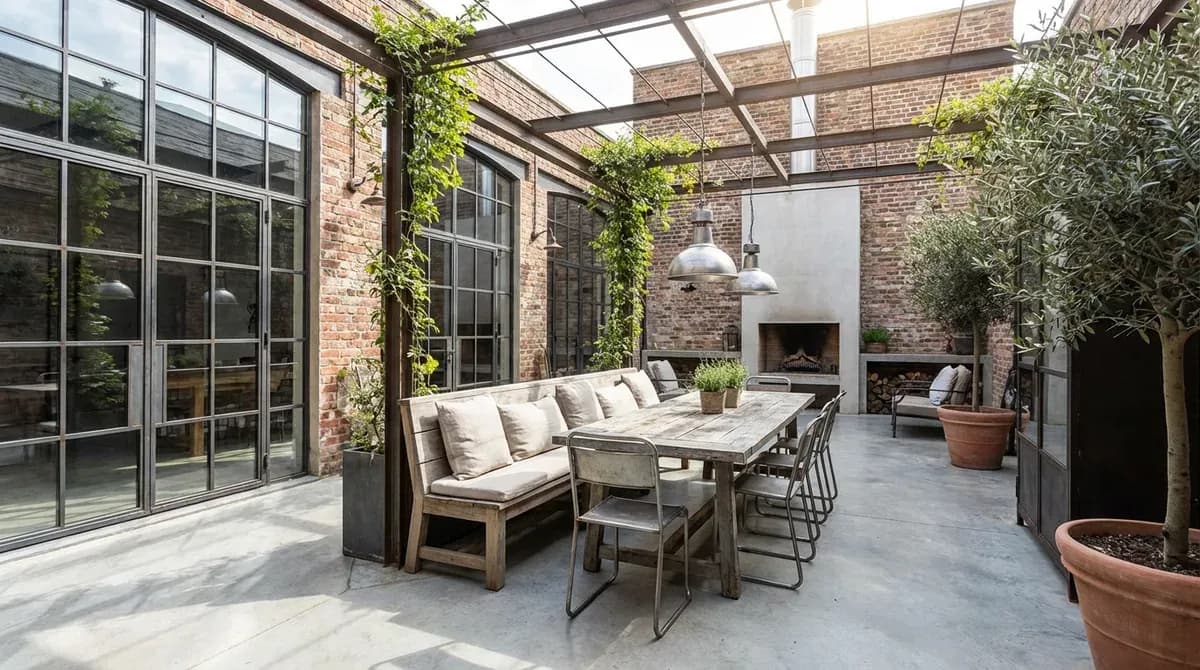
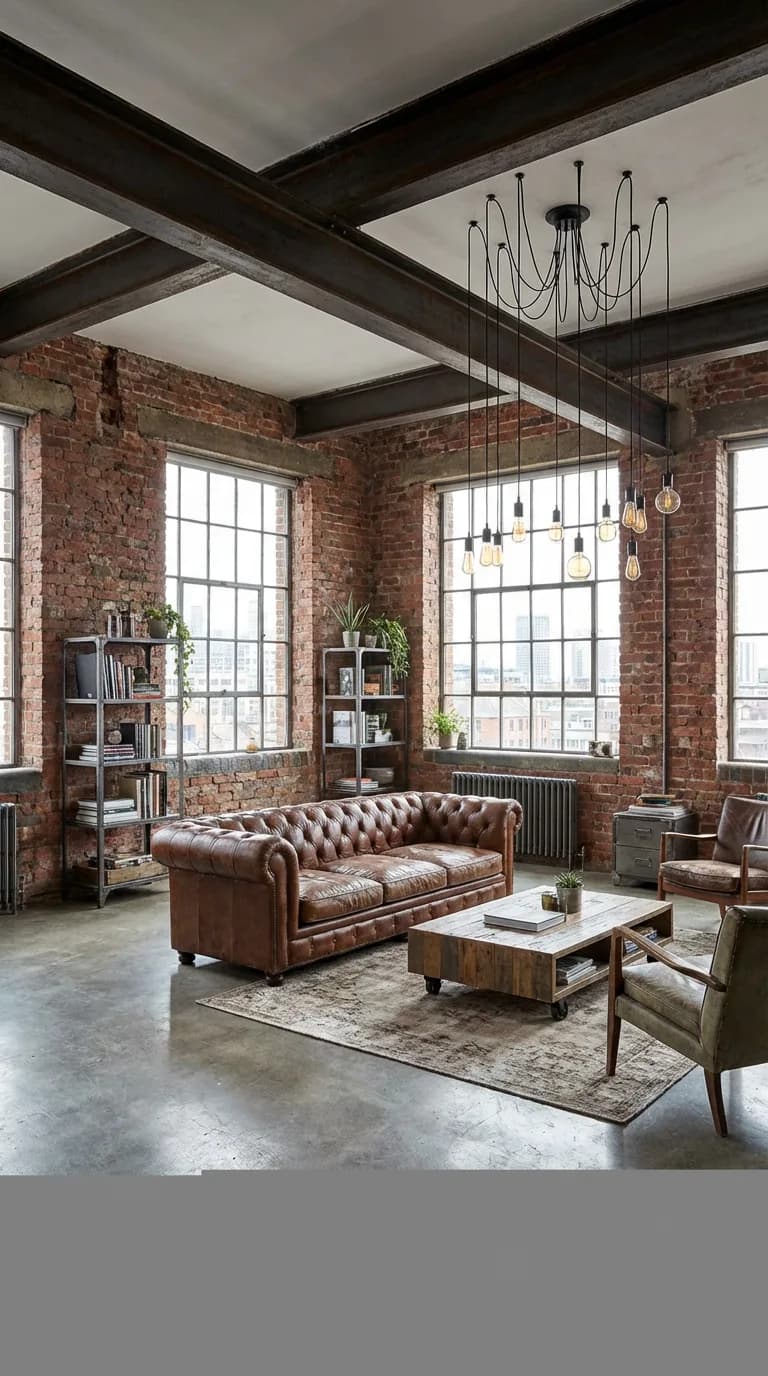
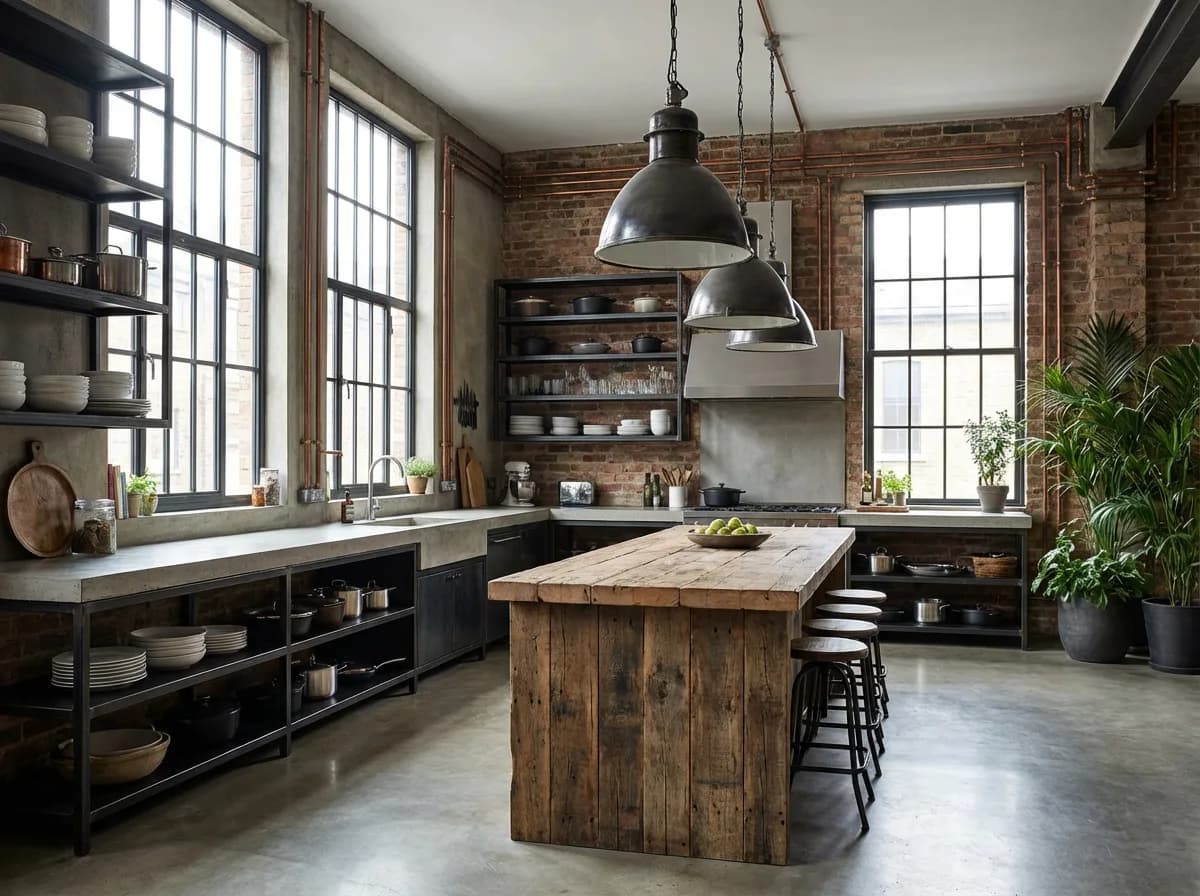
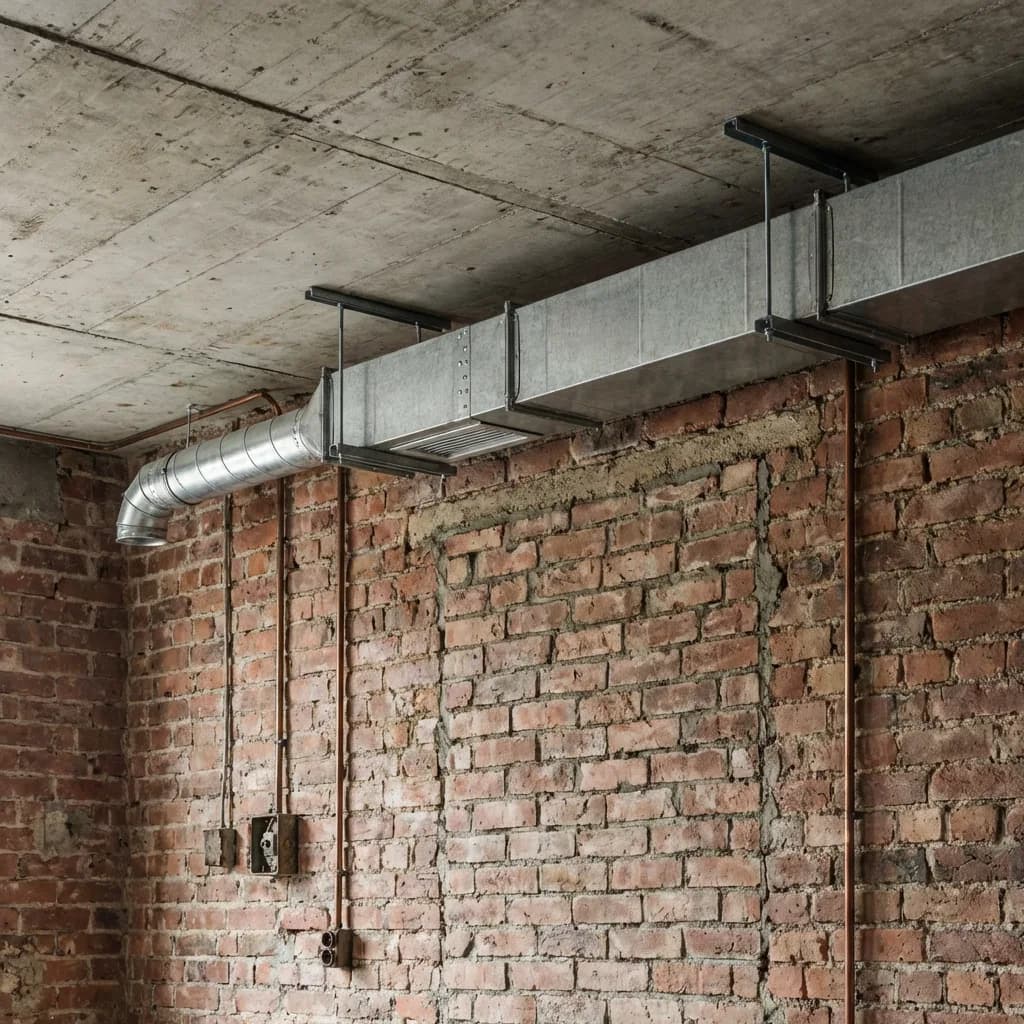
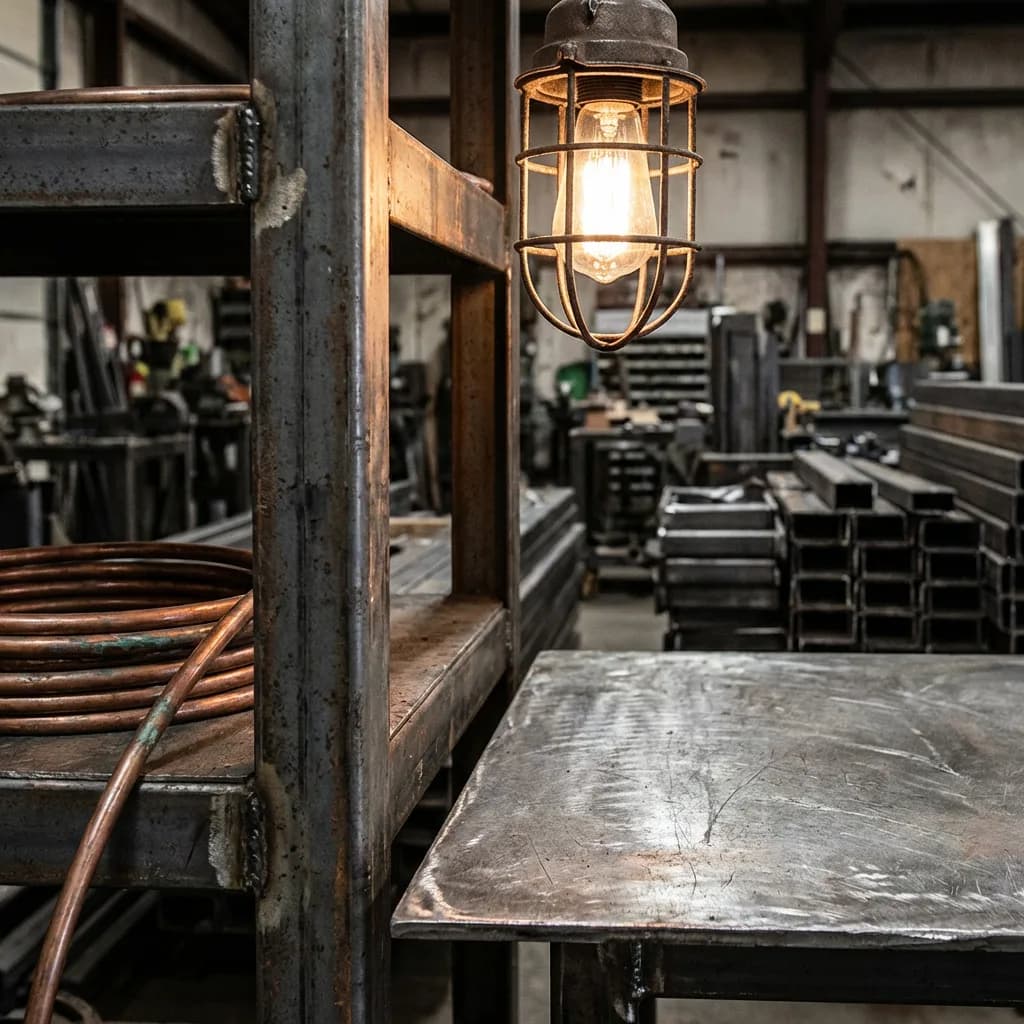
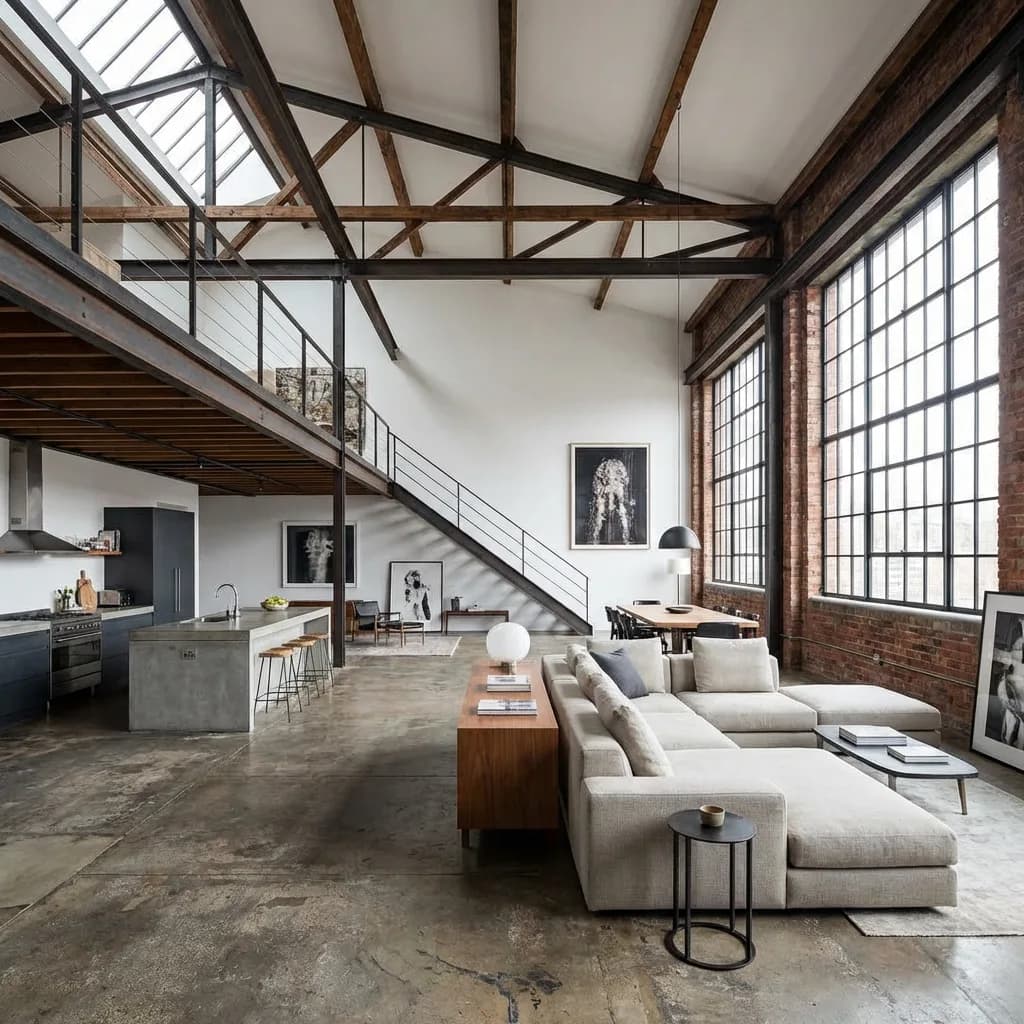
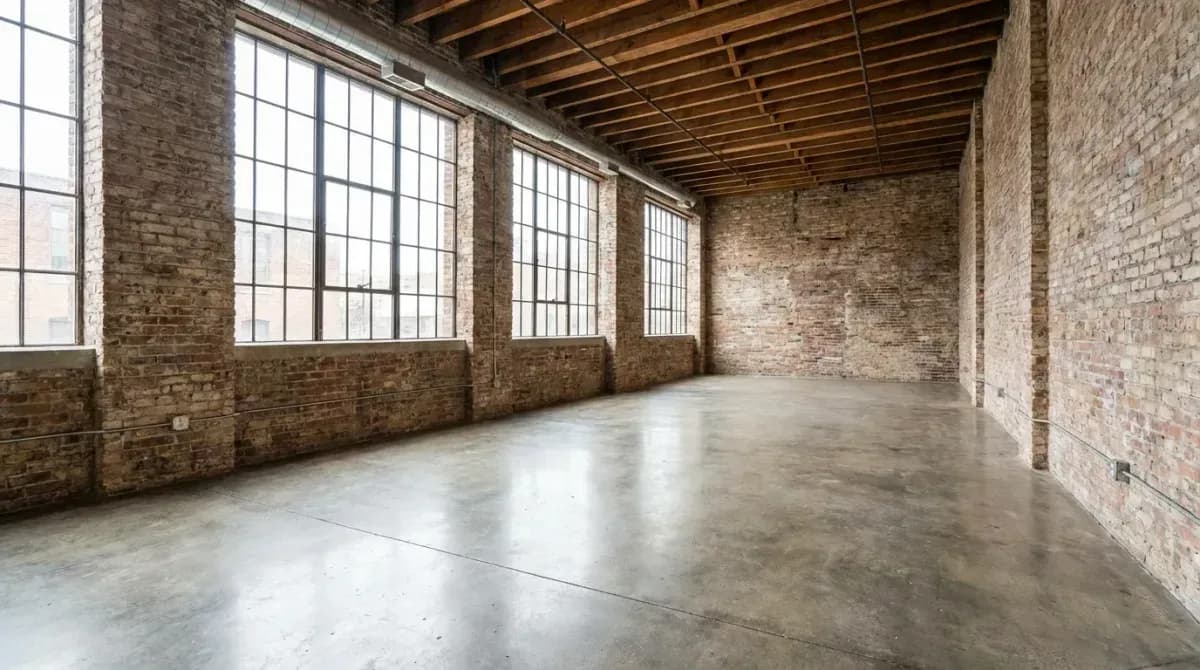
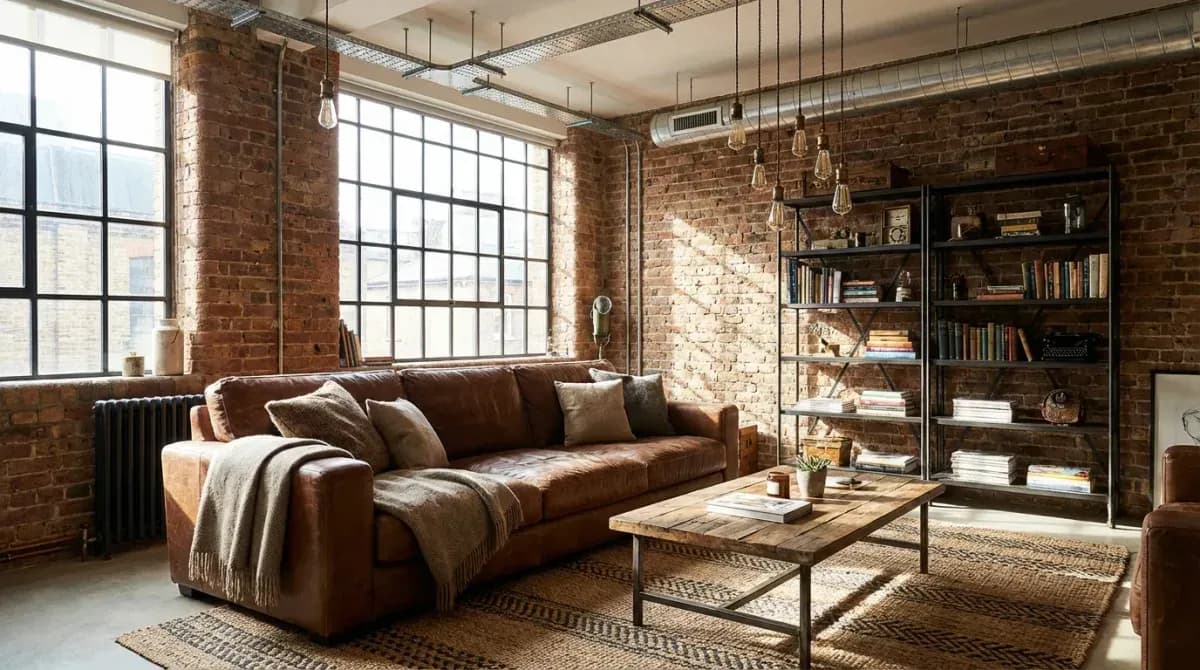
Industrial interiors celebrate what other styles hide: structural elements. Exposed brick walls, concrete floors or ceilings, visible ductwork and piping, and steel beams become decorative features. Materials are honest — metal, wood, leather, and glass in their natural or lightly finished states.
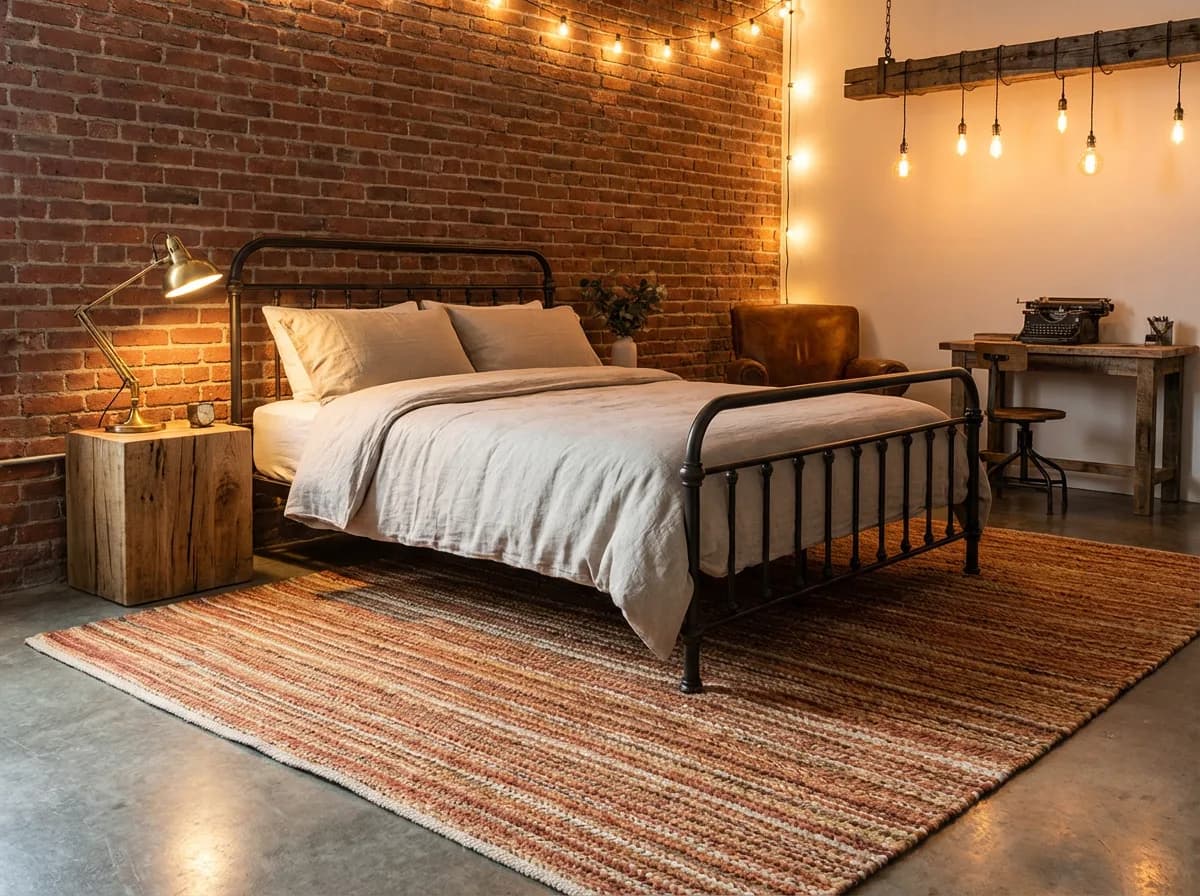
The key to livable industrial design is contrast. Raw materials need warmth: a leather Chesterfield against a brick wall, a sheepskin rug on a concrete floor, warm Edison bulbs softening iron fixtures. Without these contrasts, industrial spaces feel like construction sites rather than homes.
For Interior Designers
Industrial is a style that clients either love or find intimidating. AI renders bridge this gap — showing clients exactly how raw materials and warm furnishings balance in their actual space, not in a Pinterest photo of a Manhattan loft.
Generate multiple industrial variations: full urban loft, softened industrial-modern, industrial-farmhouse blend, or industrial-Scandinavian hybrid. Quickly find the level of rawness that resonates with each client.
For Real Estate Agents
Industrial staging is strategic for loft apartments, converted commercial spaces, and modern open-plan homes. The style adds perceived value and character — buyers see a lifestyle, not just a property.
Industrial-staged photos stand out in listing feeds. The texture and character create visual interest that generic staging lacks, increasing click-through rates and buyer engagement.
For Homeowners
Before committing to an industrial renovation — exposing brick, polishing concrete, installing metal fixtures — see how the aesthetic works in your space. Test the balance between raw and refined. See whether your room benefits from full industrial or a softer industrial-modern blend.