Why Traditional Design Endures as the Gold Standard of Elegant Interiors
Traditional interior design has survived every trend cycle for centuries because it's rooted in proportion, craftsmanship, and an understanding of how rooms make people feel. While trends come and go, a well-appointed traditional room looks as compelling today as it did fifty years ago.
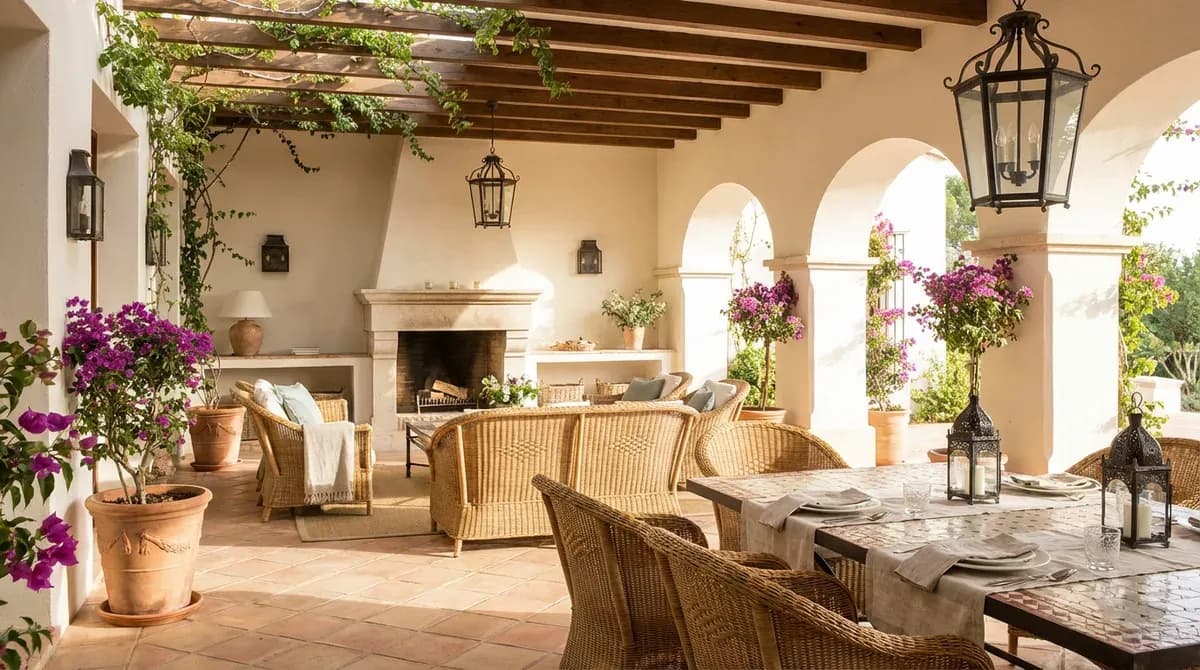
The style draws from European decorative traditions — English Georgian symmetry, French Provincial elegance, American Federal refinement — creating interiors that feel both grand and welcoming. It's the style of country houses, boutique hotels, and homes where quality is valued over novelty.
The Core Elements of Traditional Design
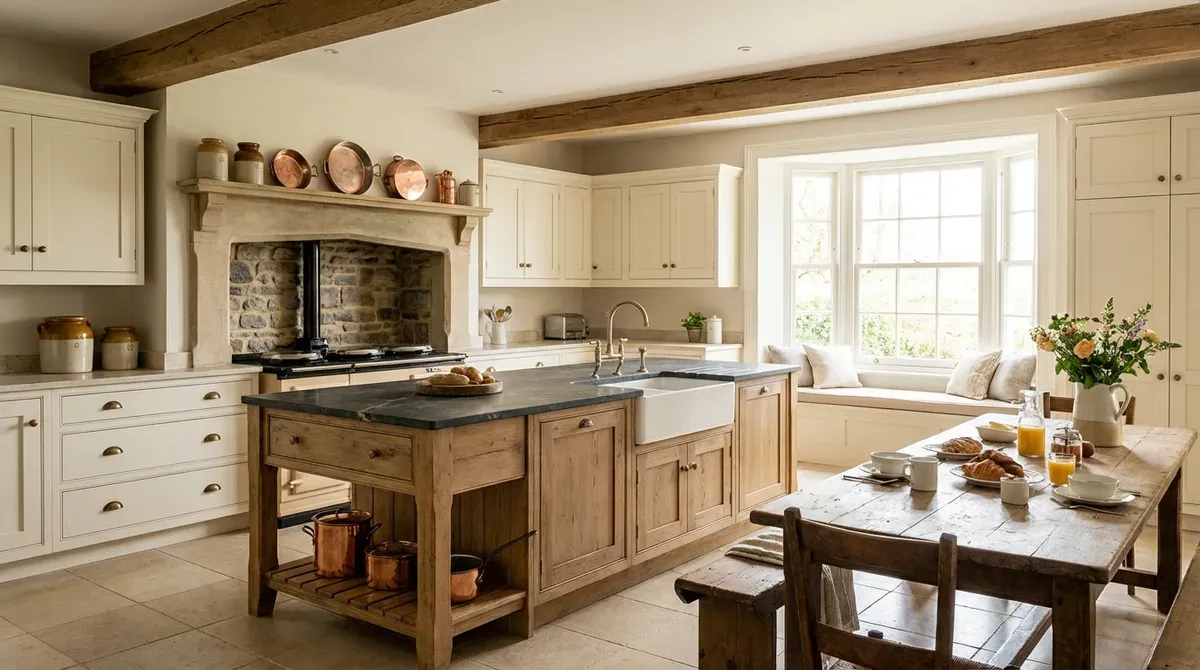
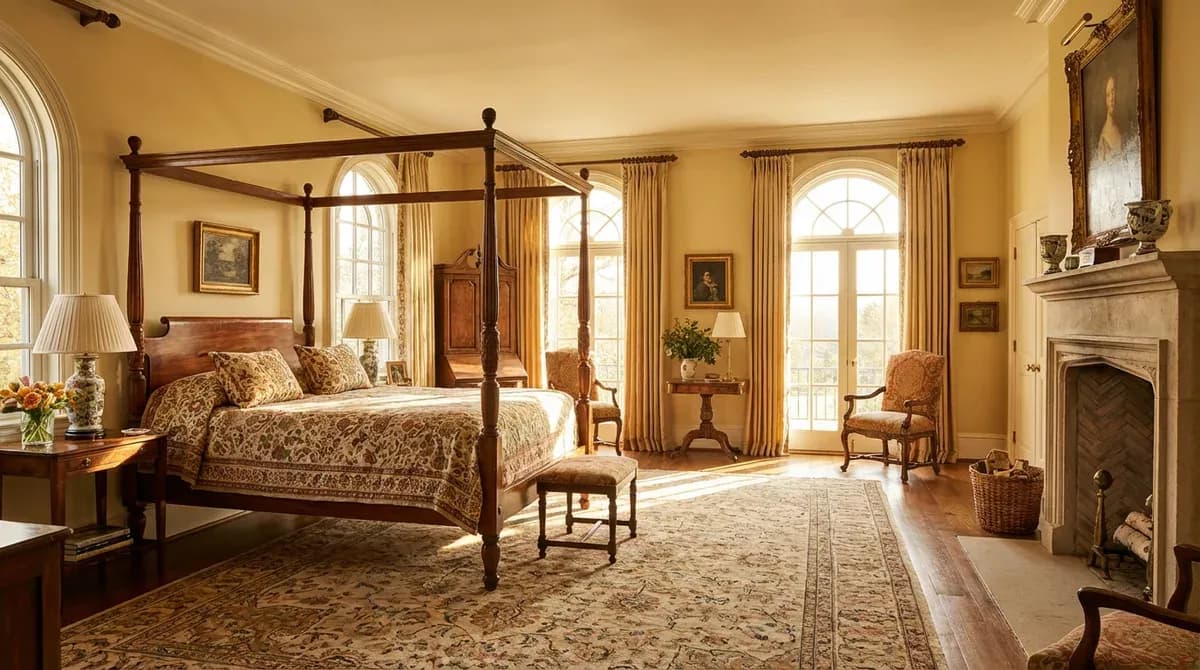
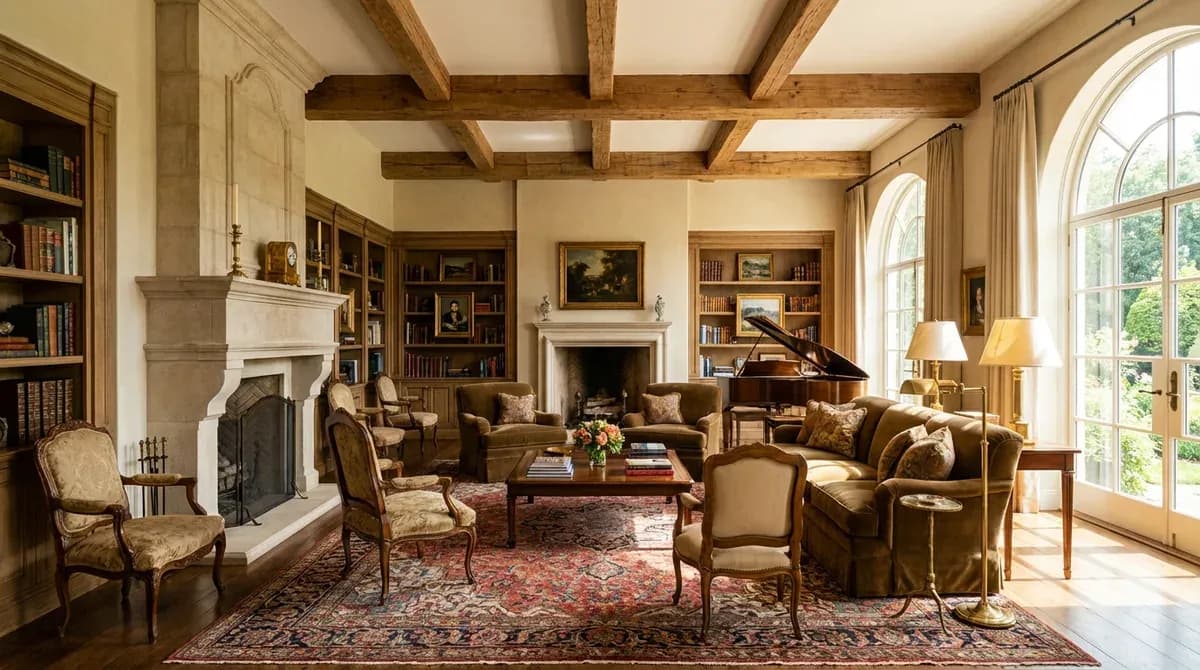
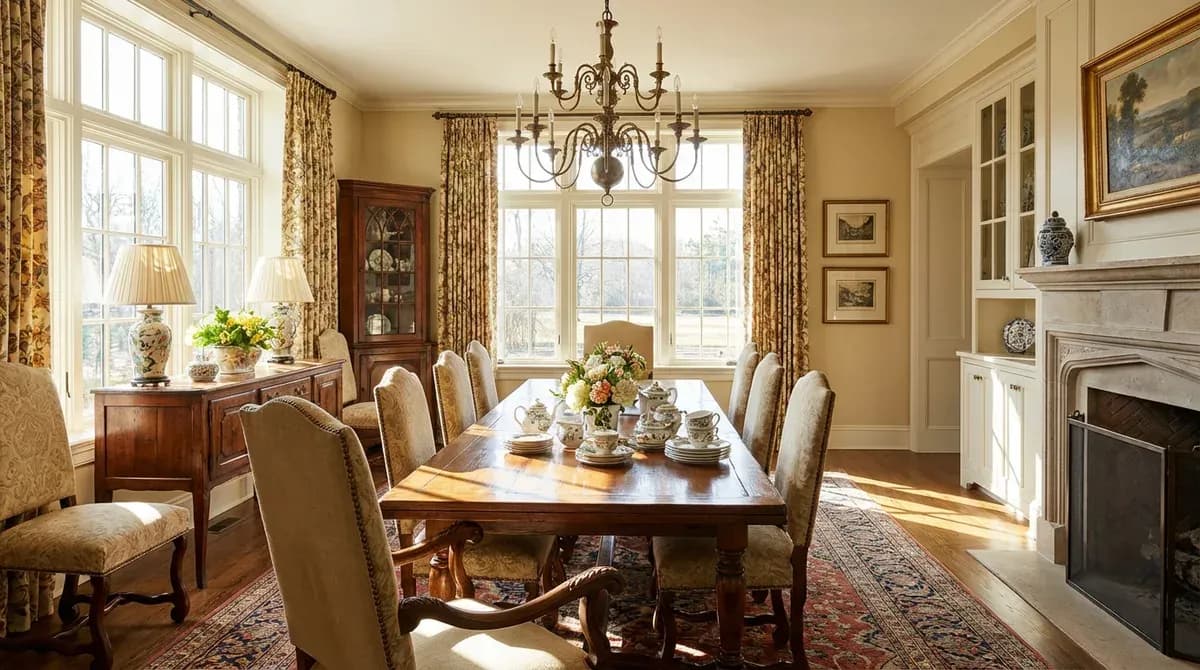
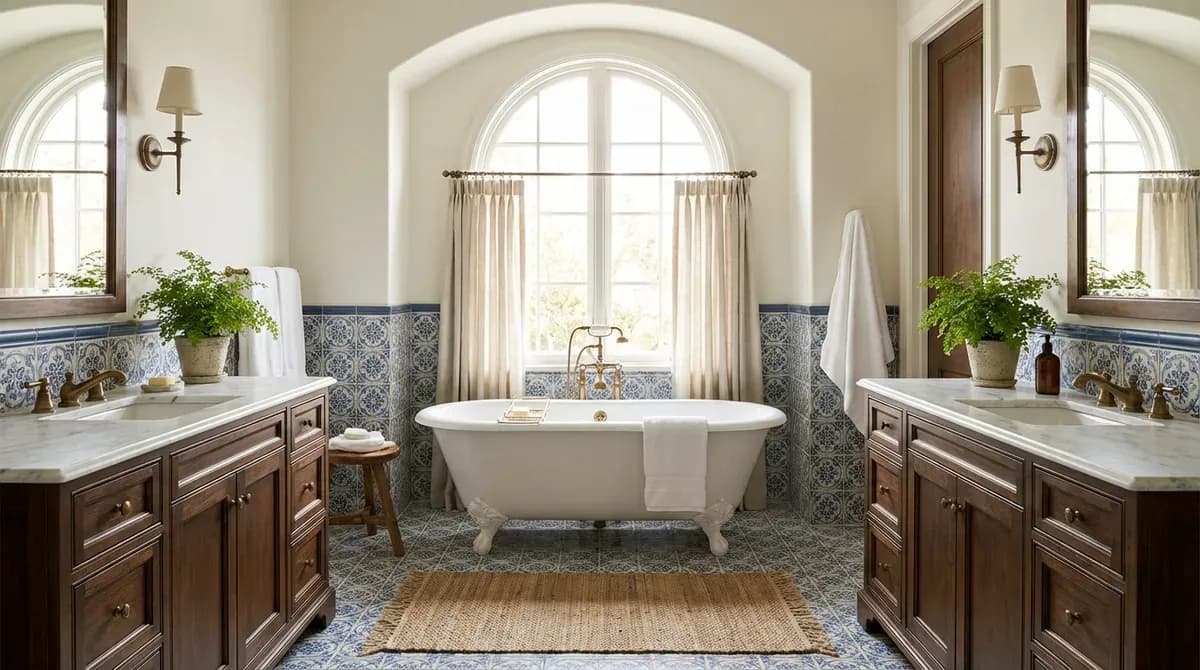
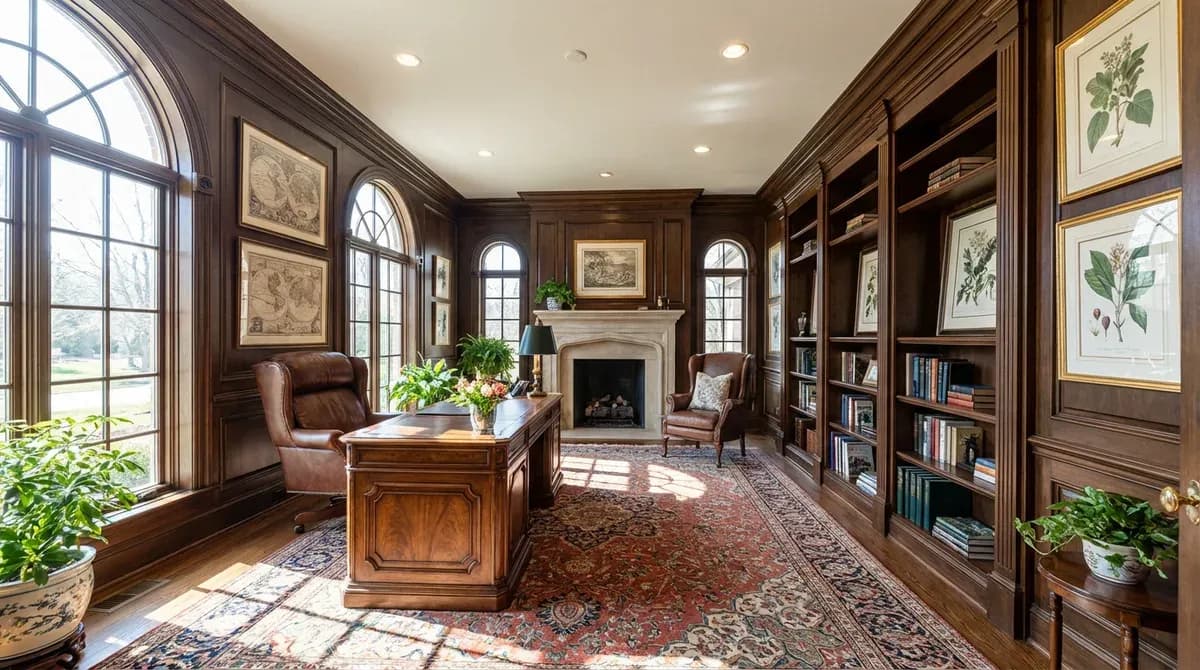
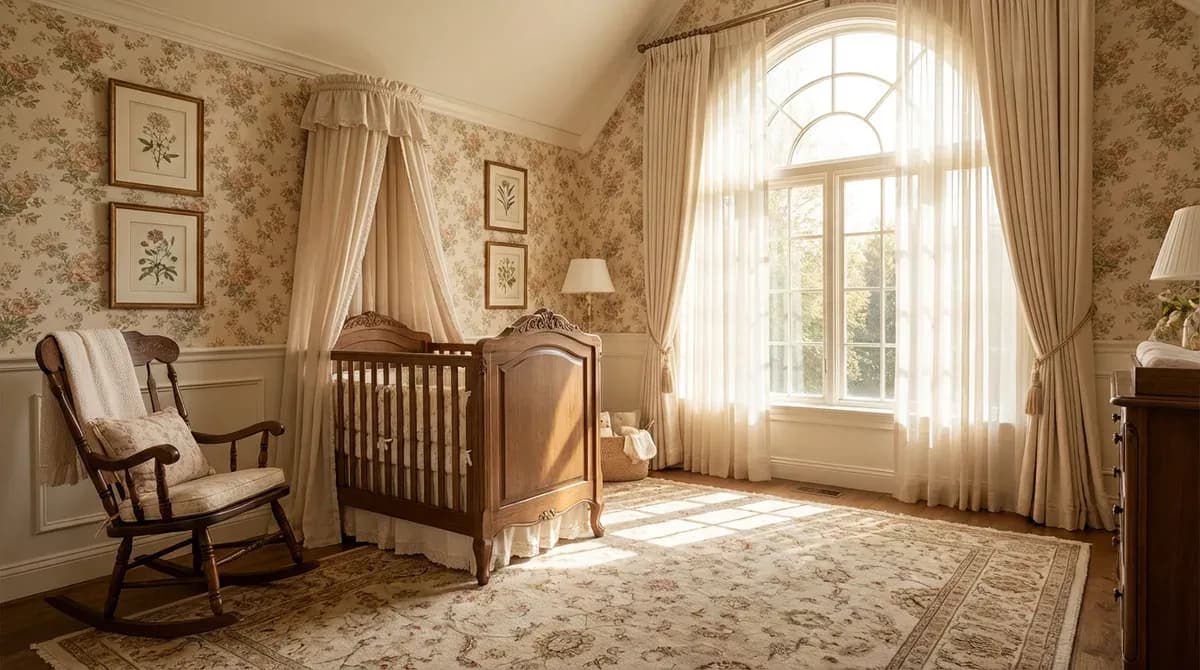
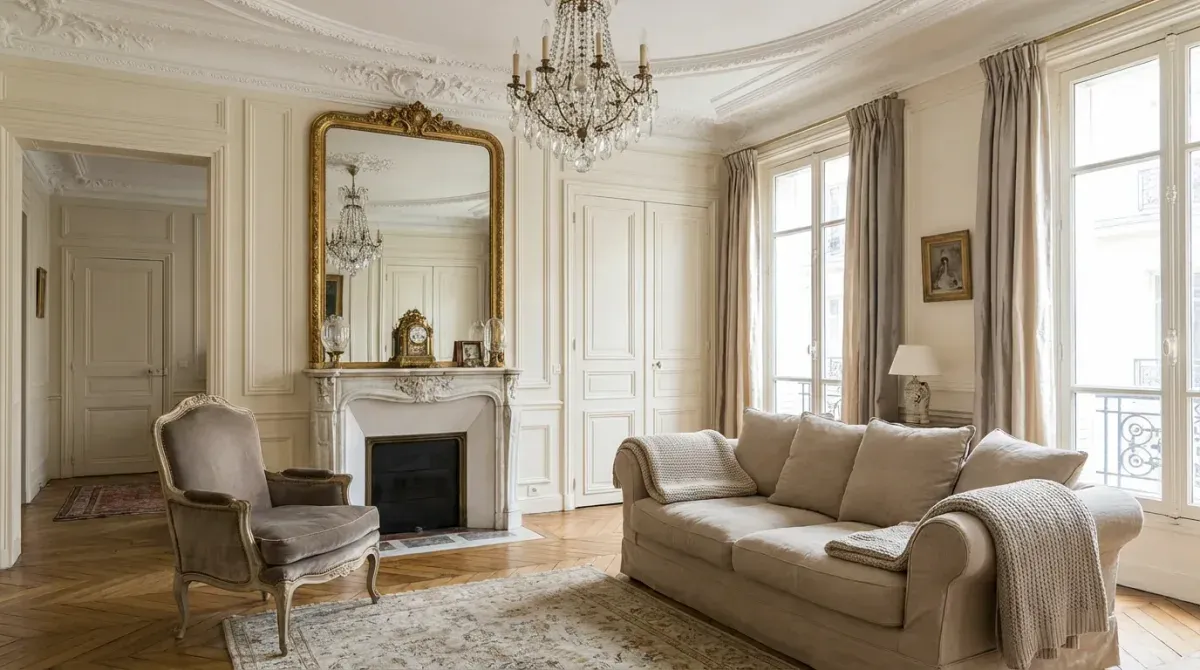
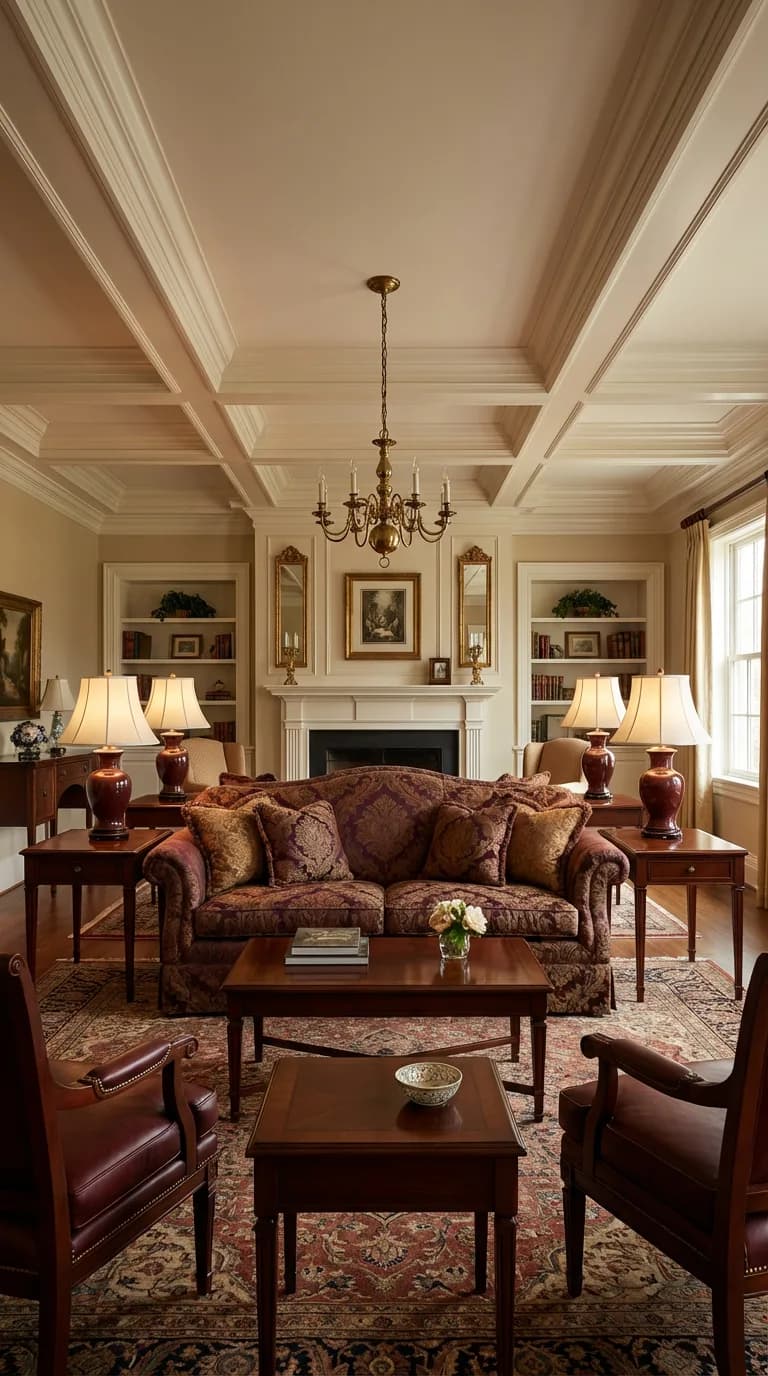
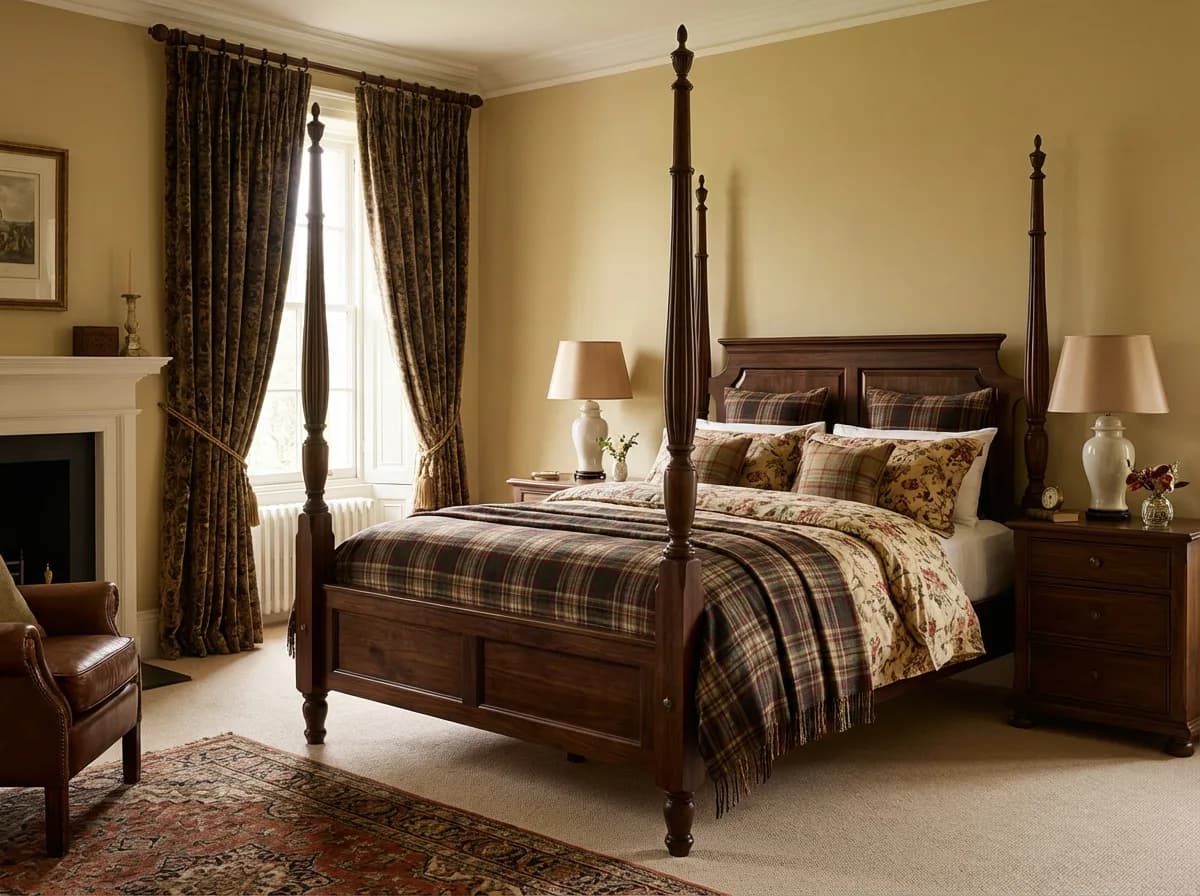
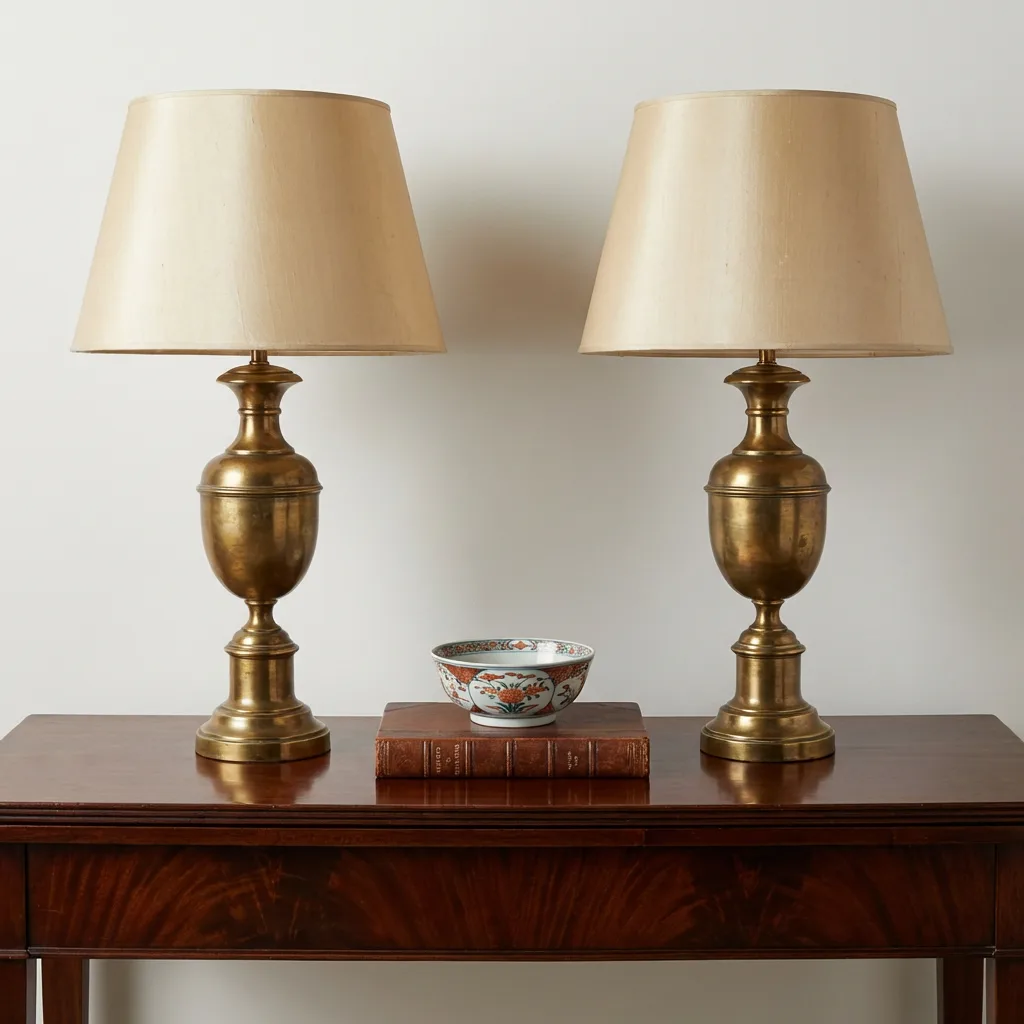
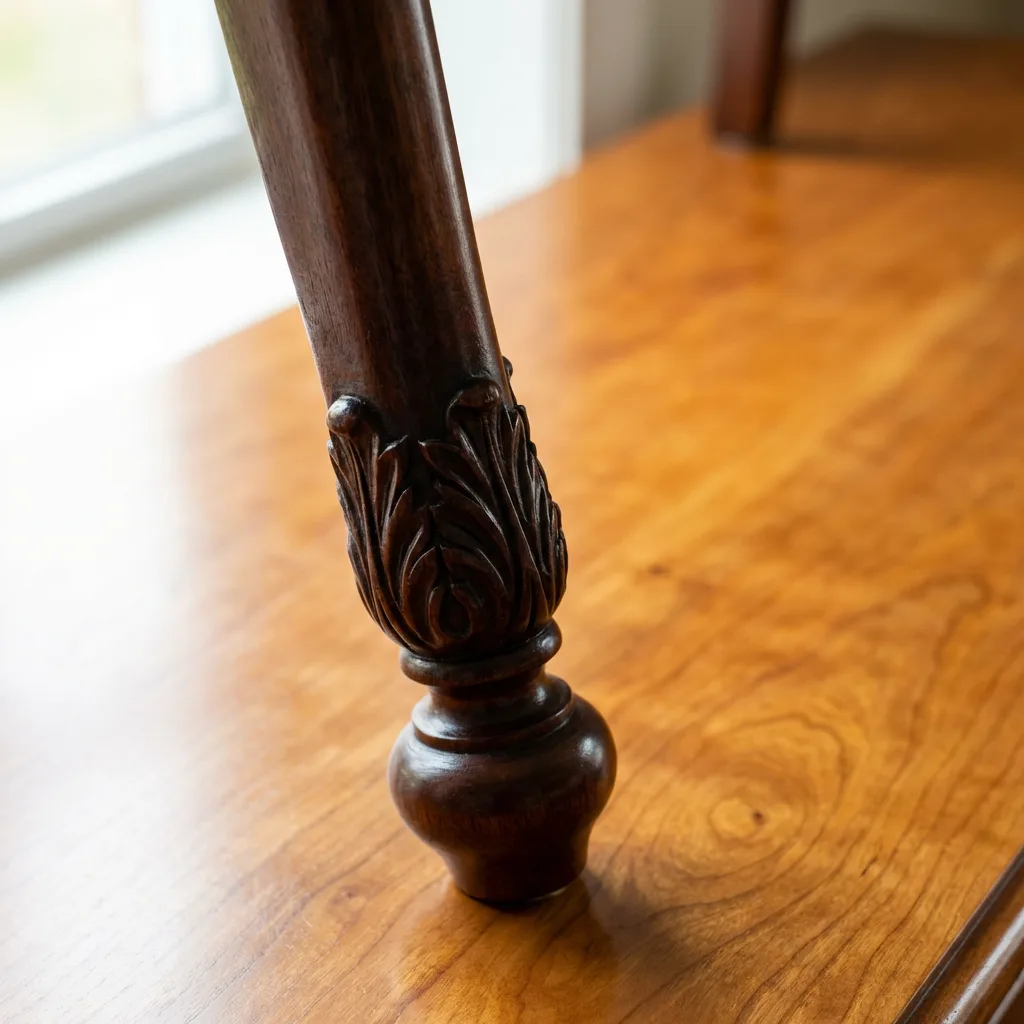
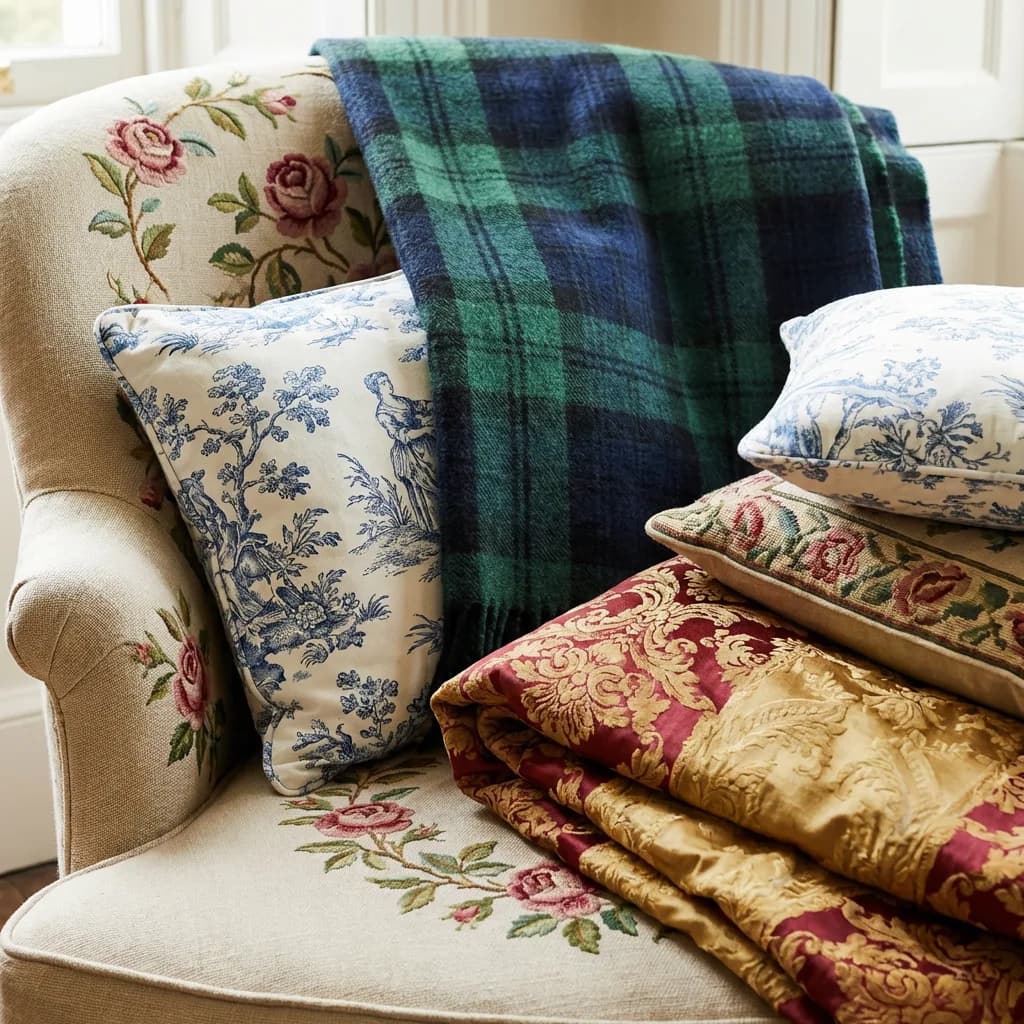
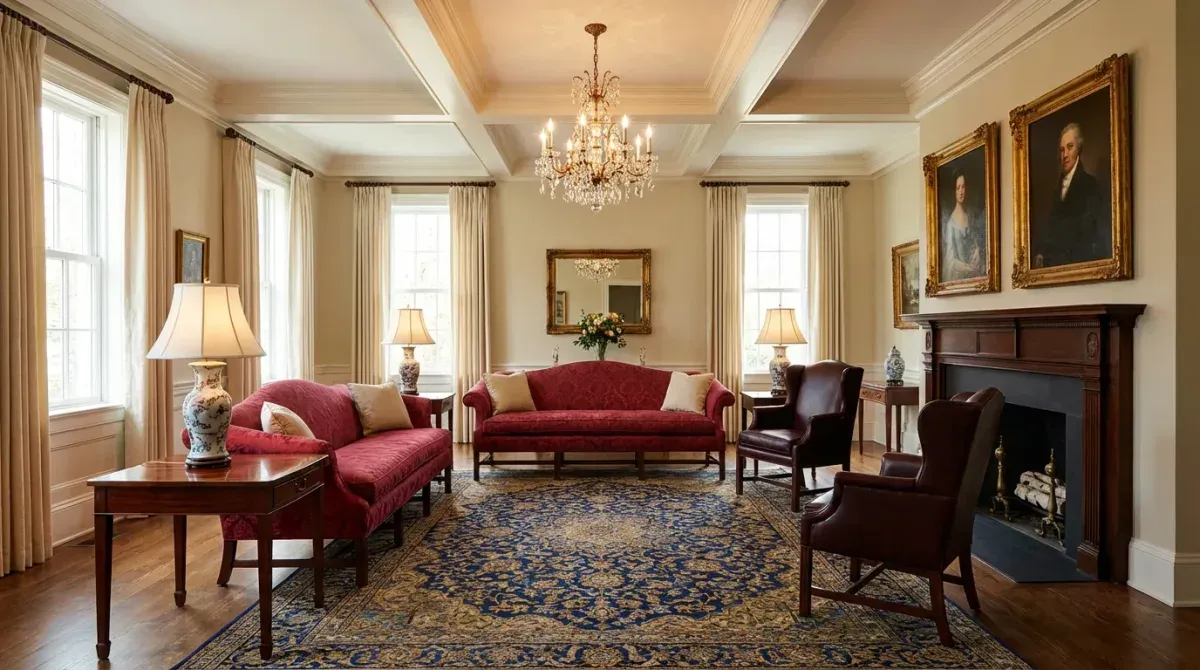
Traditional interiors are built on symmetry: matched pairs of lamps, chairs, and artwork flanking focal points like fireplaces and windows. Furniture is substantial — mahogany, cherry, or walnut pieces with carved details, turned legs, and rich finishes. Upholstery features classic patterns: damask, toile, floral, plaid, and stripe.
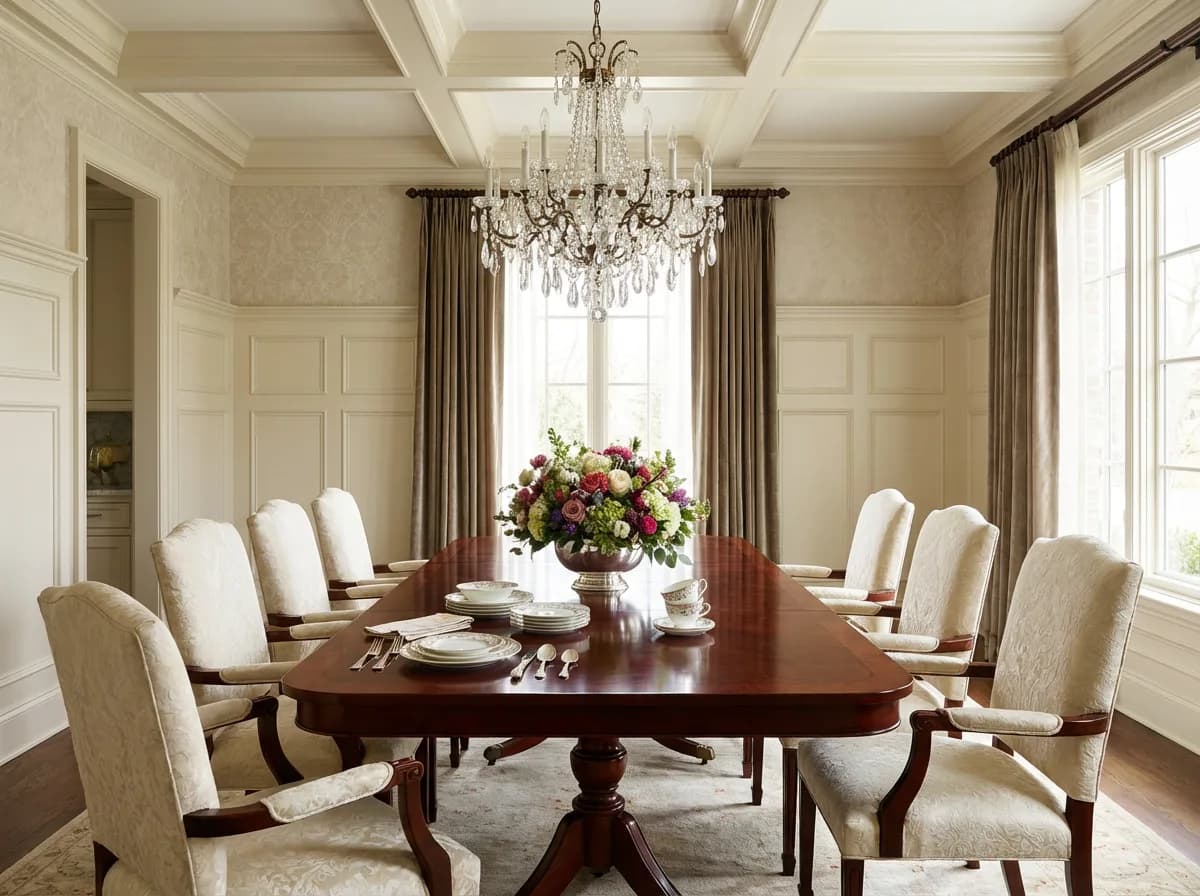
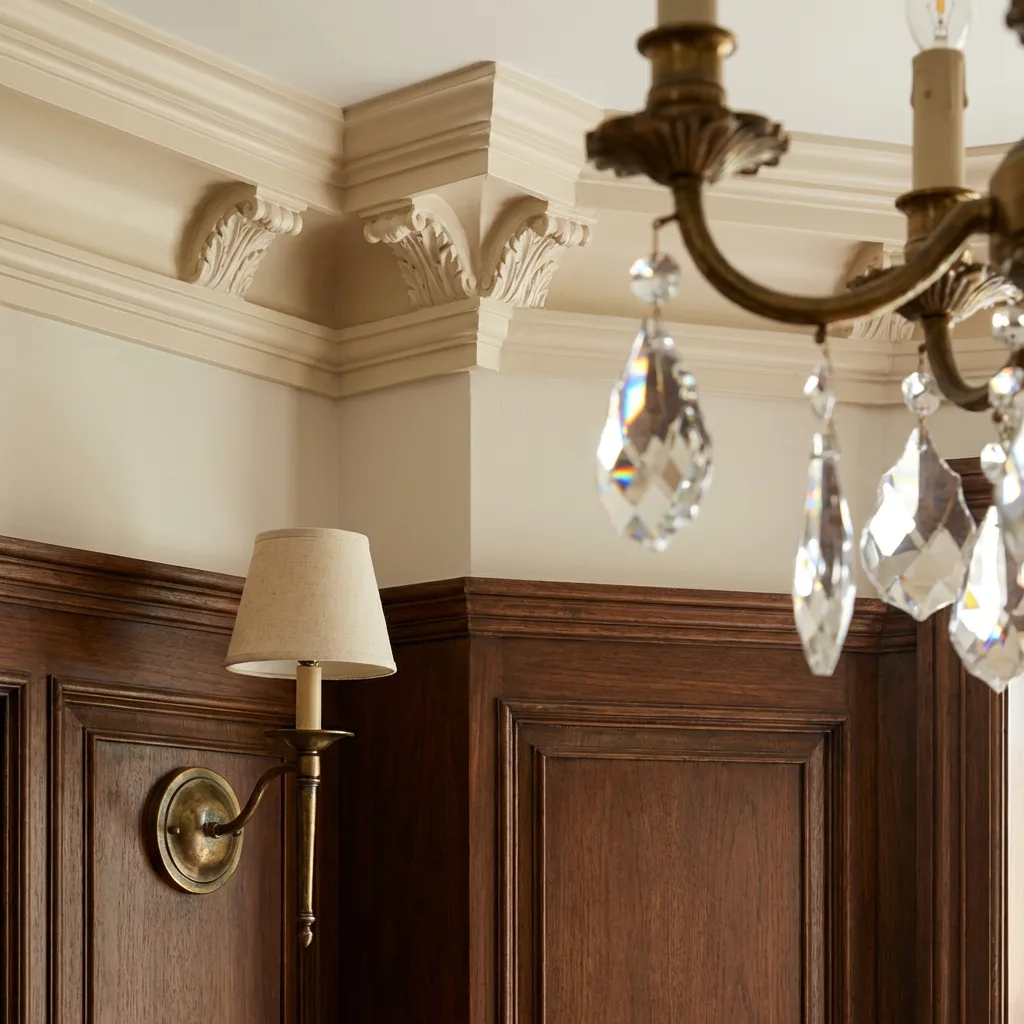
Architectural details elevate traditional rooms: crown molding, wainscoting, panel doors, built-in bookshelves, and fireplace mantels. These elements create visual depth and a sense of permanence that flat, unadorned walls cannot achieve.
For Interior Designers
Traditional design requires mastery of proportion, pattern mixing, and furniture arrangement. AI renders let you test these compositions before committing — showing clients how a Chippendale sofa relates to a wingback chair, or how damask drapery balances a plaid rug.
Generate variations from formal traditional to relaxed country house, from dark and dramatic to light and airy traditional. Help clients find their comfort level on the formality spectrum without ordering a single fabric swatch.
For Real Estate Agents
Traditional staging signals quality and permanence. For period homes, estates, and upscale properties, traditional staging creates an emotional connection that modern staging often lacks. Buyers see a home with heritage, not just a property.
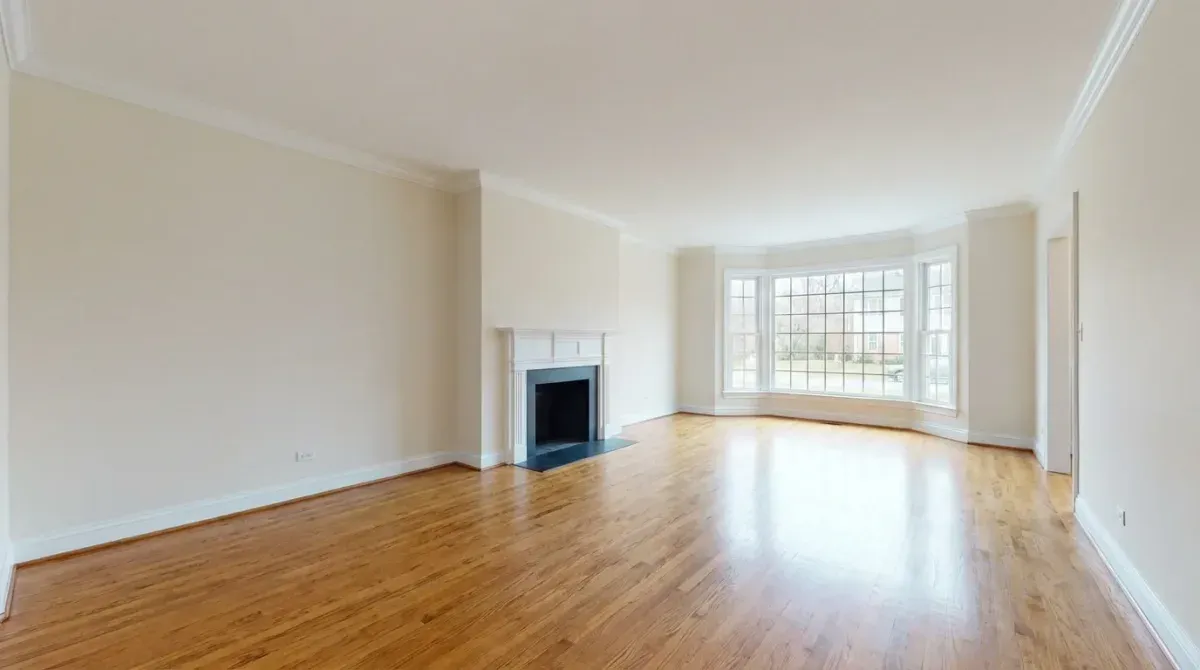
AI traditional staging is especially valuable for vacant period homes that feel cold and echoey without furnishings. Rich wood furniture, layered textiles, and warm lighting transform empty rooms into inviting spaces that photograph beautifully.
For Homeowners
Before investing in traditional furnishings — which tend to be higher-quality and higher-cost — see how the style works in your rooms. Test formal vs relaxed traditional, dark vs medium wood tones, and bold vs subtle pattern choices.