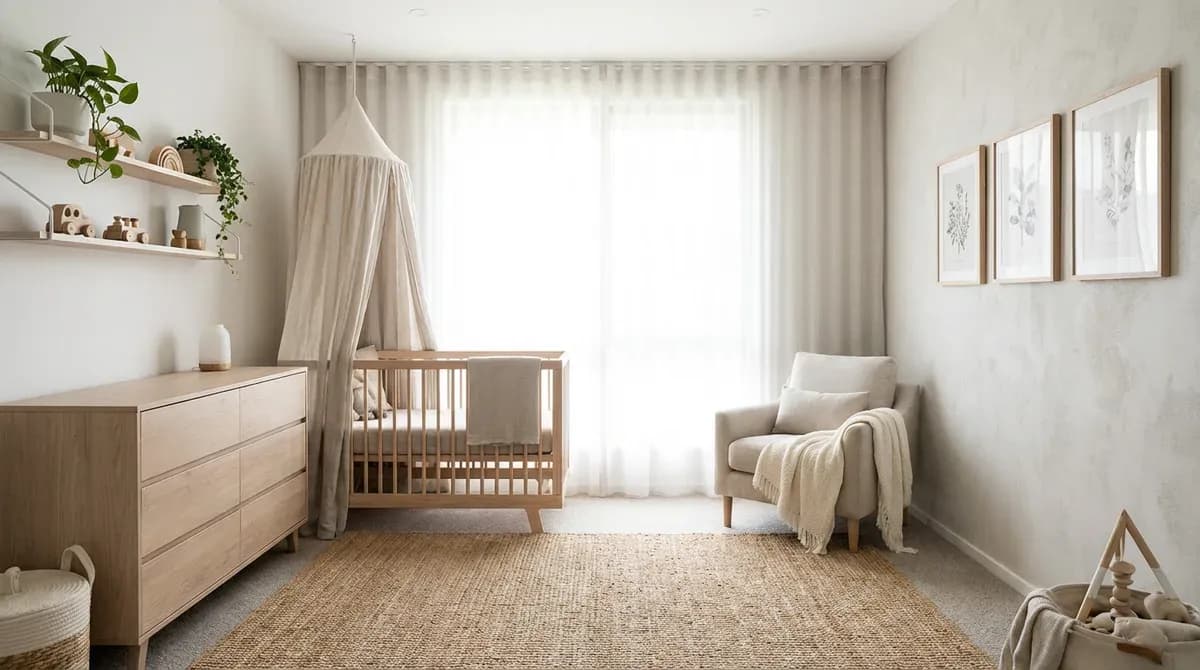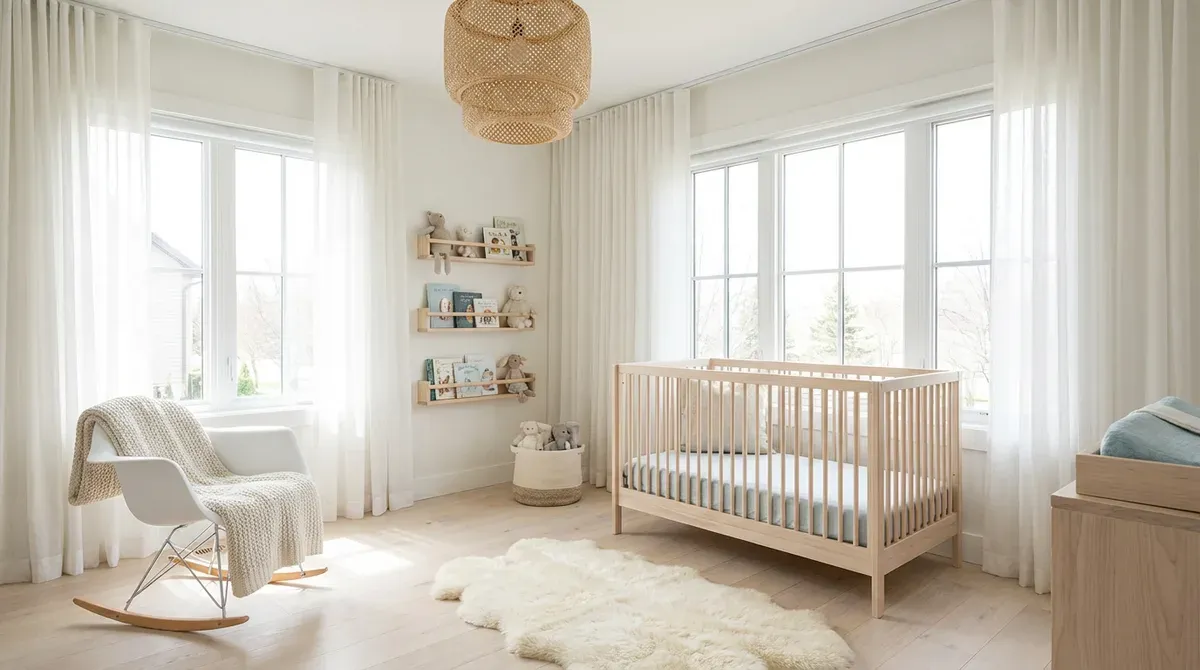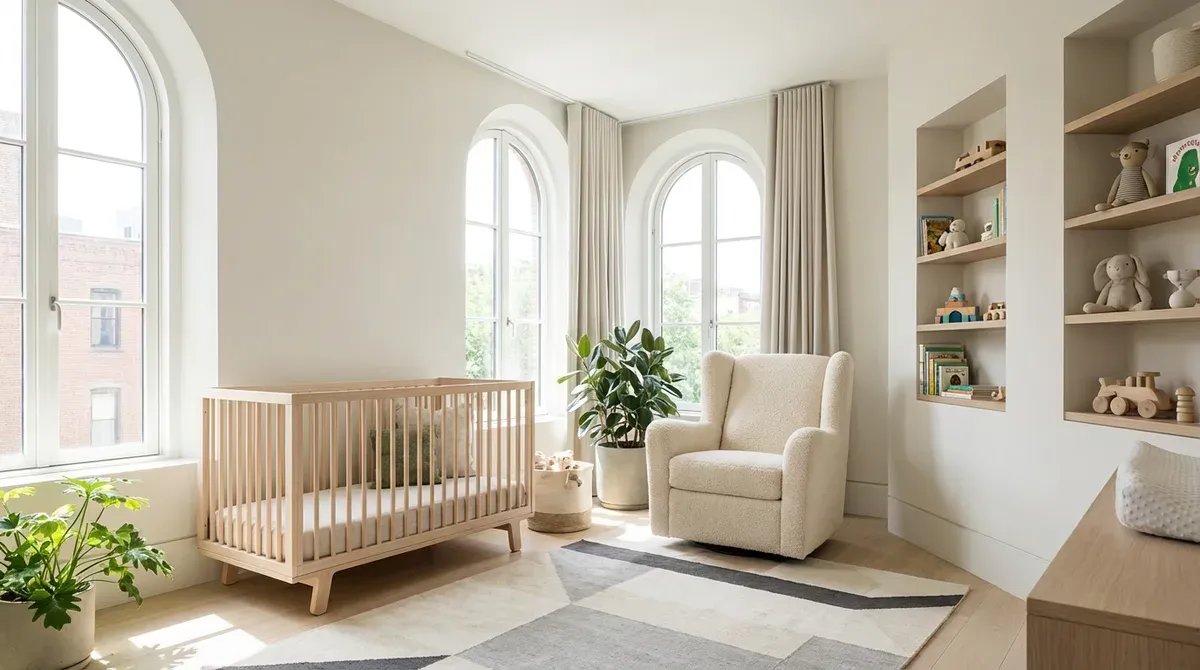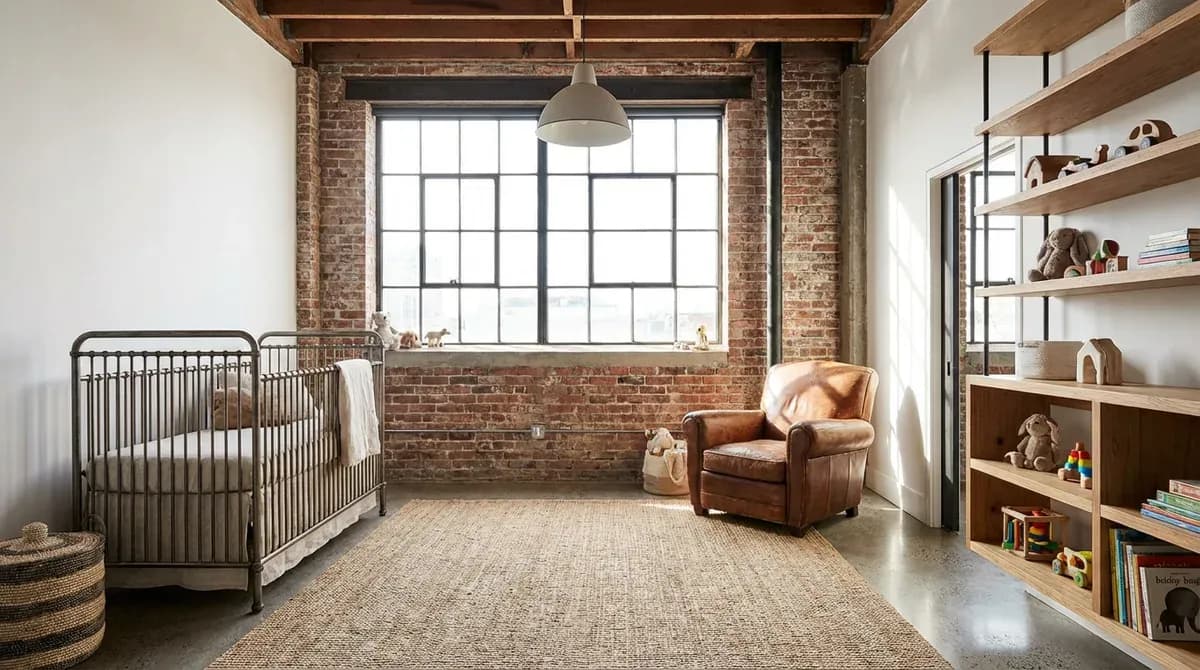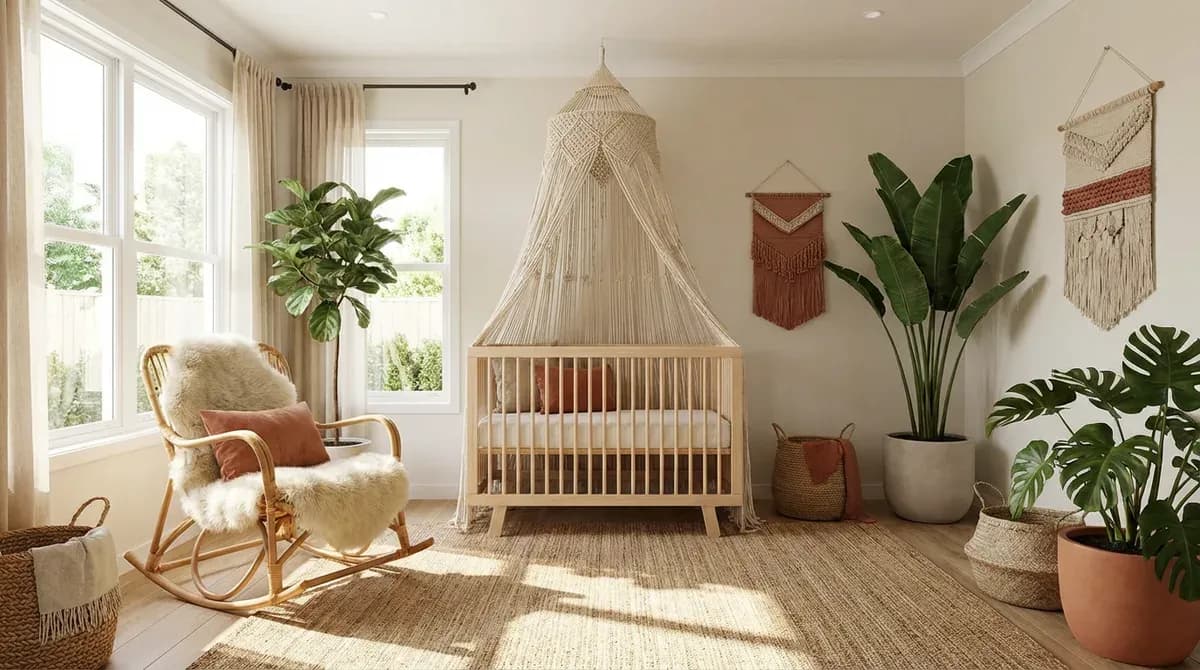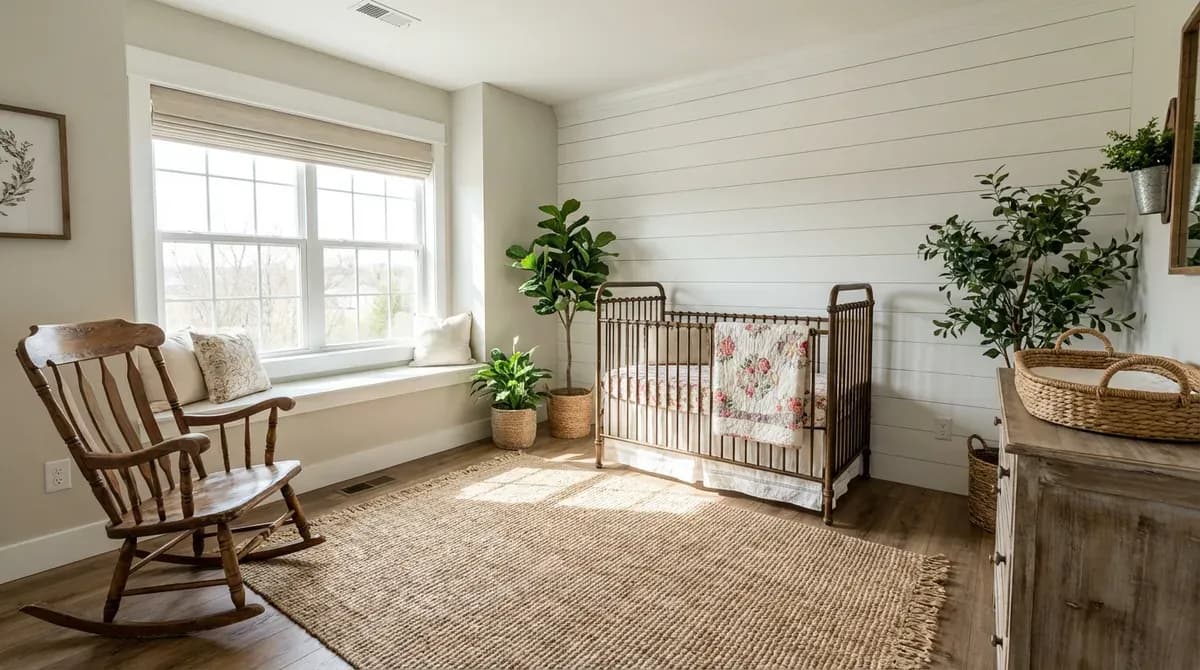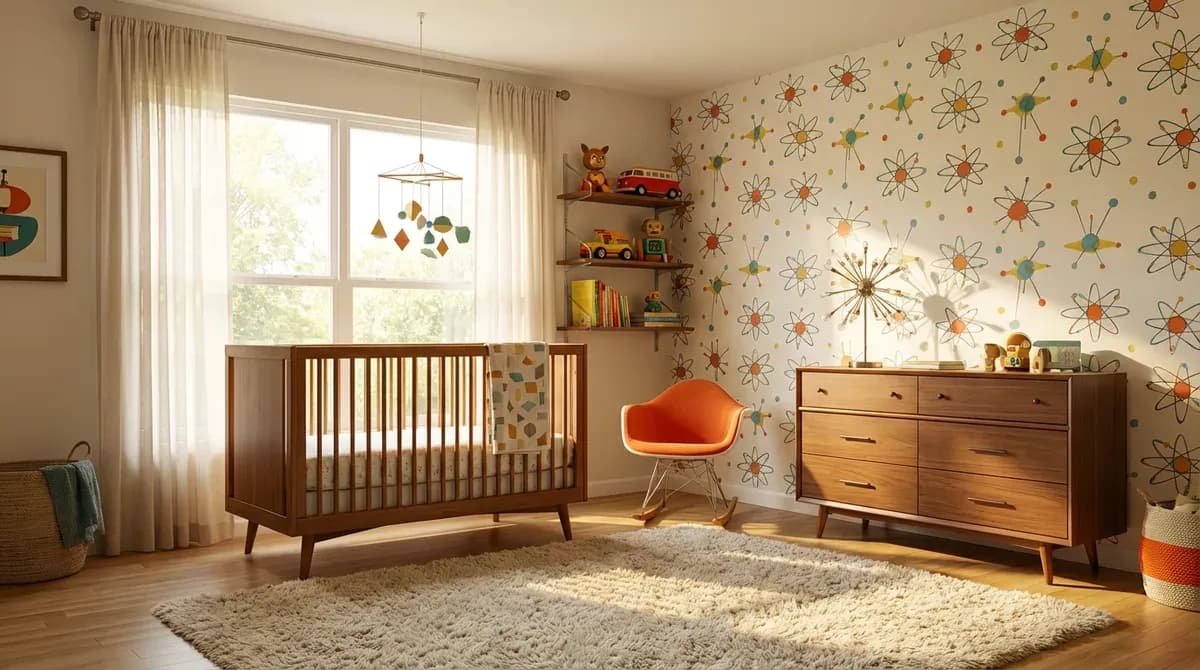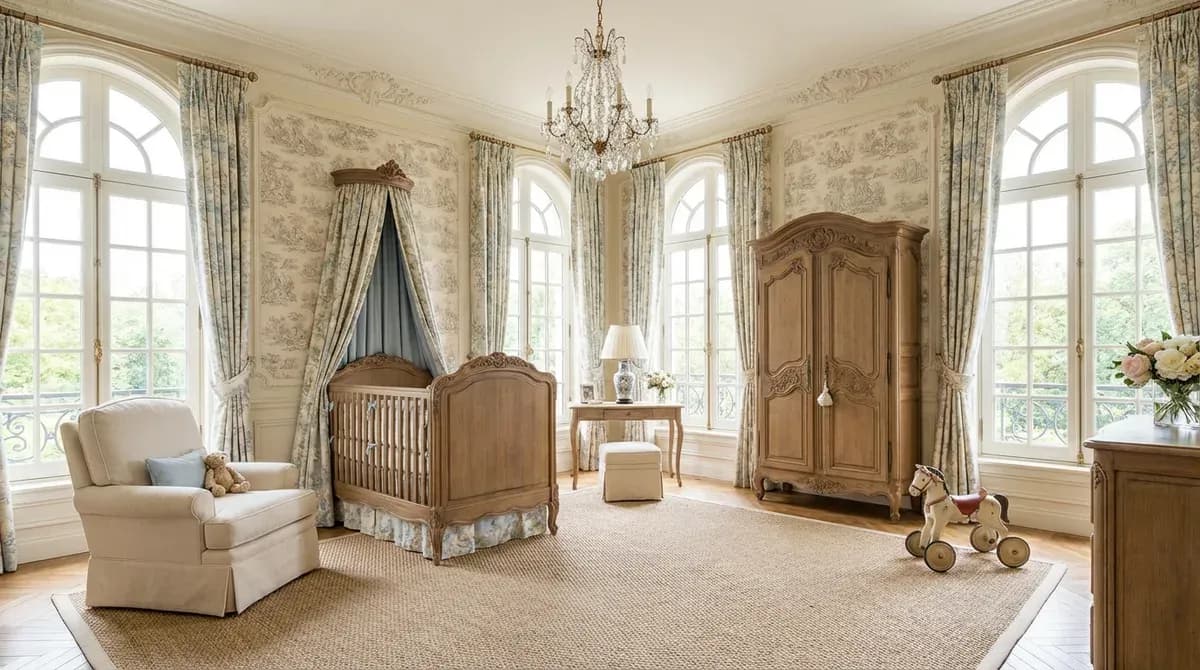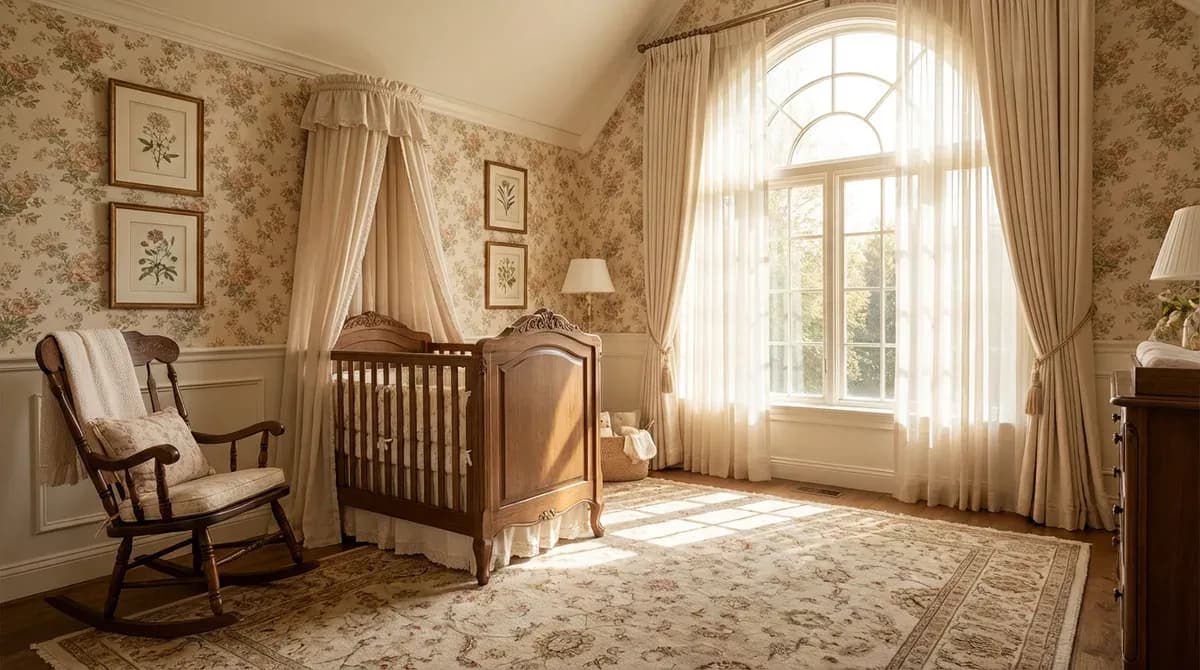
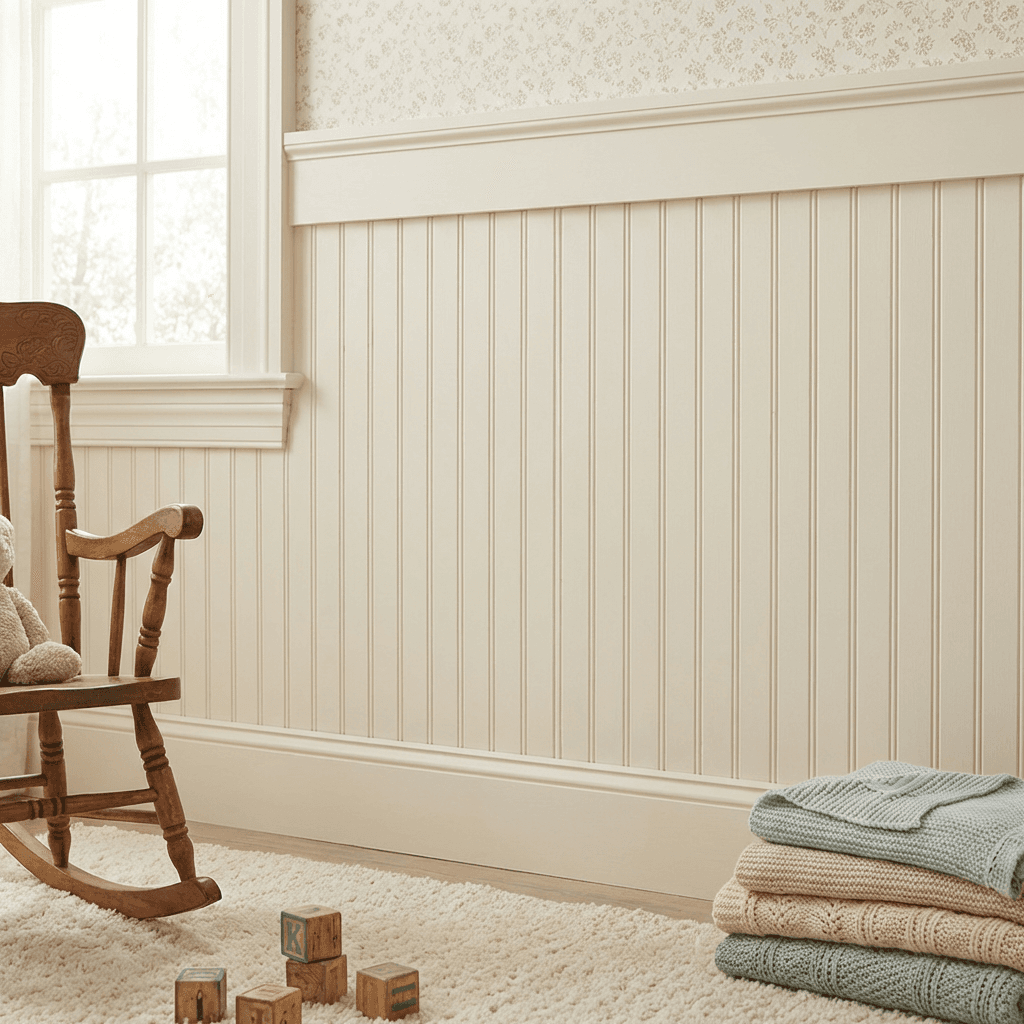
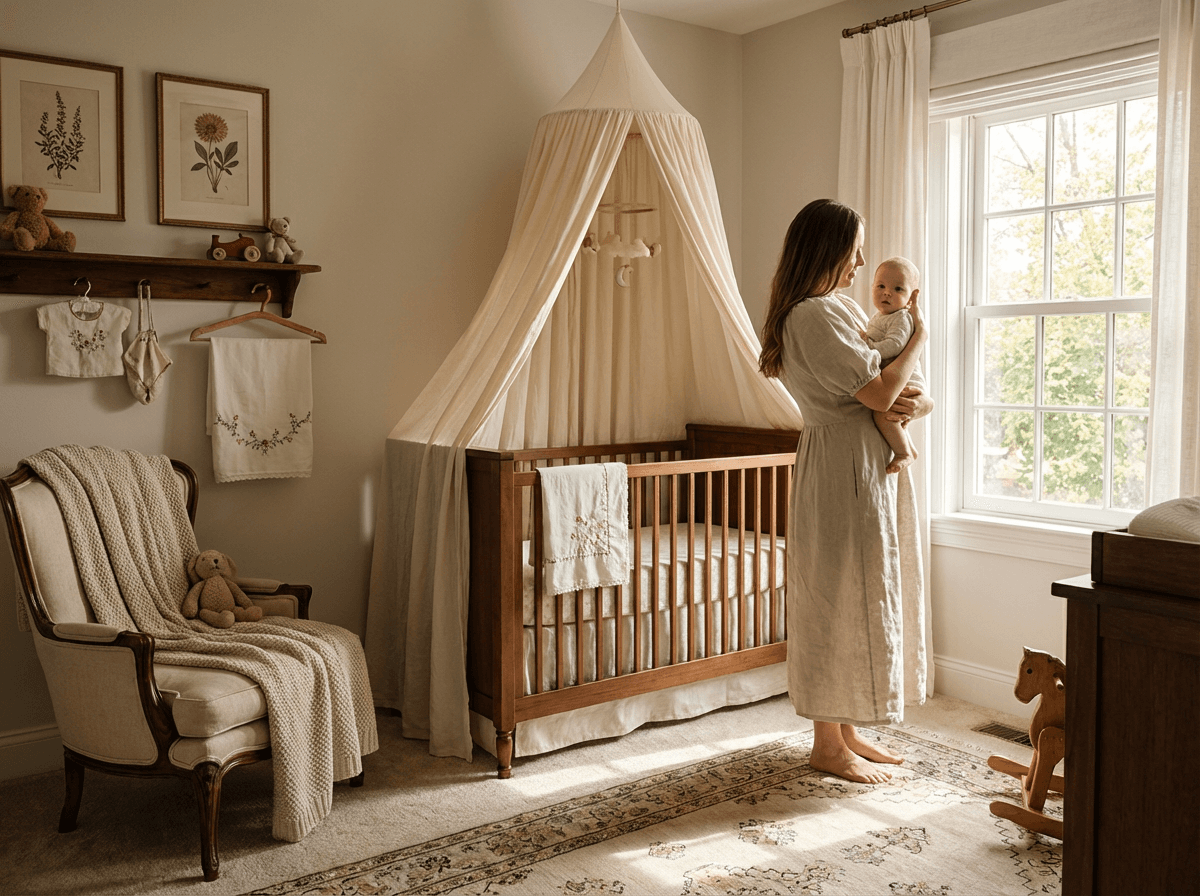
A traditional nursery is a room designed with the long view in mind. While trend-driven nurseries need redecorating every few years, a traditionally designed nursery — with its wainscoting, convertible furniture, and classic palette — transitions gracefully from newborn to toddler to young child with nothing more than a change of bedding and a few new prints on the wall.
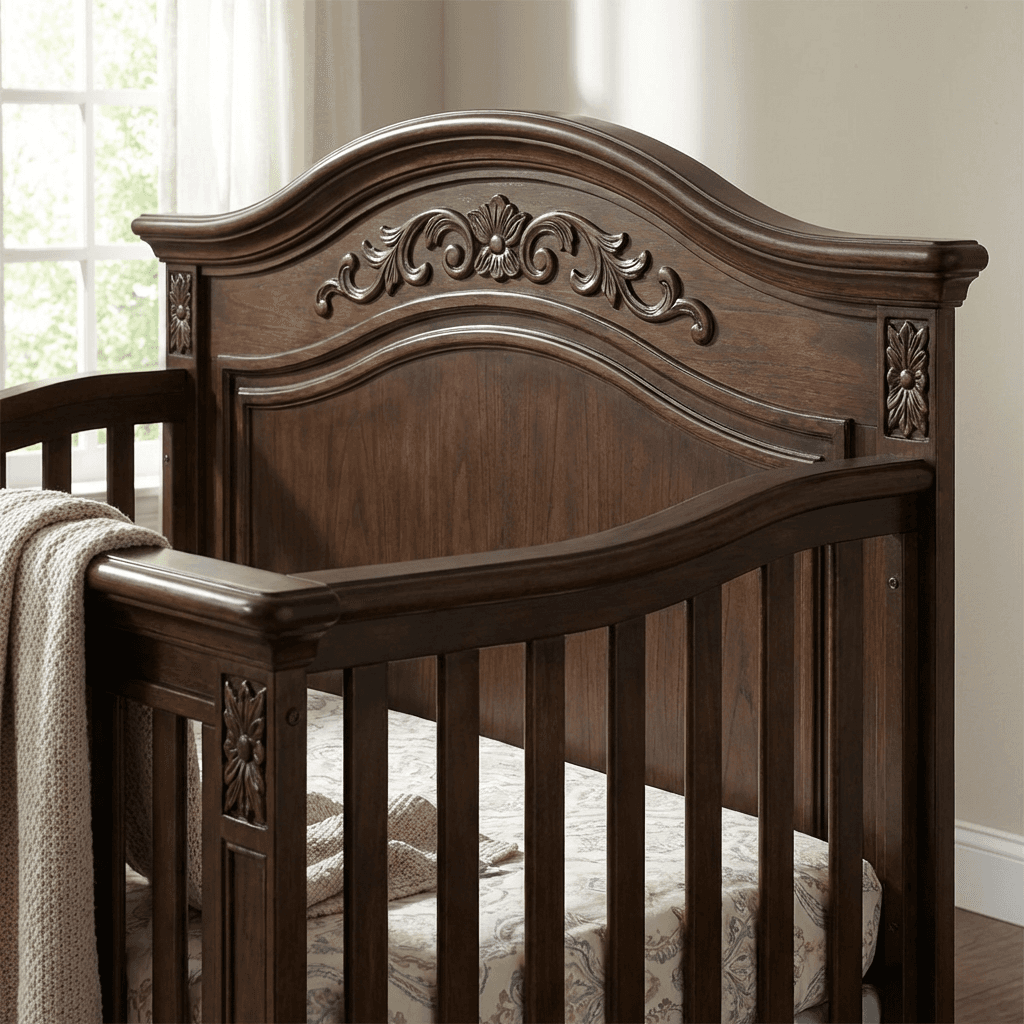
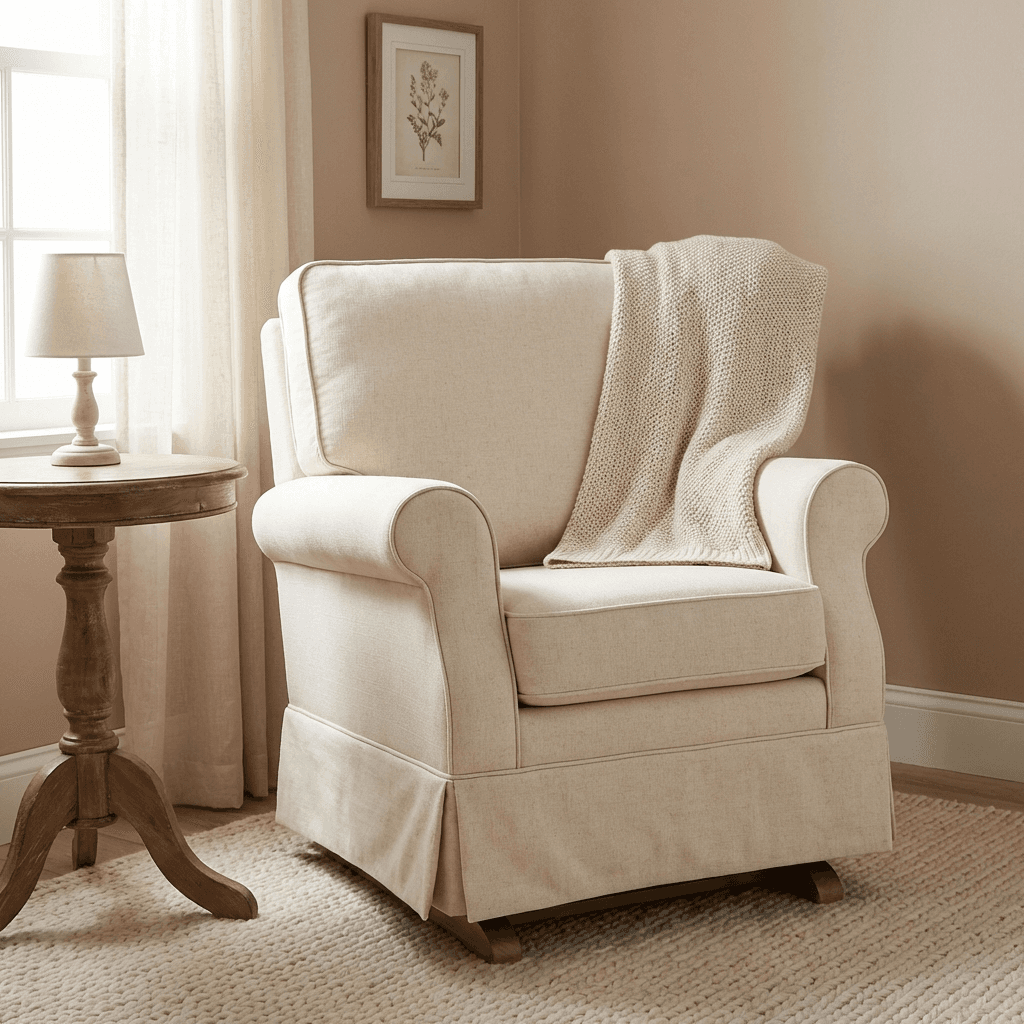
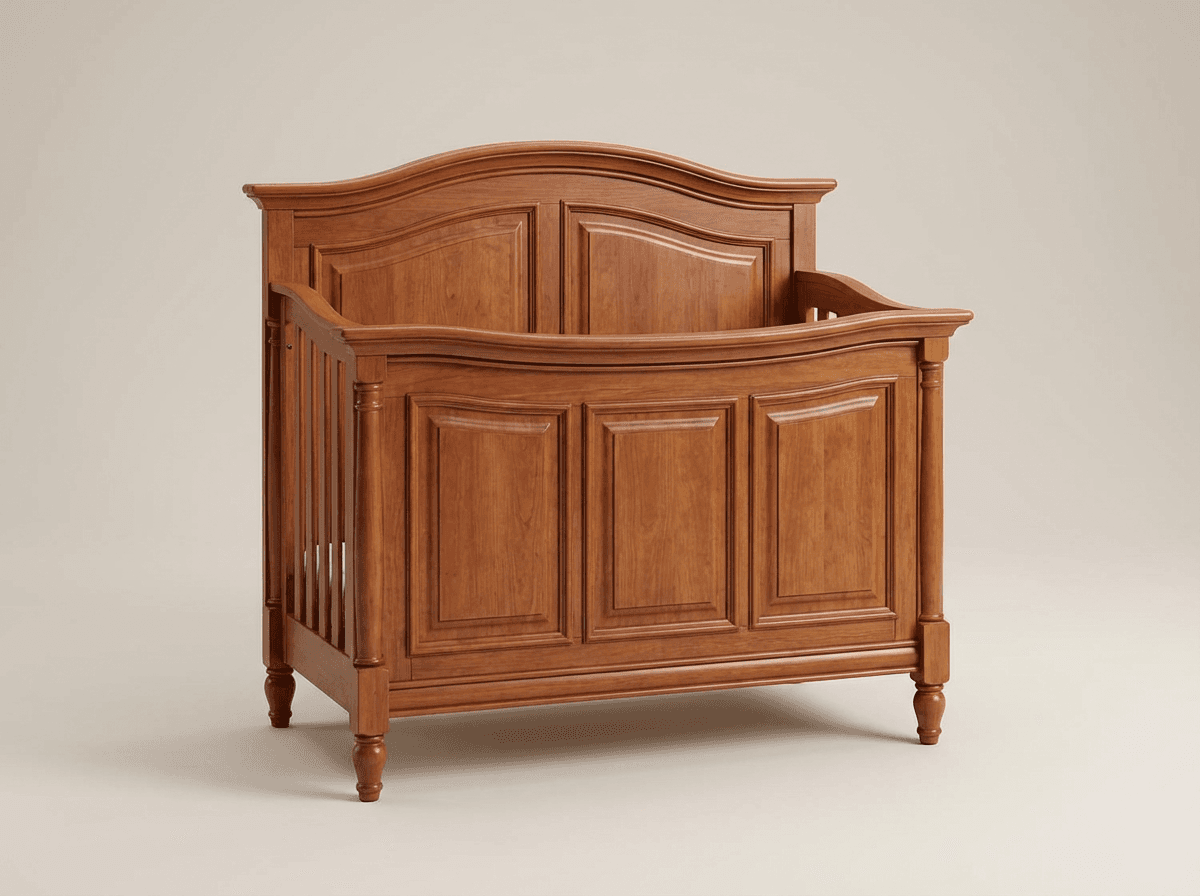
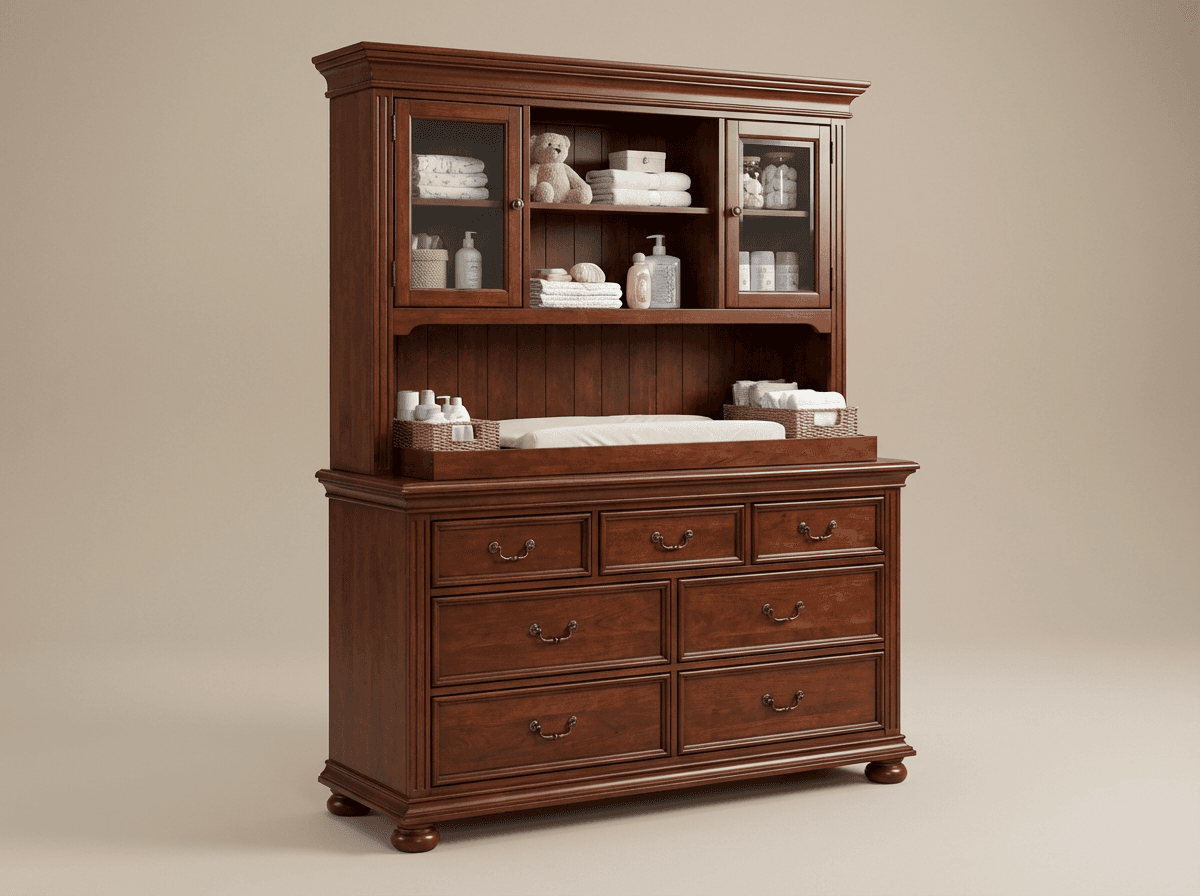
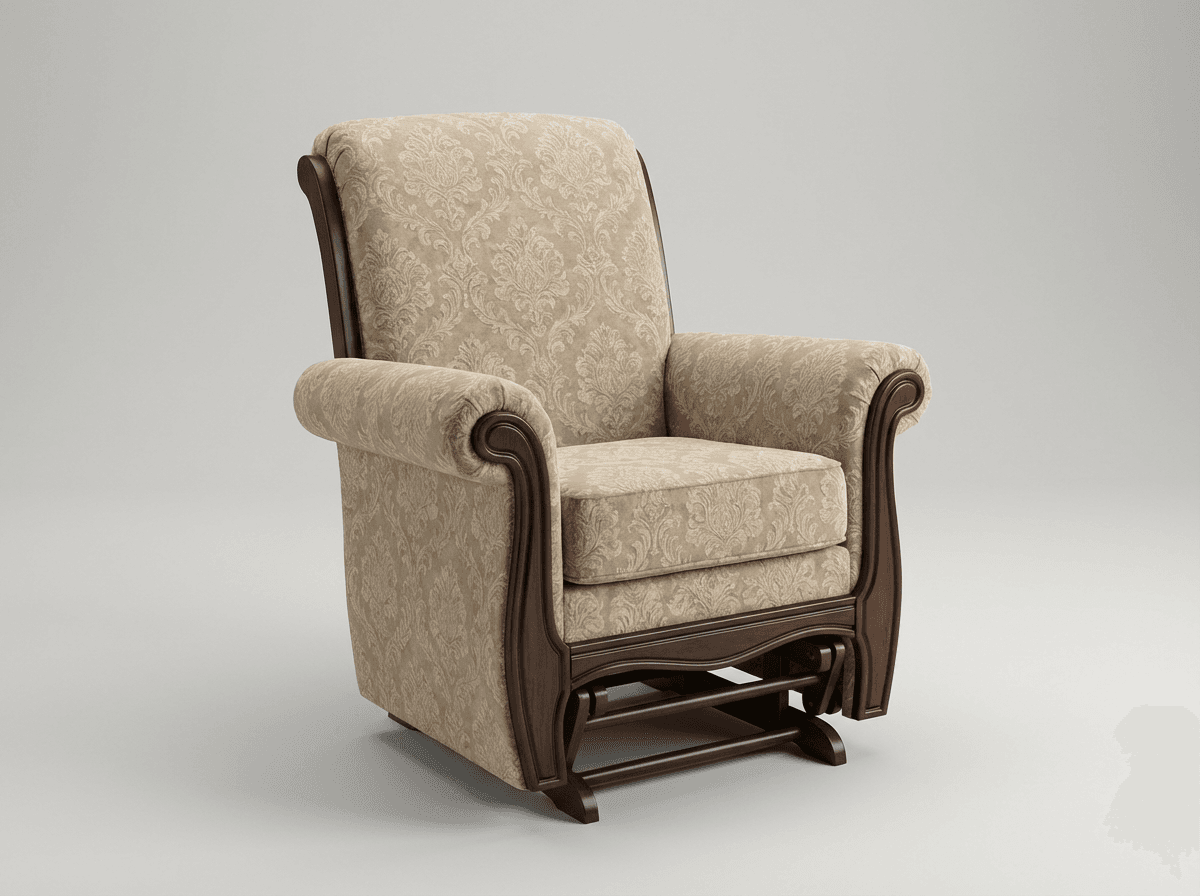
The palette is gentle but not saccharine. Ivory wainscoting covers the lower third of the wall, topped by a chair rail and upper walls in powder blue, blush, or soft sage. The crib in stained walnut or antique white sits against the primary wall, its paneled headboard and finial accents echoing the room's architectural details. A matching dresser with a removable changing tray flanks the window, and a rolled-arm glider occupies the corner, ready for the middle-of-the-night feedings that define the first year.
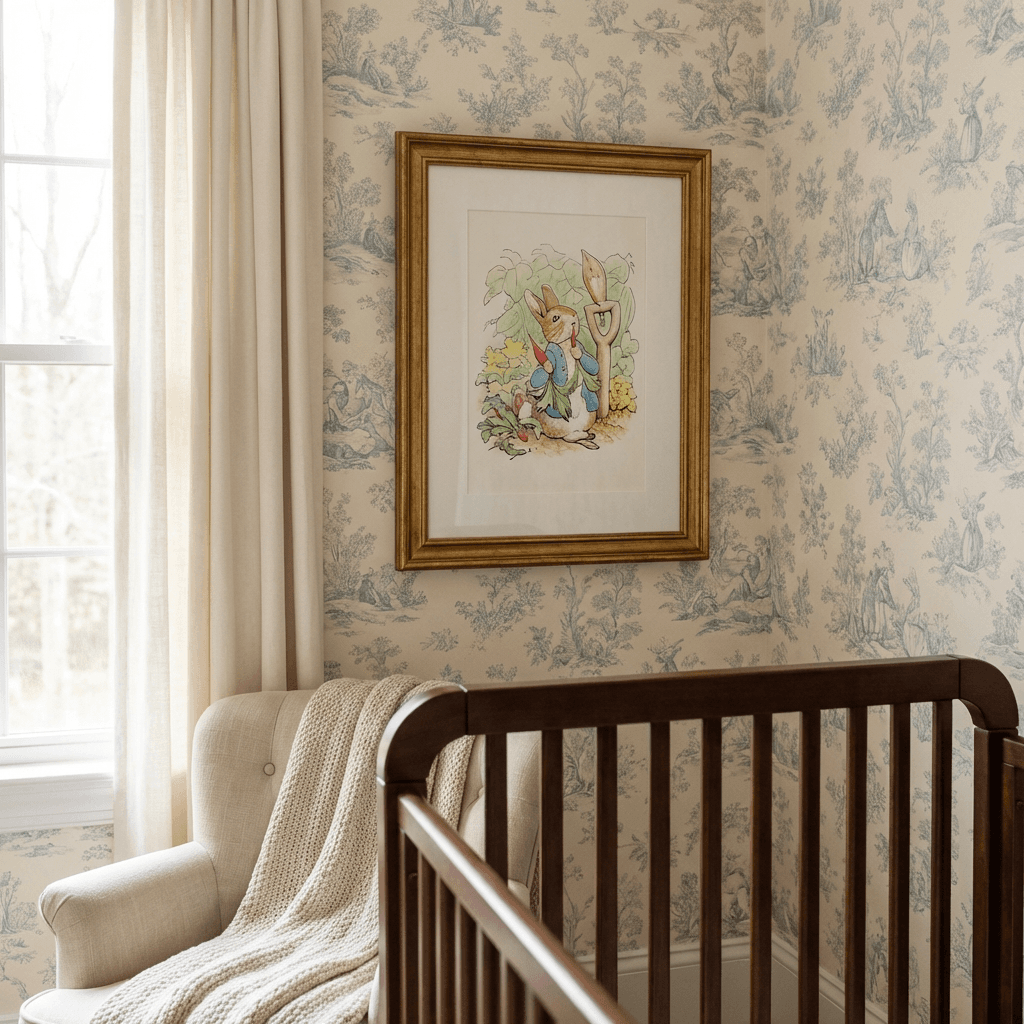
The details make it traditional: brass drawer pulls on the dresser, a framed set of vintage botanical prints hung at a child's future eye level, a soft wool rug with a subtle border underfoot, and floor-length curtains in a gentle stripe that puddle slightly on the floor. It is a room that welcomes a baby with warmth and quality rather than novelty — and in a few years, it will welcome a child just as gracefully.