What Is E-Design? Online Interior Design Explained
Jul 10, 2026 · 8 min read
What is e-design? It's remote interior design delivered as a digital plan instead of in-person service, typically $75-1,500 per room vs $2,000+ traditional.
E-design, also called online or virtual interior design, is interior design delivered remotely as a digital package rather than in person. The client shares photos and measurements of their space, fills out a style questionnaire, and the designer sends back a concept board, a layout plan, and a shopping list the client buys and arranges themselves. Because the designer never visits the home, e-design typically costs $75-1,500 per room versus $2,000 or more for full-service design. This guide explains exactly how e-design works, what it costs, its pros and cons, and, for designers, how to offer it profitably.
What Is E-Design?
E-design is a remote, digital-first version of interior design. Instead of a designer visiting your home, sourcing furniture, and overseeing installation, you receive a complete plan you implement yourself. A typical e-design package includes a styled concept or mood board, a to-scale floor plan, and a clickable shopping list with every item, price, and link.
The model exists because the most valuable part of design, the creative vision and the editing eye, doesn't actually require the designer to be in the room. By stripping out travel, project management, and installation, e-design makes professional design accessible to people who would never hire a full-service designer, and it lets designers work with clients anywhere in the world.
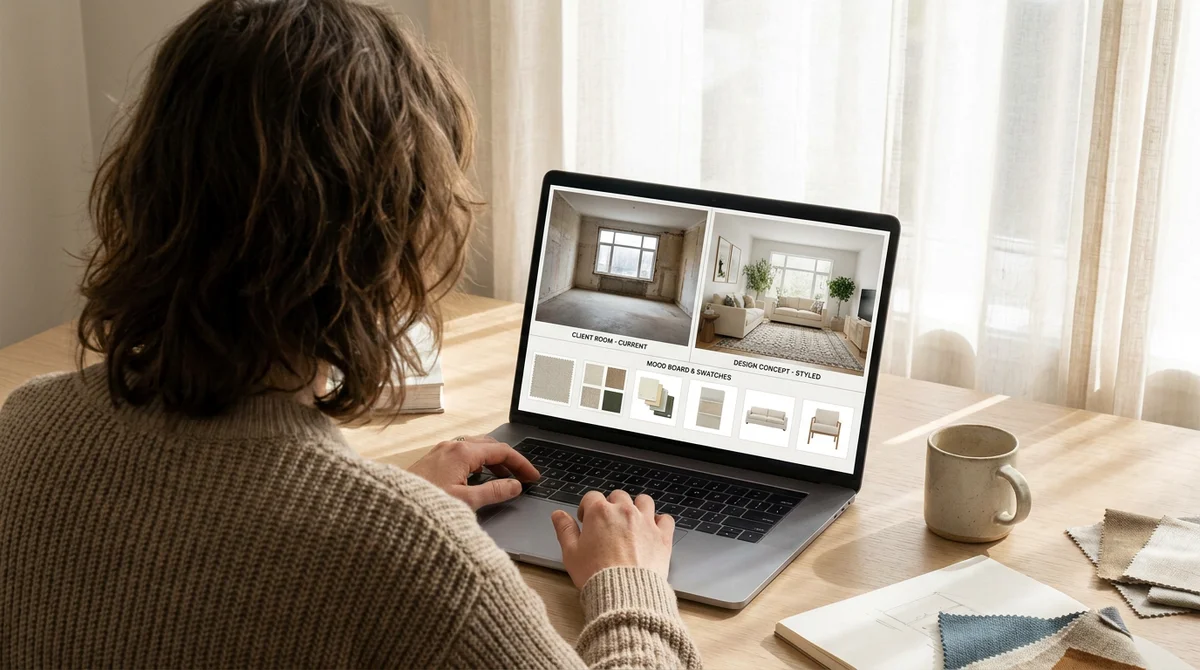
How E-Design Works: The 5-Step Process
Most e-design services follow the same path from booking to delivery, usually inside one to three weeks:
- Book and brief. The client chooses a package and completes a style questionnaire covering taste, budget, lifestyle, and must-keep pieces.
- Share the space. The client uploads photos from multiple angles plus room measurements so the designer can plan to scale.
- Design the concept. The designer develops a layout and a styled concept, mood board, color palette, and key furniture selections.
- Review and revise. The client gives feedback, and the designer refines. Packages usually include one or two revision rounds.
- Deliver the plan. The client receives the final package: a shopping list with links, a floor plan, and instructions for putting it all together.
The big difference from traditional design is the last step. In e-design, the client is the implementer. That keeps costs low and puts them in full control of the budget.
E-Design vs Traditional Interior Design
The two models solve different problems. Traditional design is a done-for-you service; e-design is a done-with-you plan.
| Factor | E-design | Traditional design |
|---|---|---|
| Cost per room | $75-1,500 | $2,000+ plus furniture markup |
| Designer visits home | No | Yes |
| Who buys and installs | The client | The designer / their team |
| Timeline | 1-3 weeks | Several weeks to months |
| Best for | Furnishing, refreshing, decorating | Renovations, complex or whole-home projects |
| Reach | Clients anywhere | Local clients only |
Neither is "better", they serve different needs. E-design wins on cost, speed, and reach. Traditional design wins when a project involves construction, custom millwork, or a client who wants the entire job handled for them. For a fuller look at the remote model, see our overview of online interior design services.
What E-Design Costs
E-design pricing is almost always packaged per room with a fixed price, which is part of its appeal, clients know the cost upfront with no hourly surprises.
| Package tier | What's included | Typical price / room |
|---|---|---|
| Concept only | Mood board, color palette, style direction | $75-300 |
| Standard | Concept plus layout and shopping list | $300-800 |
| Premium | Custom renders, multiple revisions, full sourcing list | $800-1,500 |
On top of the design fee, the client pays for the furniture and decor themselves. Because they buy directly, they avoid the markup many full-service designers add to furnishings, which can be another meaningful saving.
The Pros and Cons of E-Design
Pros
- Far cheaper. A professional plan for $75-1,500 per room instead of $2,000 and up.
- Faster. Most projects finish in one to three weeks rather than months.
- Budget control. The client buys each item, so they can swap, phase purchases, or trade down without renegotiating a contract.
- No geography. Designer and client can be in different countries.
- Lower commitment. A small concept package is an easy first step for people nervous about hiring a designer.
Cons
- You do the work. The client measures, orders, waits on deliveries, and assembles everything themselves.
- No site visit. The designer relies on the client's photos and measurements, so accuracy matters.
- Not for renovations. Structural work, custom builds, and trade coordination need a hands-on designer.
- Implementation risk. A great plan still depends on the client executing it well.
Before and After: What an E-Design Client Receives
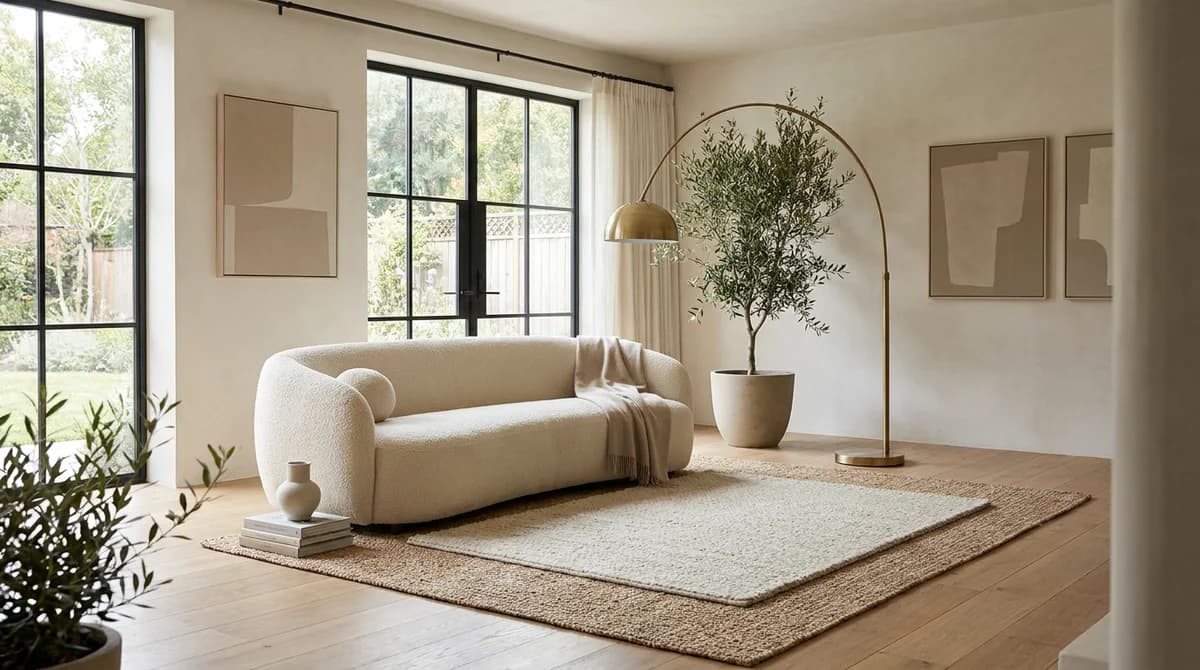
The deliverable is a vision of the finished room. A designer takes the client's empty or dated space and returns a photorealistic concept showing exactly how it could look once furnished, so the client can buy with confidence instead of guessing. Drag the slider to see the kind of transformation an e-design concept communicates:
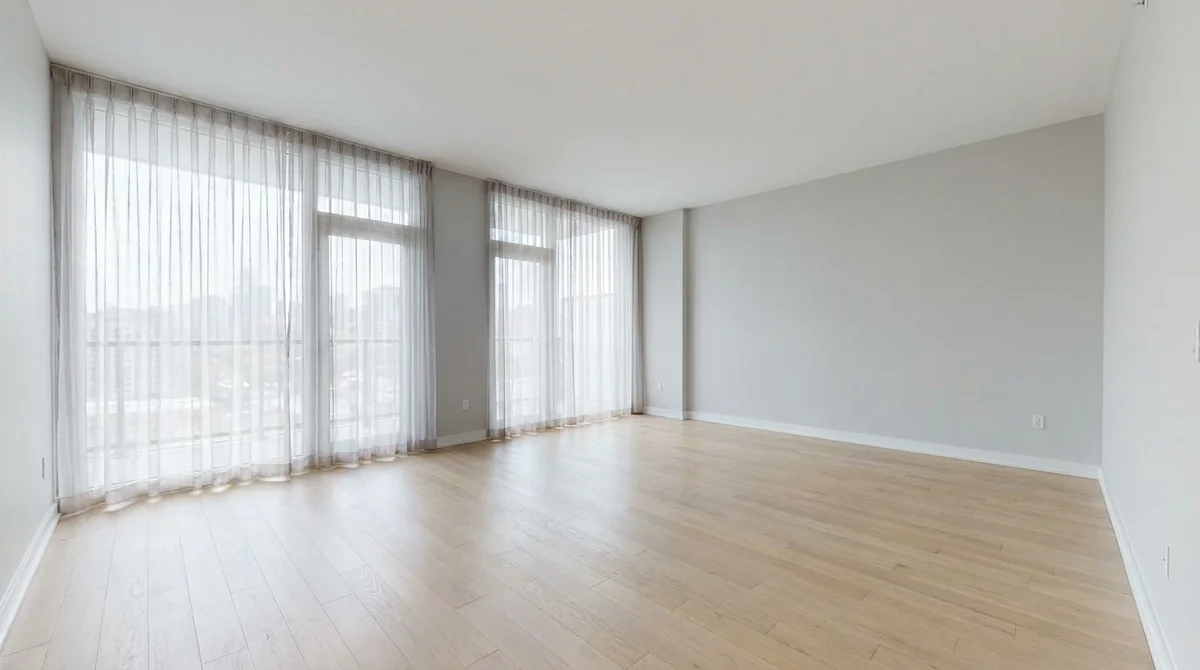
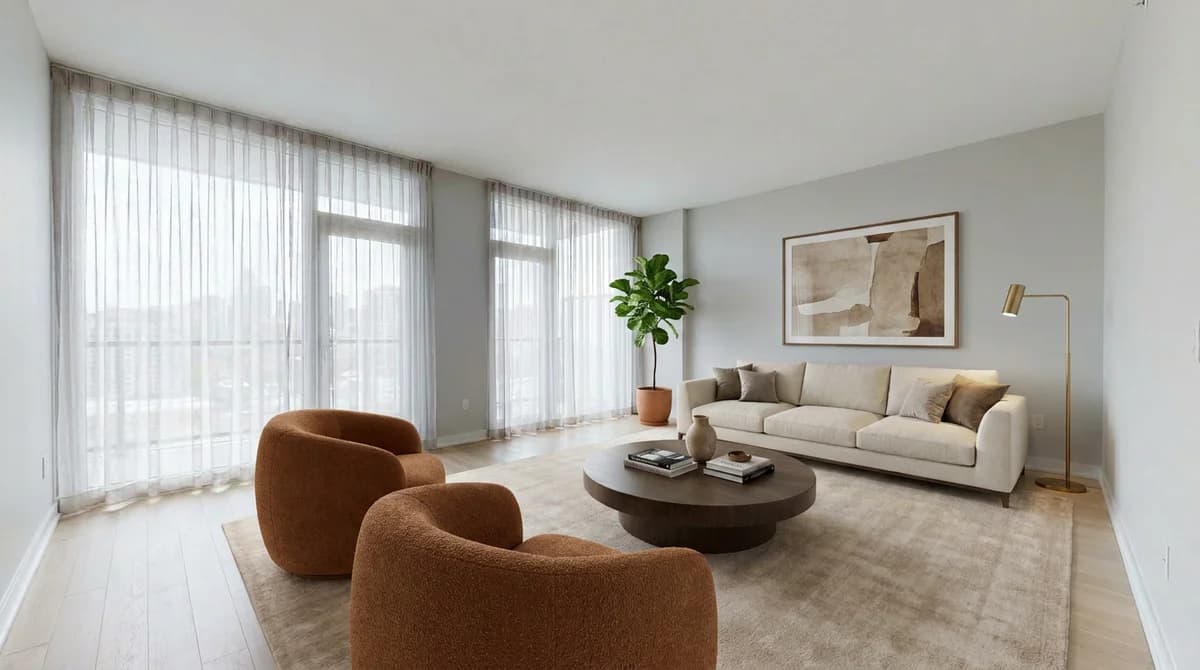
A clear visual like this is the single most persuasive part of an e-design package. It is also where AI has changed the economics most, letting a designer produce a believable concept of the client's actual room in under a minute.
How to Offer E-Design as a Designer
E-design is one of the most efficient ways to grow a design practice, because it removes the two biggest constraints on a traditional studio: travel time and local market size. Here is how to launch it.
1. Productize your packages. Define one or two tiers with fixed prices and a clear list of deliverables. A concept-only entry tier and a premium tier with a shopping list and revisions cover most clients. Fixed scope protects your margin and sets expectations.
2. Build a tight intake. A good style questionnaire and a clear photo-and-measurement checklist are your substitute for the site visit. The better your brief, the fewer revisions you'll do.
3. Speed up concepts with AI. The slowest part of e-design used to be producing renders. With an AI tool you can turn a client's room photo into a photorealistic, styled concept in seconds, test several directions, and present options in a single meeting. That is how you win the pitch before competitors have even replied. Our guide on how to use AI for interior design walks through the workflow.
4. Deliver and follow up. Send a clean package, concept, plan, shopping list, and offer a light implementation check-in. Happy e-design clients refer well and often come back for the next room.
If you're building a practice around this model from scratch, our guide on how to start an interior design business covers pricing, positioning, and the first clients. And when you're ready to produce concepts at speed, you can try RoomLift's online design workflow and generate a client-ready render of any room in under a minute.
Frequently Asked Questions
What is e-design?
E-design, also called online or virtual interior design, is interior design delivered remotely as a digital package instead of in person. The client shares photos and measurements, completes a style questionnaire, and the designer returns a concept board, a layout, and a shopping list they implement themselves. Because there's no home visit, e-design typically costs $75-1,500 per room versus $2,000 or more for full-service design.
How much does e-design cost?
Most e-design packages run $75-1,500 per room. Concept-only tiers start around $75-300, while premium packages with custom renders, revisions, and a full shopping list reach $800-1,500. That is a fraction of traditional full-service design, which commonly starts at $2,000 per room plus a markup on furnishings.
How does e-design work?
It follows five steps: book a package and fill out a style questionnaire, share photos and room measurements, the designer creates a concept and layout, the client reviews and requests revisions, and the designer delivers a final package with a shopping list. The process usually takes one to three weeks.
What is the difference between e-design and traditional interior design?
Traditional design is full-service and hands-on, the designer visits, sources furniture, and oversees installation. E-design is remote and self-implemented: you get a digital plan and shopping list and buy everything yourself. E-design is cheaper and faster; traditional design suits renovations and complex projects.
Is e-design worth it?
For most decorating projects, yes. You get a professional plan for $75-1,500 per room instead of $2,000 or more, and you keep full control of the budget by buying items yourself. It is ideal for furnishing or refreshing a room, but less suited to structural renovations.
How do I start offering e-design as a designer?
Define one or two fixed-price packages, build a clear questionnaire and intake form, and use AI tools to produce photorealistic concepts in minutes. Because there's no travel or installation, e-design lets you serve clients anywhere and take on more projects without adding hours.
Ready to transform your listings?
Stage your first room in 20 seconds. No design skills needed.