Real Estate Photography Packages: How to Structure Them
Aug 11, 2026 · 12 min read
How to structure real estate photography packages that sell themselves: good/better/best tiers, a full add-on menu, and the margin math behind each one.
Real estate photography packages should be structured in three tiers, good/better/best, with a competitive base rate for stills and your highest-margin add-ons (virtual staging, twilight, drone, video) loaded into the middle and top tiers. That structure alone raises average order value more than any change to your base price. This guide walks through concrete package contents and pricing, a full add-on menu with margin notes, the psychology behind why tiers outsell a flat rate, and how to raise prices on clients you already have.
Why Package Structure Matters More Than Your Base Rate
Most photographers spend their energy debating whether to charge $200 or $250 for a shoot. That's the wrong lever. A flat rate gives every agent the same choice, yes or no. A tiered package gives them a ladder, and once they're comparing three options instead of deciding whether to hire you at all, the conversation shifts from "can I afford this" to "which one do I want."
This matters because your cost to deliver the middle and top tiers is barely higher than the base tier. The shoot, the drive, and the editing time are the expensive parts; add-ons like AI virtual staging or a twilight conversion reuse work you've already done. A $175 jump from Essential to Premium can cost you a few dollars in AI credits and twenty minutes of editing, while the agent perceives it as a much bigger upgrade.
Three Package Tiers: Good, Better, Best
Here's a concrete structure for a standard 2,000-3,000 sq ft listing. Adjust the base photo count and price for your market, but keep the tier logic intact.
| Tier | Contents | Turnaround | Price |
|---|---|---|---|
| Good (Essential) | 25-30 edited interior/exterior stills | 48 hours | $225 |
| Better (Premium) | 35-40 stills + 2 virtually staged rooms + 1 twilight exterior | 24 hours | $425 |
| Best (Luxury) | 50+ stills + 4 staged rooms + twilight + drone package + 60-second walkthrough video | Same-day | $750 |
The Better tier should be labeled "most popular" or given a visual highlight wherever you present it, on your website, in a PDF rate sheet, in a text message quote. That label alone does real work: agents scanning three options default to trusting the one other people already chose.
Going from Good to Better adds ten more stills, two staged rooms, and one twilight shot for $200 more. Your added cost is roughly $10-15 in AI staging credits and 30 minutes of extra editing, so that $200 increment is close to pure margin. The jump to Best adds drone and video, which carry real cost in equipment and flight time, so the margin there is thinner but still healthy given what agents will pay for a full luxury package on a high-value listing.
The Add-On Menu: What to Offer and What It's Worth
Whether or not an agent buys your top tier outright, add-ons should always be visible as a menu they can attach to any package. Here's what to include and the margin logic behind each.
| Add-on | Typical charge | Your cost / effort | Margin notes |
|---|---|---|---|
| AI virtual staging | $25-75 / room | $1-5 / image, under 60 seconds | Best margin on the list; no equipment, no second visit |
| Twilight conversion | $25-50 / image | One edited image from a shot you already have, or a quick AI conversion | Near-zero marginal cost if done digitally rather than reshot at dusk |
| Drone exterior | $100-200 | Flight time + equipment + FAA Part 107 certification | Real cost and liability; price for the equipment investment, not just the images |
| Walkthrough video | $150-300 | Filming + editing time, or AI-assisted from stills | Highest perceived value; time-intensive unless you use AI to animate existing photos |
| Floor plans | $50-100 | Measurement tool + software, 15-30 minutes | Cheap to produce once you own the scanning tool; agents expect it on larger listings |
Virtual staging is the standout for one reason: unit economics. An AI tool like RoomLift's virtual staging generates a photorealistic staged room in under a minute for a few dollars, and agents pay $25-75 per room because staging demonstrably works. According to the National Association of Realtors, staged homes sell faster than unstaged ones, and 81% of buyers say staging makes it easier to picture a property as their own. You're charging for a proven outcome on a cost base that barely moves the needle. If you want the full pricing breakdown and margin math, see our guide to real estate photography pricing.
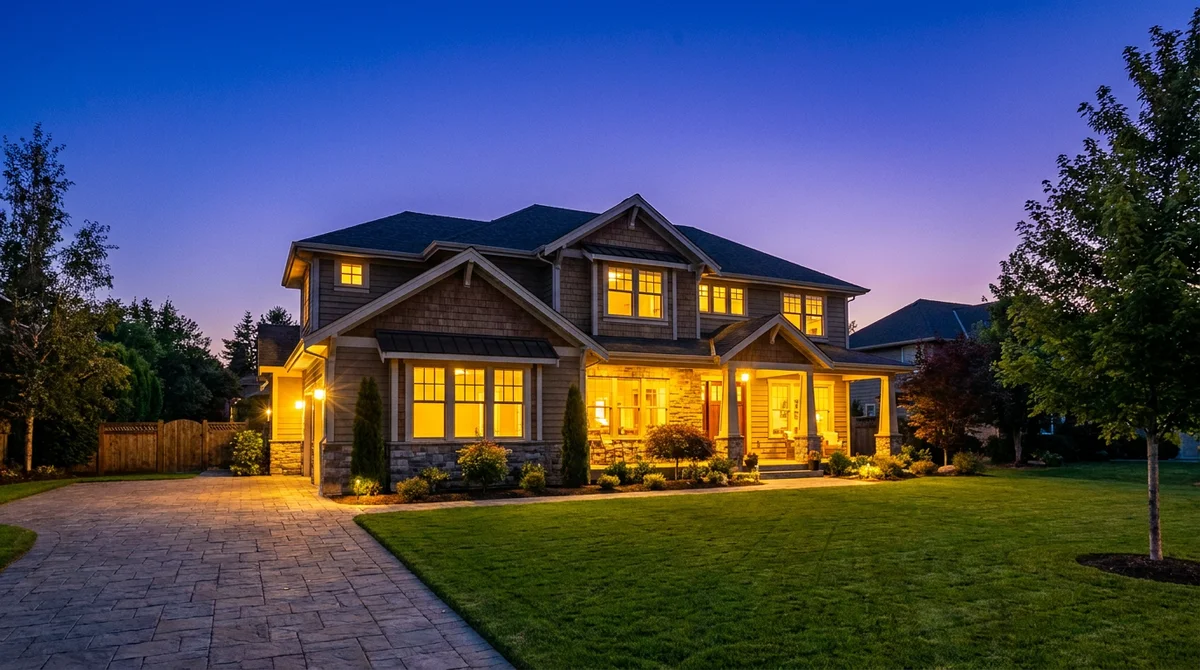
Twilight and floor plans deserve more attention than most photographers give them, since both reuse a visit you already paid to make: a daylight exterior shot converts digitally, and a floor plan needs only a phone scan while you're walking the property anyway. Drone and video are the two add-ons with genuine added cost and time, so price them to reflect that.
Bundling Psychology: Why Three Options Beat One
Tiered pricing plays on a simple behavioral pattern: when people are shown three similarly framed options, they disproportionately choose the middle one, even when the top option offers better value per dollar. Three principles make it work in practice:
- Anchor high, sell the middle. Your Best tier exists partly to make Better look reasonable by comparison. Few agents buy Best on their first shoot, but its presence raises what feels acceptable to pay for Better.
- Bundle, don't itemize. An agent asked "want virtual staging for $50?" has to actively say yes to a request. One looking at "Premium: includes 2 staged rooms" has already said yes by picking that tier. Default inclusion converts more add-on revenue than an opt-in checklist.
- Name tiers something the agent wants to be. "Essential/Premium/Luxury" maps to how the agent wants their listing, and their own service, to be perceived. Nobody wants to tell a seller they picked the cheap option.
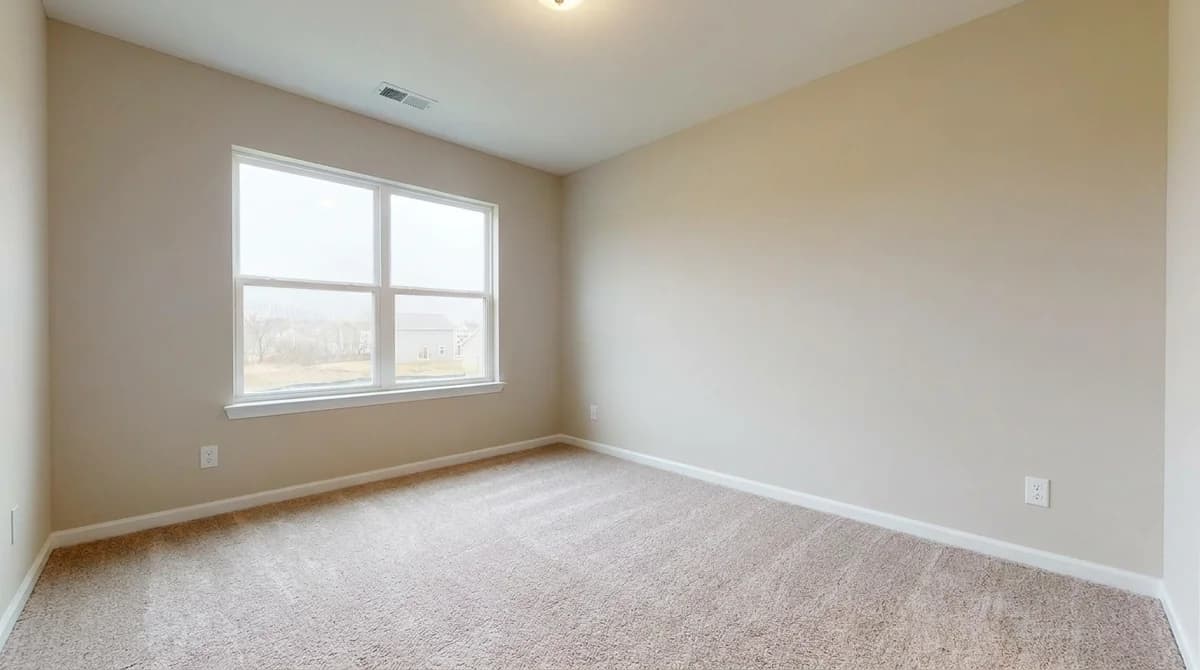
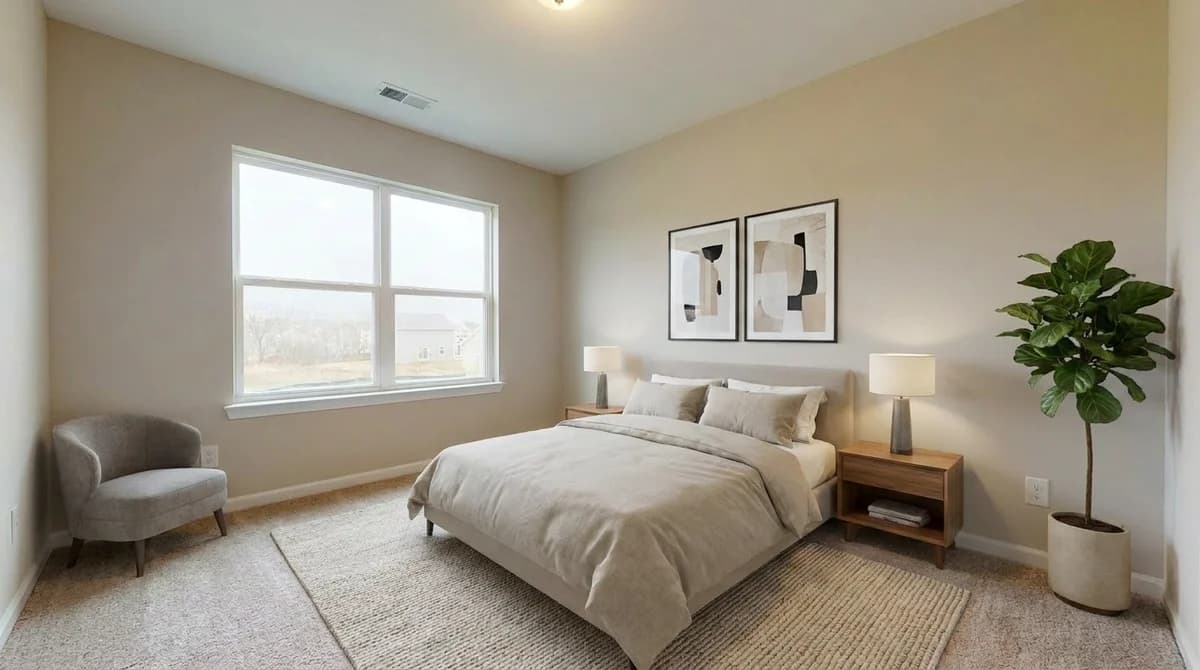
This is the image behind the add-on that carries your middle tier. The photo already exists in your shoot; staging it is the only new work, and it's a few minutes of AI generation rather than a truck full of rental furniture. For a deeper look at whether this add-on belongs in your business at all, read should real estate photographers offer virtual staging.
Turning the Same Listing Into More Deliverables
Every empty room you shoot is inventory for a second sale, not just a photo for the base package. A vacant living room, bedroom, or kitchen photographs fine for the Essential tier, but it's also the raw material for a staged version, a floor plan reference, and, increasingly, a short video clip.
Want to see your own listing photos become a polished video tour? Try Compose to turn stills into a property tour in minutes.
Stage your first room in 20 seconds. No design skills needed.
Video has become a realistic add-on even for photographers without a videography background. RoomLift's Compose tool builds a video tour directly from the listing photos you already shot, using a timeline editor and presets built for property tours and before/after reveals. It can pull photos and details straight from a listing URL, add AI voiceover and background music matched to the property, and animate still photos into camera-motion shots, including close-up detail clips generated from a single photo. It exports in the aspect ratios agents need, 16:9 for the listing site, 9:16 for Reels and TikTok, 1:1 and 4:5 for feed posts, without a second visit or a $300-500 videographer booking. Same stills, new billable line, minutes instead of days.
Raising Prices on Clients You Already Have
Every photographer eventually reaches the point where their rate card is years behind their actual skill and demand. Raising prices on existing clients feels riskier than it is, if you handle it with a little structure.
- Give real notice. Thirty days is standard, enough for a short note ("starting next month, my package rates are adjusting") to land without feeling like an ambush mid-listing-season.
- Lead with what's new, not what's more expensive. Frame it around what changed, faster turnaround, a new video add-on, rather than opening with "my prices are going up."
- Apply it forward, not retroactively. New bookings get the new rate; anything already scheduled honors the old one.
- Move in small, regular increments. A 5-10% annual adjustment is easier to absorb than a 40% jump after three flat years, and agents budget around predictable increases.
- Protect loyalty, not a frozen rate. If a top-referring agent balks, offer a package upgrade at the new price rather than quietly keeping their old one, that just trains everyone else to expect an exception.
A modest, well-communicated increase rarely costs you the relationship; a rate frozen for three years quietly costs you margin every month.
Common Package Mistakes
A few habits keep photographers capped at a flat day rate even after they've built a tiered menu:
- Only showing tiers when asked. If package options live in a text thread instead of a rate sheet, most agents never see the upsell path.
- Pricing add-ons at cost instead of value. Charging $10 for a staged room because the AI generation was cheap leaves most of the margin on the table. Price for what it does for the listing, not what it cost you to make.
- Treating video as out of reach. Many photographers assume video requires a second crew and a cinema camera. AI-assisted tools have made a basic tour video achievable from the same stills you already deliver.
- Never revisiting the menu. Add-ons that felt cutting-edge two years ago are table stakes now. Refresh each tier annually so Premium still feels premium.
Putting a Package Menu Together
Structuring real estate photography packages is less about finding a perfect number and more about giving agents a ladder to climb. Start with a competitive base rate for stills, build three named tiers around it, and load the middle and top tiers with your highest-margin add-ons, virtual staging first, video second. Review your rates once a year, add new deliverables as the tools allow it, and treat every empty room you shoot as the start of a second sale, not the end of the job.
For more on structuring your rate card itself, our guide to real estate photography pricing breaks down baseline pricing by square footage. And if you're weighing whether staging belongs on your menu at all, see should real estate photographers offer virtual staging.
Frequently Asked Questions
What should be in a real estate photography package?
A base package should cover the interior and exterior stills an agent needs to list the home, typically 25 to 40 edited photos delivered within 24 to 48 hours. Better packages add virtual staging and a twilight shot; the top package adds drone, video, and same-day delivery. Structuring three tiers instead of one flat rate consistently raises average order value.
How many pricing tiers should a photography package have?
Three tiers works best: a good/better/best structure. Agents tend to avoid the cheapest and most expensive options and land on the middle tier, so the middle package should carry your best-margin add-ons like virtual staging and twilight. Two tiers give too little room to trade up; four or more create decision fatigue.
What are the best add-ons to include in a real estate photography package?
Virtual staging, twilight conversions, drone exteriors, walkthrough video, and floor plans are the five add-ons that convert most reliably. Virtual staging has the best margin because AI tools generate a staged image for a few dollars while photographers bill $25 to $75 per room. Twilight and floor plans are close behind since both reuse a shoot you already booked.
How do I raise prices on existing real estate photography clients?
Give at least 30 days notice, frame the increase around added value (faster turnaround, new deliverables like AI staging or video) rather than apologizing for it, and apply it to new bookings first. Raising prices once a year in small increments, roughly 5 to 10%, keeps loyal agents from feeling blindsided while closing the gap between your rate and the market.
Should I charge separately for virtual staging or bundle it into packages?
Do both. Offer virtual staging as a standalone add-on for agents who only want a few rooms staged, and also bundle two or more staged rooms into your mid and top package tiers by default. Bundling increases how often agents get staging at all, since most will not proactively ask for an add-on they have to request separately.
What is a good profit margin on a real estate photography package?
Stills-only shoots typically run 40 to 60% margin once you account for editing time and travel. Packages that bundle AI-generated add-ons like virtual staging push blended margin much higher, since a $50 staging line item can cost $1 to $5 to produce. The photographers with the best overall margins are the ones who sell the most add-ons per shoot, not the ones who shoot the most listings.
Ready to transform your listings?
Stage your first room in 20 seconds. No design skills needed.