How to Get Into Real Estate Photography (+ What It Pays)
Aug 6, 2026 · 11 min read
How to get into real estate photography: the skills, starter gear, and outreach that get you booked, plus a realistic salary breakdown by shoot volume.
How to get into real estate photography comes down to three things: basic wide-angle and lighting skills, a portfolio built without waiting for paying clients, and a handful of agent relationships you build yourself. Most beginners can book their first paid shoot within a few weeks, and a full-time solo photographer doing 20-30 shoots a month at market rates grosses roughly $5,000-9,000, before any editing or staging upsells. Here's the full path, gear list, and income math.
The Skills You Need Before Your First Shoot
Real estate photography rewards technical consistency over artistic flair. Agents don't want a moody, high-contrast interior, they want a room that looks bright, spacious, and true to color, delivered fast. The core skill set is narrower than most beginners expect:
- Wide-angle composition. Shooting corner-to-corner so a room reads as large and complete, without so much distortion that straight lines bow.
- Exposure blending or flash. Interiors have bright windows and dark corners in the same frame. You either bracket 2-3 exposures and blend them in post (HDR) or use an off-camera flash to fill shadows in a single shot. Both are learnable in a weekend.
- Vertical and horizontal correction. Getting walls and door frames straight in Lightroom or Photoshop is a five-minute habit that separates amateur photos from listing-ready ones.
- A repeatable shot list. Every property needs the same core set: exterior front, kitchen, living room, primary bedroom, primary bath, plus any standout feature (view, pool, backyard). Agents notice when a photographer misses an angle they expected.
- Fast turnaround. Same-day or next-day delivery is a competitive expectation in most markets, not a bonus.
None of this requires a photography degree. Most working real estate photographers are self-taught or came from a different photography niche (weddings, portraits) and adapted their editing workflow to interiors.
Starter Gear: What to Actually Buy
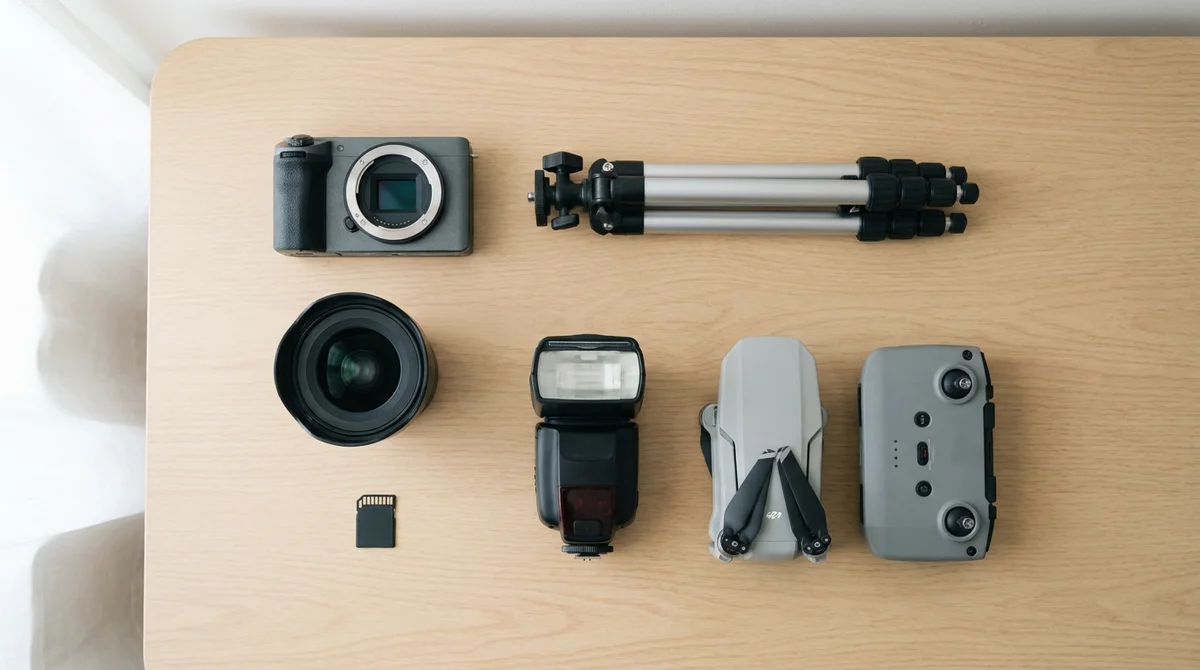
You don't need a professional-grade kit to start booking work, but a few pieces are non-negotiable. Here's a realistic starter budget:
| Gear | Budget range | Why it matters |
|---|---|---|
| Mirrorless or DSLR body | $600-1,200 | Full-frame or APS-C both work; prioritize dynamic range over megapixels |
| Wide-angle lens (16-24mm) | $400-800 | The single most important lens for real estate; a kit lens alone will limit you |
| Tripod | $60-150 | Essential for HDR bracketing and low-light shots |
| External flash / speedlight | $150-350 | Lets you skip HDR blending and shoot single-frame in tricky light |
| Editing software (Lightroom/Photoshop) | $10-25/month | For HDR blending, verticals, sky replacement |
| Drone (optional, add later) | $400-1,000 | Adds a $100-200 upsell once you're consistently booked |
Total starter investment lands around $1,200-2,500, well below what most beginners assume. Buy the camera body and wide lens new or lightly used, and treat the drone as a phase-two purchase once exteriors are a regular request, not a day-one requirement.
Building a Portfolio Without Waiting for Clients
The chicken-and-egg problem in real estate photography is real: agents want to see work before they hire you, but you need agents to generate work. The way around it is to create your own listings to shoot.
- Shoot your own home, or a friend or family member's. Stage it lightly (open blinds, clear counters, tuck away clutter) and shoot it exactly as you would a live listing.
- Ask a landlord or property manager for a vacant unit. Empty rentals between tenants are ideal practice properties and nobody minds a free shoot.
- Offer one free or discounted shoot to a new agent. A single genuinely good shoot, delivered fast, is often enough to get referred to the rest of their office.
- Shoot a for-sale-by-owner listing. FSBO sellers rarely have professional photos and are usually happy to trade a free or low-cost shoot for the images.
Aim for 8-10 strong images across 2-3 properties before you start outreach. That's enough to prove you can shoot a full interior consistently, it doesn't need to be dozens of properties.
Finding Your First Agents
Once you have a portfolio, the fastest path to your first paying client is direct, targeted outreach, not waiting for inbound interest.
| Channel | Effort | What it looks like |
|---|---|---|
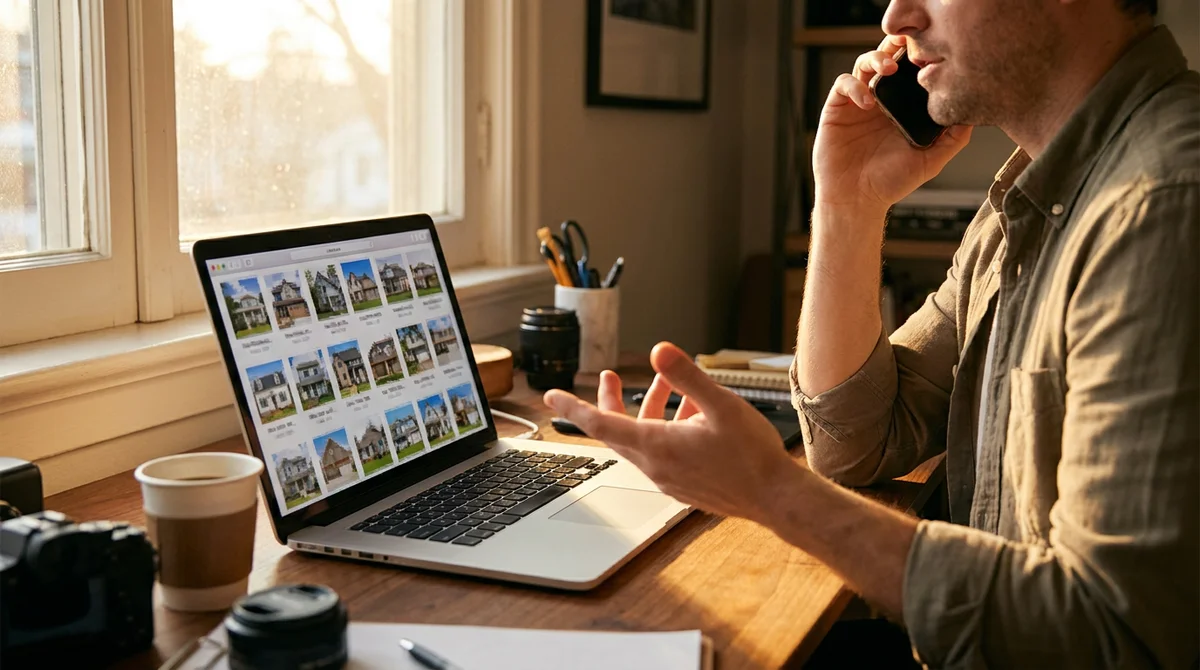
| MLS photo scan | Low | Browse active listings in your area, note agents whose photos are dark, distorted, or phone-shot, and reach out directly |
| Local brokerage offices | Medium | Email or drop by 3-5 offices with a one-page portfolio link and a flat intro rate |
| Facebook / local RE groups | Low | Join agent-focused groups in your metro and post a portfolio link with a clear offer |
| Referral ask | Low | After every shoot, ask the agent directly for one introduction to a colleague |
| Photographer directories | Medium | List on platforms agents already search when a regular vendor is unavailable |
The MLS scan is the highest-leverage tactic for a beginner: it targets agents who have a visible, provable problem (bad photos on a live listing) rather than a cold list of names. Lead with your rate, not just your portfolio, agents comparing vendors want to know the number before they click through ten images.
For a deeper look at the tools that make a small operation look full-service from day one, see our guide to AI tools for real estate photographers.
What Real Estate Photography Actually Pays
There's no single "real estate photographer salary" because almost nobody in this field is on payroll, income is a function of shoots booked times your rate, not a fixed wage. Using the market rates from our real estate photography pricing guide ($150-400 per shoot depending on home size), here's what different stages of the business realistically gross:
| Stage | Shoots/month | Avg price/shoot | Gross monthly revenue |
|---|---|---|---|
| Weekend side hustle | 3-5 | $150-200 | $450-1,000 |
| Part-time, building a client base | 8-12 | $200-250 | $1,600-3,000 |
| Full-time solo photographer | 20-30 | $250-300 | $5,000-9,000 |
| Full-time + editing/staging/video upsells | 20-30 | $350-450 | $7,000-13,500 |
The jump from row three to row four comes from attaching higher-margin add-ons to the same shoots you're already booking, not from adding more of them. That gap is where most of the income growth in this business actually happens once you're past the first year.
Want to add high-margin upsells without a second visit? See how RoomLift turns your listing photos into staged rooms and property tour videos.
Stage your first room in 20 seconds. No design skills needed.
Scaling Up: Editing, Staging, and Video Upsells
Once you're consistently booked, what you attach to the shoots you're already doing sets your income ceiling, not how many more you can physically do. This is also where keeping work in-house protects your margin instead of handing it to a separate vendor.
Editing is the first lever. Every photo you deliver already needs HDR blending, vertical correction, and sky replacement. Tools like RoomLift's real estate photo editing handle staging, item removal, twilight conversions, and sky replacement in one place, so a single empty photo can produce three or four billable deliverables instead of one.
Virtual staging is the highest-margin add-on available. An empty room you already photographed can be virtually staged for a few dollars and billed to the agent at $25-75 per room, no furniture, no second visit, no design background required. If you're weighing whether to add it, our breakdown on whether real estate photographers should offer virtual staging walks through the case in detail, and RoomLift's virtual staging for real estate is built for exactly this workflow.
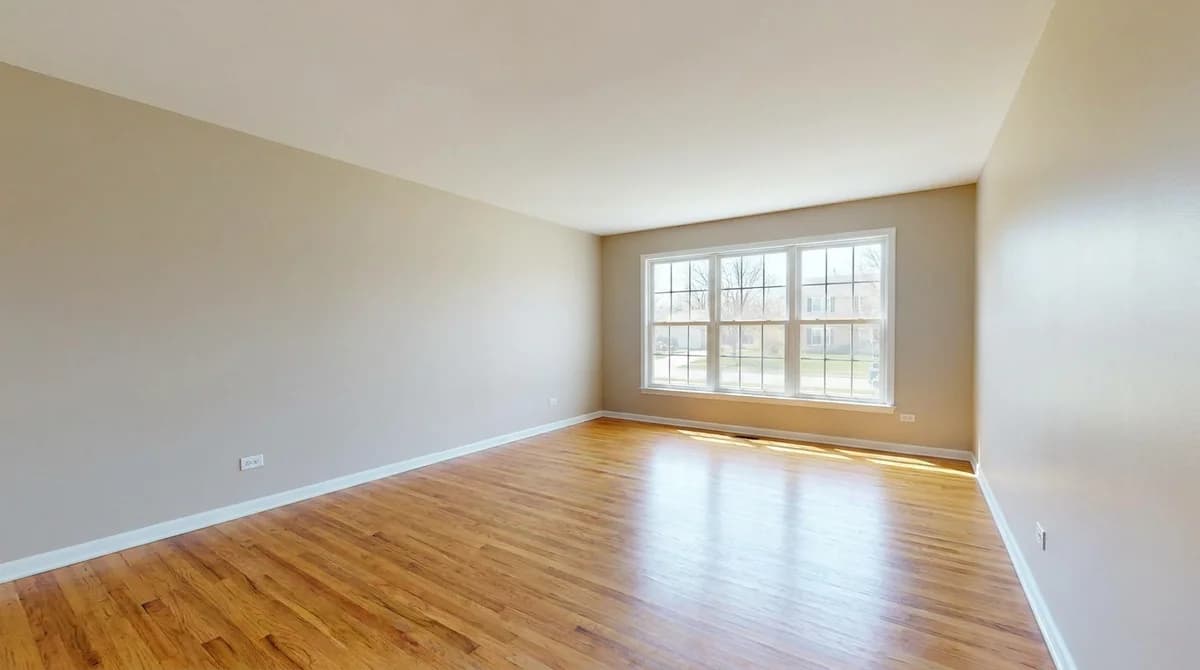
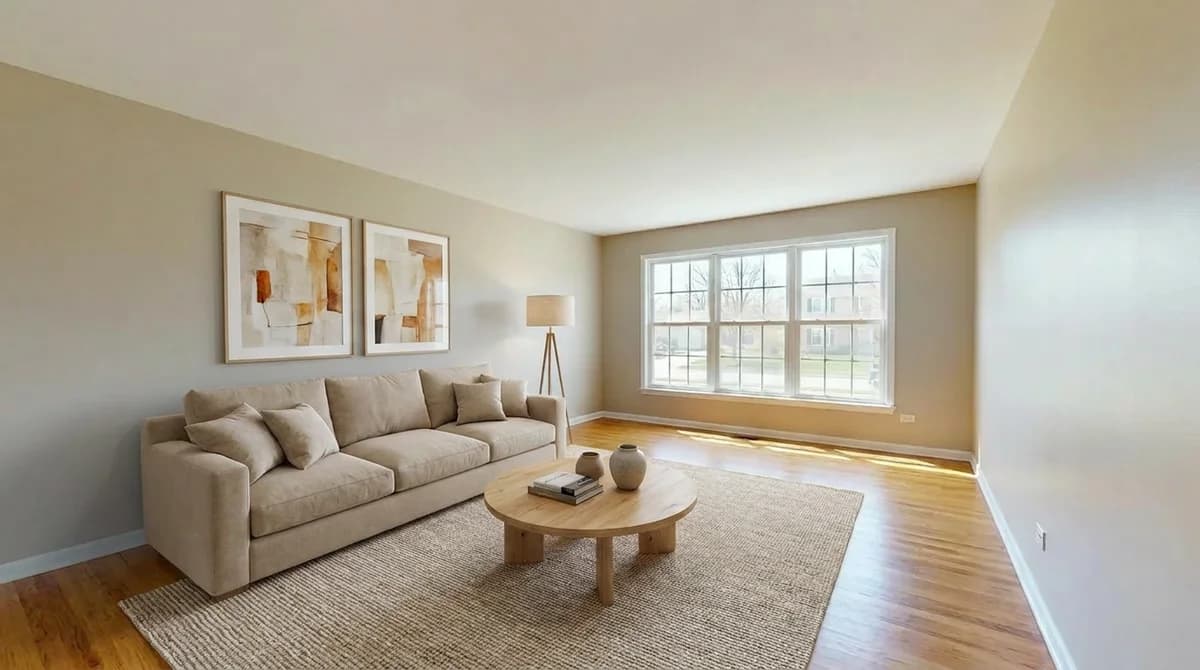
Video is the newer upsell most solo photographers still skip, mostly because a proper videographer costs $300-500 and adds a second shoot day. Tools like RoomLift's Compose close that gap: it's a browser-based editor that turns the listing photos you already shot into a polished property tour, with a timeline editor, presets for a standard tour or a before/after reveal, and export in whatever aspect ratio the platform needs (16:9 for MLS and YouTube, 9:16 for Reels and TikTok, 1:1 or 4:5 for feed posts). It can pull photos and details straight from a listing URL, animate stills into smooth camera moves (including generating close-up detail shots from a single photo), and add an AI voiceover and background music matched to the property, all in minutes rather than a second shoot day.
The through-line across editing, staging, and video is the same: they turn images and time you've already spent into additional billable deliverables. That's a meaningfully different growth path than simply trying to book more shoots per week.
Common Mistakes New Photographers Make
- Underpricing for too long. A discounted intro rate is smart for your first 10-15 shoots; keeping it after year one just trains your best clients to underpay you.
- Skipping a shot list. Missing the primary bath or forgetting an exterior angle the agent expected is the fastest way to lose a repeat client.
- Ignoring turnaround time. A technically better photo delivered in 4 days loses to a solid one delivered in 24 hours, most agents are working against a listing deadline.
- Treating photography as the whole product. The photographers with the highest income per shoot aren't the ones with the best glass, they're the ones who turned each shoot into 2-3 billable deliverables.
- Outsourcing editing and staging by default. Sending work to a third party hands away both your client relationship and your margin on every single shoot.
Putting It Together
Getting into real estate photography doesn't require years of training or a professional-grade kit. It requires a repeatable shot list, a starter kit under $2,500, a spec portfolio you build yourself, and direct outreach to agents with visibly bad listing photos. From there, income scales less from adding more shoots and more from attaching editing, staging, and video to the shoots you're already booking, the same calendar, a meaningfully higher gross per listing.
Frequently Asked Questions
How do I get started in real estate photography with no experience?
Learn wide-angle interior shooting and basic HDR/flash blending, then build a spec portfolio by shooting a friend's home, a vacant rental, or an off-market property for free. Use those 8-10 photos to approach two or three local agents directly with a flat introductory rate. Most beginners land their first paying shoot within a few weeks of starting outreach, not months.
What is the average real estate photography salary?
There's no single national salary because most real estate photographers are paid per shoot, not on payroll. A photographer doing 3-5 shoots a month at $150-200 each grosses roughly $450-1,000, while a full-time solo shooter doing 20-30 shoots a month at $250-300 grosses $5,000-9,000. Adding editing and staging upsells is what pushes the top end higher without adding shoots.
Do I need a real estate license to shoot real estate photos?
No. Real estate photography is a service business, not a licensed profession, so you don't need a real estate license to shoot, edit, or sell photos to agents. The only license-adjacent requirement is an FAA Part 107 certification if you plan to fly a drone commercially in the US.
What camera equipment do I need to start real estate photography?
A mirrorless or DSLR camera with a wide-angle lens (16-24mm equivalent), a sturdy tripod, and a way to handle high-contrast light, either an external flash or bracketed HDR exposures, covers 90% of interior shoots. A starter kit runs roughly $1,200-2,500 total; a drone and a second wide lens are common upgrades once you're booking regularly.
How much should I charge per shoot when I'm starting out?
Most beginners price their first packages at $100-175 for a standard home under 2,500 sq ft, intentionally below the $150-400 market rate, to build a portfolio and testimonials fast. Raise your rate to market level within your first 10-15 paid shoots once you have a body of work and repeat agents to point to.
Is real estate photography a good side hustle?
Yes, it's one of the more accessible photography side hustles because shoots are short (30-60 minutes), scheduling is flexible around agent availability, and the gear investment is moderate. A part-time schedule of 3-5 weekend shoots a month at $150-200 each adds $450-1,000 in monthly income without quitting a day job.
Ready to transform your listings?
Stage your first room in 20 seconds. No design skills needed.