Biophilic Design: The Complete Guide
Jul 6, 2026 · 9 min read
Biophilic design connects interiors to nature through light, plants, natural materials, and views. Learn the core principles, elements, and wellbeing case.
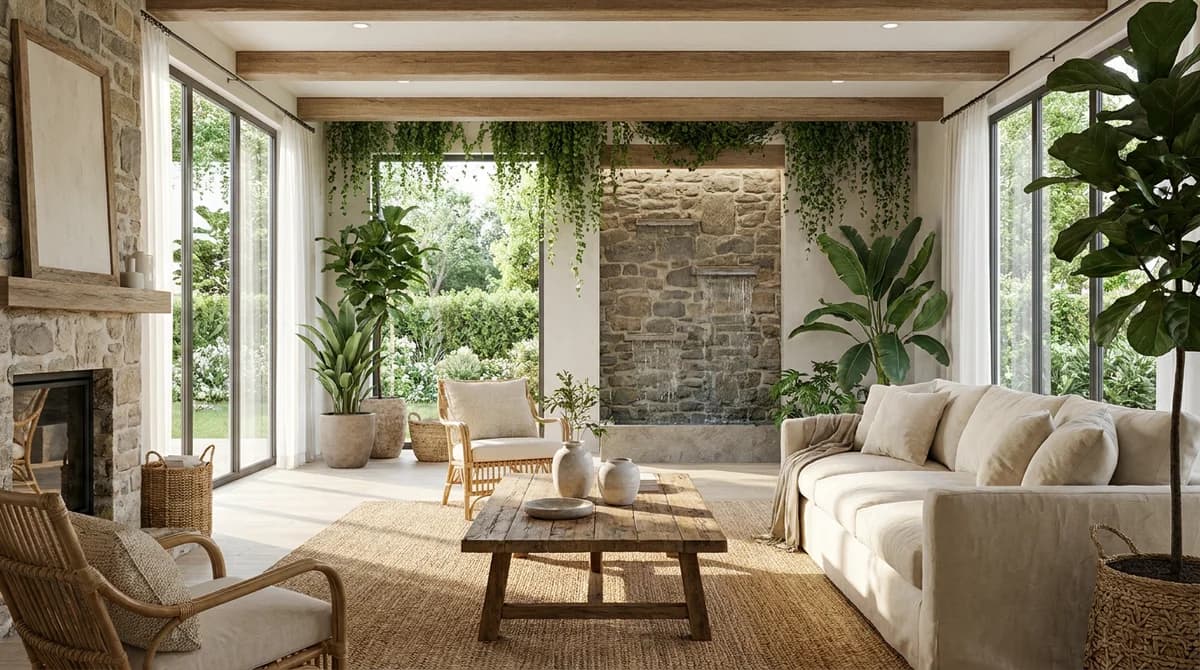
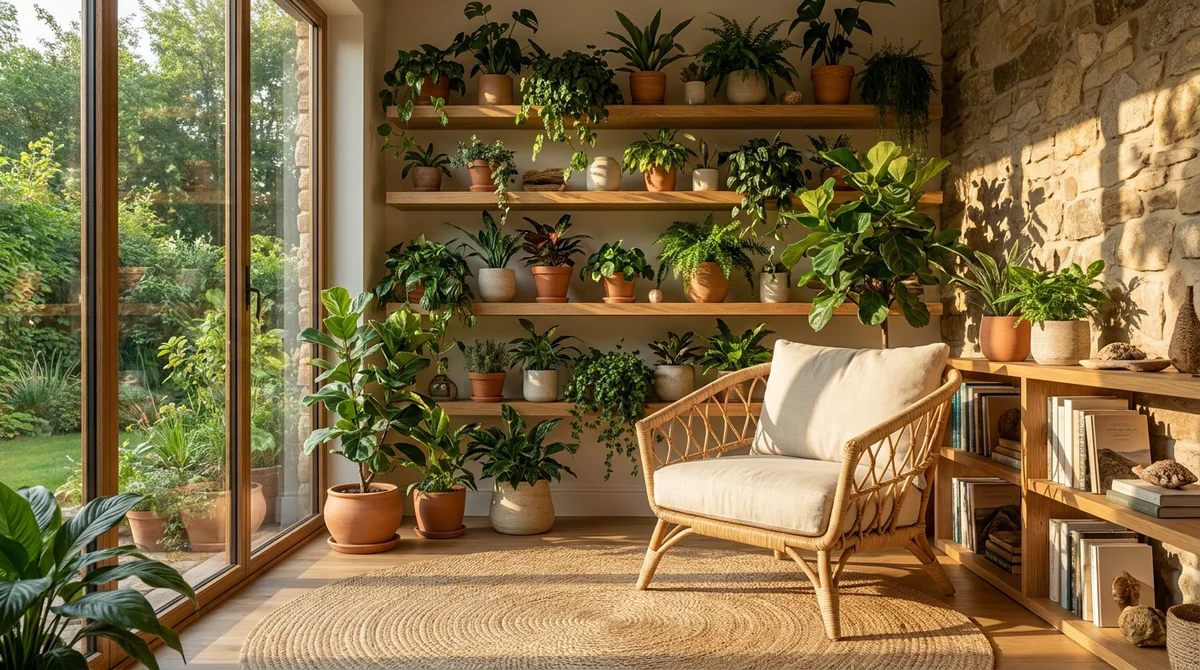
Biophilic design is an approach to interiors and architecture that reconnects people with nature inside the built environment. It works through a handful of natural elements: daylight, living plants, natural materials like wood and stone, water, organic shapes, and views of the outdoors. The aim is to make indoor spaces feel calmer, healthier, and more alive. This guide covers what biophilic design is, its core principles and elements, the wellbeing case behind it, and how to apply it room by room.
What Is Biophilic Design?
Biophilic design is the practice of building our connection to nature into the spaces we live and work in. The word comes from "biophilia," a term popularized by biologist E.O. Wilson to describe the innate human affinity for the natural world. Biophilic design takes that idea and turns it into concrete choices: where you place a window, how much greenery a room holds, whether a surface is engineered laminate or real oak.
It is not the same as simply adding houseplants, though plants are part of it. A well-executed biophilic space layers several natural cues at once, so the room reads as connected to the outdoors rather than decorated with a few green accents. Done right, it feels less like a trend and more like a return to how people have always preferred to live.
The Core Principles of Biophilic Design
Most frameworks, including the widely cited model from consultancy Terrapin Bright Green, group biophilic strategies into three categories. Understanding them helps you decide where to focus.
| Principle | What it means | Examples |
|---|---|---|
| Nature in the space | Direct, tangible nature | Daylight, plants, water, fresh airflow, natural views |
| Natural analogues | Indirect references to nature | Wood grain, stone, organic patterns, botanical motifs, earthy color |
| Nature of the space | Spatial qualities nature provides | Prospect (open views), refuge (cozy enclosure), a sense of discovery |
The first category is the most powerful and the easiest to feel. The second lets you bring a natural quality into rooms that lack a garden view. The third is subtler: it is why a window seat that looks out over a room feels both safe and open at once. You do not need all three to call a space biophilic, but the best examples touch each one.
The Key Elements (and How to Use Them)
In practice, designers work from a shorter list of elements. These four do most of the work.
Natural light
Daylight is the single highest-impact biophilic element. It regulates our internal clock, lifts mood, and makes every other material look better. Maximize it before anything else: keep windows unobstructed, choose light, sheer window treatments, and use mirrors to bounce light deeper into a room. Where daylight is limited, warm, tunable artificial lighting that shifts through the day is the next best thing.
Plants and greenery
Plants are the most recognizable biophilic move, and for good reason. They add color, soften hard lines, and bring literal life into a room. The trick is to cluster and vary: three to five plants at different heights read as intentional, while a single pot reads as an afterthought. Mix a tall floor plant, a mid-height table plant, and something trailing from a shelf. For low-light rooms, choose forgiving species like pothos, snake plant, or ZZ plant.
Natural materials
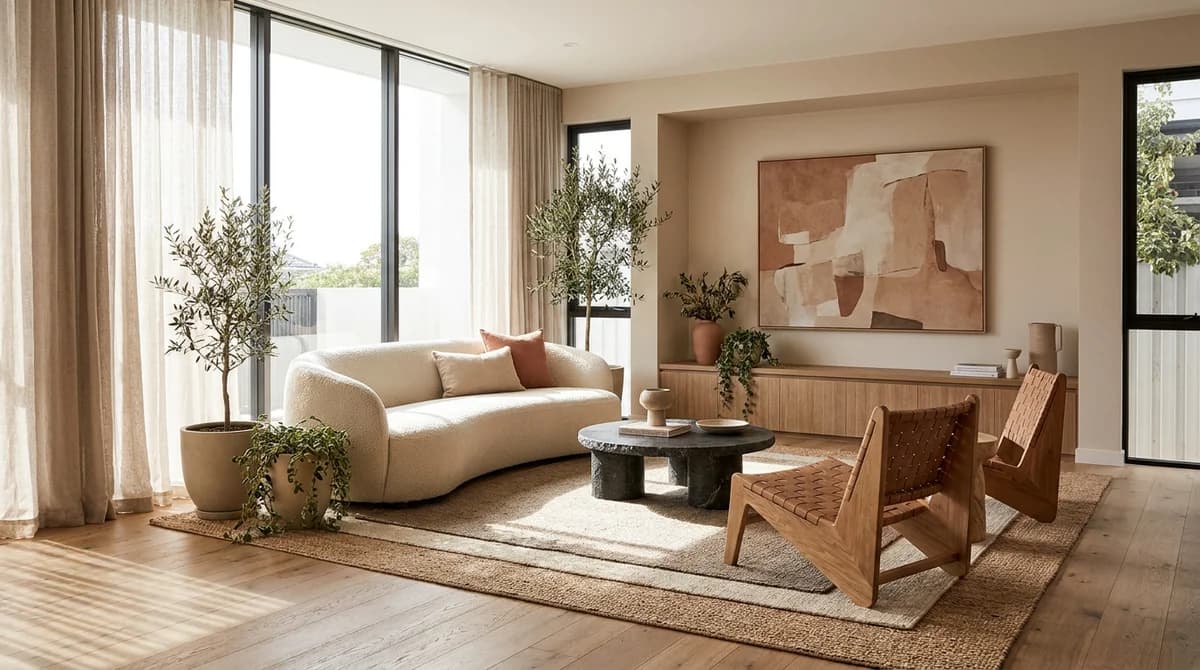
Wood, stone, clay, wool, linen, jute, and rattan all carry the texture and irregularity of nature. Swapping a few engineered finishes for the real thing, an oak tabletop, a stone basin, a wool rug, instantly warms a space. Natural materials also age gracefully, developing patina rather than looking worn, which makes them a durable investment.
Views and connection to the outdoors
A view of greenery, sky, or water is strongly associated with reduced stress and faster mental restoration. Arrange seating to face windows rather than away from them, and frame the best outdoor view like a piece of art. Where there is no good view, "natural analogues," a large landscape photograph, a botanical print, or a green wall, can stand in.
The Wellbeing Case for Biophilic Design
The reason biophilic design has spread from luxury homes into offices, schools, and hospitals is evidence, not aesthetics. A growing body of research connects nature-rich interiors to measurable benefits: lower stress, better mood, improved concentration, and faster recovery. The most consistent findings center on the two most accessible elements, daylight and views of greenery, both repeatedly linked to better wellbeing and sharper focus.
That has practical consequences beyond comfort. For anyone selling or renting a home, the same qualities that make a space feel good in person, abundant light, life, and warmth, also make it more appealing online. Bright, inviting rooms help buyers picture themselves in the space, which matters: the National Association of Realtors reports that staged, well-presented homes sell faster than bare ones, and 81% of buyers say staging makes it easier to imagine a property as their own.
Biophilic Design Room by Room
Living room
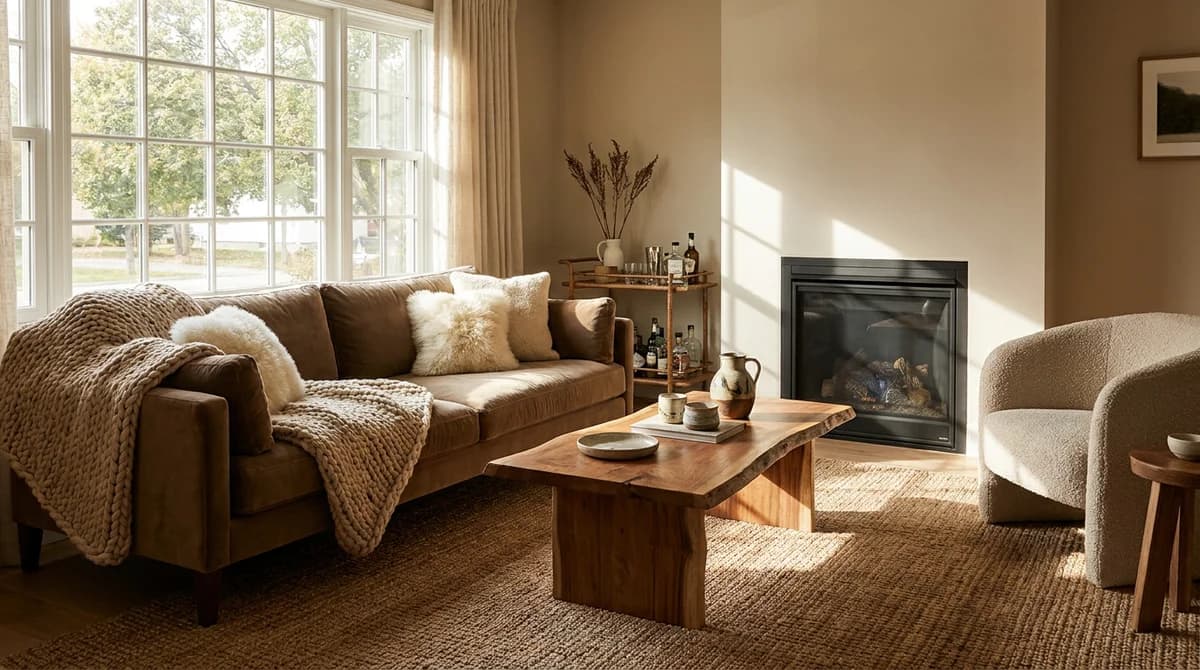
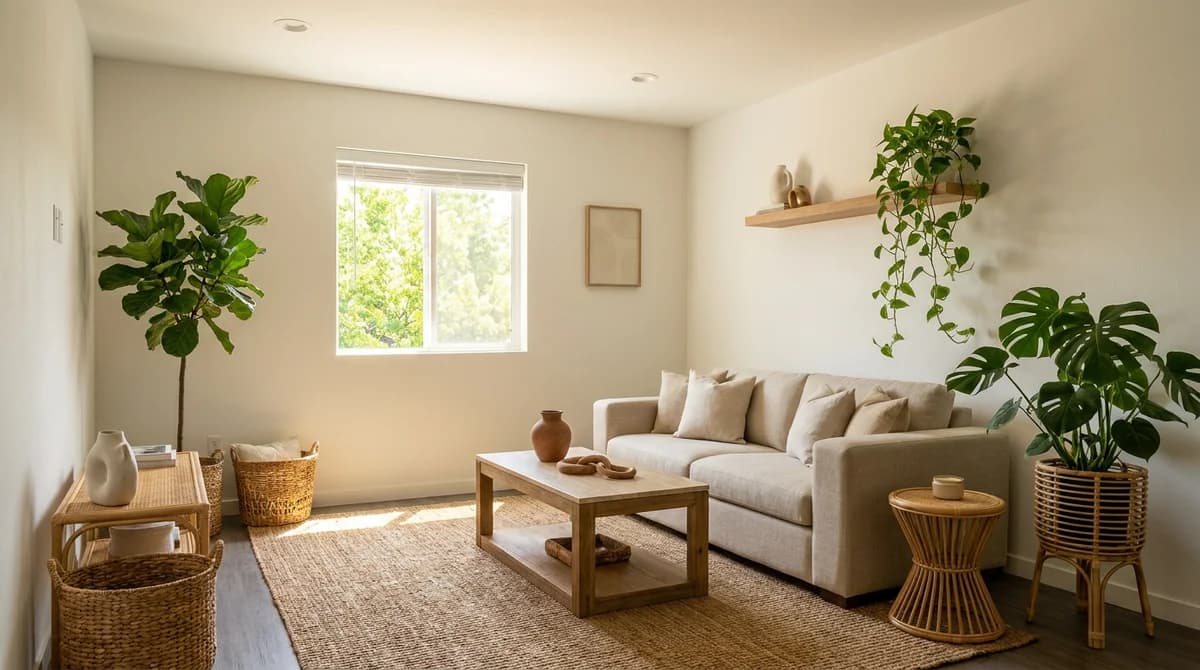
Anchor the room with a strong plant grouping near the largest window, layer natural textures (a jute rug, a wool throw, a wood or stone coffee table), and orient the sofa toward the view. Keep the palette earthy: warm whites, soft greens, clay, and natural wood tones. This is the easiest room to make convincingly biophilic.
Bedroom
Bedrooms benefit from calm and air quality. Use a few air-friendly plants, linen bedding, a wood or rattan headboard, and soft, layered lighting rather than a single harsh overhead. Block as little daylight as possible during the day so you wake and wind down with the natural light cycle.
Kitchen and bathroom
Both rooms suit natural stone and wood, and both can host humidity-loving plants, such as ferns and pothos, that struggle elsewhere. A herb garden on the windowsill is biophilic and useful at once. In the bathroom, natural stone, a wood vanity, and a single trailing plant turn a utilitarian room into a small retreat.
How Biophilic Design Compares to Related Styles
Biophilic design overlaps with several aesthetics but is distinct from each. It is a design philosophy first and a look second.
| Style | Core idea | Relationship to biophilic design |
|---|---|---|
| Biophilic | Connect interiors to nature through light, plants, materials, views | The philosophy itself |
| Coastal | Light, breezy, sea-inspired interiors | Shares natural light and materials; a coastal palette is often biophilic |
| Minimalist | Reduce to essentials, calm and uncluttered | Pairs well; biophilic warmth keeps minimalism from feeling cold |
| Japandi | Japanese-Scandinavian blend of warmth and restraint | Heavily biophilic, built on wood, natural light, and organic form |
If you are mapping out aesthetics, our interior design styles guide breaks down every major look. Biophilic principles layer cleanly onto a coastal interior and warm up a minimalist space without contradicting either.
How to Try Biophilic Design in Your Own Room
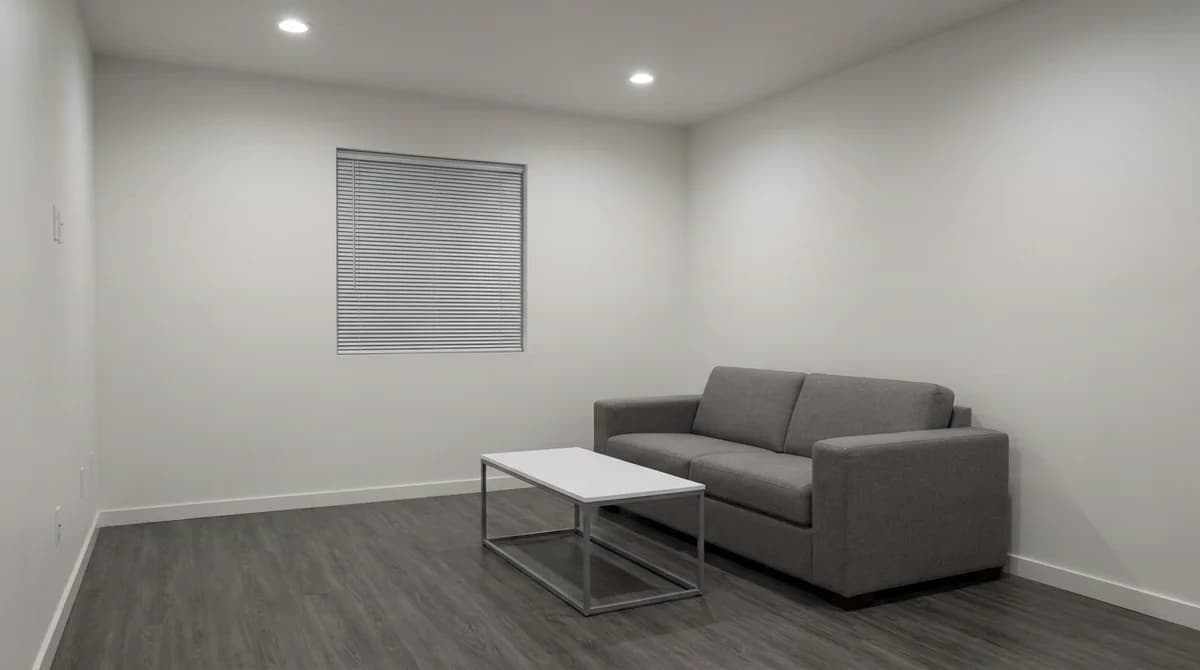
The fastest way to know whether biophilic design suits a space is to see it applied to your actual room, not a showroom photo. With RoomLift, you can upload a photo of any room, choose a direction, and generate a photorealistic biophilic version in under a minute, adding plants, natural light, and natural materials so you can judge the look before buying anything. It costs roughly $1 to $5 per image, a fraction of commissioned renders, and it is the same workflow designers use to win approvals and that agents use for virtual staging. Test it against coastal or minimalist in the same room before you commit.
Frequently Asked Questions
What is biophilic design?
Biophilic design is an approach to interiors and architecture that strengthens people's connection to nature through natural light, living plants, natural materials, water, organic shapes, and views of the outdoors. The name comes from biophilia, the innate human affinity for nature, and the goal is to make indoor spaces feel healthier, calmer, and more alive.
What are the core principles of biophilic design?
Biophilic design is typically organized into three categories: nature in the space (direct elements like plants, daylight, and water), natural analogues (indirect references such as wood grain and organic patterns), and nature of the space (spatial qualities like open prospect and cozy refuge). Most designers focus on a shortlist of light, plants, natural materials, and views.
What are the main elements of biophilic design?
The most common elements are natural daylight, indoor plants, natural materials like wood and stone, and clear views of the outdoors, supported by natural ventilation, water features, organic shapes, and earthy colors. You rarely need all of them; even two or three layered well will transform a room.
Does biophilic design actually improve wellbeing?
Research links nature-connected interiors to lower stress, better mood, and improved focus, which is why biophilic design has spread into offices, schools, and hospitals. Daylight and views of greenery are the most accessible and best-supported wins, and the same inviting qualities also help homes show better to buyers.
How do I add biophilic design to a small space?
Start with daylight and one strong layer of greenery: keep windows clear, use mirrors to spread light, and cluster three to five low-maintenance plants at varied heights. Swap a few finishes for natural materials and choose an earthy paint color. Small rooms benefit from biophilic design as much as large ones.
Is biophilic design expensive?
Not necessarily. The highest-impact moves, more daylight, a few plants, and natural materials, range from nearly free to modest. You can preview a biophilic version of your own room with an AI tool for about $1 to $5 per image in under 60 seconds, so you can test the look before spending on anything.
Ready to transform your listings?
Stage your first room in 20 seconds. No design skills needed.