
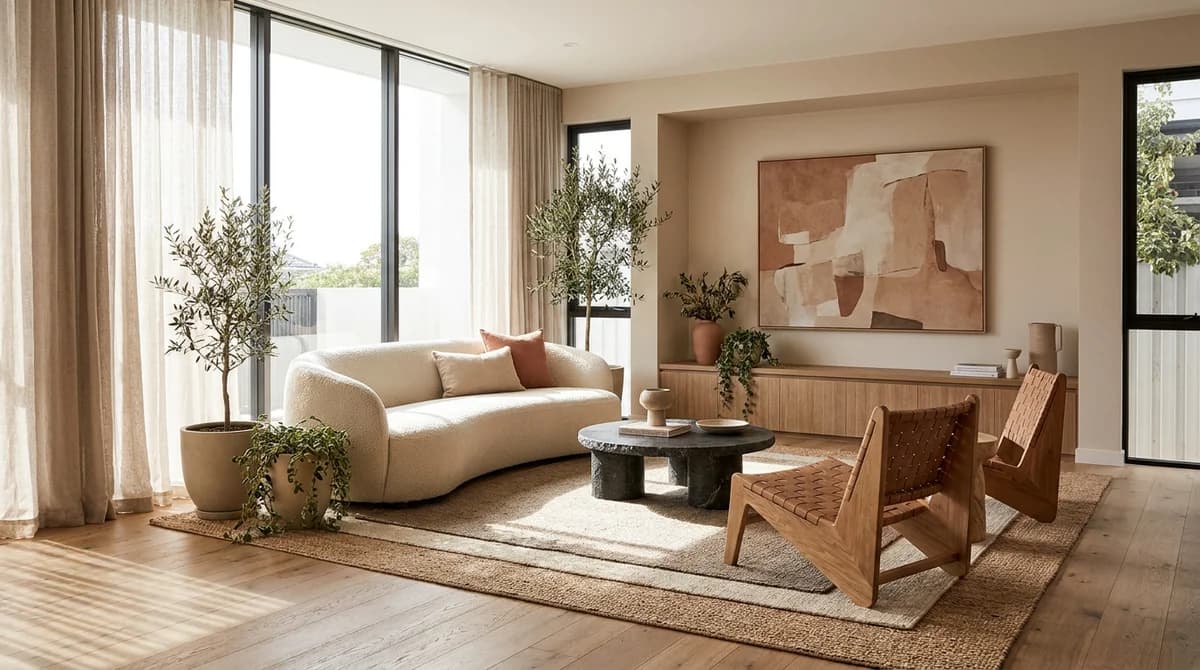
Why interior designers are replacing outsourced rendering
For most design practices, visualization has always been the bottleneck. Either you send the project to a rendering studio and pay $200-500 per image with a three to five day turnaround, or you model it yourself and run a full V-Ray or Enscape pass that ties up an afternoon. Both routes make a single concept expensive, and expensive concepts have a predictable consequence: you present one direction, because presenting three would triple the cost and the timeline.
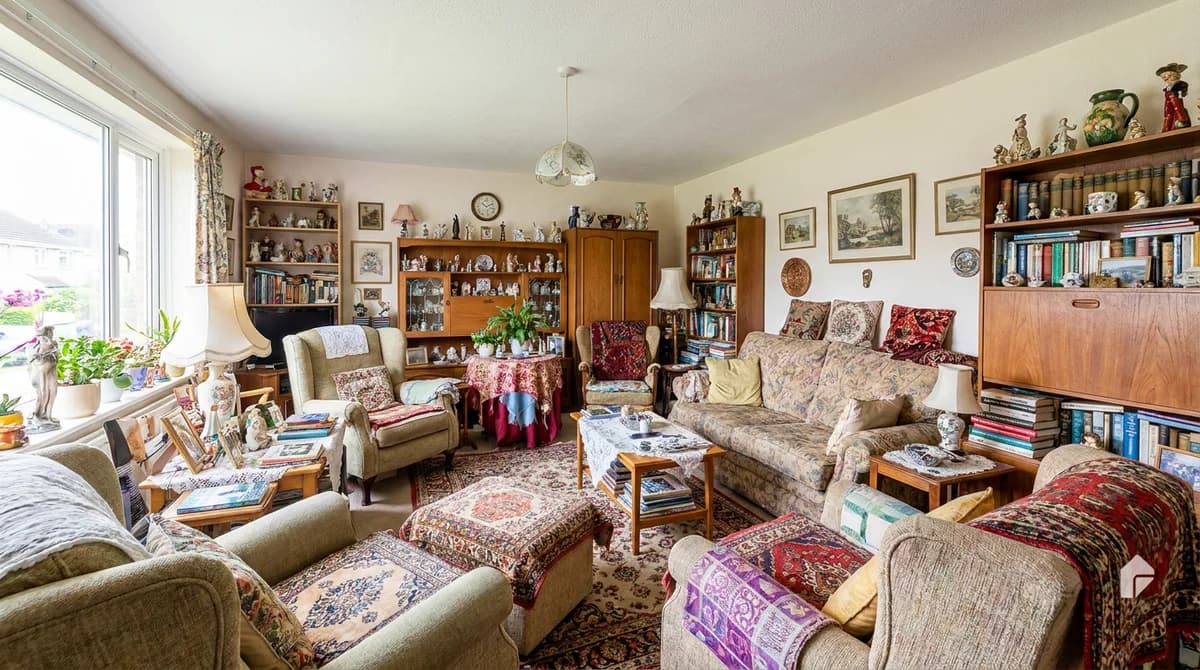
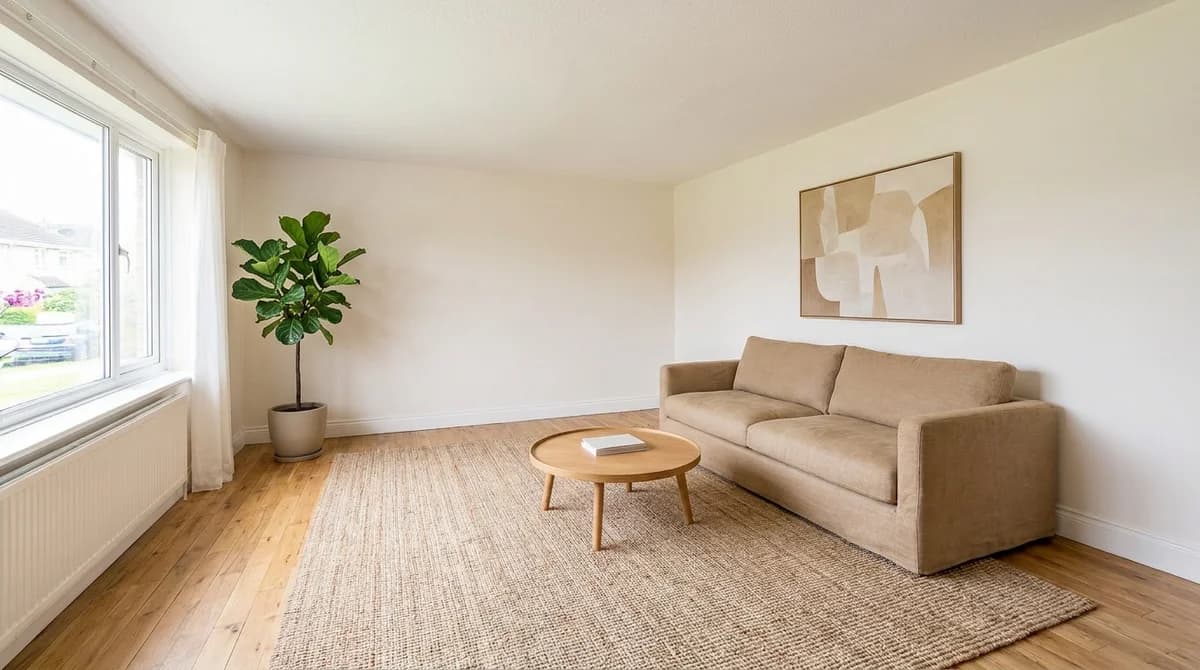
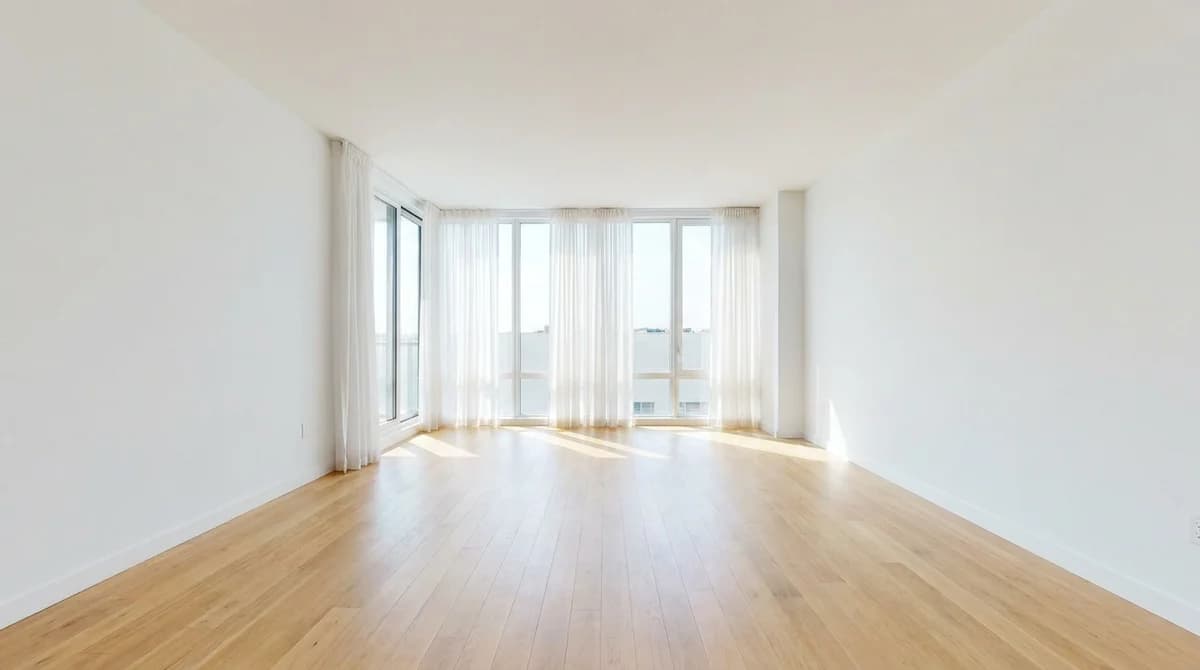
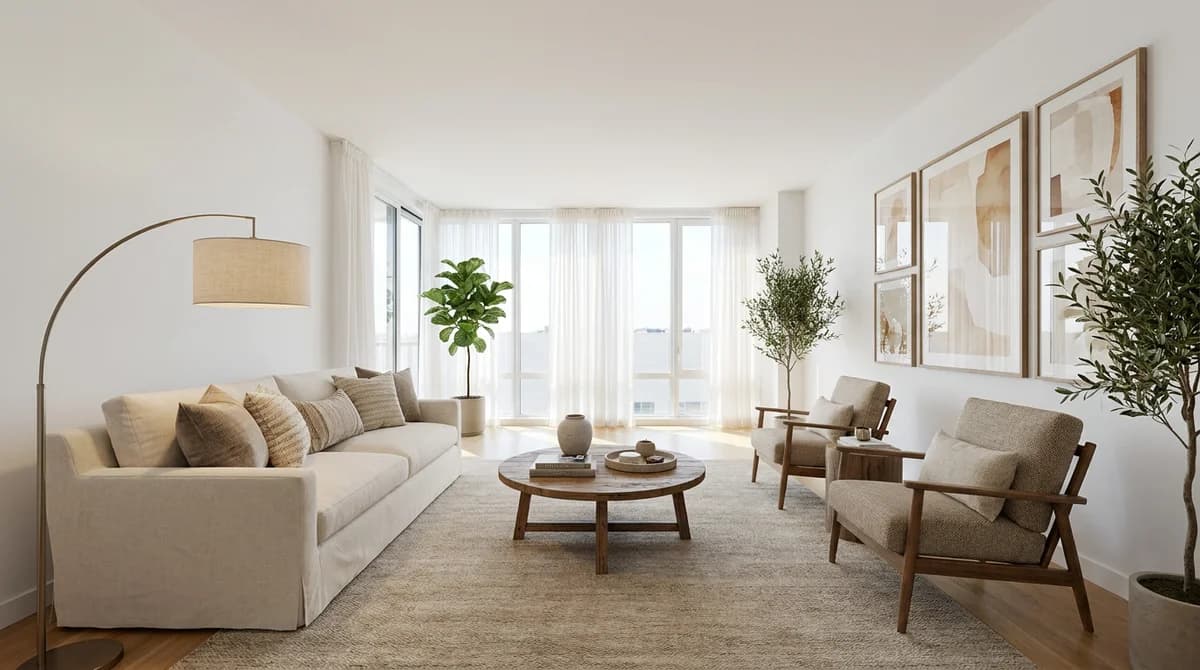
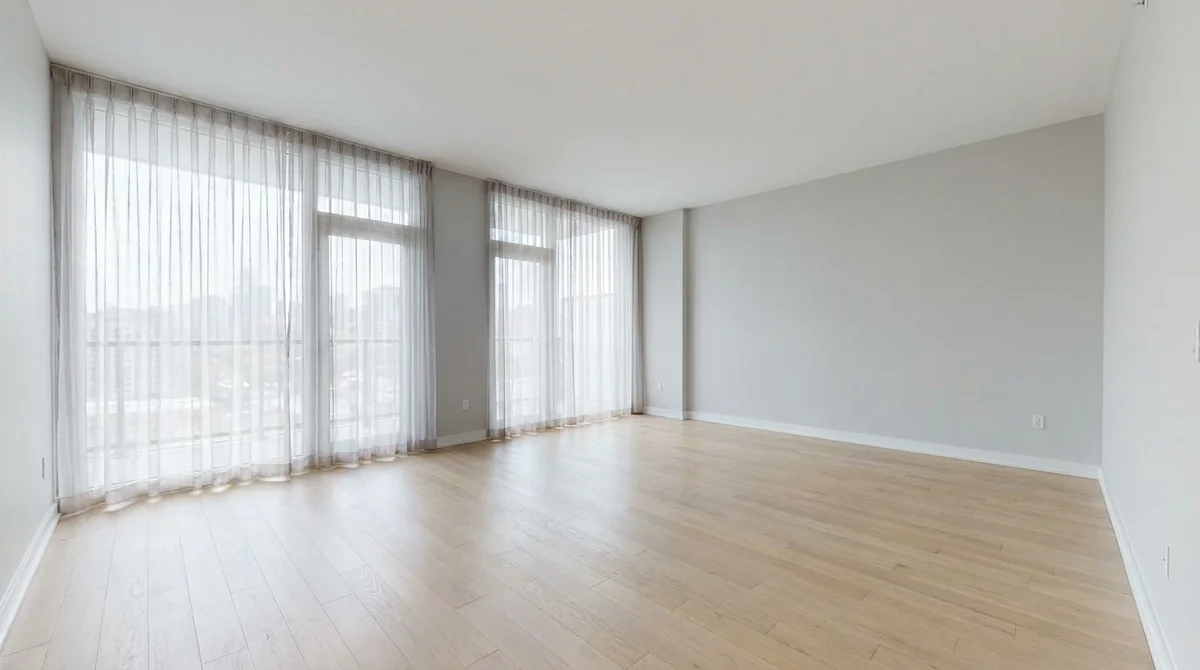
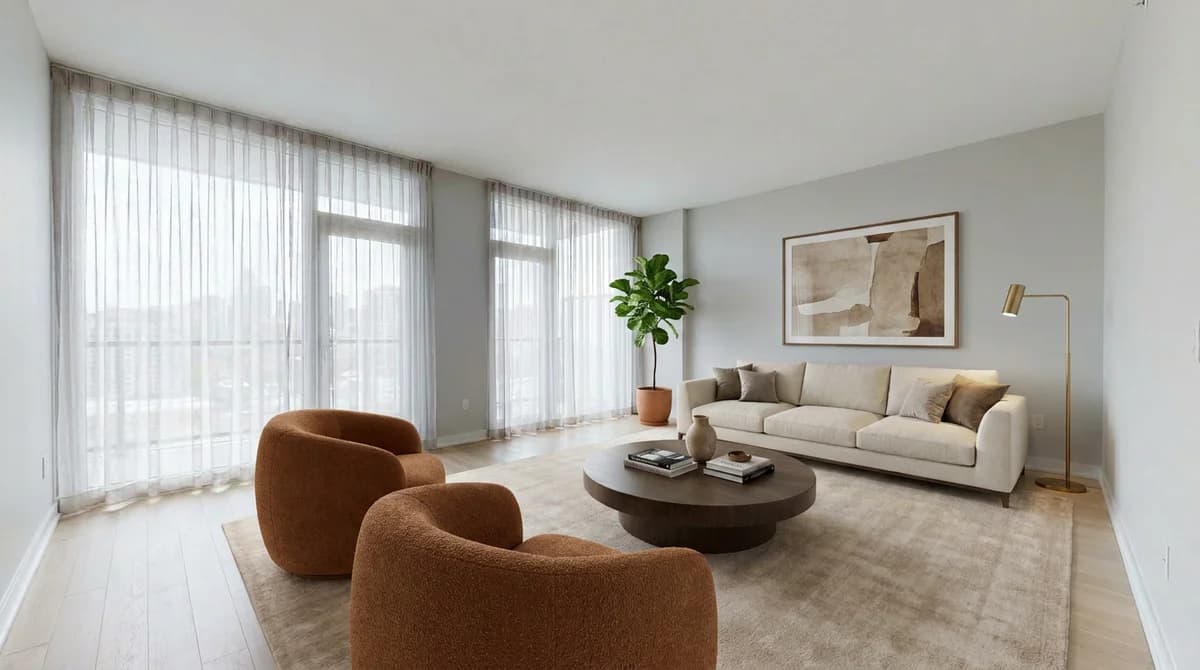
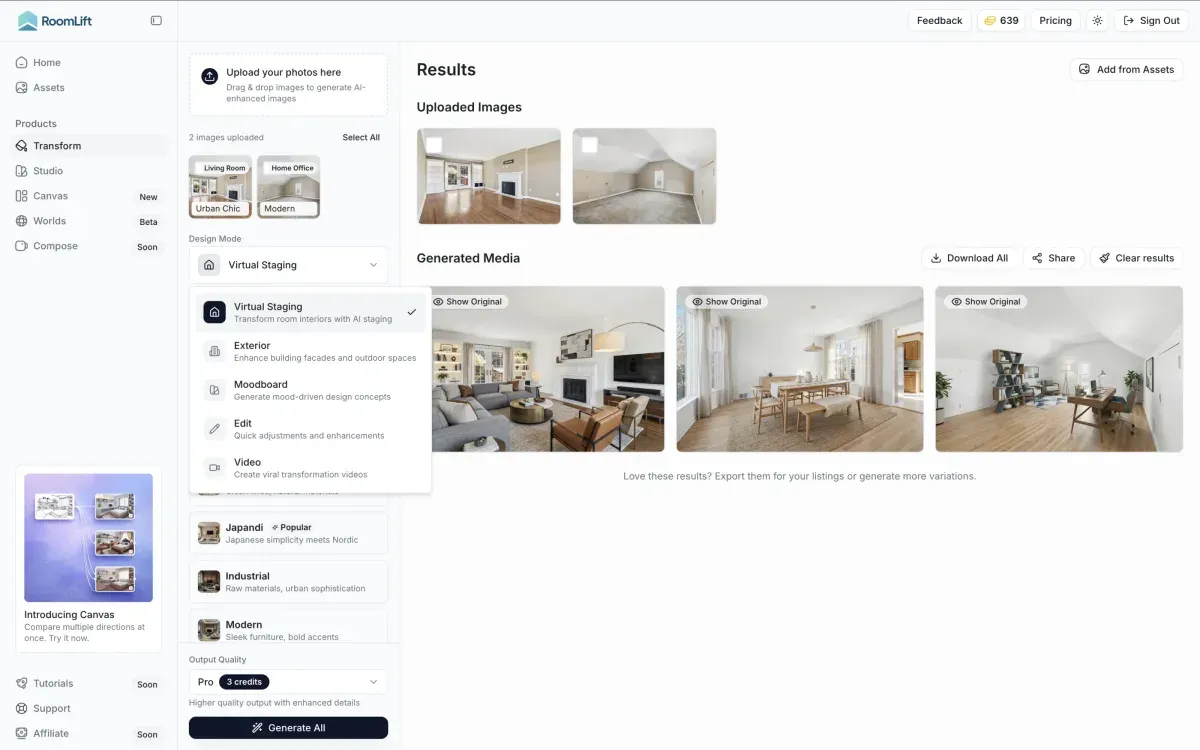
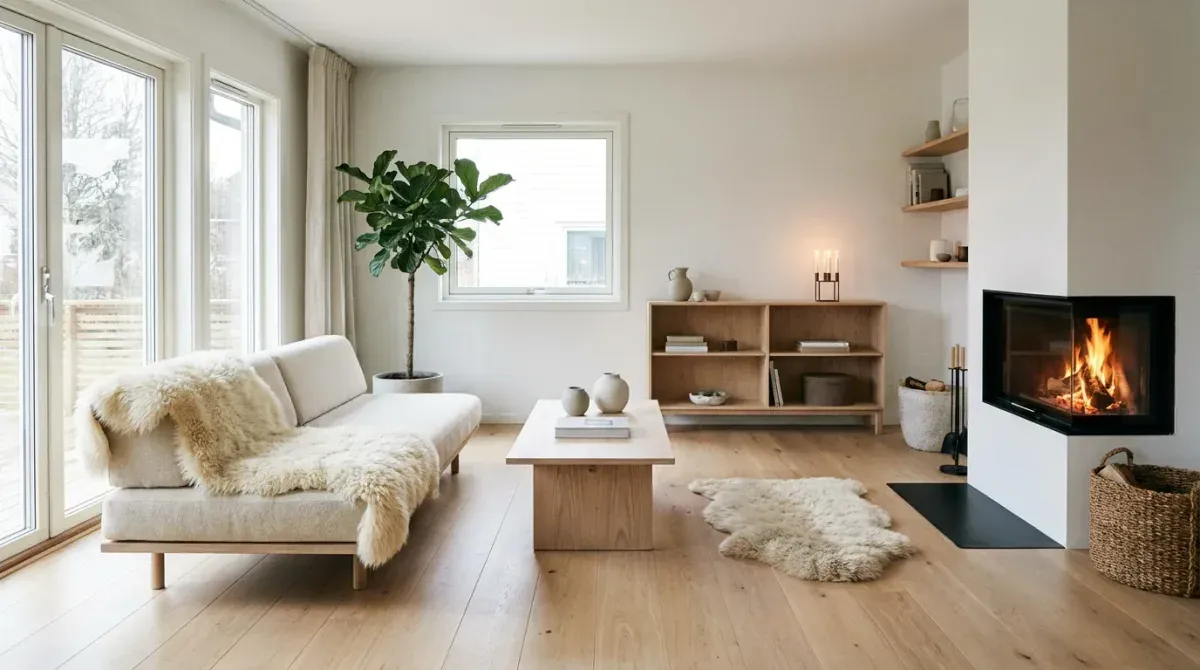
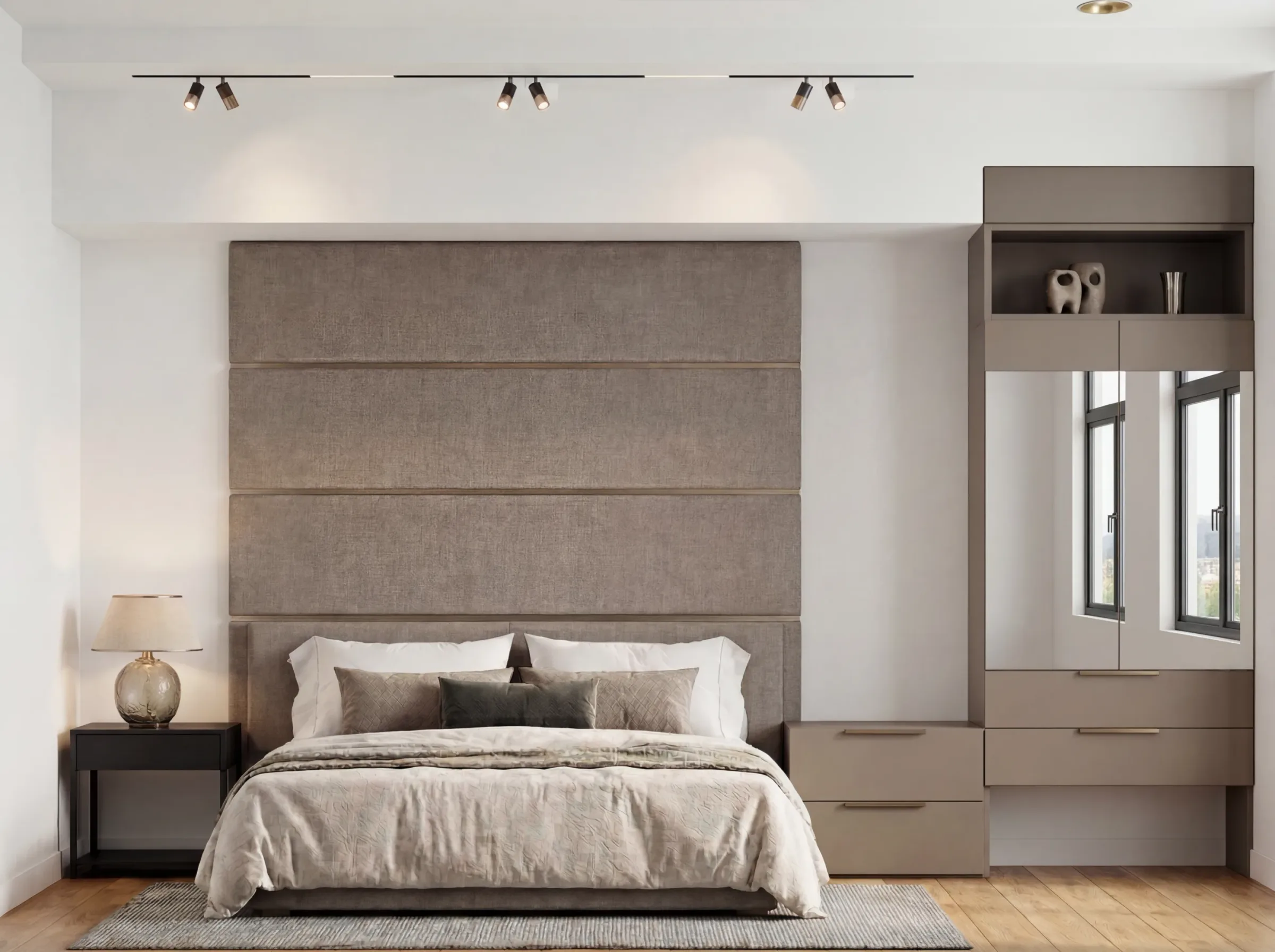
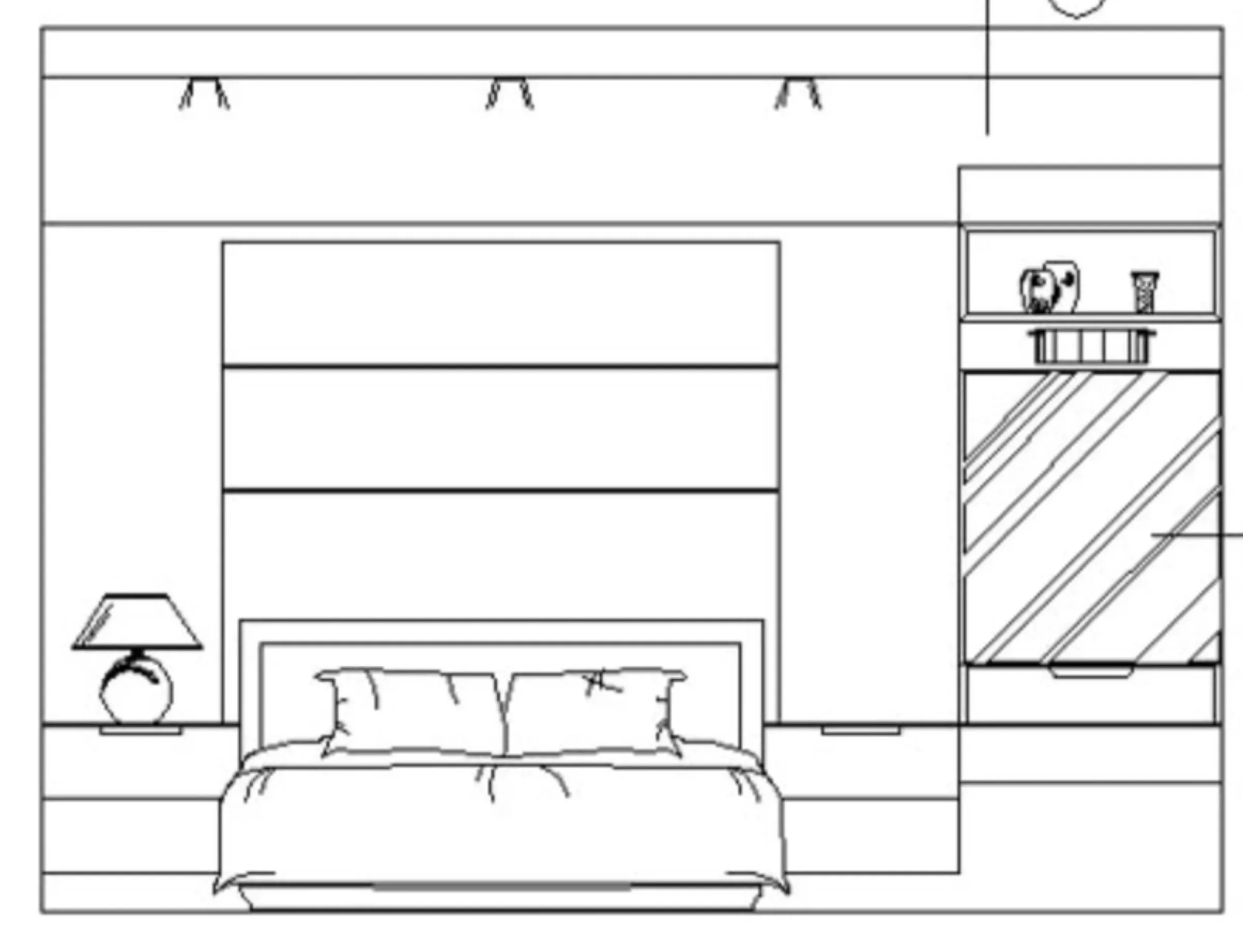
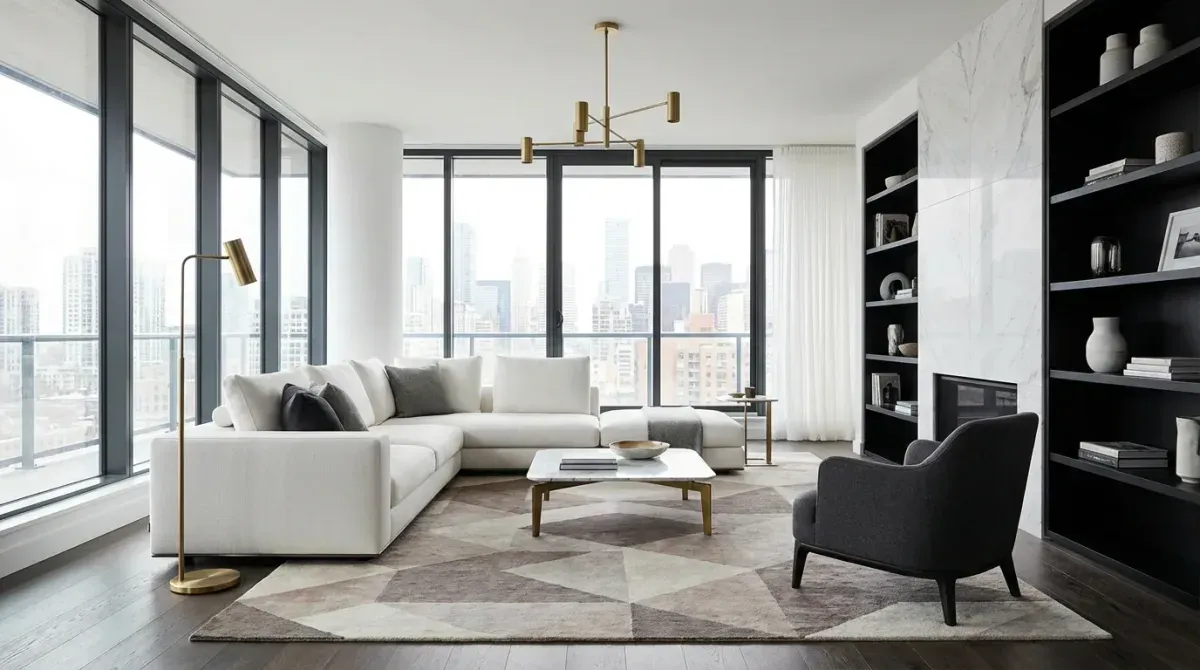
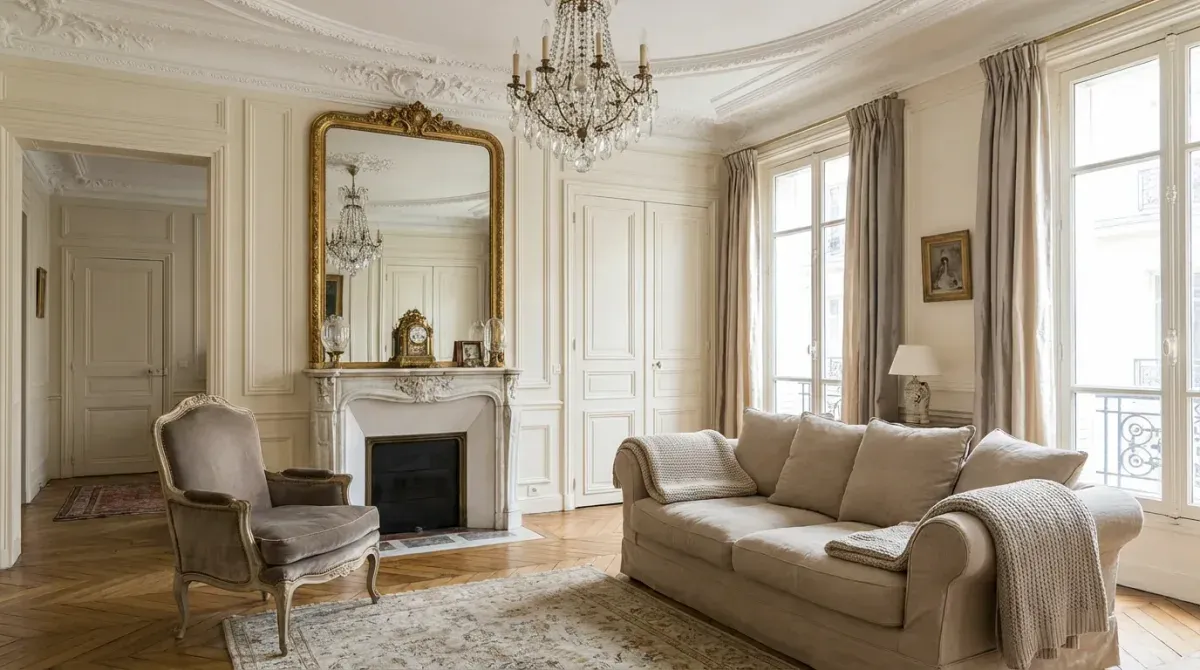
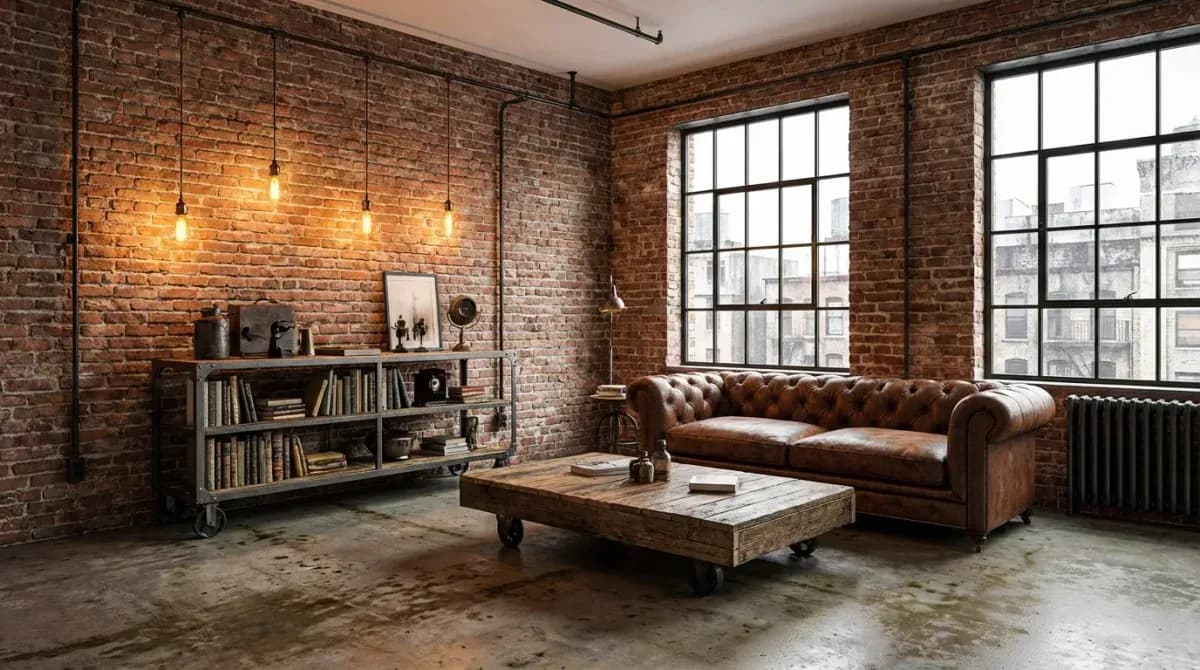
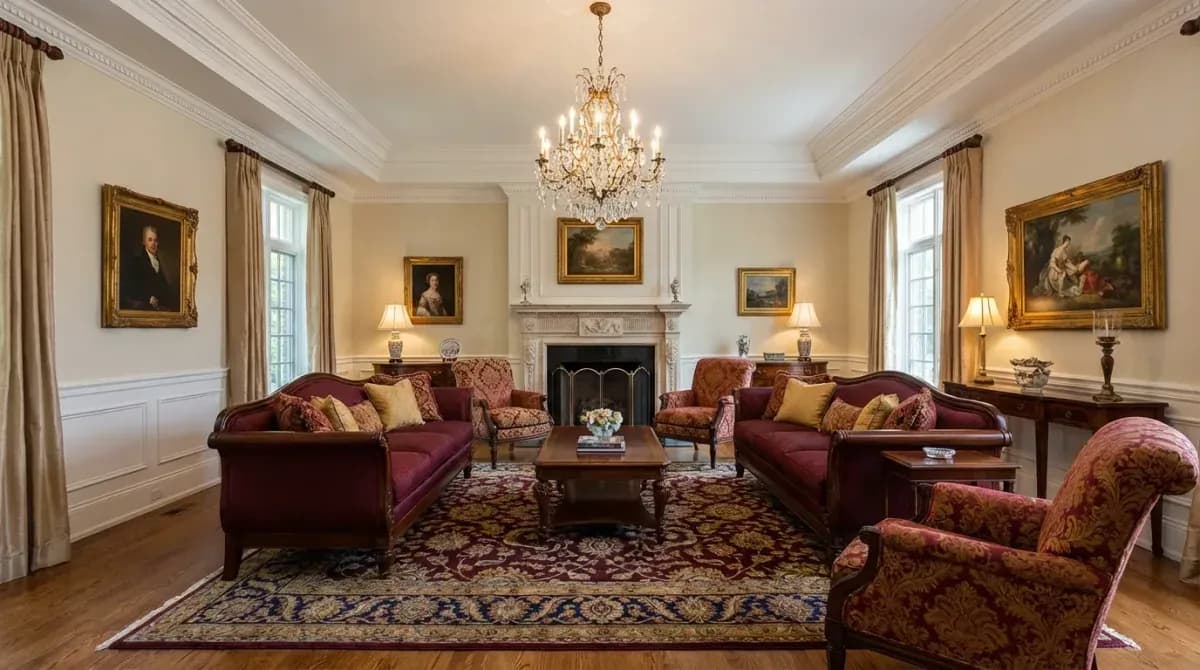
That constraint shapes the whole client relationship. The client is asked to approve a direction from a moodboard or a grey massing model, agrees to it politely, and then discovers what they actually think once the furniture is in the room. RoomLift removes the constraint by finishing the visual from an image you already have, whether that is a photo of the space or an exported view of your model, in under a minute and for roughly the price of a coffee. When an extra option is nearly free, presenting options becomes the default, and the client makes a real decision while you are still in the room with them.
What it replaces in your workflow
Concept renders for the first client presentation, photoreal finishing of SketchUp and CAD viewports at the schematic stage, style exploration before you commit to a direction, targeted edits when one element of an approved render is wrong, renovation previews that show the after alongside the before, 3D walkthroughs and short videos for e-design and remote engagements.
Who it is for
- Solo interior designers who win work on the strength of the first presentation
- Studios that want to pitch multiple directions without multiplying render costs
- E-design and virtual design services delivering entirely to remote clients
- Designers currently outsourcing concept renders, or planning to learn 3D software in order to stop