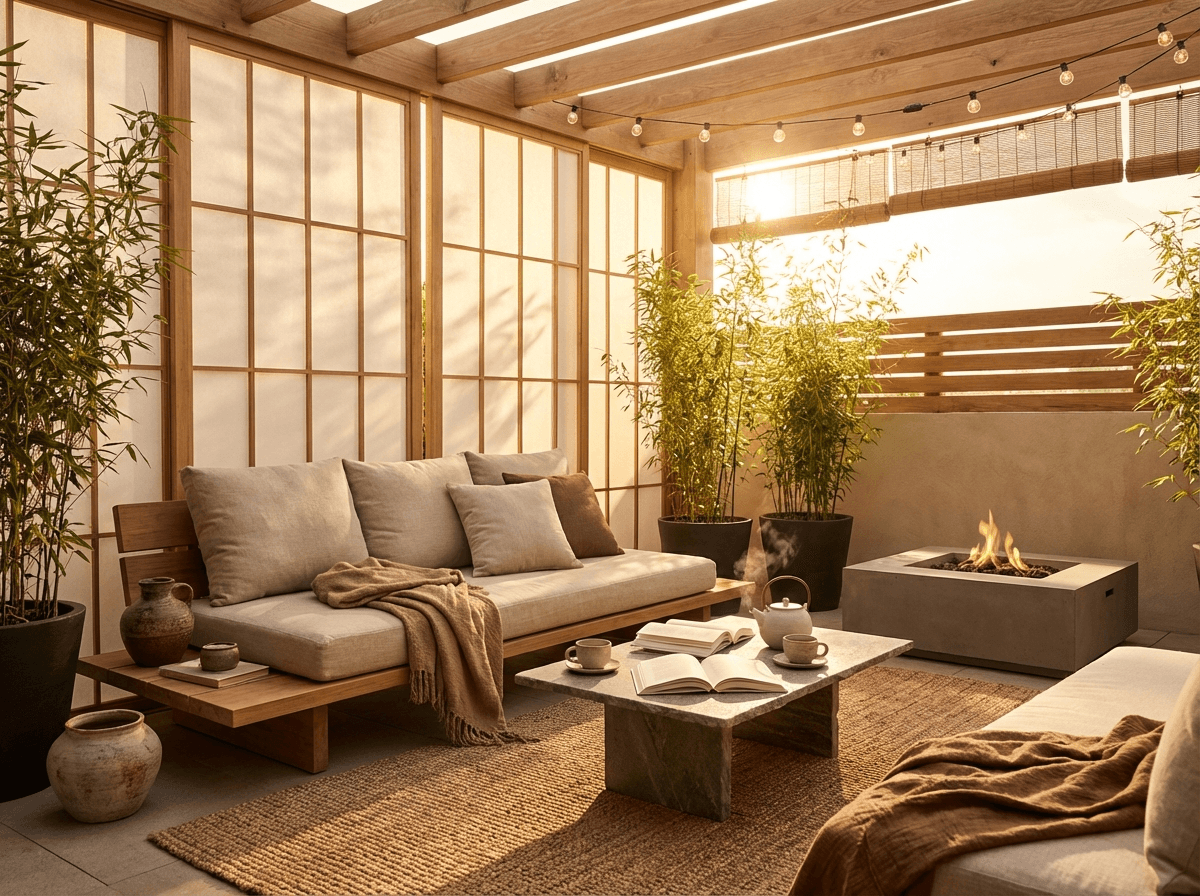
Japandi Patio Design
AI-Powered Design Visualization
Upload a photo of your patio and transform it into stunning Japandi design in under 60 seconds.
No credit card required. 10 free renders.

Color Palette
The essential colors of Japandi patio design
Design Tips
Expert recommendations for your Japandi patio

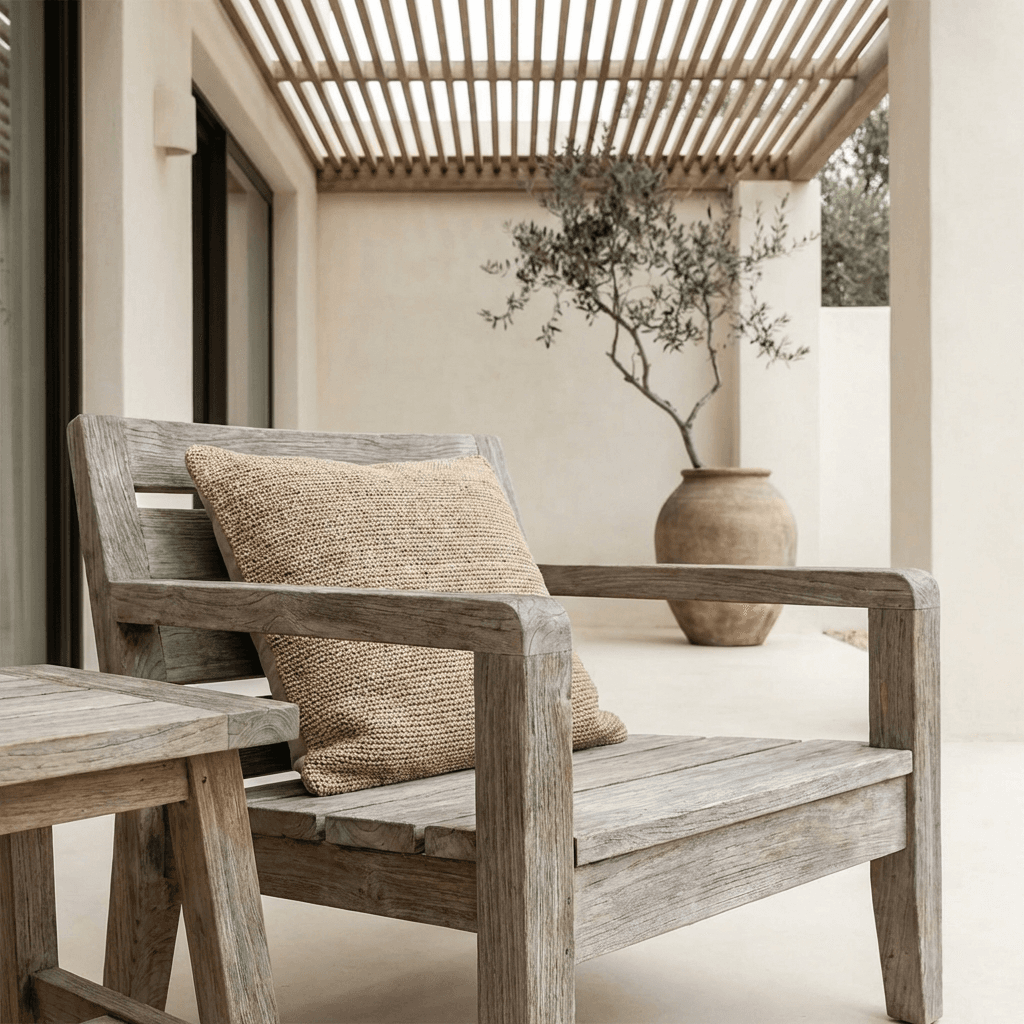
Use weathering-grade wood for furniture
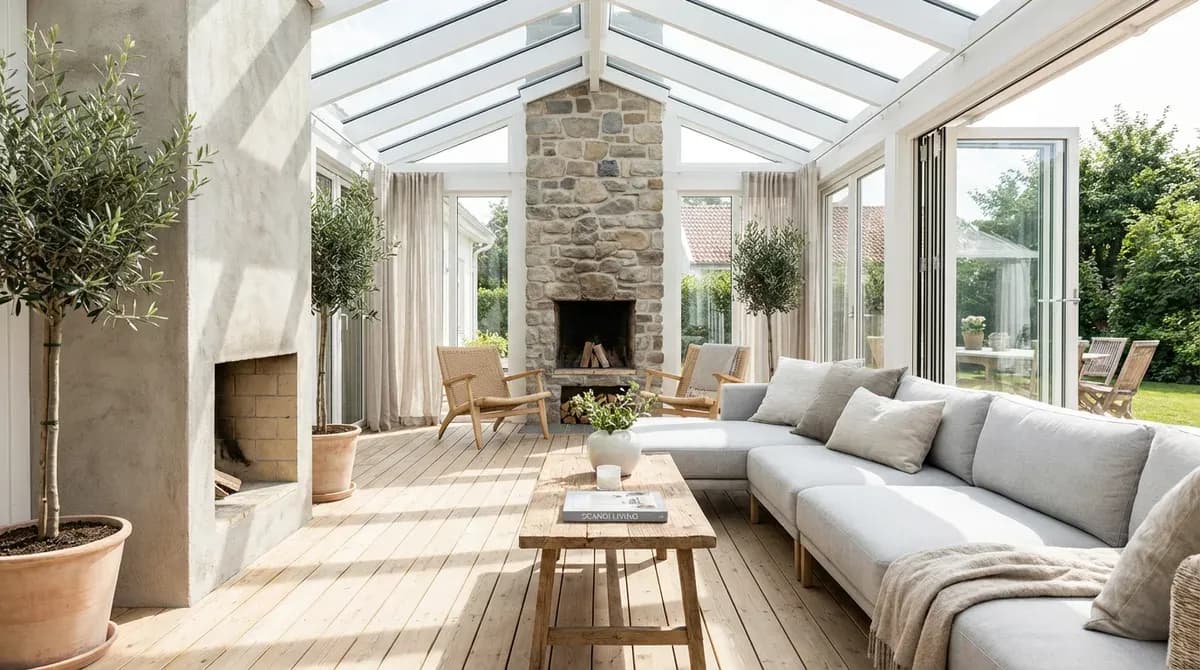
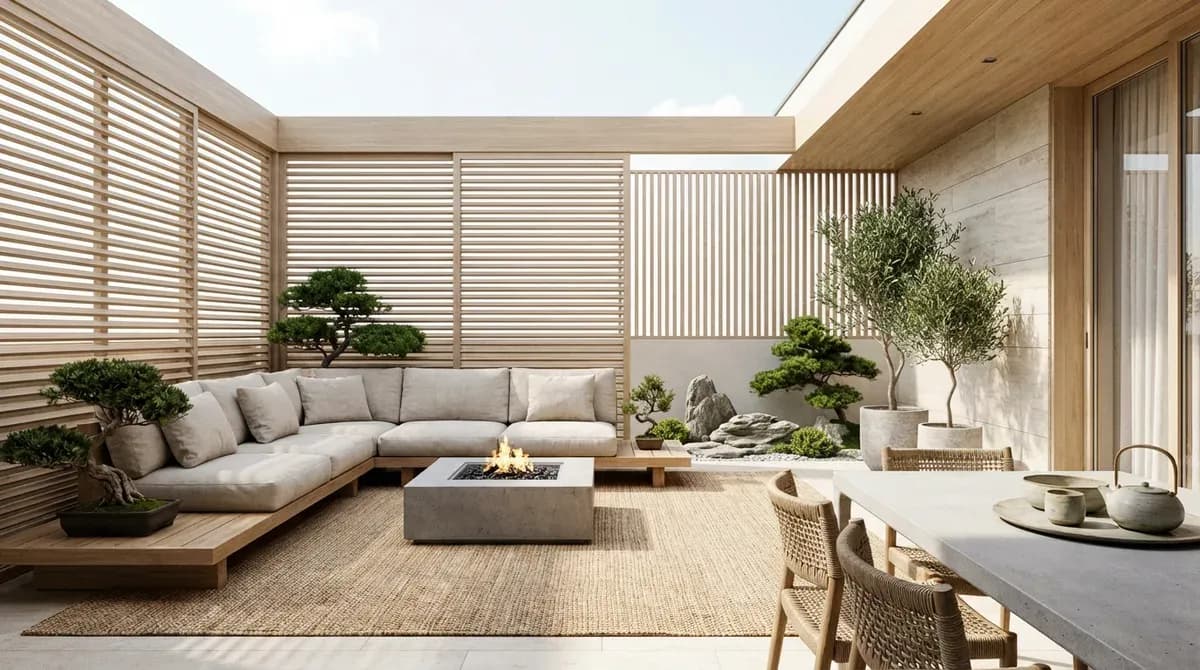
Teak, accoya, or thermowood age gracefully to a silver-gray patina that embodies wabi-sabi. Rather than fighting the weather with stains and sealants, let outdoor wood furniture develop character over seasons. The silvered surface is the Japandi patio's defining texture.

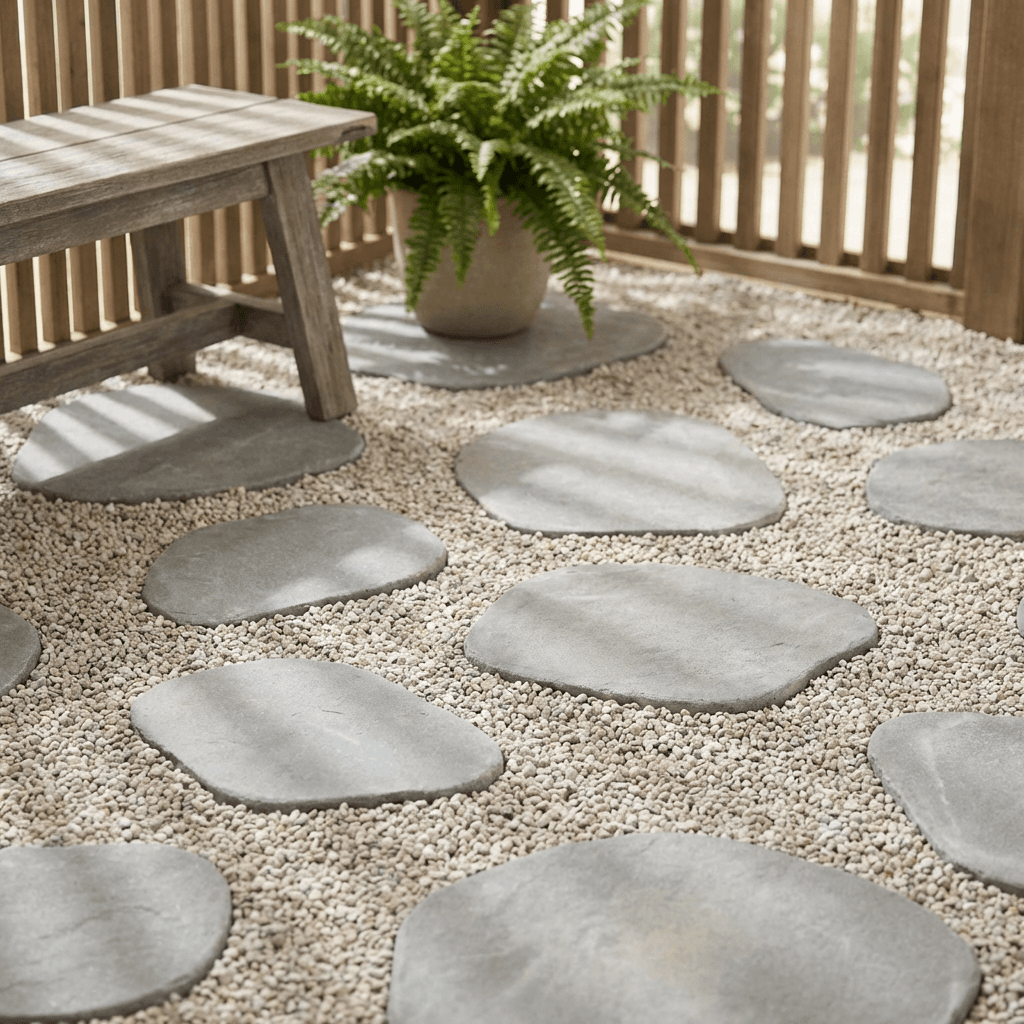
Create a gravel or stepping-stone ground plane
Replace uniform decking or concrete with a combination of fine gravel and irregular natural stepping stones. This treatment, inspired by Japanese garden paths, slows your pace, engages the senses underfoot, and creates a transition from interior to nature.

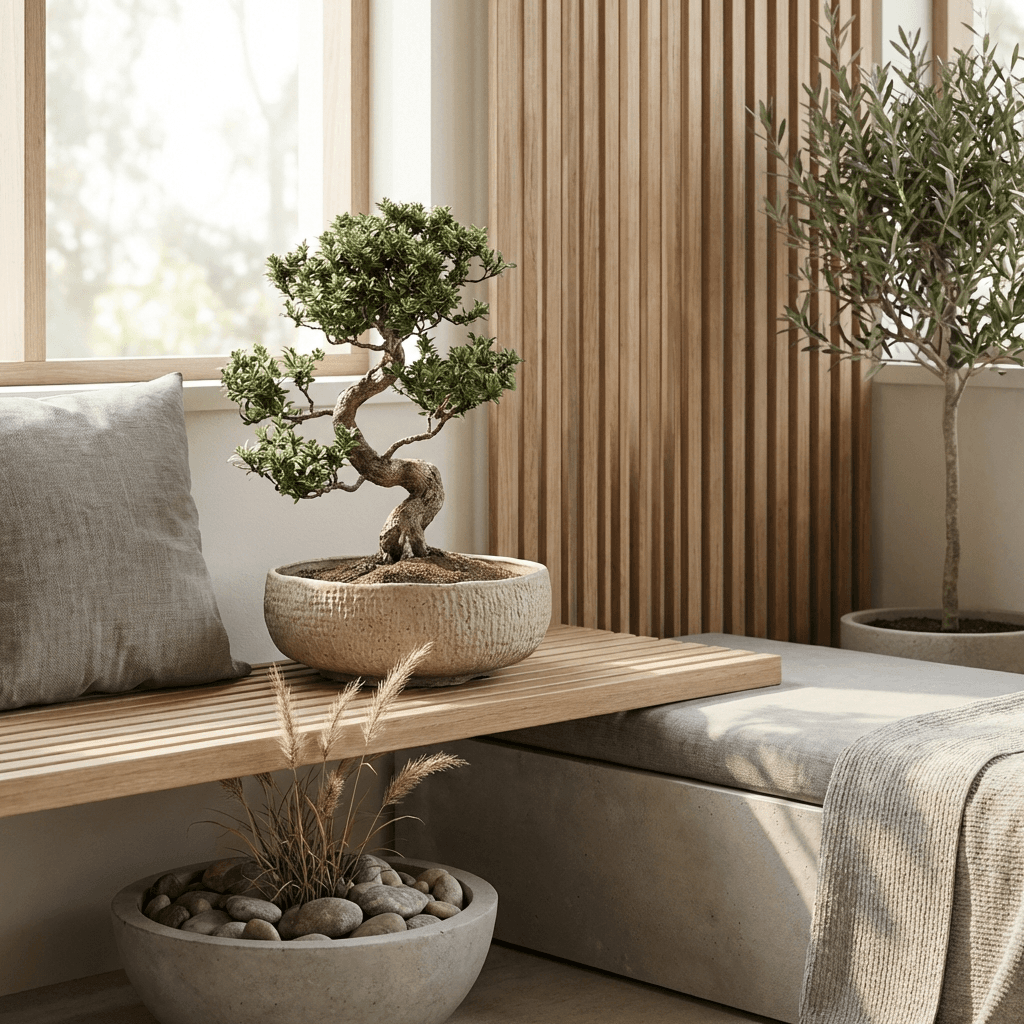
Plant with restraint and intention
Choose three to five plant species and repeat them rather than creating a cottage-garden jumble. Ornamental grasses, Japanese maples, moss ground cover, and a single specimen bamboo create the layered-but-edited greenery that defines a Japandi outdoor space.

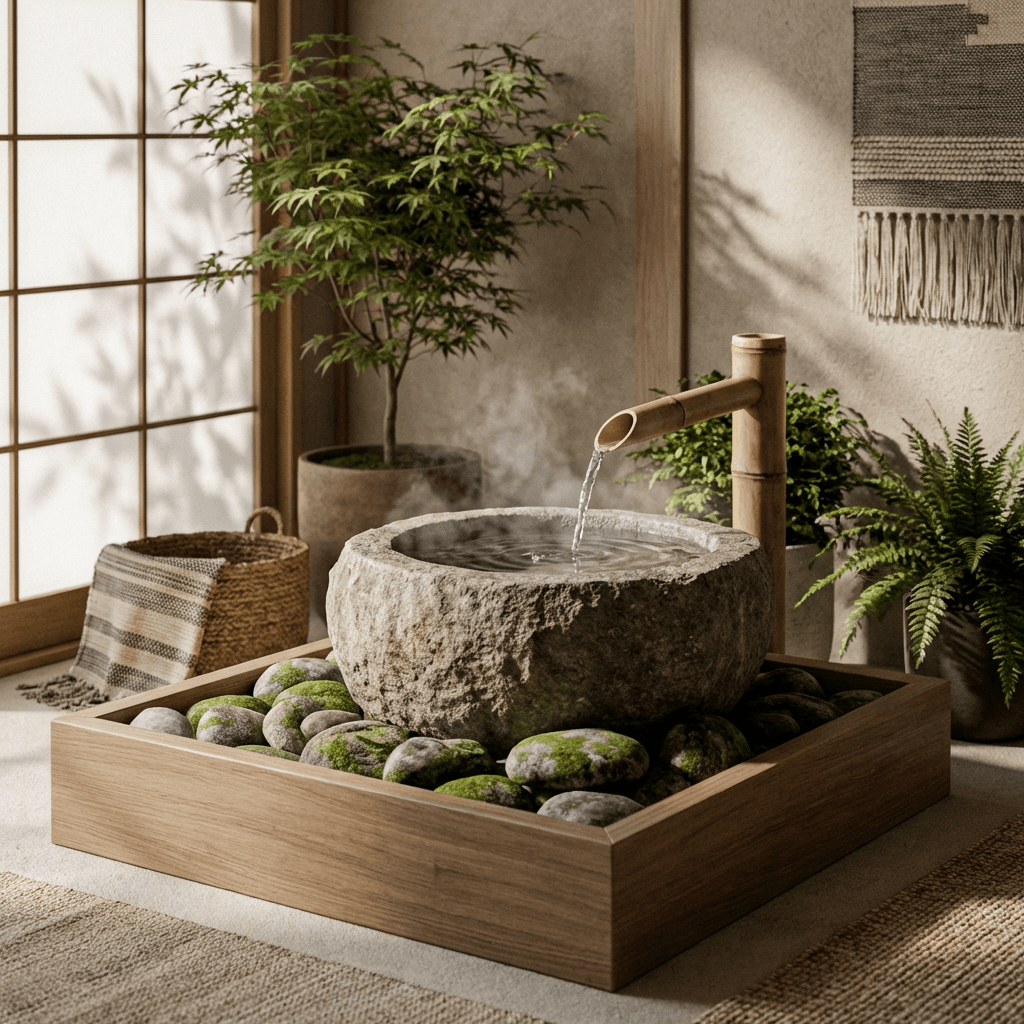
Add a water feature for ambient sound
A small stone basin with a bamboo spout (tsukubai) or a simple recirculating fountain provides the calming sound of moving water. In Japanese garden tradition, water features cleanse the mind; in Scandinavian outdoor living, they mask urban noise and encourage lingering.
Furniture Recommendations
Key pieces for the perfect Japandi patio

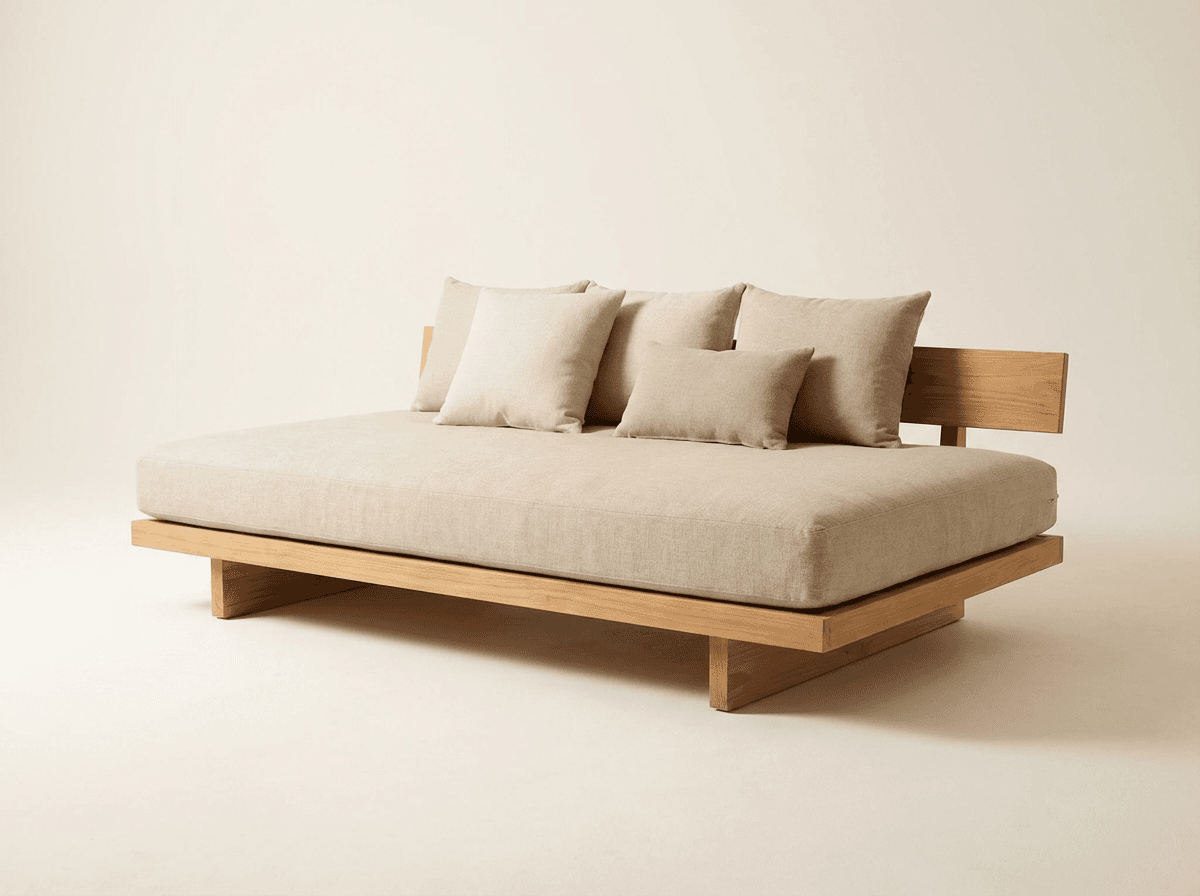
Teak low-platform daybed
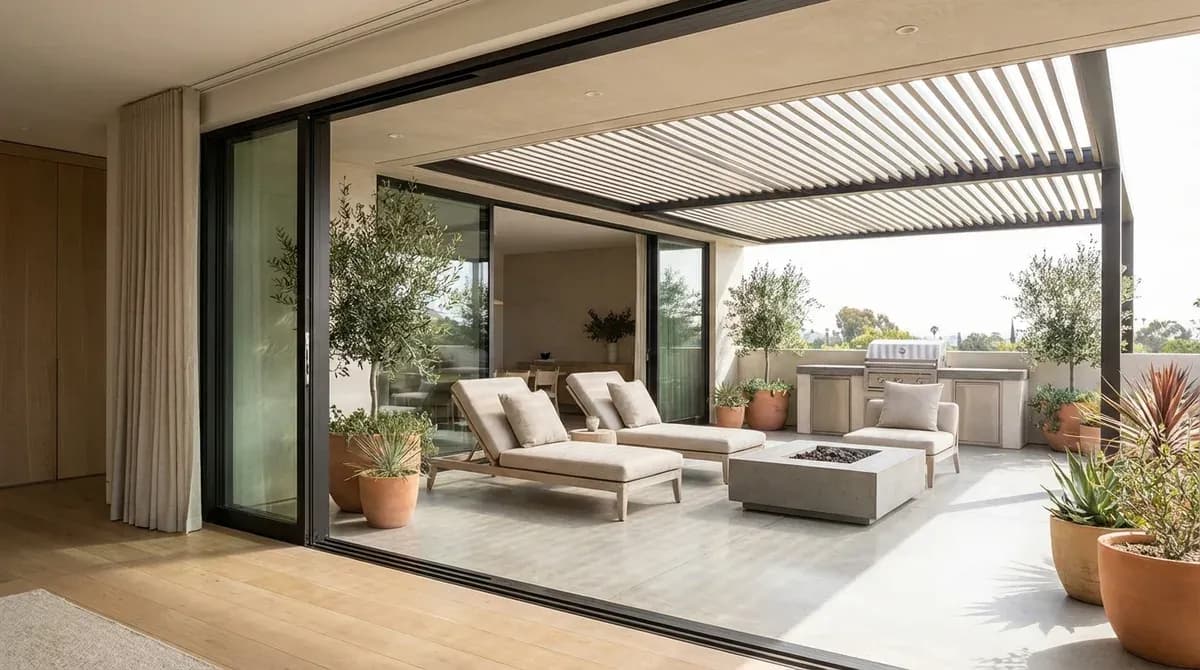
A wide, low platform in untreated teak with a thick outdoor cushion in charcoal or natural linen. Positioned to face the garden, it serves as the patio's primary seating — part sofa, part chaise, entirely Japandi in its grounded proportions.

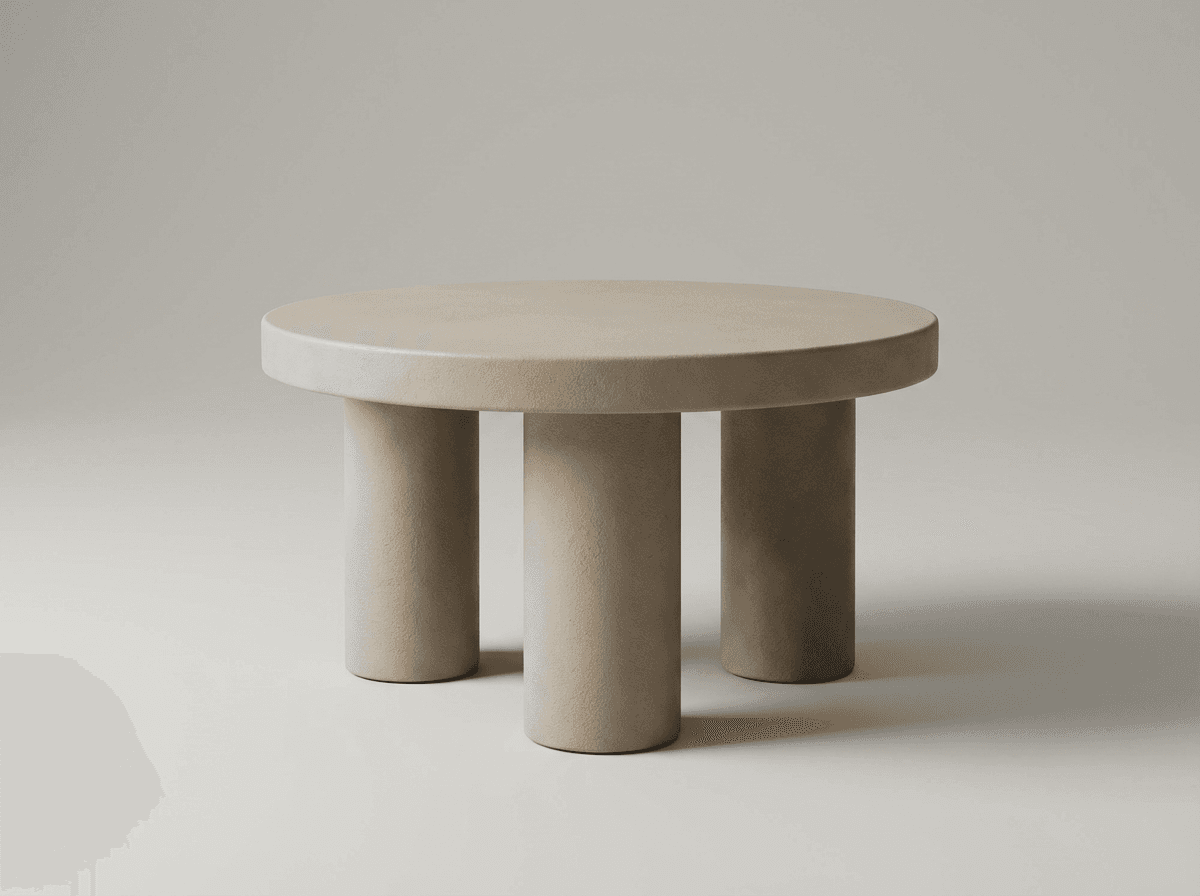
Stone or concrete side table
A cylindrical or irregular-shaped side table in cast concrete or natural stone, heavy enough to stay put in wind and beautiful enough to double as sculpture. The material weathers gracefully and pairs naturally with the silver-gray teak furniture.

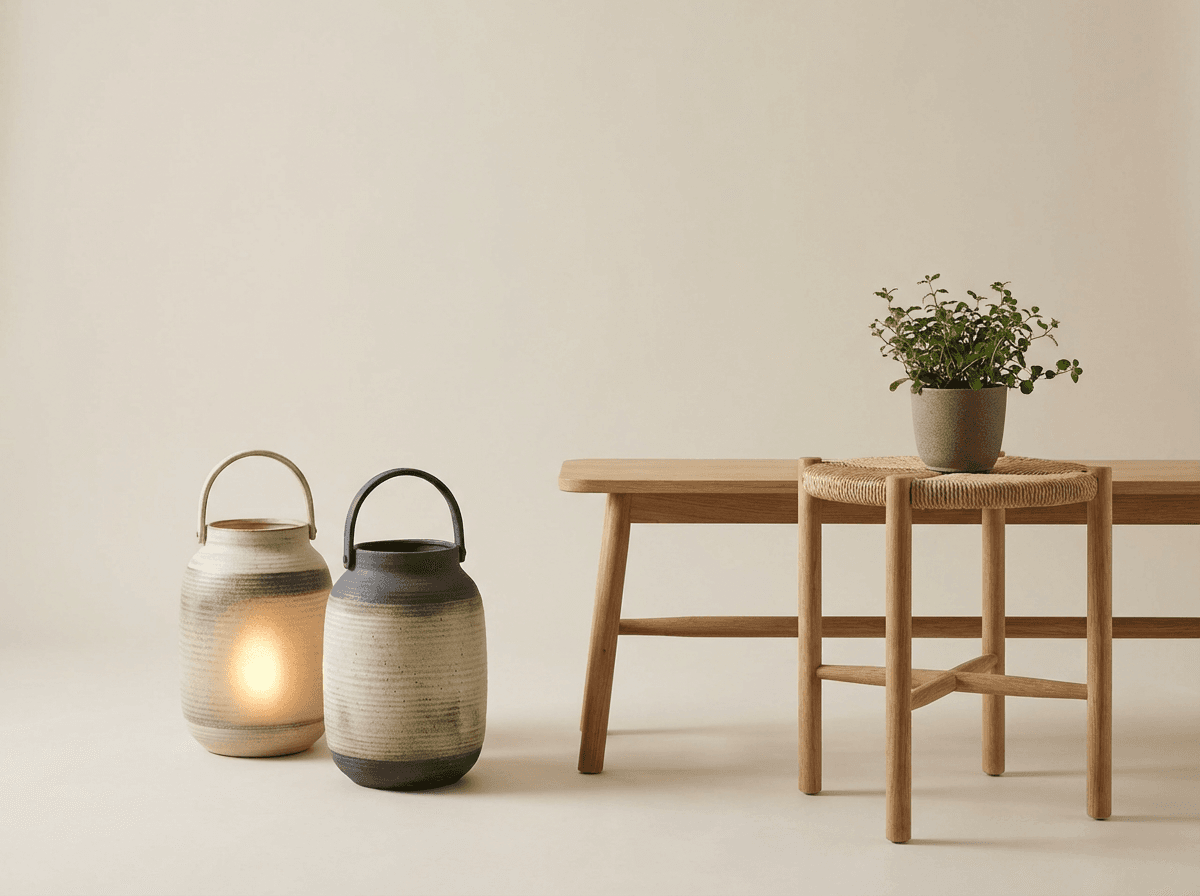
Ceramic outdoor lanterns
Hand-thrown ceramic lanterns in matte earth tones, fitted with candles or solar LED inserts, provide warm evening light. Arranged in a casual group on the ground near seating, they reference Japanese garden lanterns while keeping the patio functional after dark.

This Room in Every Style
Explore more design styles for your patio
More Japandi Rooms
See Japandi design in other rooms
Frequently Asked Questions
Tout ce que vous devez savoir sur RoomLift — pour les designers, agents et tous ceux qui transforment des espaces avec l'AI.
- How do I create a Japandi patio in a small outdoor space?
- Even a narrow balcony can feel Japandi. Use a single low bench in teak or acacia, one potted Japanese maple or ornamental grass, a small stone water feature, and gravel in a shallow tray beneath the plants. The style's minimalism is actually ideal for compact spaces — every element has room to breathe.
- What plants suit a Japandi outdoor space?
- Japanese maples, black pine, ornamental grasses (like Hakonechloa), ferns, moss, and bamboo are classic choices. For Scandinavian warmth, add lavender or boxwood hedging. Choose species that look sculptural even in winter — Japandi gardens are designed to be beautiful year-round.
- How do I light a Japandi patio in the evening?
- Avoid string lights or spotlights. Instead, use ground-level lanterns with warm candle-like LED, a few pillar candles on stone surfaces, and subtle path lighting along stepping stones. The lighting should feel like firelight — low, warm, and scattered.
- Can I mix Japandi with a dining area on the patio?
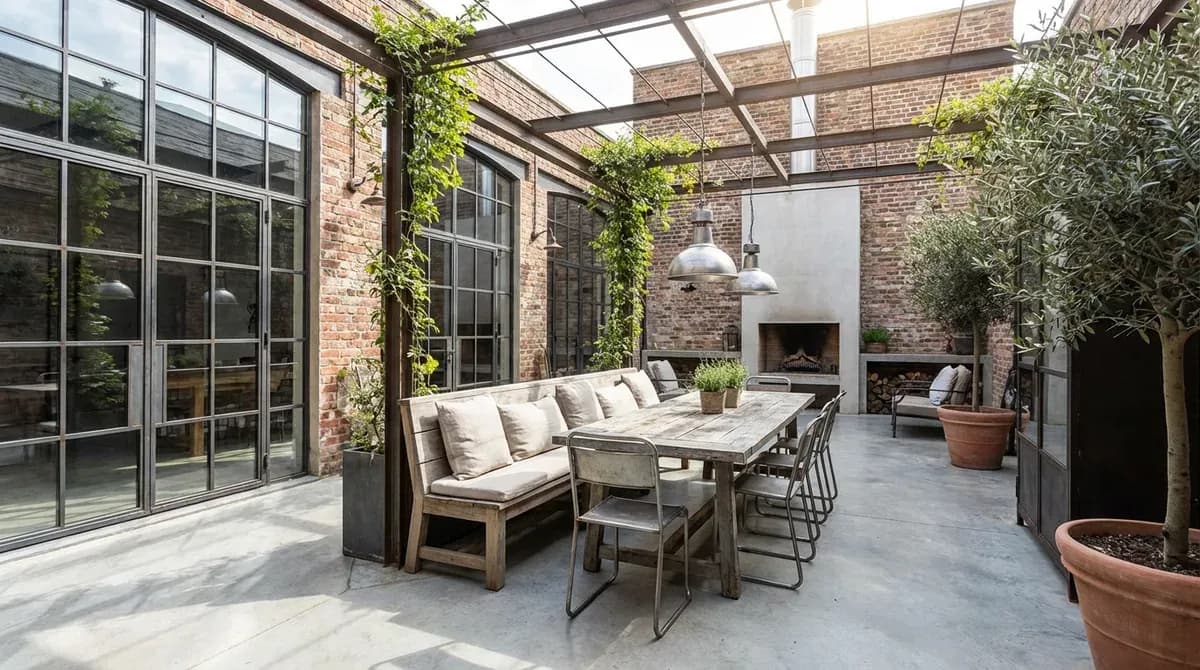
- Yes — a simple wooden trestle table with benches, under a linen shade sail or a pergola with trained climbing plants, creates a natural outdoor dining area. Use ceramic tableware and linen napkins to extend the Japandi material palette from indoors to out.
- What surface works best for a Japandi patio floor?
- A combination of fine pale gravel and natural stone pavers is the most authentic. Alternatively, wide-plank hardwood decking that will silver over time works well. Avoid stamped concrete or composite decking — the surface should feel and look genuinely natural.
No credit card required. 10 free renders.