Attrezzatura per la Fotografia Immobiliare: la Checklist 2026
Aug 3, 2026 · 11 min di lettura
L'attrezzatura per la fotografia immobiliare che si ripaga davvero: fotocamera, obiettivo, treppiede, luci, drone e software per 3 fasce di budget nel 2026.
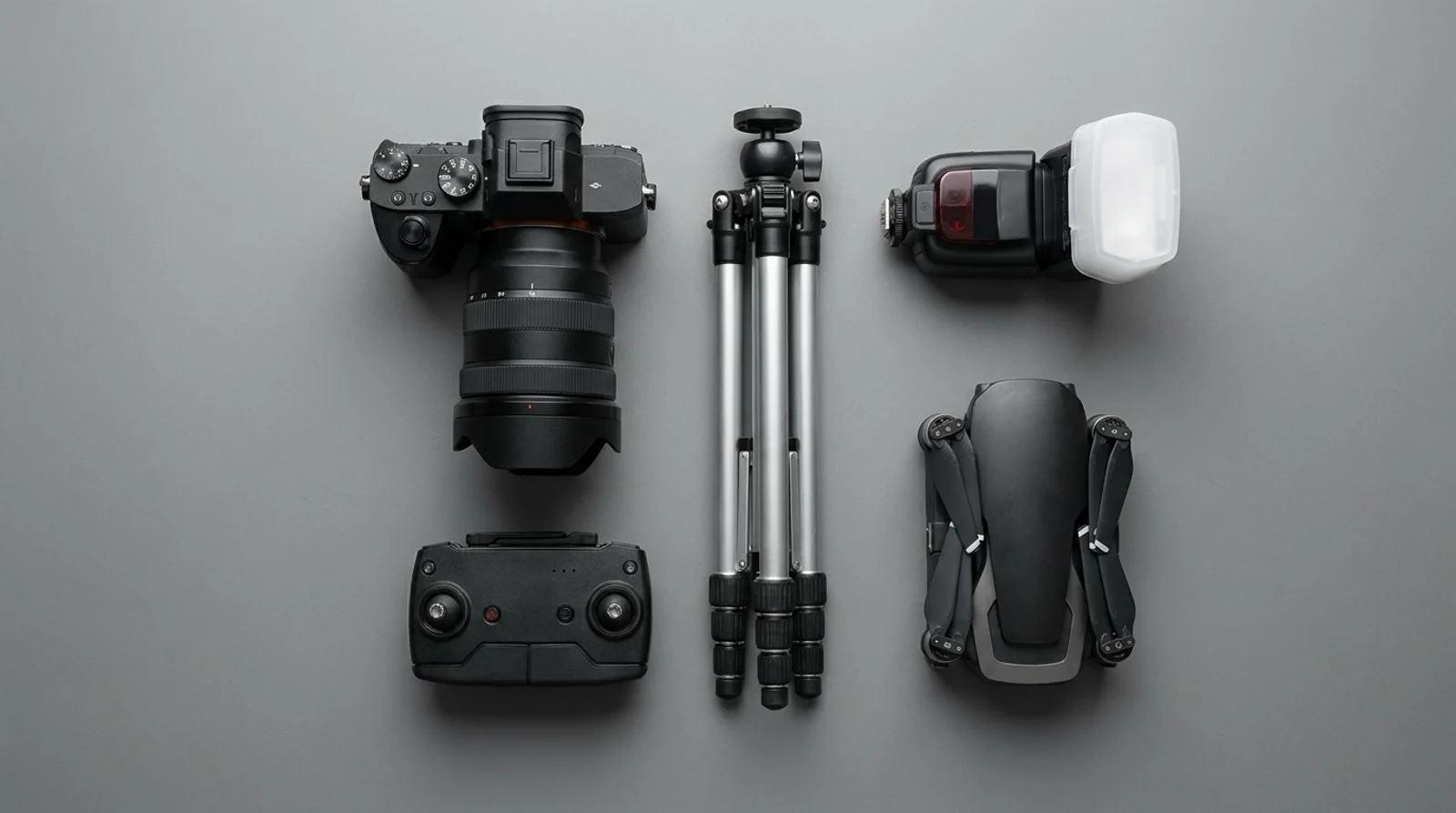
L'attrezzatura per la fotografia immobiliare si divide onestamente in tre fasce: un kit base sotto i 1.500 €, un allestimento working-pro tra 3.000 € e 6.000 €, e un kit di lusso che può arrivare a 10.000 € o più. Fotocamera e obiettivo contano più di tutto il resto, ma sono le scelte su treppiede, illuminazione, drone e software a separare i fotografi che reinvestono il margine con criterio da quelli che spendono in attrezzatura che non gli serve. Questa checklist copre esattamente cosa comprare a ogni fascia e, altrettanto importante, cosa saltare.
Ogni euro che metti nell'attrezzatura per la fotografia immobiliare dovrebbe o velocizzare la consegna o alzare il tetto di quanto puoi far pagare. È questo il filtro (nessun gioco di parole con "obiettivo") da applicare a ogni acquisto.
Kit Base: Sotto i 1.500 €
Questo è l'allestimento minimo per prendere i primi incarichi a pagamento. Non ti farà vincere gli annunci di lusso, ma produce interni puliti e ben esposti che gli agenti immobiliari sono felici di ricevere entro la settimana.
| Categoria | Scelta consigliata | Prezzo tipico |
|---|---|---|
| Fotocamera | Mirrorless APS-C entry level (Canon EOS R10, Sony a6100) | 650-800 € |
| Obiettivo | Zoom o fisso grandangolare, equivalente 10-18mm APS-C | 300-450 € |
| Treppiede | Treppiede da viaggio in alluminio con livella a bolla | 50-100 € |
| Illuminazione | Non indispensabile: rimbalza un solo flash da camera sul soffitto | 0-120 € |
| Drone | Salta questo passaggio: noleggia o subappalta per il raro annuncio che lo richiede | 0 € |
| Software | Adobe Lightroom (piano Photography) | 10 €/mese |
Totale: circa 1.000-1.500 €, più una scheda di memoria e una batteria di scorta. L'obiettivo è l'unica voce su cui non risparmiare: uno zoom in kit con distorsione a barile visibile fa sembrare storta ogni stanza, ed è il modo più rapido per perdere un cliente che potrebbe tornare.
Kit Working-Pro: 3.000-6.000 €
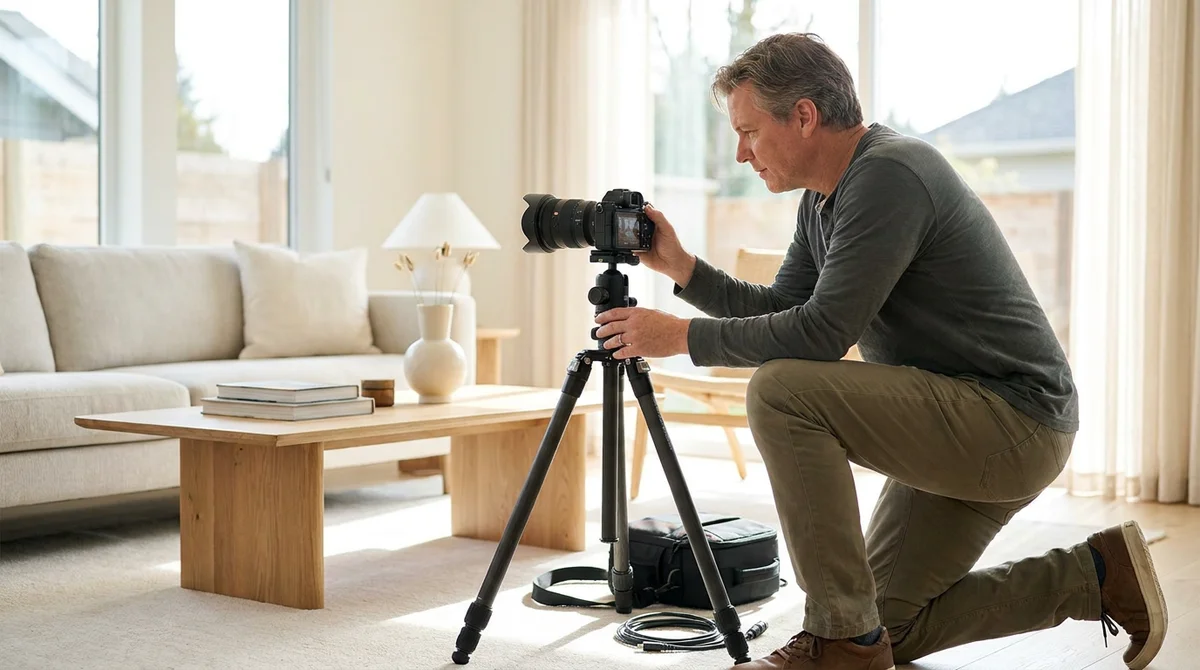
È la fascia in cui si stabilizza la maggior parte dei fotografi immobiliari a tempo pieno. Pensata per il volume: cinque-otto annunci a settimana, qualità costante e tempi di consegna abbastanza rapidi da competere sulla consegna in giornata.
| Categoria | Scelta consigliata | Prezzo tipico |
|---|---|---|
| Fotocamera | Mirrorless full-frame (Sony a7 IV, Canon EOS R6 Mark II, Nikon Z6 III) | 2.000-2.500 € |
| Obiettivo | Zoom grandangolare rettilineo, 16-35mm f/4 | 800-1.300 € |
| Treppiede | Treppiede da viaggio in fibra di carbonio con testa a cremagliera o a fluido | 350-600 € |
| Illuminazione | 1-2 flash a slitta con trigger wireless, oppure un kit flash da studio compatto da 200W | 400-700 € |
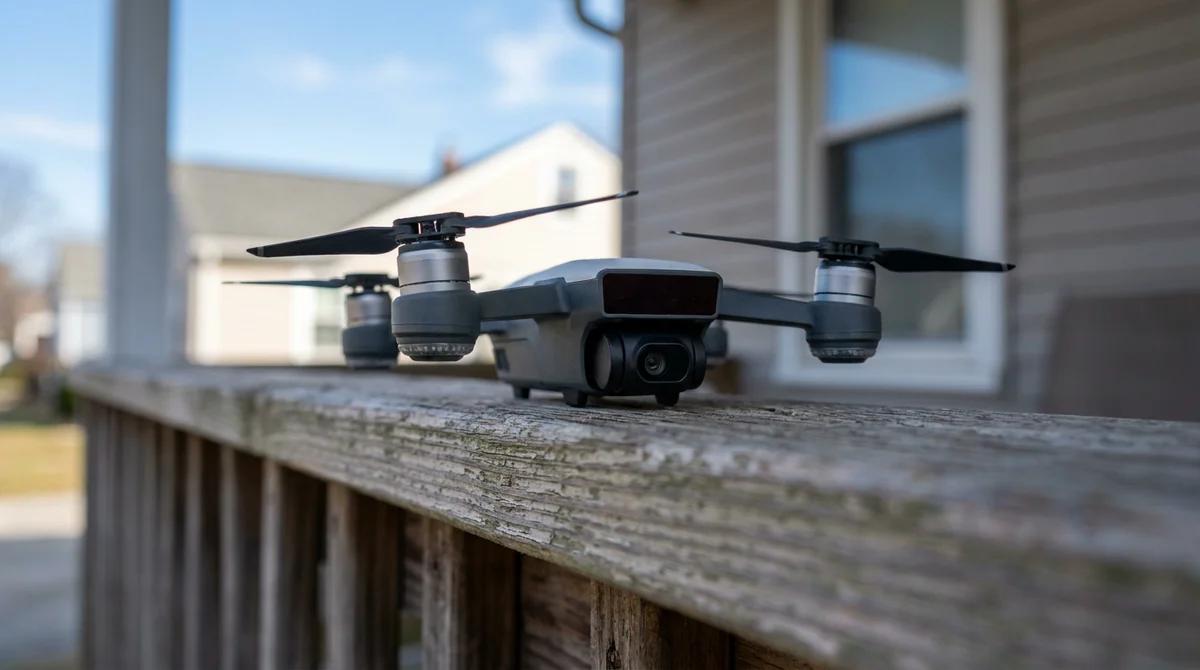
| Drone | Drone consumer sotto i 250g (DJI Mini 4 Pro o equivalente) | 760-1.000 € |
| Software | Lightroom/Photoshop + uno strumento di staging e ritocco | 30-60 €/mese |
Totale: circa 3.000-6.000 € per corpo macchina, obiettivo, treppiede, illuminazione e drone messi insieme. È anche la fascia in cui i conti della nostra guida ai prezzi della fotografia immobiliare iniziano a contare davvero: un corpo full-frame e un grandangolo luminoso ti permettono di fotografare interni bui ed esterni al tramonto senza un furgone di illuminazione, che è esattamente ciò che vende un pacchetto Premium a fasce.
Un drone sotto i 250g conta per un motivo pratico oltre al prezzo: negli Stati Uniti resta sotto la soglia di registrazione FAA per il volo amatoriale, anche se qualsiasi ripresa commerciale a pagamento richiede comunque per legge un certificato di pilota remoto Part 107, indipendentemente dal peso del drone.
Kit Lusso / Alto Volume: 10.000 €+
Questa fascia è per i fotografi che prenotano più annunci di lusso al mese, o per le agenzie che gestiscono più di un fotografo. La spesa extra compra ridondanza e una qualità d'immagine che si nota nella fotografia di annunci da oltre 1 milione di euro, non velocità.
| Categoria | Scelta consigliata | Prezzo tipico |
|---|---|---|
| Fotocamera | Full-frame ad alta risoluzione (Sony a7R V, 61MP) + un corpo di riserva | 4.500-6.500 € insieme |
| Obiettivo | Obiettivo architettonico tilt-shift (Canon TS-E 17mm o equivalente) più uno zoom grandangolare standard | 2.500-3.500 € |
| Treppiede | Treppiede con testa a cremagliera per un controllo preciso di livello e prospettiva | 600-900 € |
| Illuminazione | Kit flash da studio a due teste (classe Profoto B10) con softbox | 2.500-4.000 € |
| Drone | Drone di fascia alta (DJI Air 3 o classe Mavic 3) più certificazione Part 107 e assicurazione | 1.700-2.400 € |
| Software | Creative Cloud completo + Capture One + una suite AI per staging e video | 80-120 €/mese |
Totale: 10.000-15.000 €+, più i costi ricorrenti di assicurazione e certificazione. L'obiettivo tilt-shift è l'unica voce di questa fascia che è davvero un investimento in competenza, non solo un acquisto: corregge le verticali convergenti già in scatto, ma ha una curva di apprendimento ripida e un uso molto specifico. Non comprarlo finché non prendi già il tipo di lavoro architettonico che lo richiede.
Confronto tra le Fasce a Colpo d'Occhio
| Base | Working Pro | Lusso | |
|---|---|---|---|
| Costo totale attrezzatura | 1.000-1.500 € | 3.000-6.000 € | 10.000-15.000 €+ |
| Ideale per | Primi incarichi a pagamento | 5-8 annunci/settimana | Agenzie multi-fotografo, annunci oltre 1 milione € |
| Fotocamera | Mirrorless APS-C | Mirrorless full-frame | Full-frame alta risoluzione + riserva |
| Drone incluso | No | Sì (sotto i 250g) | Sì (pilota certificato) |
| Punto di pareggio | 5-10 incarichi | 15-25 incarichi | 40-60 incarichi |
Il punto di pareggio presuppone un prezzo medio di 200-300 € a servizio e non include il tuo tempo. È una stima approssimativa di quanti incarichi servano prima che l'attrezzatura si ripaghi, non una garanzia.
Fotocamera e Obiettivo: le Due Scelte da Non Sbagliare
Ogni altra voce di questa lista è sostituibile senza cambiare granché il risultato finale. Fotocamera e obiettivo no: sono loro a fissare il tetto della qualità d'immagine e la velocità con cui riesci a lavorare. Abbiamo scritto approfondimenti dedicati su come scegliere una fotocamera per la fotografia immobiliare e come scegliere l'obiettivo giusto per gli interni, con i compromessi tra dimensioni del sensore, i calcoli sulla lunghezza focale per le stanze piccole e i corpi macchina e obiettivi specifici che mantengono il valore di rivendita. Se prima di comprare qualsiasi cosa leggi solo altri due articoli, che siano questi.
In breve: compra l'obiettivo rettilineo più grandangolare che il tuo budget permette prima di aggiornare il corpo macchina. Una fotocamera da 700 € con un obiettivo davvero grandangolare e corretto dalla distorsione fotograferà meglio di un corpo da 3.000 € abbinato a uno zoom in kit ogni volta che una stanza è piccola, e nel settore immobiliare la maggior parte delle stanze lo è.
Cosa Evitare a Ogni Fascia
Spendere troppo in attrezzatura per la fotografia immobiliare segue quasi sempre lo stesso schema: comprare capacità prima di avere gli incarichi per sfruttarla.
- Un secondo corpo macchina prima di avere incarichi settimanali stabili. La ridondanza conta quando un servizio saltato ti costa un cliente, non prima.
- Un kit di illuminazione da studio completo per il primo anno. Luce naturale più un flash rimbalzato copre la stragrande maggioranza degli annunci. I flash da studio si ripagano con il volume, non il primo giorno.
- Un drone prima di aver rifiutato richieste di riprese aeree. Noleggiare un pilota autorizzato per l'occasionale annuncio con terreno costa meno che possedere, certificare e assicurare un drone che voli due volte al mese.
- Un obiettivo tilt-shift prima di uno zoom rettilineo grandangolare. Il tilt-shift è uno strumento specialistico per una nicchia specialistica. Padroneggia la correzione prospettica in post-produzione prima di comprare un obiettivo che fa solo quello.
- Più abbonamenti di editing che si sovrappongono. Pagare Lightroom, un blender HDR separato e uno strumento di staging a parte, quando ormai un unico flusso di lavoro basato su AI copre fusione delle esposizioni, sostituzione del cielo e staging in un solo passaggio.
Il Software È Dove Vive Davvero il Margine
L'attrezzatura fotografica determina cosa puoi catturare. Il software determina cosa puoi vendere. È qui che il discorso sull'attrezzatura si collega direttamente al margine: se i fotografi immobiliari dovrebbero offrire l'home staging virtuale come upsell, e quali strumenti AI vale la pena aggiungere al flusso di lavoro.
Un editor per file raw (Lightroom o Capture One) è irrinunciabile a ogni fascia: gestisce fusione delle esposizioni, correzione della distorsione dell'obiettivo e color grading. Oltre a questo, l'acquisto software con la leva più alta è uno strumento di staging e ritocco che trasforma le foto già scattate in servizi fatturabili in più: home staging virtuale, rimozione di oggetti, conversione al tramonto e sostituzione del cielo. Gli strumenti di photo editing immobiliare di RoomLift fanno tutte e quattro le cose in un solo posto, per 1-5 € a immagine invece dei 25-75 € a stanza che chiede un fornitore di staging esterno.
La stessa logica oggi si estende al video. Sempre più agenti immobiliari vogliono una clip walkthrough per l'annuncio MLS, per Instagram Reels e per TikTok, ma un servizio con un videomaker da 300-500 € non rientra nel budget di ogni annuncio. Lo strumento Compose di RoomLift trasforma le foto fisse che hai già scattato in un video tour dell'immobile rifinito in pochi minuti, completo di movimento camera AI che anima ogni foto in un'inquadratura fluida, voiceover AI e musica di sottofondo adatta alla proprietà, esportato nel formato che serve a ogni piattaforma.
Trasforma le foto che hai già scattato in un video tour dell'immobile con Compose, nessun sopralluogo extra richiesto.
Stage your first room in 20 seconds. No design skills needed.
Compra in Base agli Incarichi che Hai, Non a Quelli che Vorresti
L'errore più comune con l'attrezzatura per la fotografia immobiliare è la sequenza: i fotografi comprano il kit di lusso prima di aver prenotato un solo annuncio di lusso. Parti dalla fascia che corrisponde al tuo volume attuale, reinvesti il margine dei primi 20-30 incarichi e aggiorna un componente alla volta: l'obiettivo prima del corpo macchina, il treppiede prima delle luci, il software prima del drone. Vale la pena strutturare fin dal primo giorno i tuoi prezzi in modo che l'attrezzatura si ripaghi più in fretta.
Domande Frequenti
Di quale attrezzatura per la fotografia immobiliare ho bisogno per iniziare?
Come minimo ti servono una fotocamera mirrorless con un obiettivo grandangolare (circa 16-24mm equivalente full-frame), un treppiede e un software di editing foto. Un kit base che copre tutte e tre le voci costa meno di 1.500 €. Illuminazione e drone sono upgrade utili ma non indispensabili per i tuoi primi incarichi a pagamento.
Serve una fotocamera full-frame per la fotografia immobiliare?
No. Un corpo mirrorless APS-C moderno abbinato a un vero obiettivo grandangolare produce immagini della qualità richiesta dagli annunci, che gli agenti immobiliari pagano volentieri. Un corpo full-frame si ripaga quando fotografi ad alto volume o annunci di lusso, dove gamma dinamica e resa in condizioni di scarsa luce negli interni bui iniziano a fare la differenza.
Qual è il miglior obiettivo per la fotografia immobiliare?
Un obiettivo grandangolare rettilineo nella fascia 12-20mm (APS-C) o 16-24mm (full-frame) è la scelta standard perché cattura intere stanze senza la distorsione a barile di un fisheye. Evita gli obiettivi fisheye ultra-grandangolari per le foto degli annunci: agenti immobiliari e revisori MLS notano subito le pareti curve.
I fotografi immobiliari hanno bisogno di un drone?
Il drone è facoltativo per gli annunci standard ma atteso per qualsiasi immobile con terreno, fronte mare o un esterno di rilievo. Negli Stati Uniti, l'uso commerciale del drone richiede per legge un certificato FAA Part 107. Se gli scatti aerei sono sotto il 10% dei tuoi incarichi, noleggiare o subappaltare a un pilota di drone autorizzato è di solito più economico che comprare e certificarti da solo.
Quanto costa un kit fotografico professionale completo per la fotografia immobiliare?
Un kit working-pro (corpo full-frame, obiettivo grandangolare, treppiede in carbonio, un set di illuminazione compatto e un drone sotto i 250g) costa in genere tra 3.000 € e 6.000 €. Un kit di fascia lusso con corpo di riserva, flash da studio e un drone di fascia alta può arrivare tra 10.000 € e 15.000 €, anche se la maggior parte dei fotografi non ha mai bisogno di spingersi così in alto.
Che software serve ai fotografi immobiliari?
Come minimo, un editor per file raw come Lightroom o Capture One per la fusione delle esposizioni e le correzioni dell'obiettivo, più uno strumento per home staging virtuale, sostituzione del cielo e conversione al tramonto. Strumenti AI come RoomLift oggi gestiscono staging e ritocco per 1-5 € a immagine, sostituendo quello che un tempo richiedeva software di compositing separati.
Pronto a trasformare i tuoi annunci?
Allestisci la tua prima stanza in 20 secondi. Nessuna competenza di design richiesta.