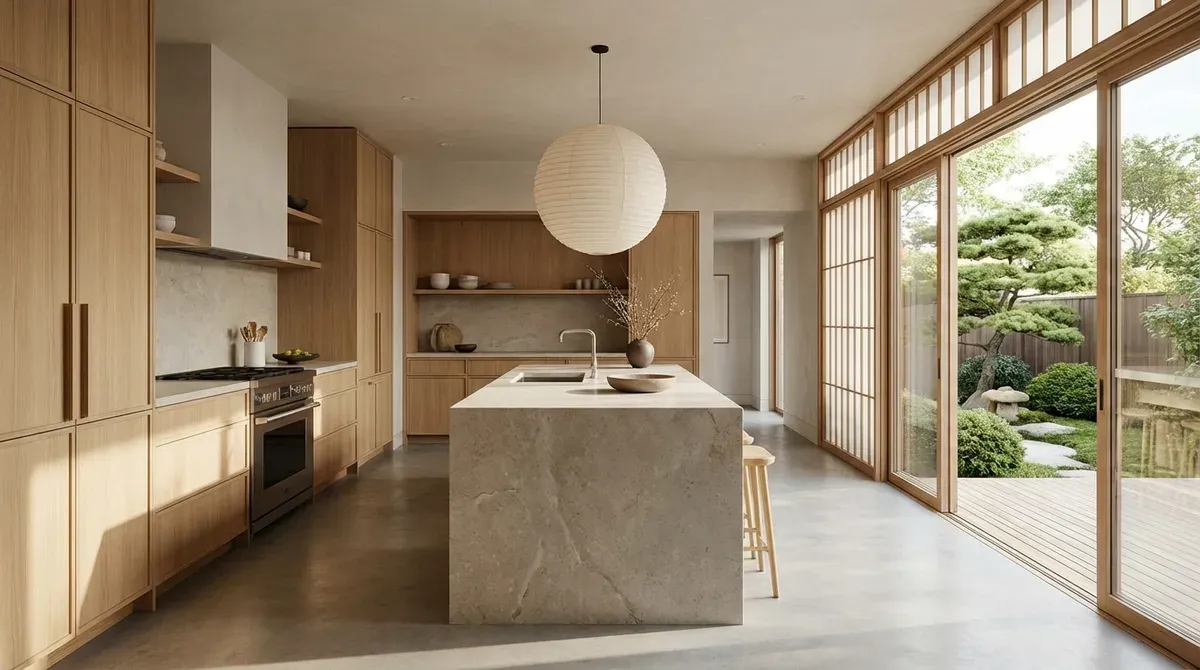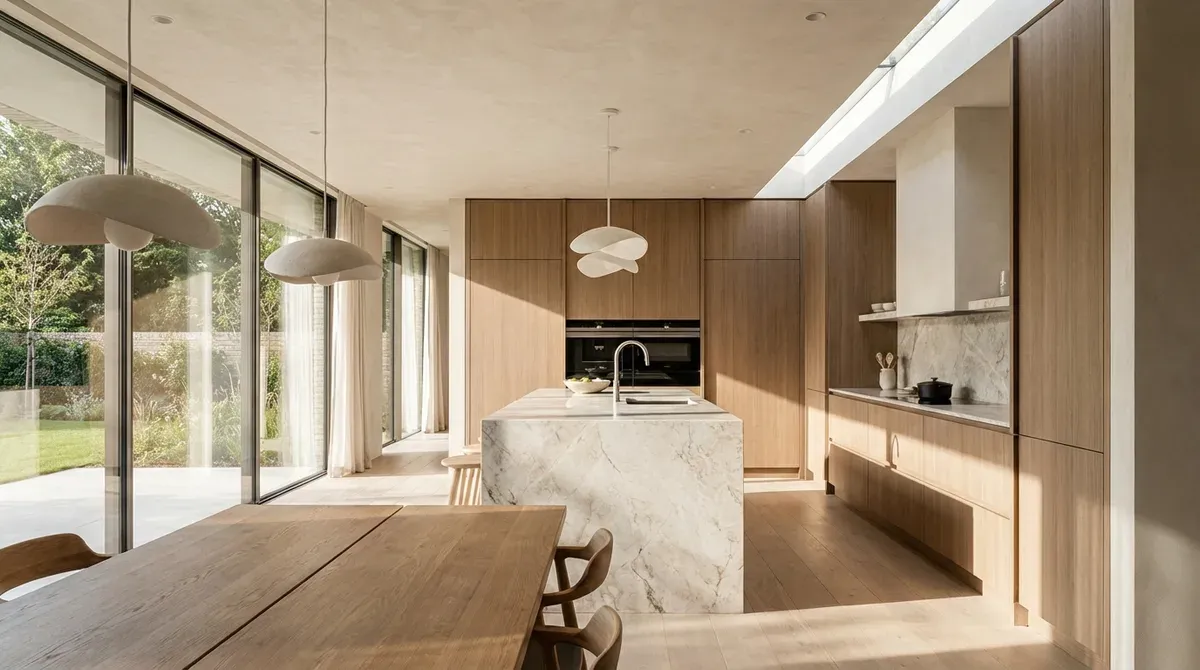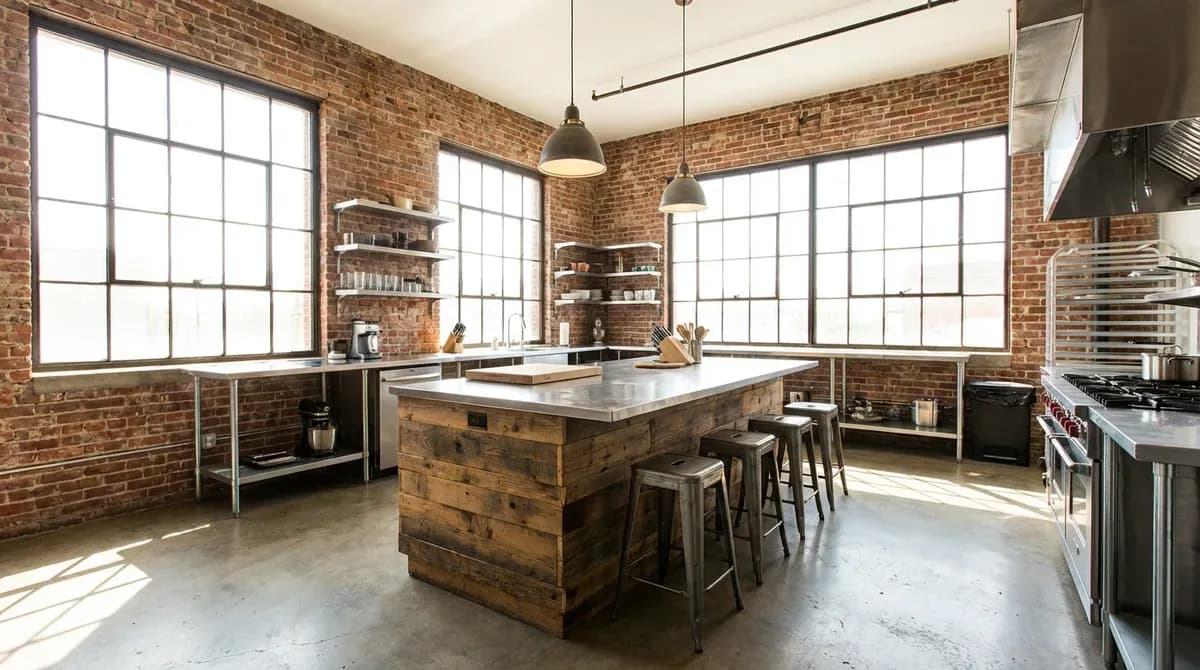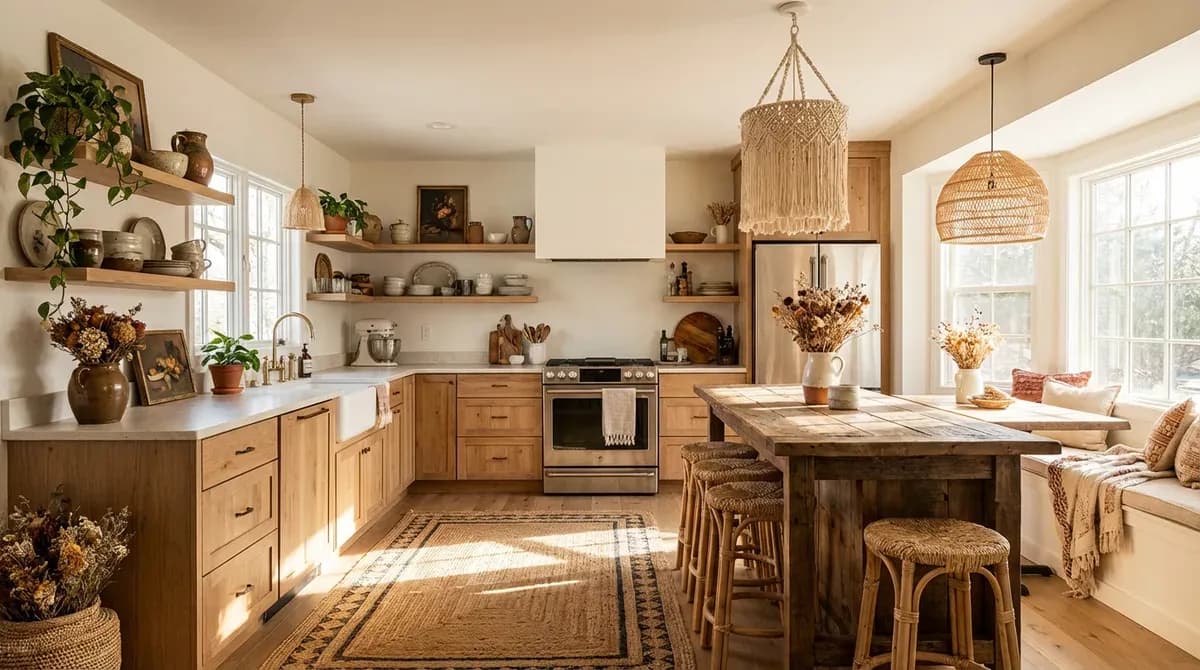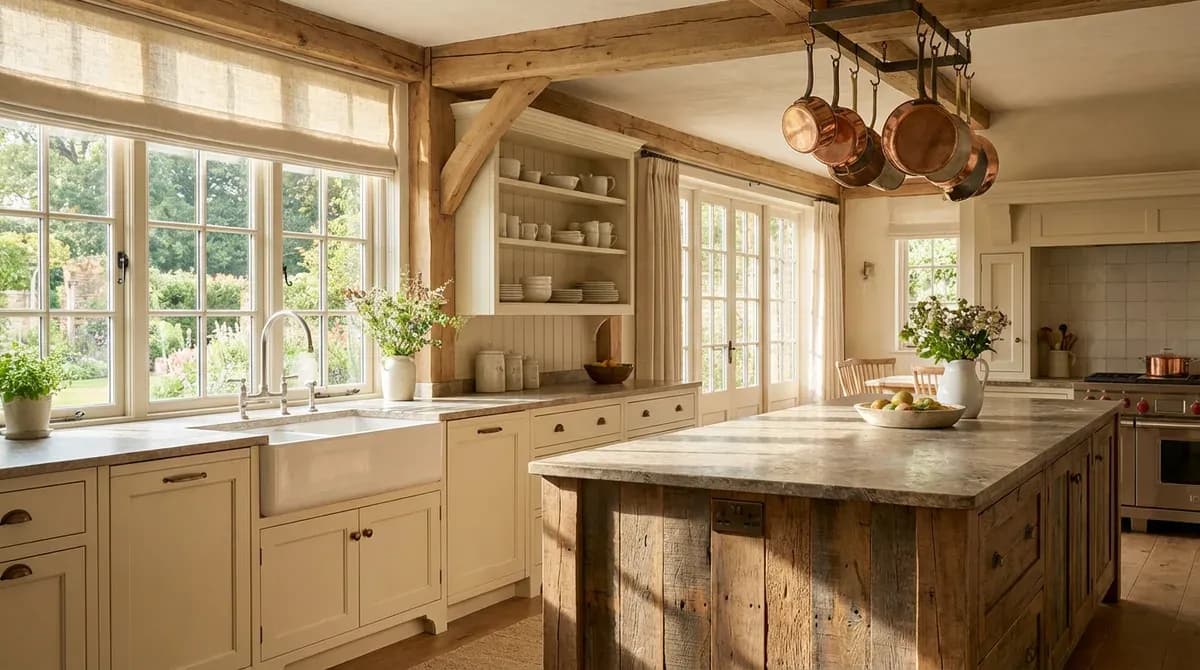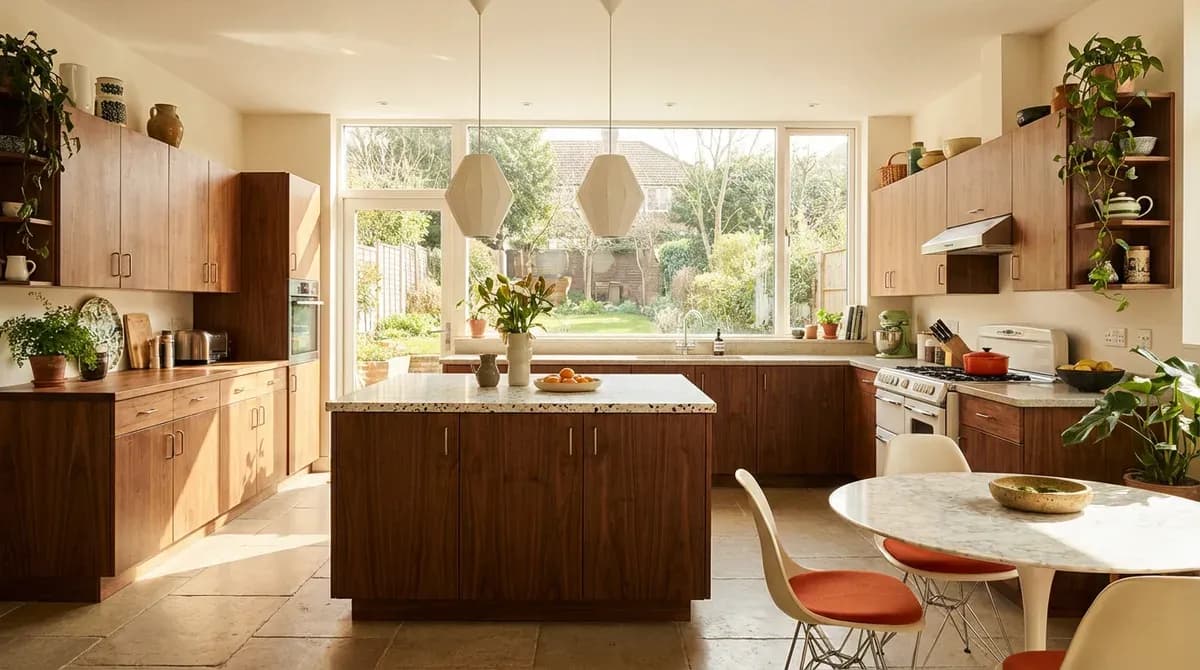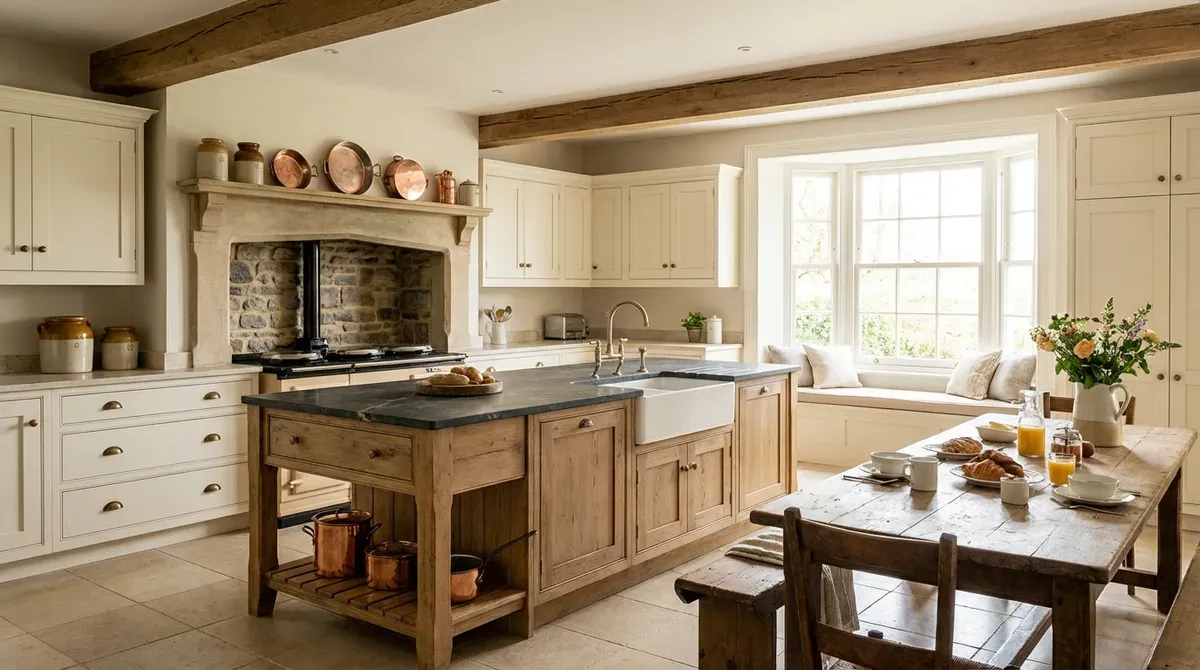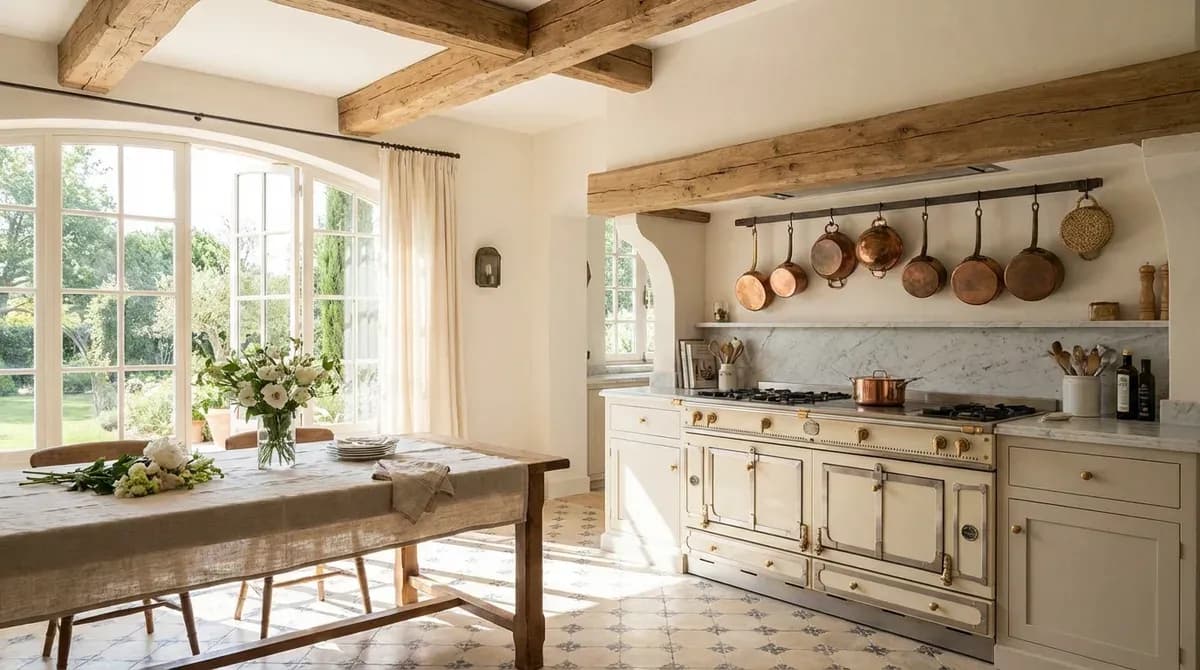
Scandinavian Kitchen Design
AI-Powered Design Visualization
Upload a photo of your kitchen and transform it into stunning Scandinavian design in under 60 seconds.
No credit card required. 10 free renders.

Color Palette
The essential colors of Scandinavian kitchen design
Design Tips
Expert recommendations for your Scandinavian kitchen

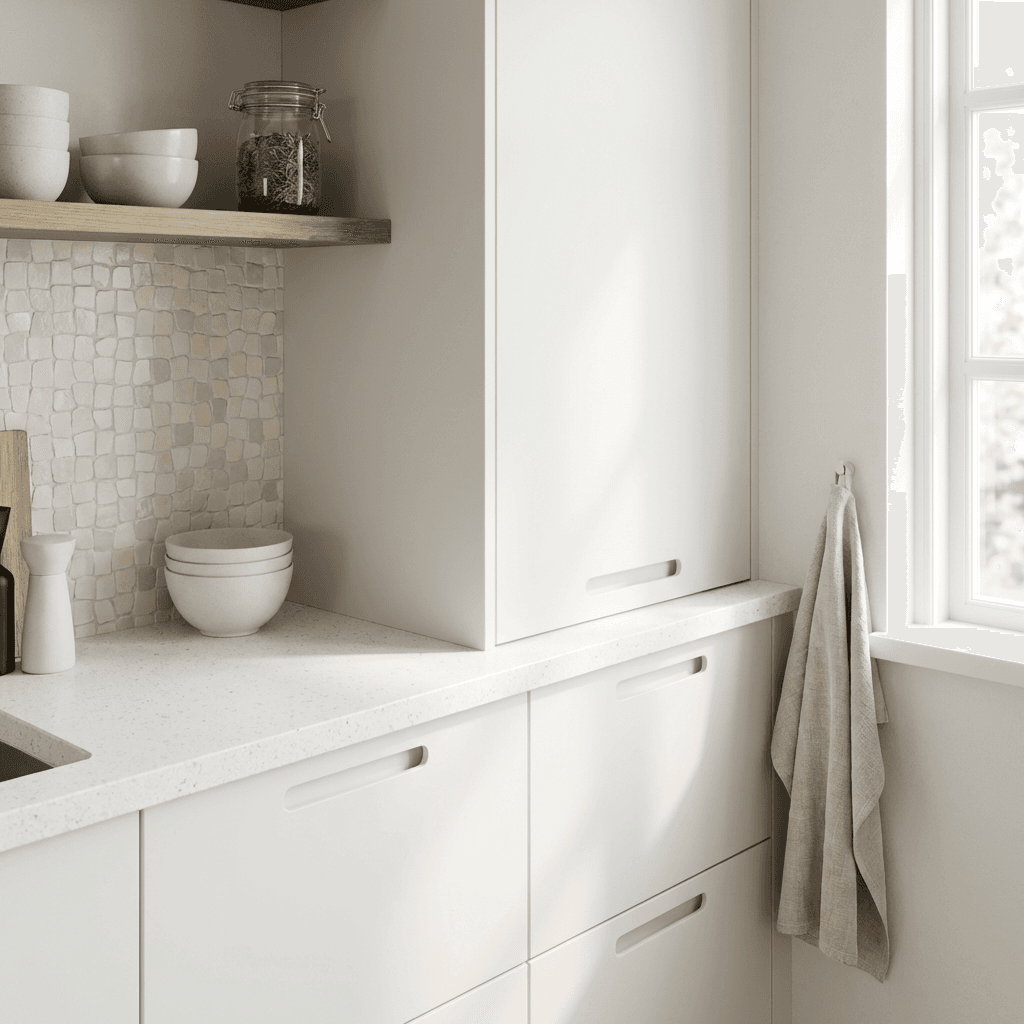
Use white or light gray flat-panel cabinets
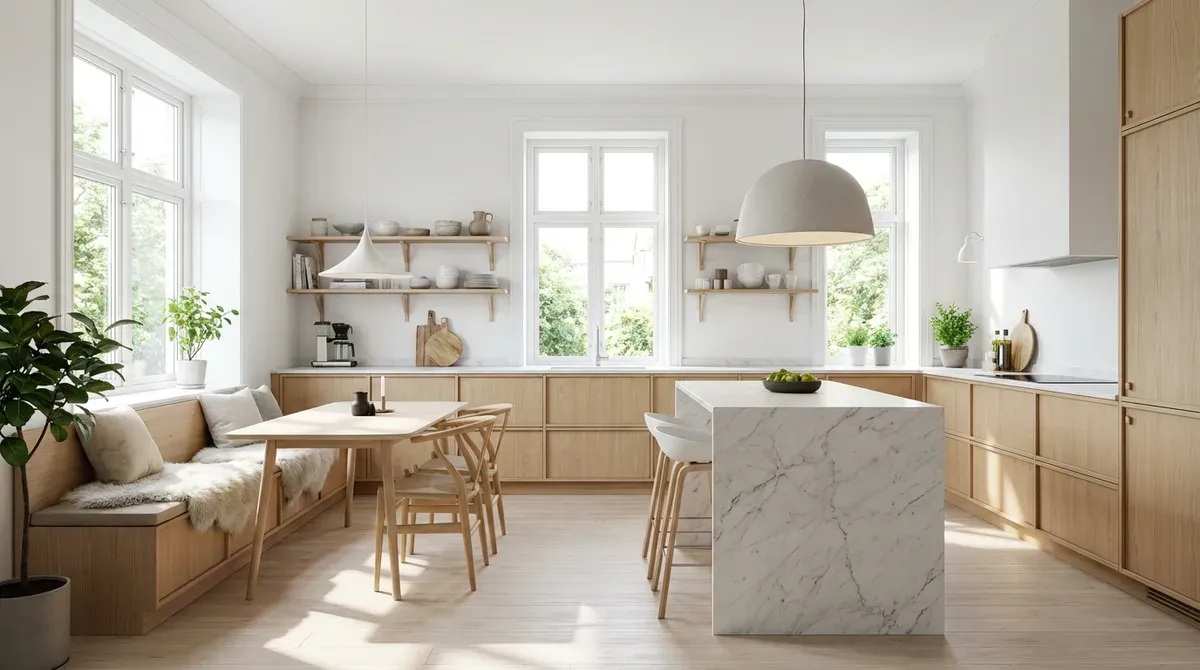
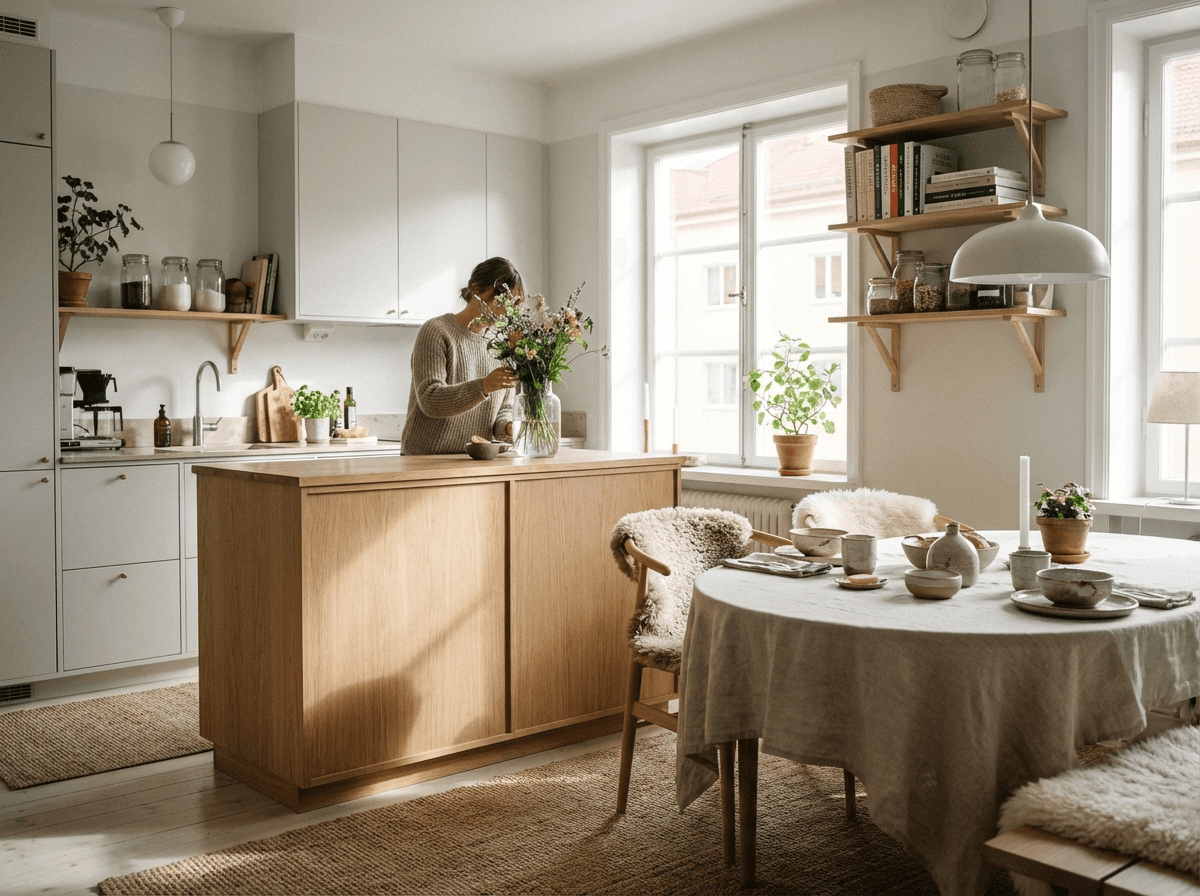
The Scandinavian kitchen gets its brightness from simple, flat-front cabinets in warm white or pale gray. Shaker-style doors with a slim profile are the classic choice. Pair them with wooden countertops or open shelving to prevent the room from feeling clinical.

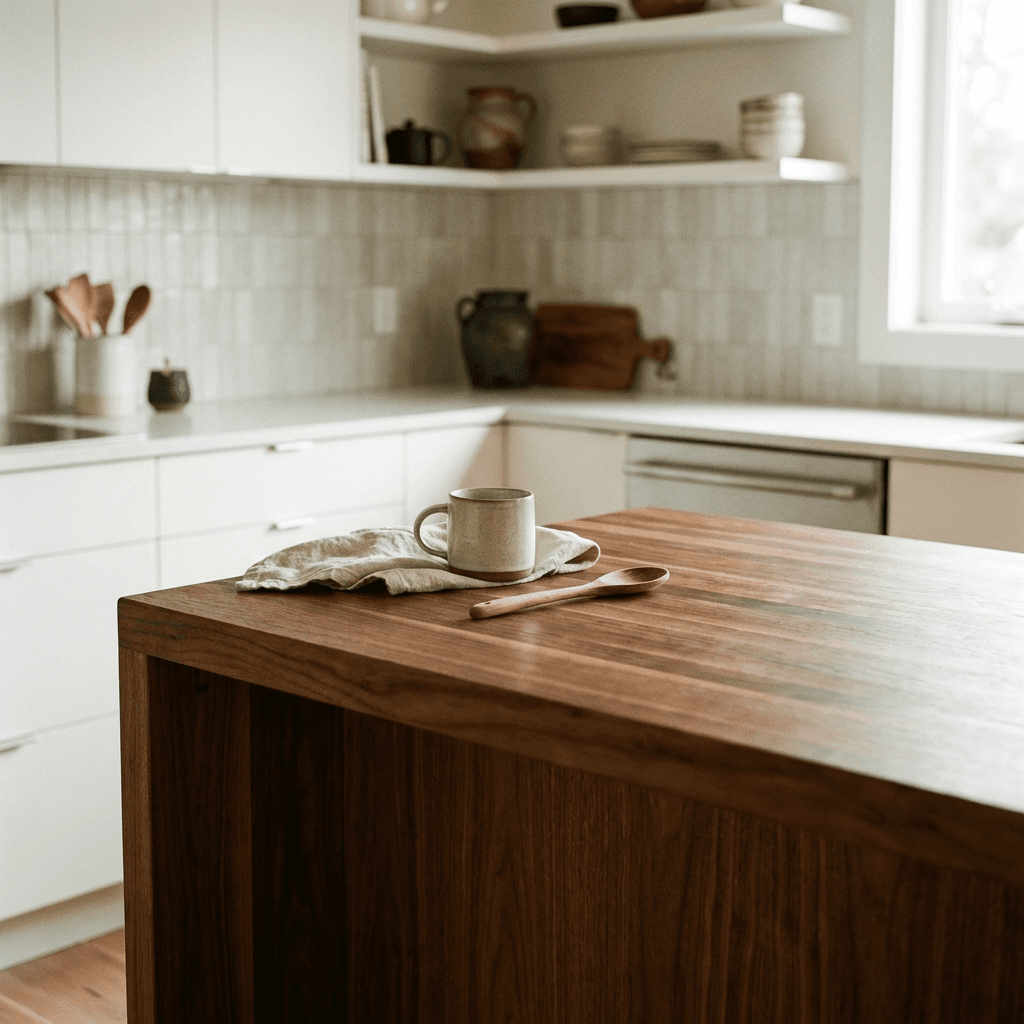
Add warmth through a wood countertop or butcher block
A solid oak or beech countertop is the quickest way to introduce Scandinavian character. The wood patinas with use, developing a lived-in quality that balances the white cabinetry. Oil it regularly and let it tell the story of meals prepared.

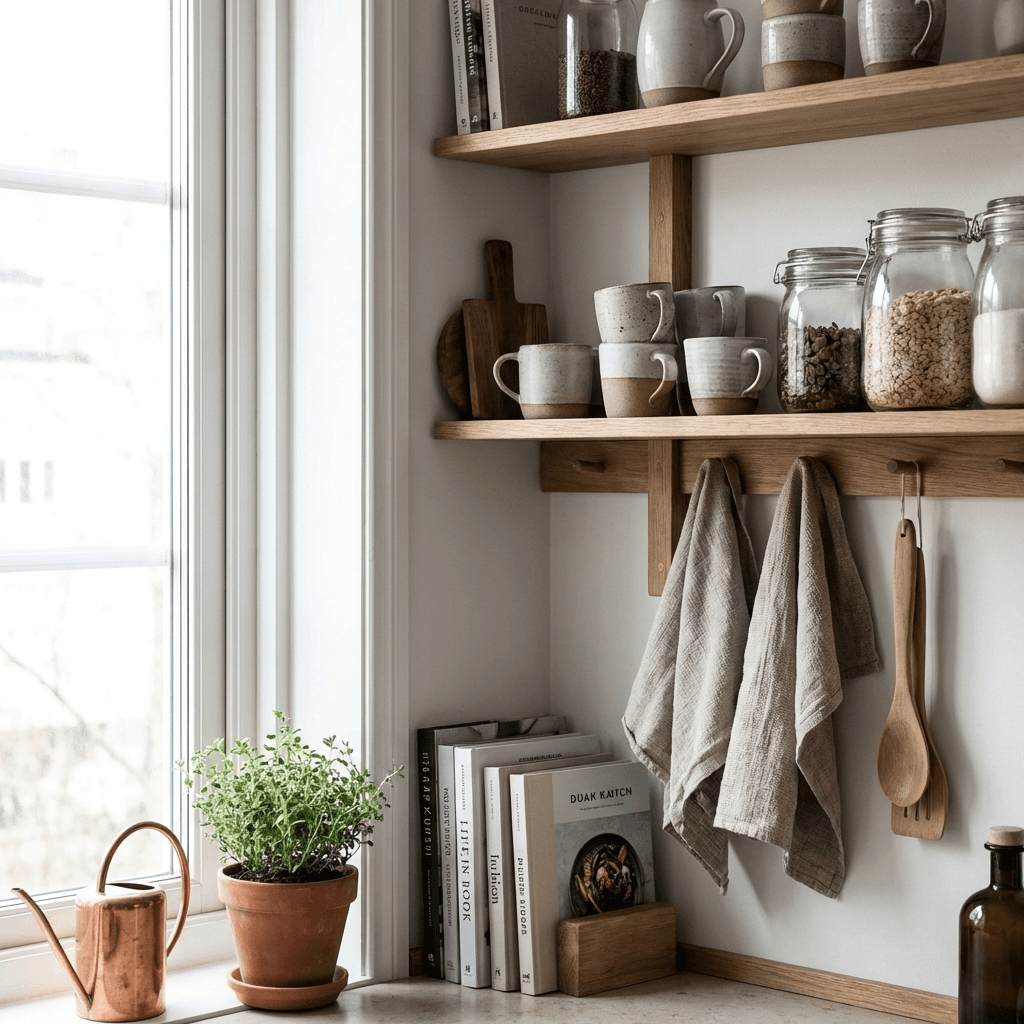
Display everyday objects as decoration
Open shelving with stacked ceramic bowls, glass jars of dried pasta, wooden cutting boards leaned against the wall, and a row of potted herbs. In Scandinavian kitchens, beauty comes from utility — the things you use every day are the only decoration you need.

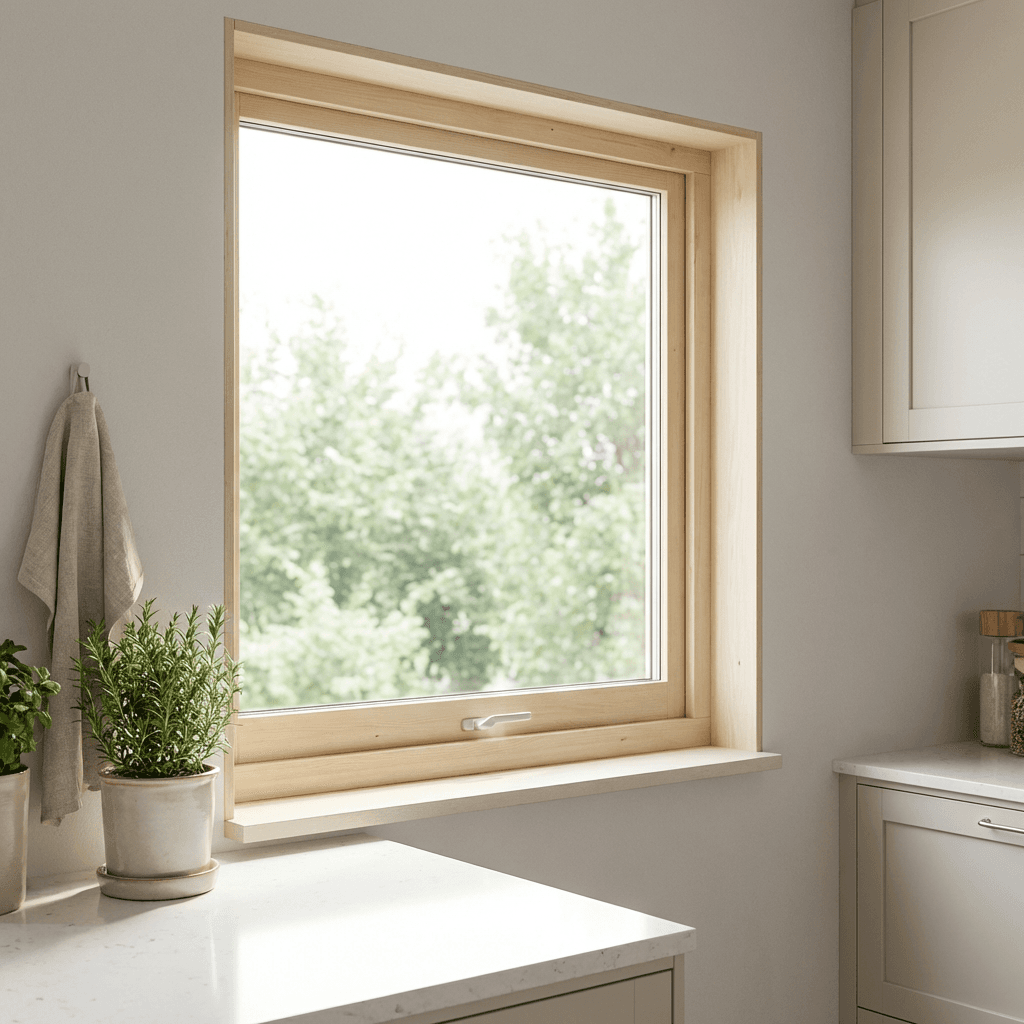
Maximize natural light with minimal window treatments
If privacy allows, leave kitchen windows bare or use a simple linen half-curtain. Light is the most important ingredient in a Scandi kitchen — it bounces off white surfaces and makes the room feel larger and more alive, especially during dark northern winters.
Furniture Recommendations
Key pieces for the perfect Scandinavian kitchen

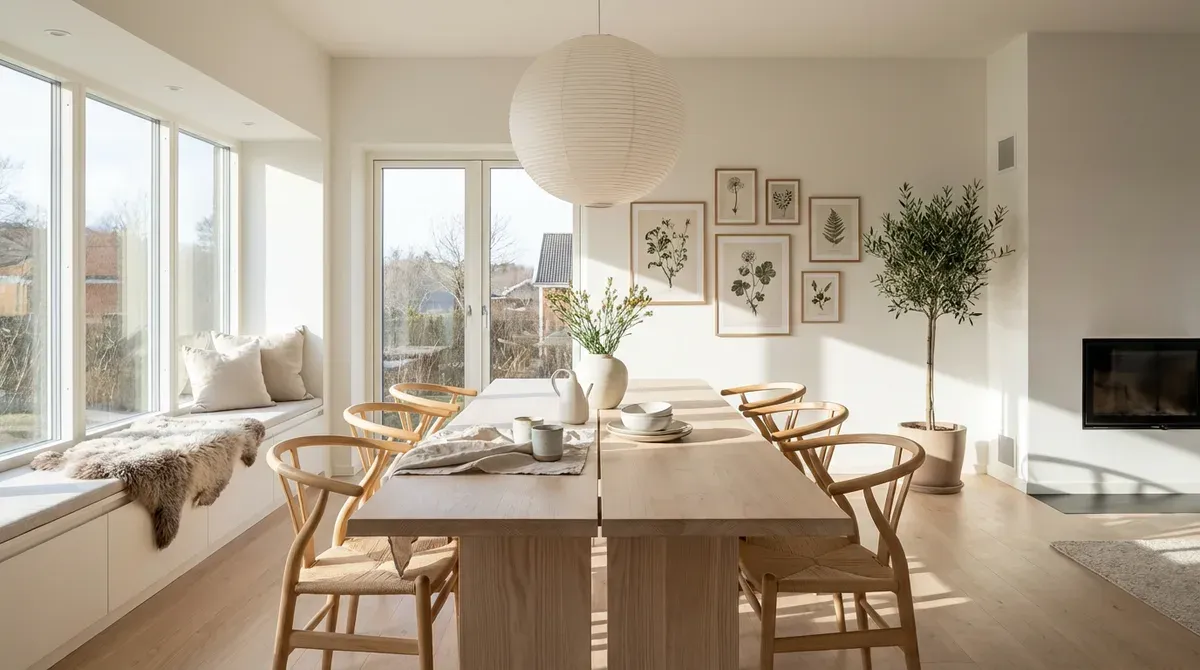
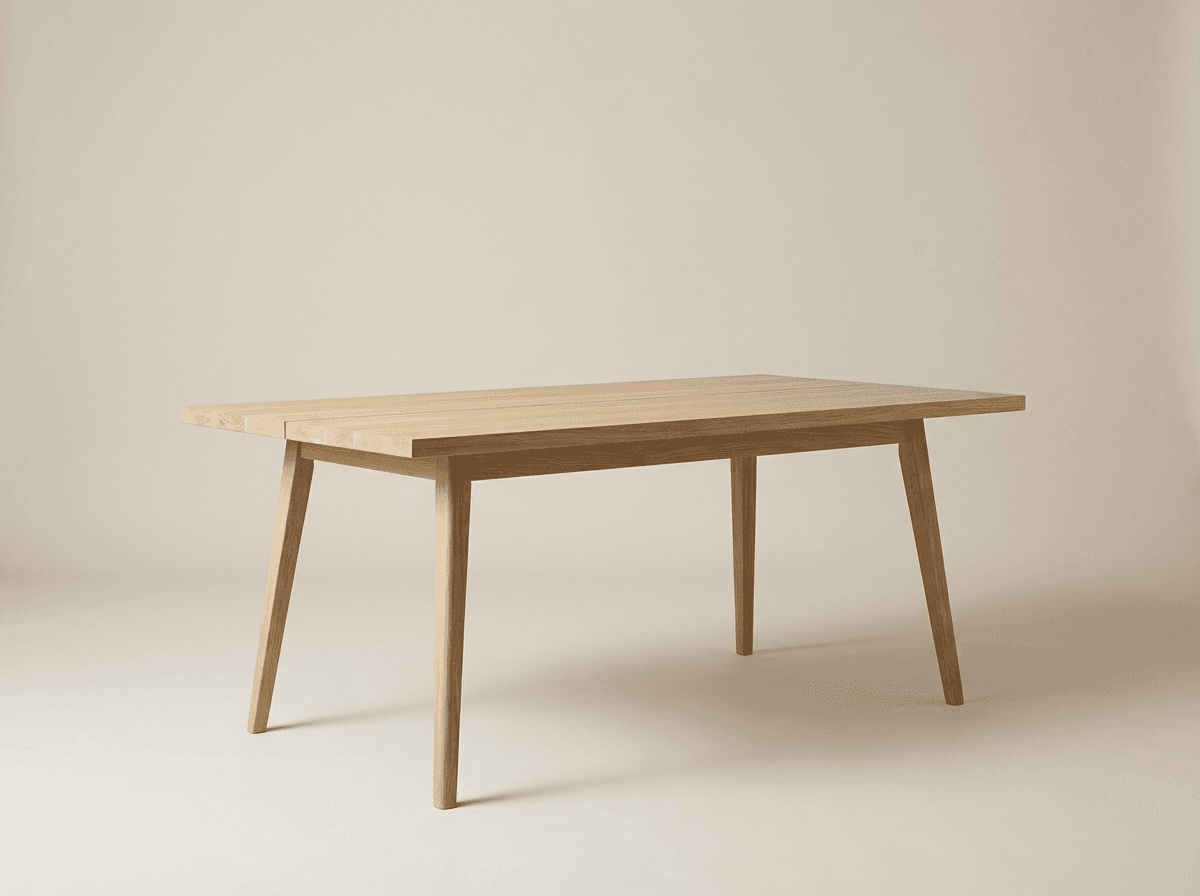
Solid oak dining table
A rectangular table in light oak or ash that seats four to six, placed at the edge of the kitchen for everyday meals. The table's simple turned or tapered legs and visible wood grain embody the Scandinavian principle that furniture should be beautiful in its usefulness.

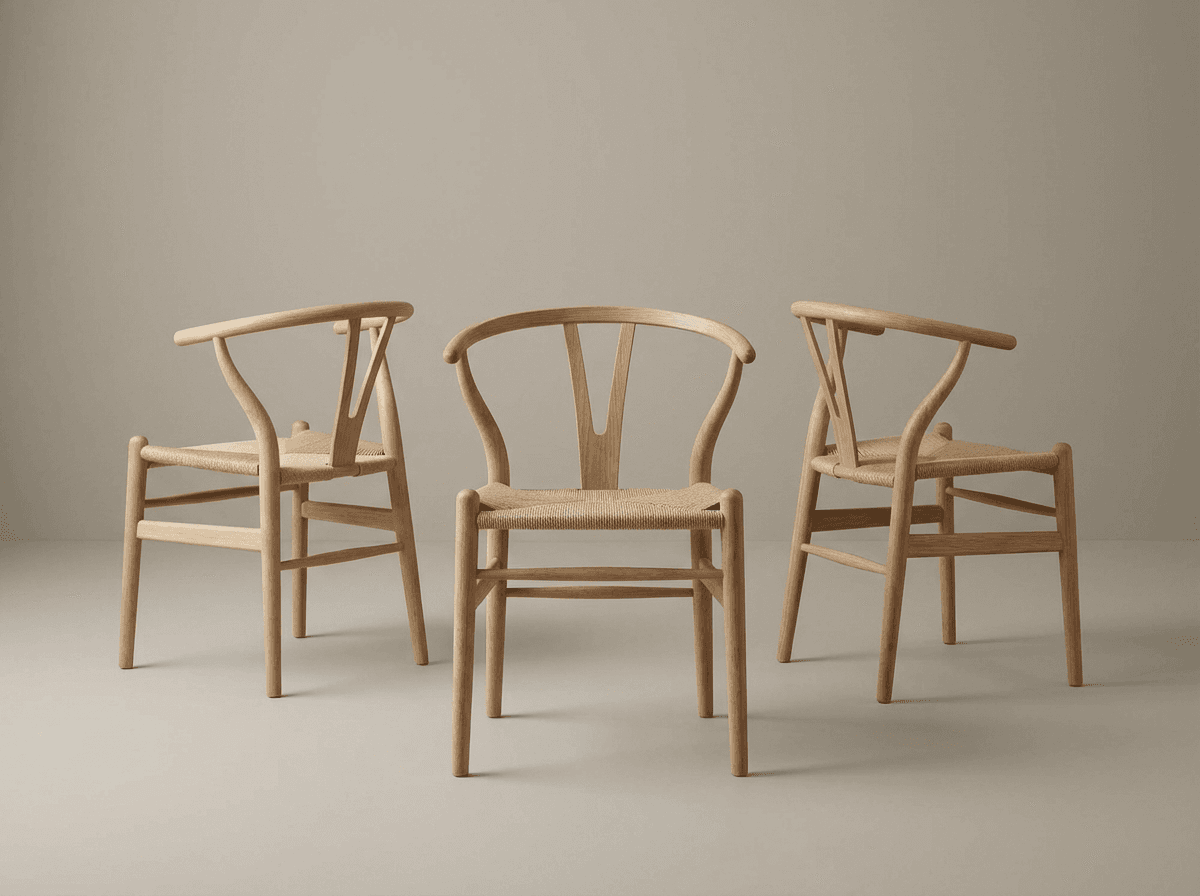
Wishbone-style dining chairs
Wooden chairs with a curved backrest and paper-cord seat, inspired by Danish mid-century design. The open Y-back keeps the kitchen feeling light and airy, while the woven seat adds a handcrafted texture that warms the room.

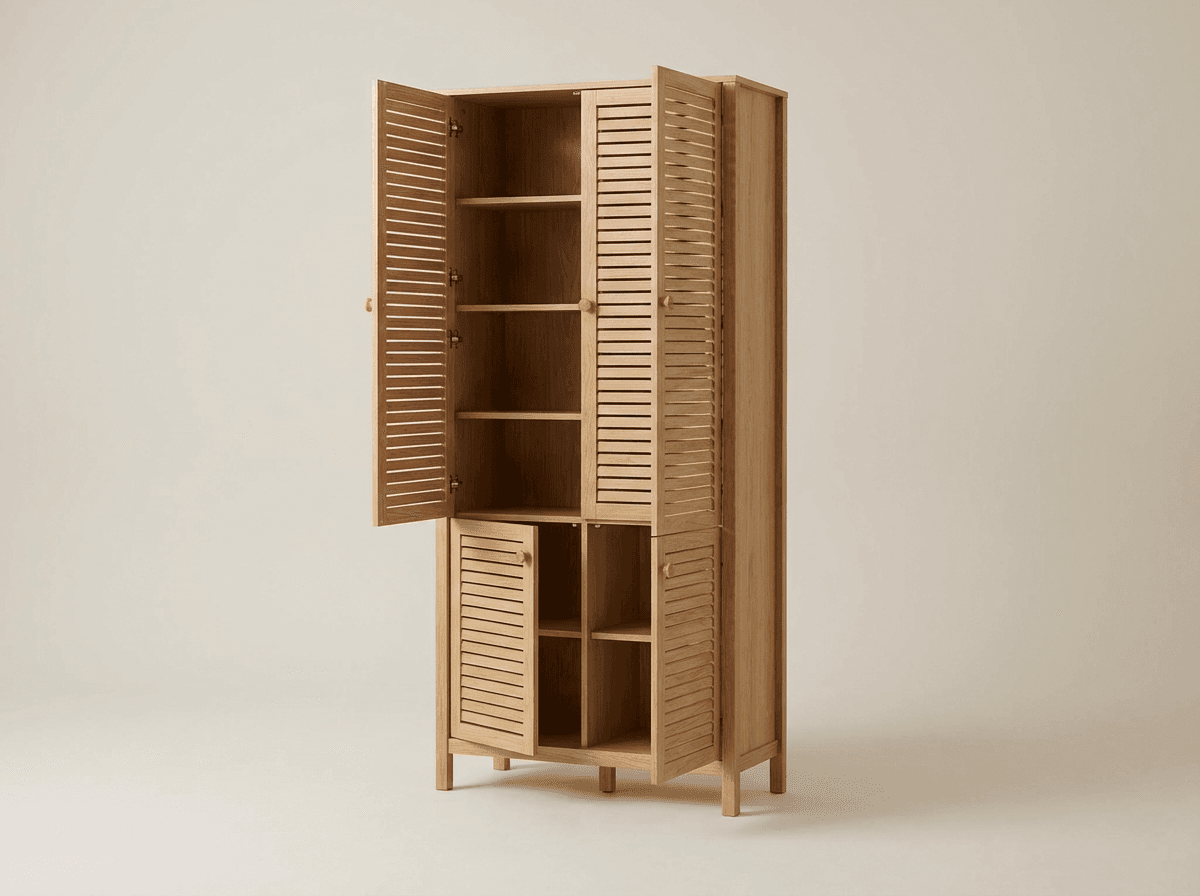
Freestanding wooden pantry cabinet
A tall, slim cabinet in pine or birch with simple paneled doors, standing beside the main kitchen run. Freestanding storage is a Scandinavian tradition — it breaks up the wall of built-in cabinetry and adds a furniture-like quality to the kitchen.

This Room in Every Style
Explore more design styles for your kitchen
More Scandinavian Rooms
See Scandinavian design in other rooms
Frequently Asked Questions
Tutto quello che devi sapere su RoomLift — per designer, agenti e chiunque trasformi spazi con l'AI.
- How do I design a Scandinavian kitchen in a small apartment?
- White cabinetry and light wood surfaces reflect light and make small kitchens feel larger. Use open shelving instead of upper cabinets on one wall to reduce visual bulk. A fold-down table mounted to the wall provides dining space without a permanent footprint. Keep countertops clear and store appliances inside cabinets.
- What backsplash works in a Scandinavian kitchen?
- White or off-white subway tiles in a brick-bond pattern are the timeless choice. For more texture, try handmade tiles with slightly uneven edges. A full-height wood backsplash behind the stove creates warmth. Avoid busy patterns or dark colors that compete with the light palette.
- Is a Scandinavian kitchen practical for serious cooking?
- Extremely. The style prioritizes function alongside beauty. Good knife storage, accessible pot racks, clear counter workspace, and honest materials that handle heat and moisture well. Scandinavian design evolved in working kitchens, not showrooms.
- What hardware suits Scandinavian kitchen cabinets?
- Slim leather pulls, brushed brass knobs, or integrated finger grooves routed into the cabinet edge. Hardware in a Scandi kitchen is subtle and tactile — you should enjoy the feel of opening a drawer. Avoid ornate or oversized handles.
- Can I add color to a Scandinavian kitchen?
- Yes — muted greens, dusty blues, and soft terracotta work well on a lower cabinet run or kitchen island while keeping uppers in white. Limit the accent color to one zone so it reads as intentional. Colored ceramics and textiles are a lower-commitment way to introduce a pop of tone.
No credit card required. 10 free renders.