Traditional Home Office Design
AI-Powered Design Visualization
Upload a photo of your home office and transform it into stunning Traditional design in under 60 seconds.
No credit card required. 10 free renders.

Color Palette
The essential colors of Traditional home office design
Design Tips
Expert recommendations for your Traditional home office

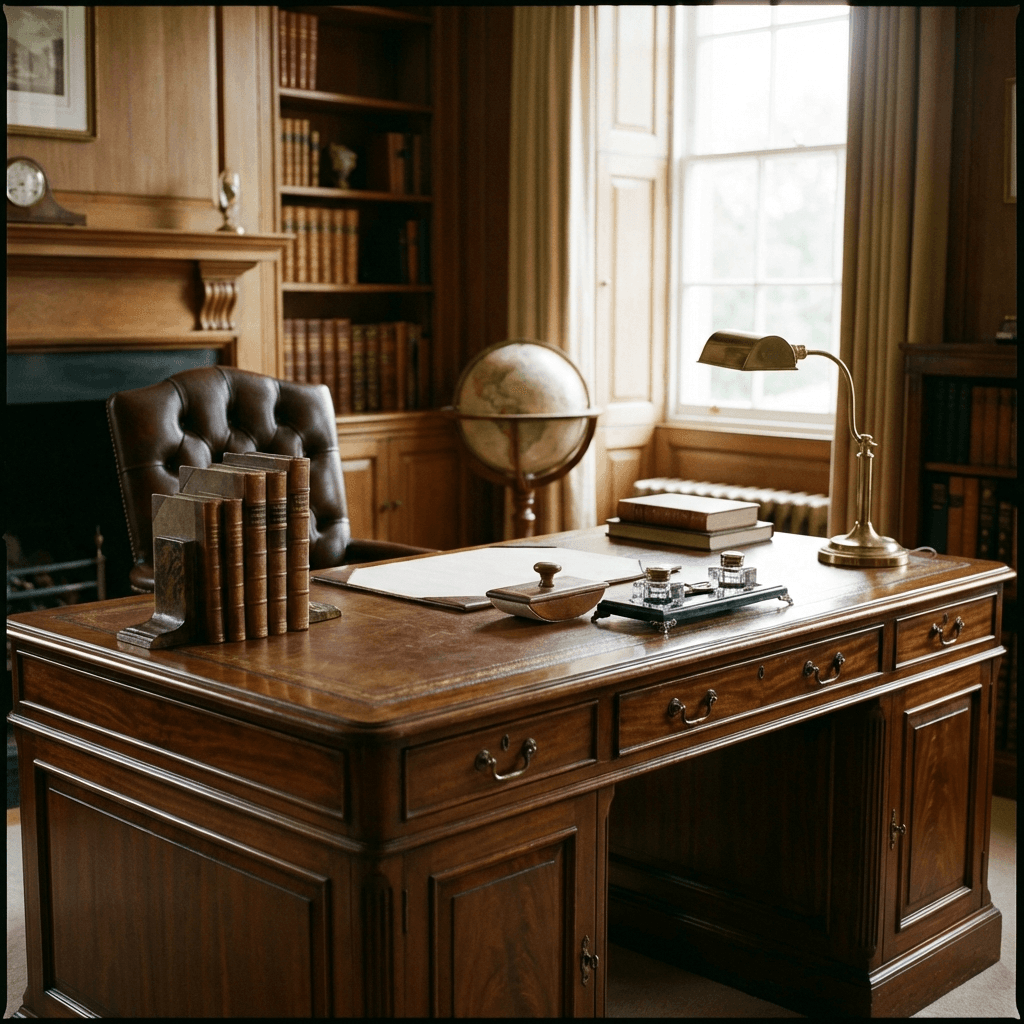
Position a substantial desk as the room's command center
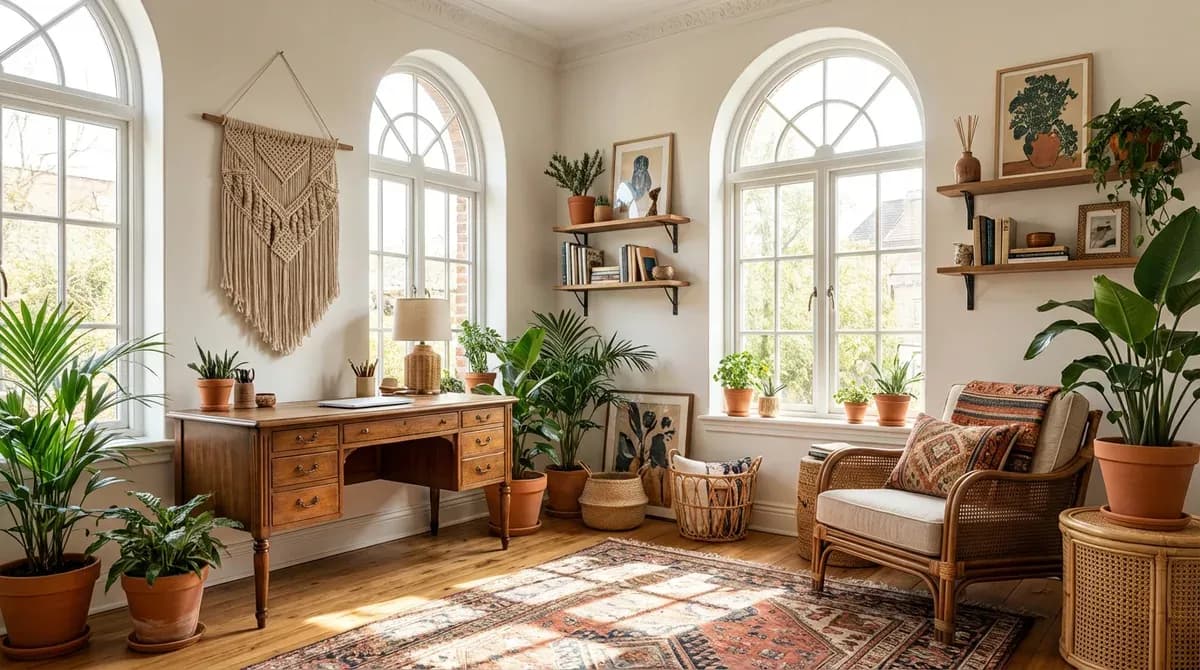
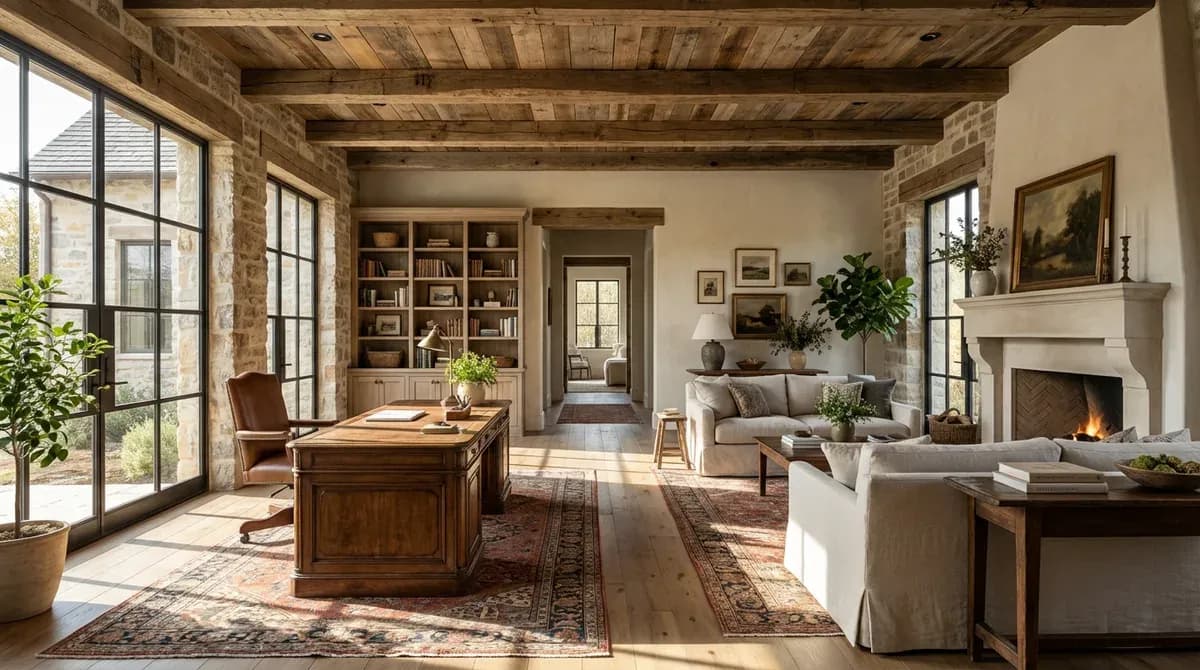
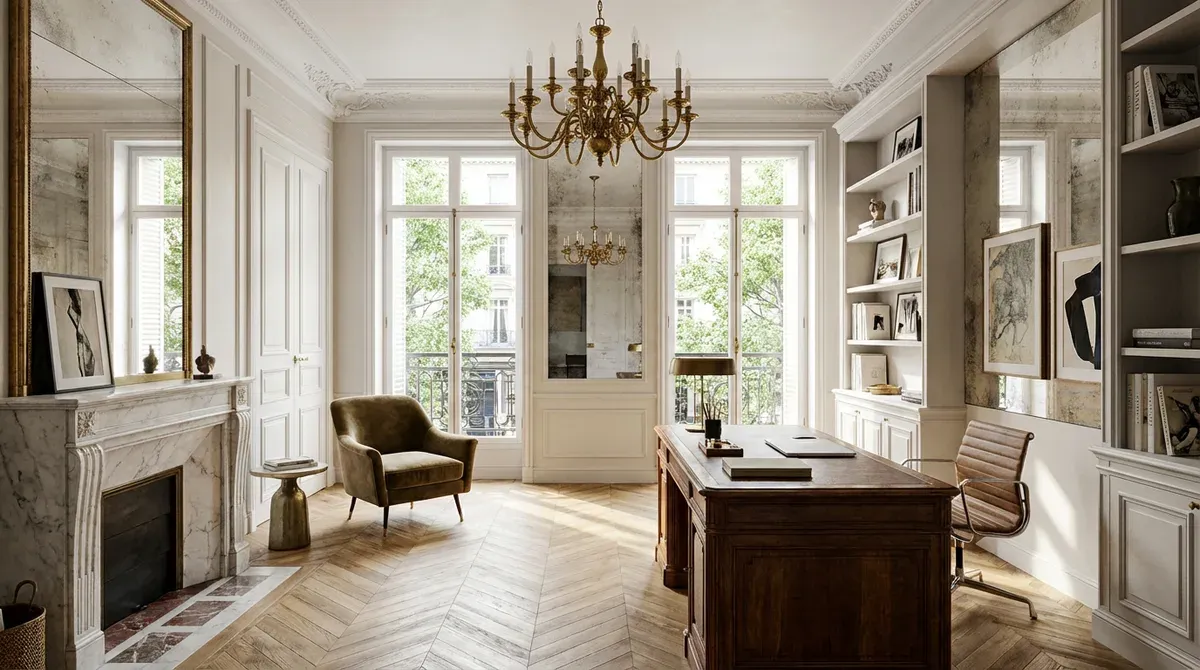
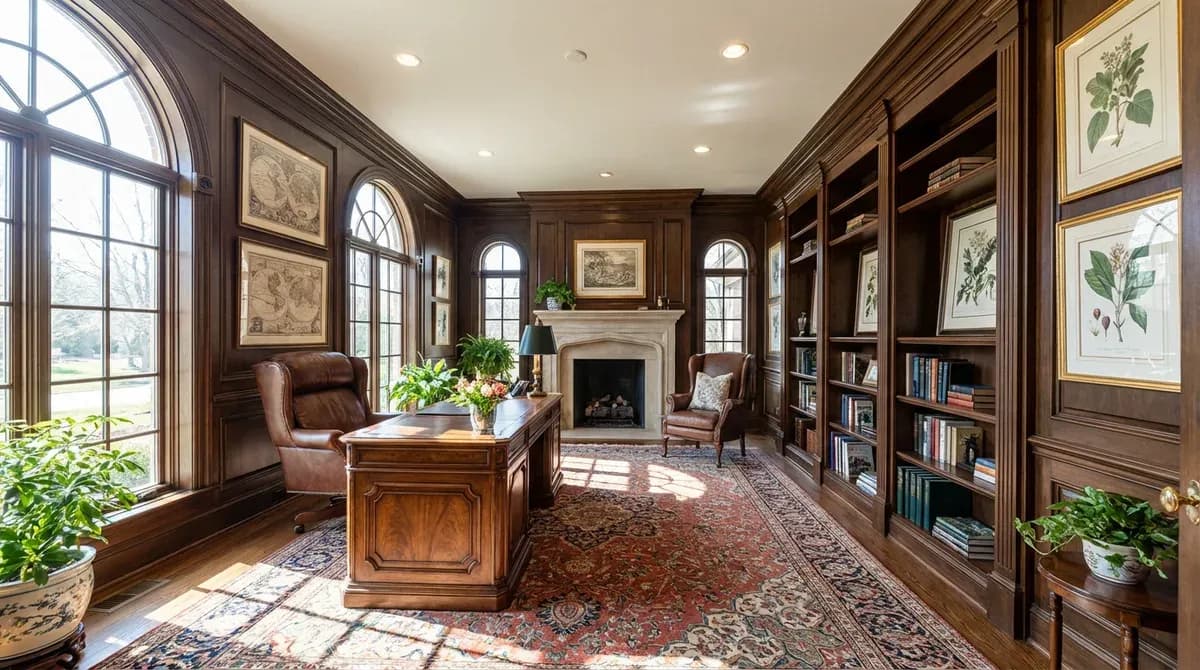
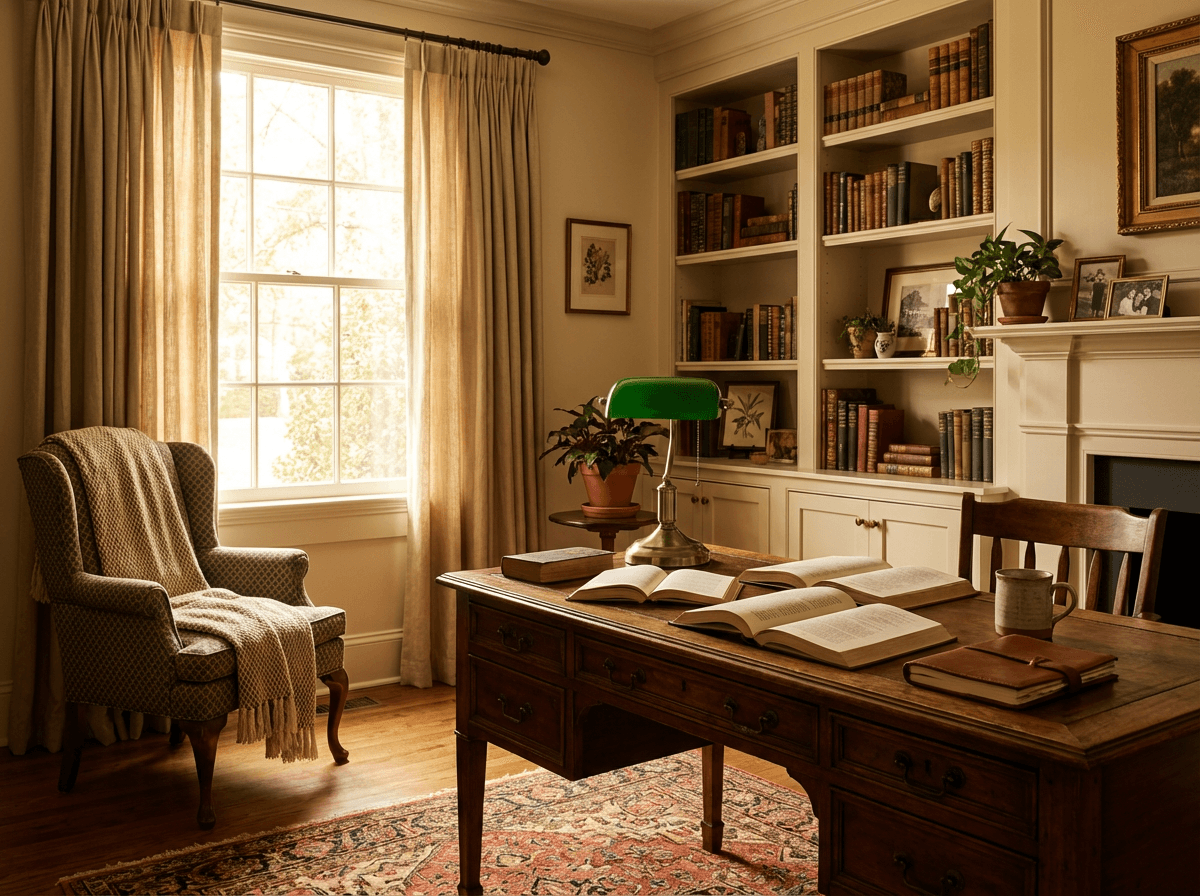
A traditional home office is built around the desk. Choose a partners desk, a writing desk with a leather inset top, or an executive pedestal desk in dark wood — 150-180 cm wide with ample drawer storage. Face it toward the room rather than the wall, so you sit behind the desk like a statesman, with a view of the door and the bookshelves.

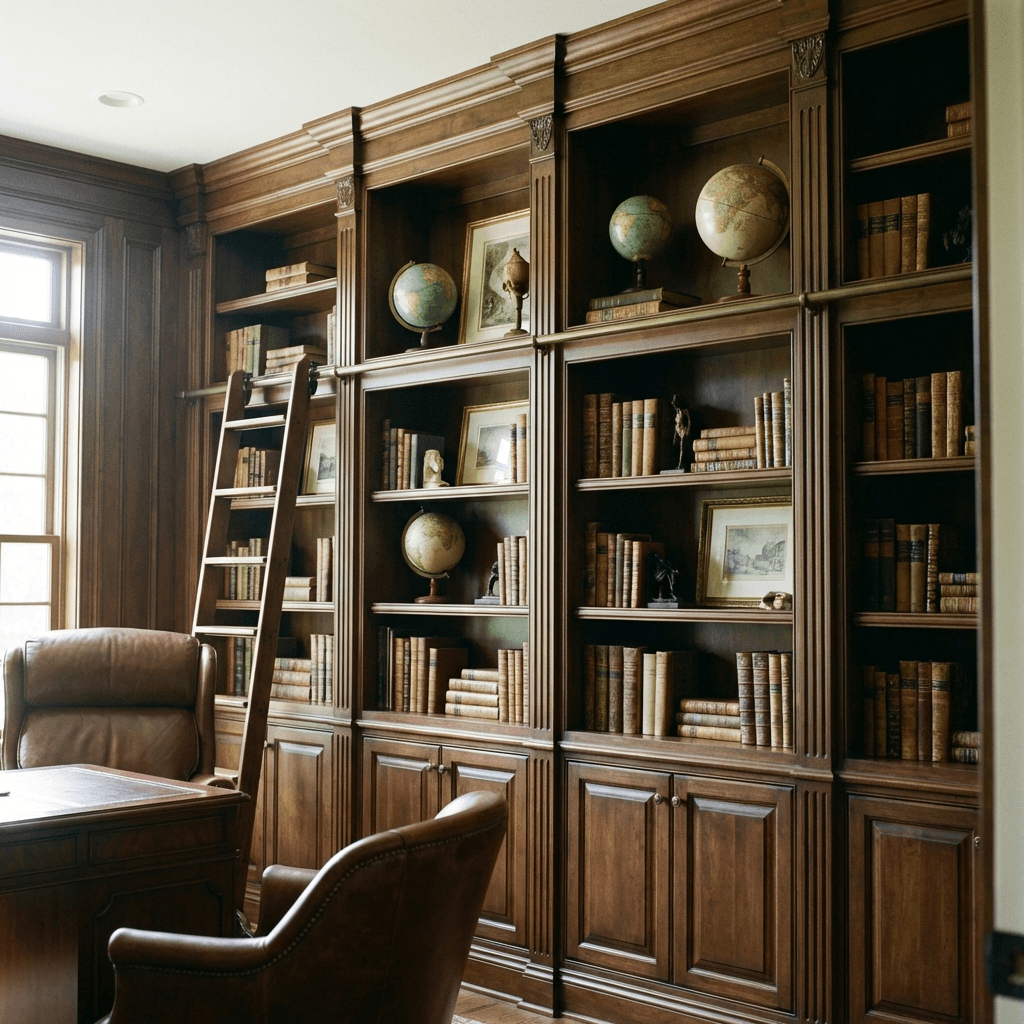
Line the walls with built-in or freestanding bookcases
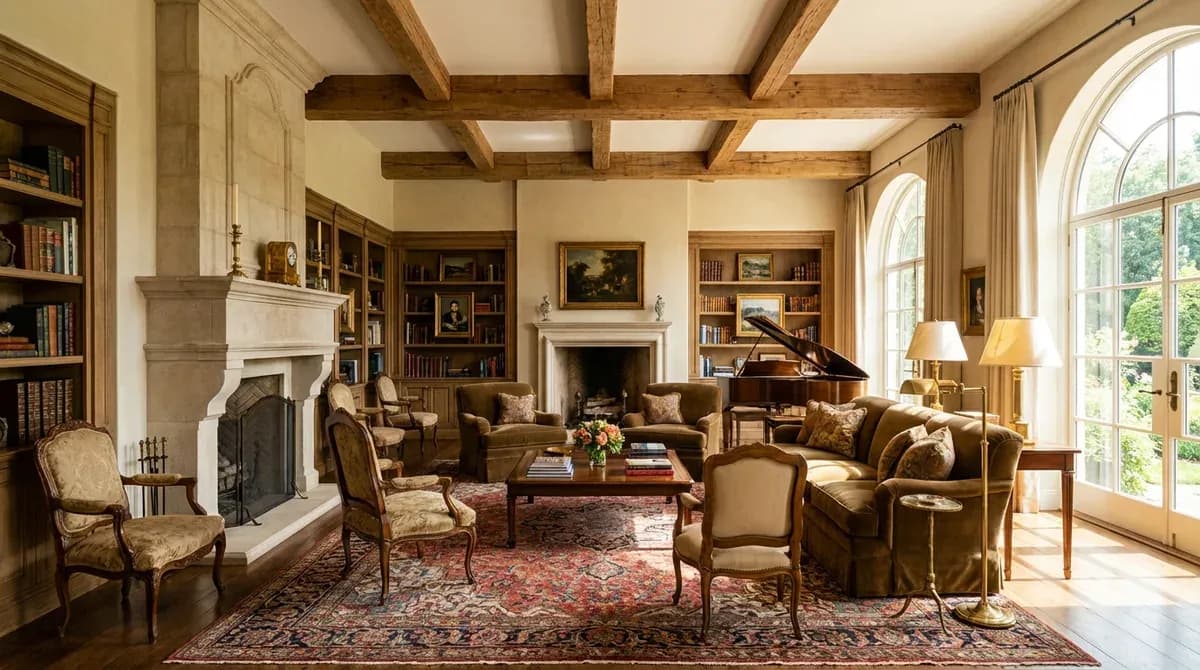
Floor-to-ceiling bookshelves filled with a mix of books, art objects, and a few empty spaces for visual breathing room are the hallmark of a traditional study. Use matching cases in the same dark wood as the desk, and add library-style brass picture lights above the shelves to highlight the display and create a warm glow.

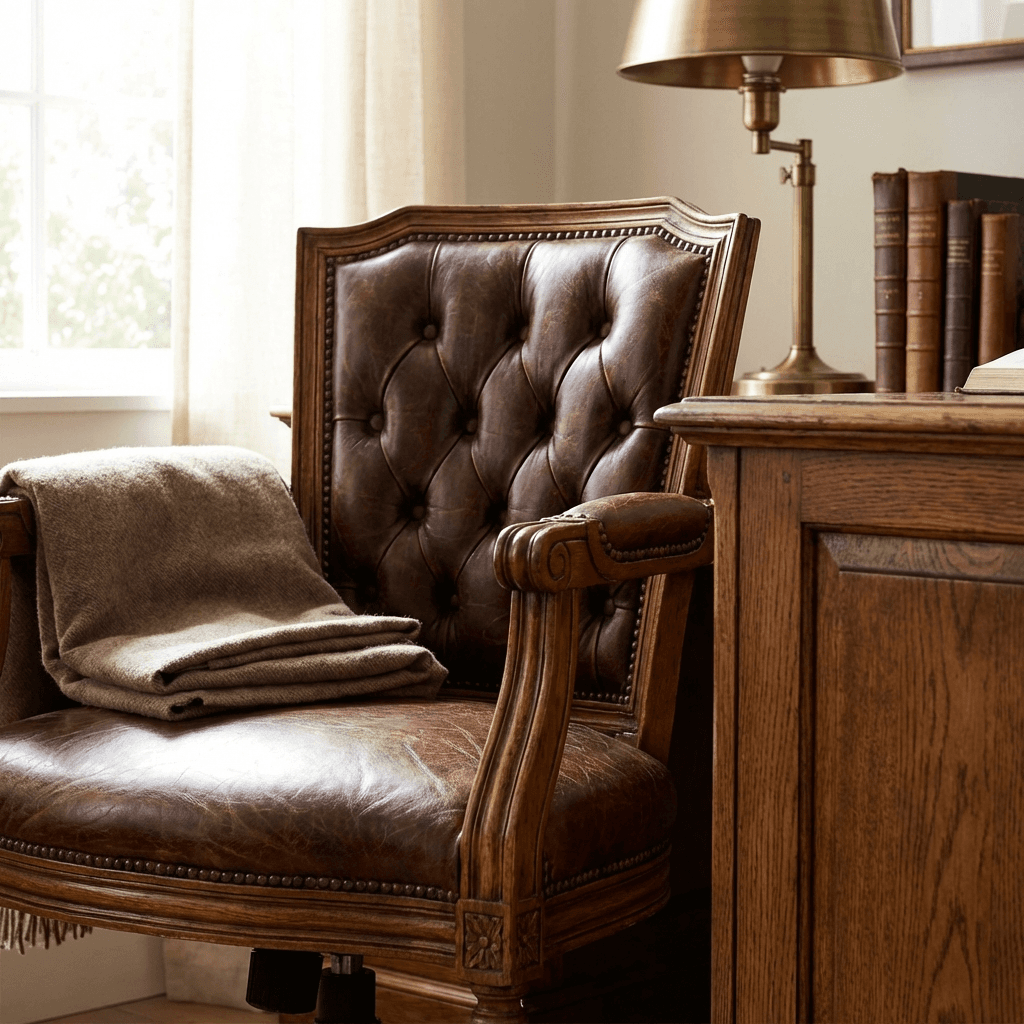
Use a tufted leather desk chair for both comfort and authority
A high-back swivel chair in oxblood, British tan, or dark green leather with button tufting, nailhead trim, and a five-star wood-and-brass base is the traditional office chair. It should look as good from behind as from the front — the chair's back is visible when you enter the room.

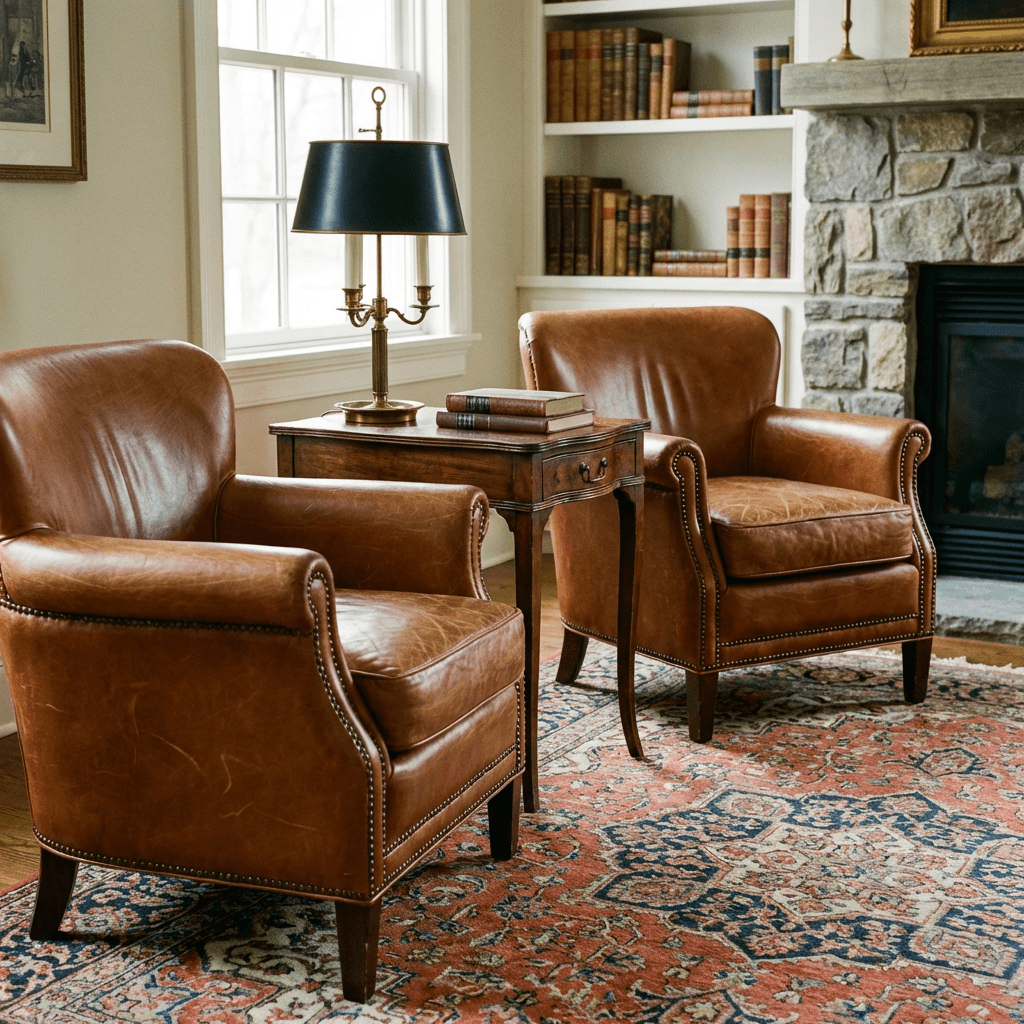
Add a pair of club chairs for informal meetings
Two leather or upholstered club chairs positioned across from the desk, or beside a side table near the window, create a secondary seating area for conversation. This arrangement transforms the office from a solo workspace into a room for receiving guests — an essential feature of the traditional gentleman's or lady's study.
Furniture Recommendations
Key pieces for the perfect Traditional home office

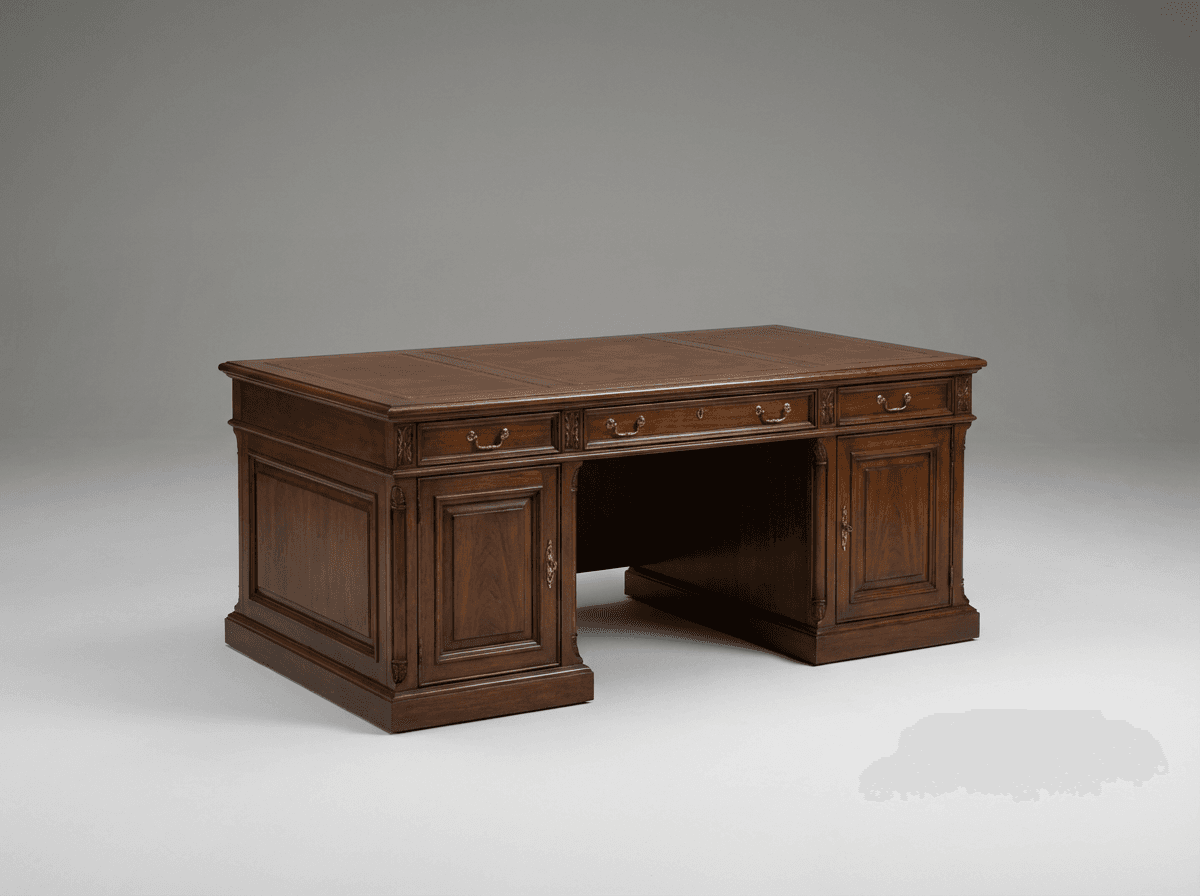
Executive pedestal desk with leather top
A large, double-pedestal desk in mahogany or walnut, 160-180 cm wide, with a tooled leather writing surface, paneled pedestals concealing file drawers, and brass handles. The desk's heft and craftsmanship communicate permanence and authority. Position it facing the room's entry so the chair sits against the window or bookcase wall.

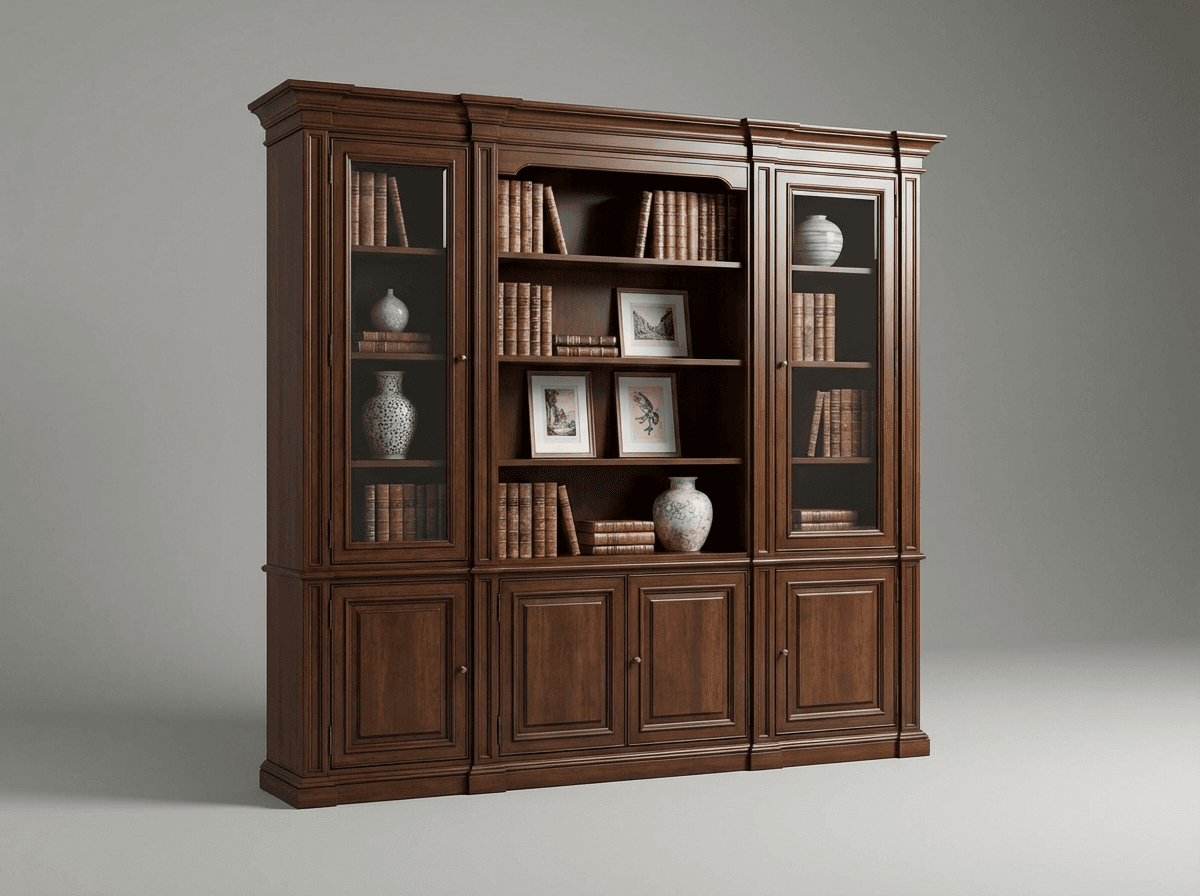
Floor-to-ceiling bookcase
Built-in or freestanding bookcases in the same dark wood as the desk, rising from floor to ceiling with adjustable shelves. Crown molding at the top and a baseboard at the bottom integrate the cases with the room's architecture. Add brass library lights above every second shelf and style with books, globes, framed photos, and small sculptures.

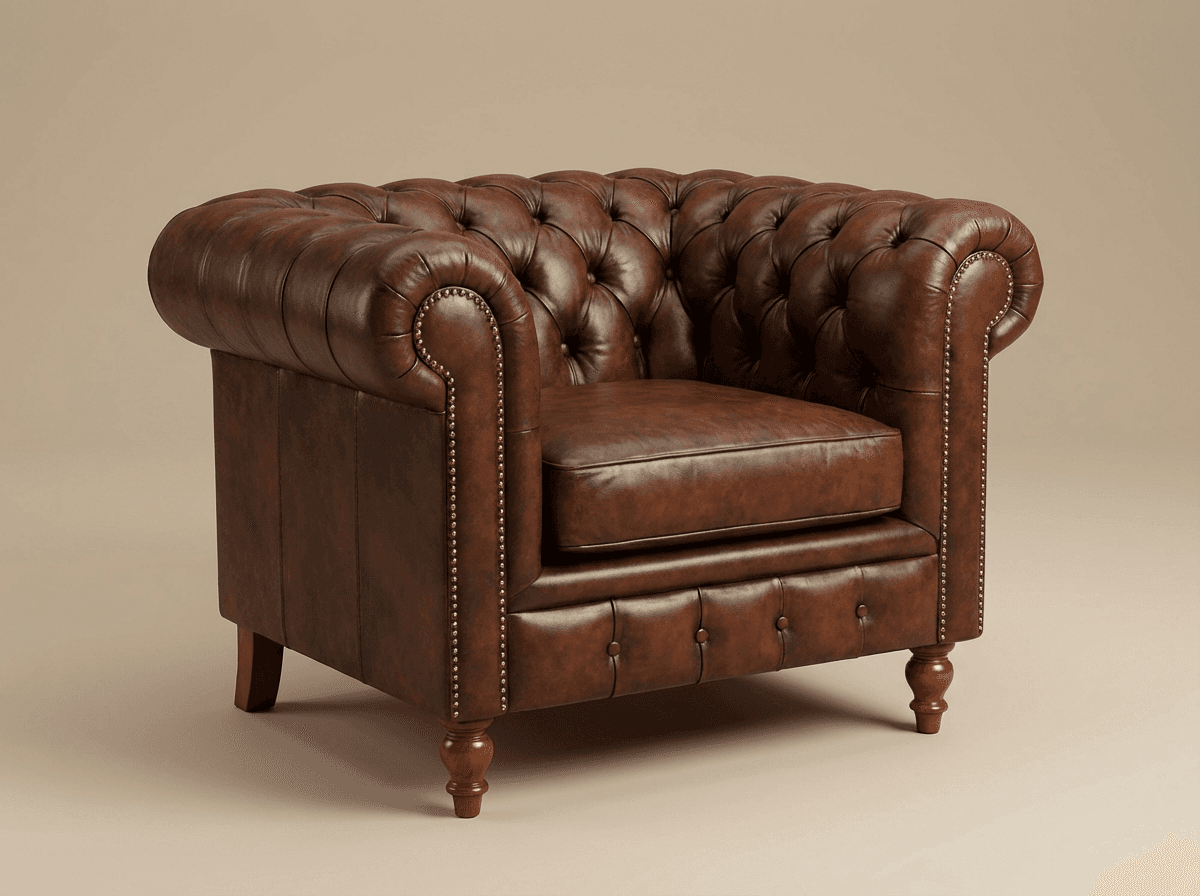
Leather Chesterfield club chair
A deep-seated club chair in tufted leather — British tan, oxblood, or dark brown — with rolled arms, a low back, and bun feet. The Chesterfield's all-over tufting and generous proportions make it the ultimate reading chair. Place two flanking a small round table with a brass reading lamp for an intimate conversation corner.

This Room in Every Style
Explore more design styles for your home office
More Traditional Rooms
See Traditional design in other rooms
Frequently Asked Questions
Todo lo que necesitas saber sobre RoomLift — para diseñadores, agentes y cualquiera que transforme espacios con AI.
- How do I set up a traditional home office?
- Start with a substantial wood desk positioned to face the room. Add a tufted leather desk chair, floor-to-ceiling bookshelves, and a pair of club chairs for meetings. Use warm, dark colors (navy, hunter green, walnut), brass desk accessories, and layered lighting — a banker's lamp on the desk, picture lights on the bookcases, and a floor lamp by the chairs.
- What desk style is traditional for a home office?
- A partners desk (designed for two people facing each other), a pedestal desk (with drawered pedestals on each side), or a writing desk with a leather inset top. All should be in dark wood with paneled sides and brass or antique hardware. The desk should be large enough to spread out papers and still have room for a lamp and accessories.
- How do I hide technology in a traditional office?
- Route cables through desk grommets or behind furniture. Use a wireless keyboard and mouse. Place the monitor on a leather-wrapped riser or integrate it into a cabinet that closes when not in use. Choose a printer in a dark color and tuck it into a lower bookcase shelf behind a framed panel or in a closet.
- What lighting works in a traditional home office?
- A brass banker's lamp with a green glass shade on the desk, brass or bronze picture lights above bookcases, a floor lamp (pharmacy or swing-arm style) beside the reading chairs, and wall sconces or a semi-flush ceiling fixture for ambient light. Avoid fluorescent or cool-toned LED — warm light (2700K) is essential.
- How do I make a small room feel like a traditional study?
- Paint the walls a dark color (navy, deep green) to create intimacy. Use one wall of floor-to-ceiling shelving to maximize storage without furniture footprint. Choose a writing desk rather than a large executive desk. A single club chair in the corner, a brass lamp, and a thick rug make even a 10-square-meter room feel like a proper study.
No credit card required. 10 free renders.